
Professional ADU Builders in Verdi, NV
Looking for a trusted ADU builders in Verdi, NV? Want extra income every month? Need space for aging parents or adult kids? An ADU (Accessory Dwelling Unit) could be your answer!
Popular ADU Services in Verdi
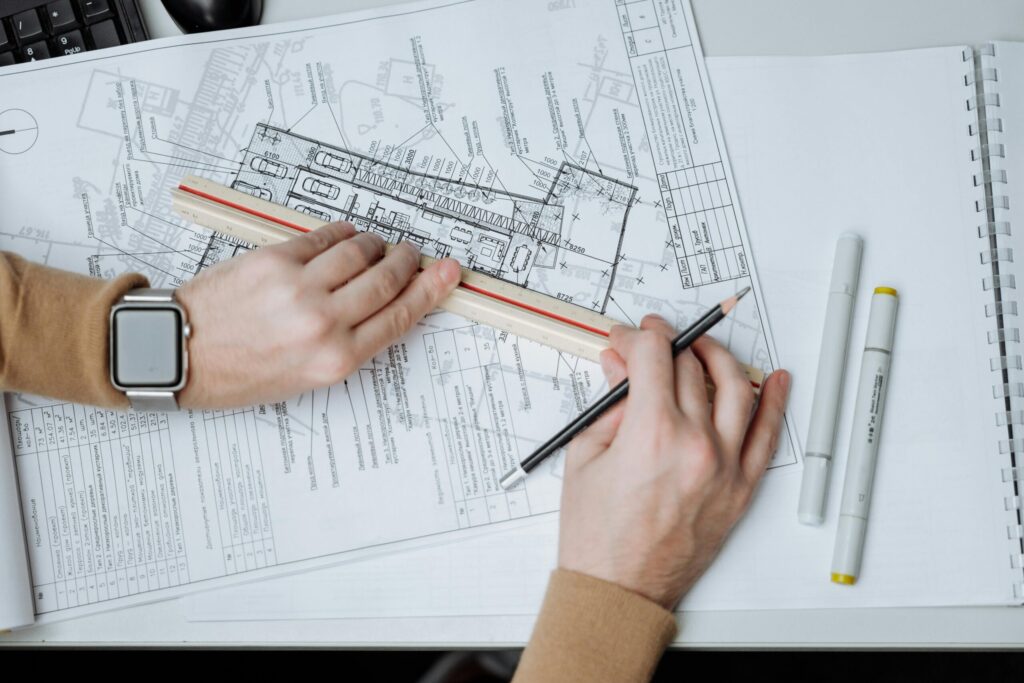
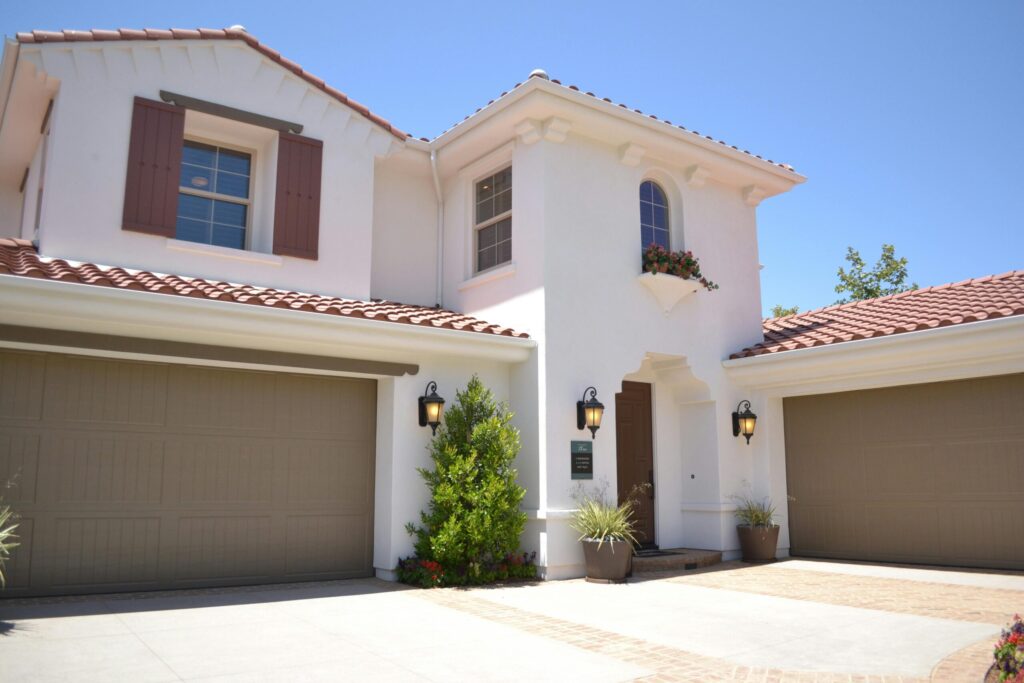
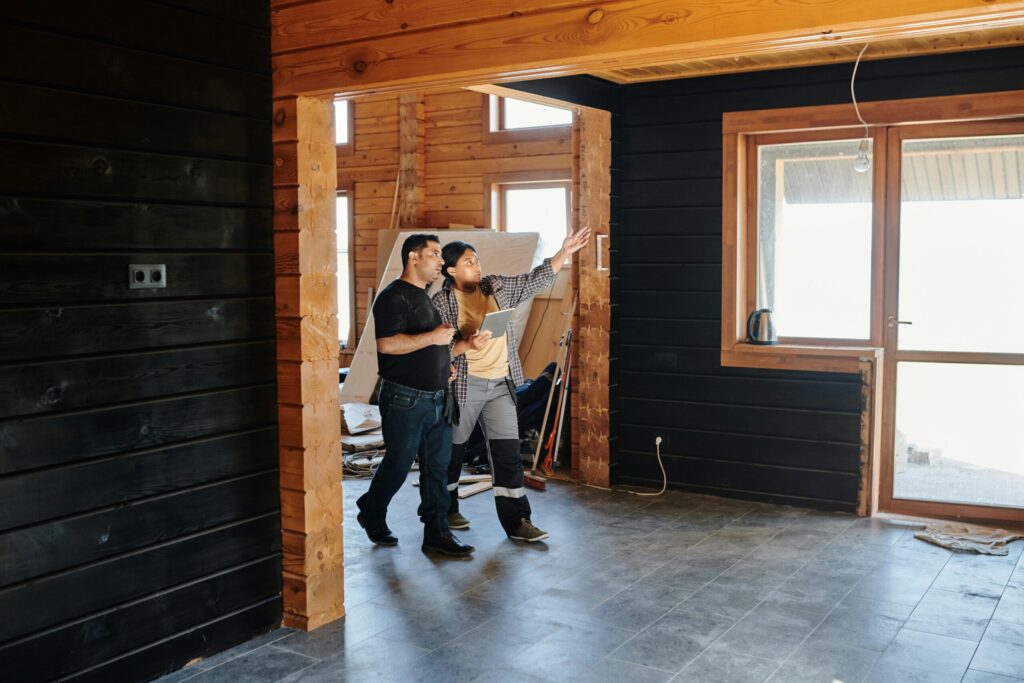
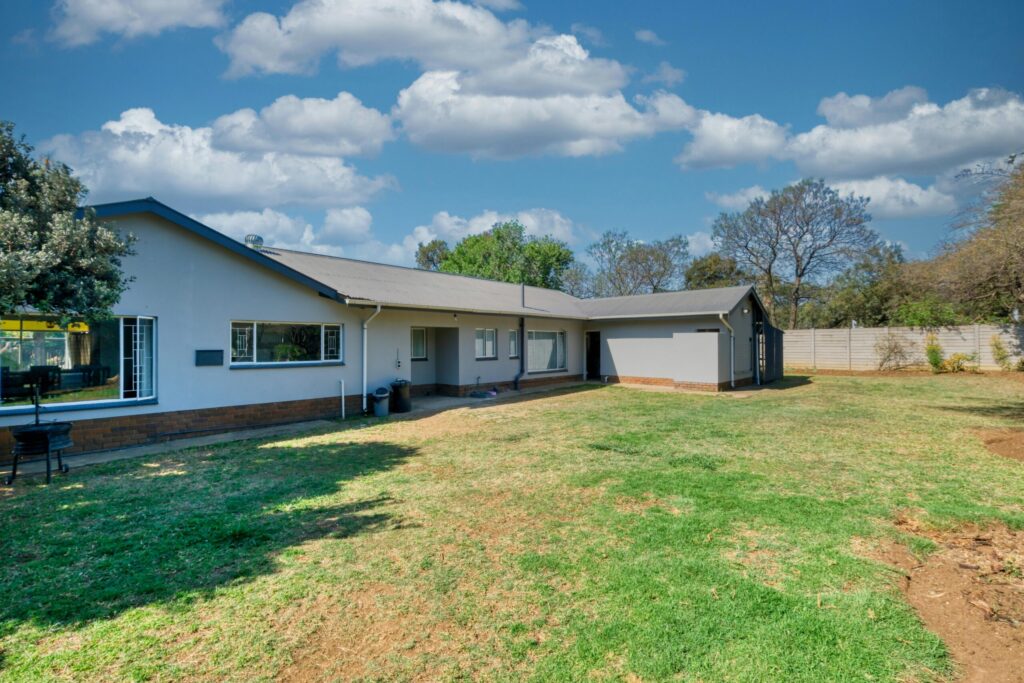
Our ADU Process
Step 1: Tell Us Your Goals
Share your ADU vision, budget, and property details through our simple online form or give us a call.
Step 2: We Match You With Local Builders
We connect you with vetted ADU contractors who have experience, understand Washoe County's permitting process, and can work with your neighborhood's characteristics.
Step 3: Get Free Design Ideas & Quotes
Receive detailed proposals and initial design concepts at no cost or obligation. Contractors will visit your property to assess lot layout, utilities, and site conditions.
Step 4: Choose Your Builder
Compare your options, review portfolios of completed ADU projects, and select the contractor who's the best fit for your project and budget.
Step 5: Navigate Permits Together
Your builder handles Washoe County permits and, if applicable, HOA architectural approvals, keeping you informed throughout the approval process.
Step 6: Watch Your ADU Come to Life
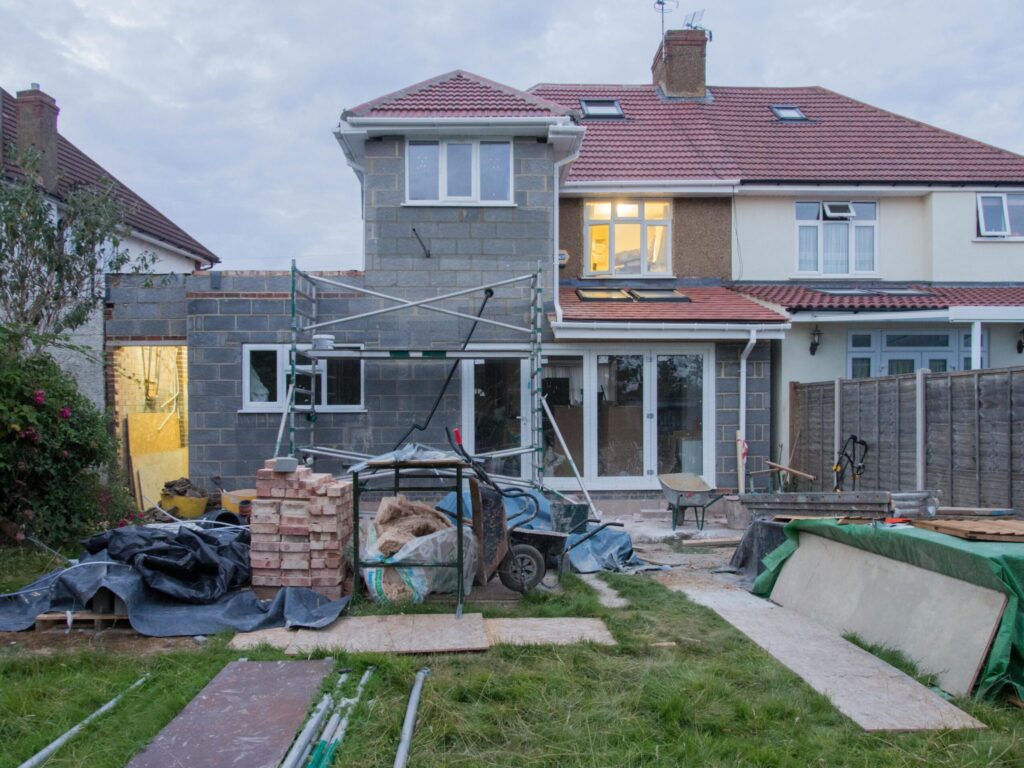
Your chosen builder handles all aspects of construction—foundation, framing, utilities, finishes, inspections, and final walk-through—while keeping you informed every step of the way.
Let's Start Your ADU Project in Verdi
Let’s chat about your ideas! Getting started is easy – simply reach out with details about your ADU project, and we’ll connect you with qualified, licensed contractors.

ADUs in Verdi — What Homeowners Should Know
Washoe County ADU Regulations and Recent Updates
Washoe County updated its ADU regulations in 2024 to make accessory dwelling units more accessible to property owners. The county now allows detached ADUs in various residential zones, with regulations designed to encourage additional housing while maintaining community character. ADUs may be up to 50% of the principal dwelling unit size, with an overall maximum of 1,500 square feet in most zones, though some regulatory zones have a 1,200 square foot maximum. The county also recognizes minor ADUs under 500 square feet. Properties with larger lots can now build ADUs “by right” in certain zones, while others require an administrative review rather than the previously required special use permits. This administrative review process is an internal evaluation ensuring minimum standards are met—significantly less burdensome than public hearing requirements. Any type of dwelling that meets adopted building codes can be used for an ADU, including tiny homes, manufactured homes not older than six years, and traditional construction. However, recreational vehicles cannot be used as ADUs in Washoe County.
Verdi Property Characteristics and Lot Considerations
Verdi properties range from compact lots in older neighborhoods near the town center to larger parcels in developments like West Meadows Estates, Quest Valley, and Verdi Lake Estates. The community’s position along the Truckee River and hillside terrain means lot characteristics vary significantly. ADU feasibility depends partly on your property’s size and configuration. Setback requirements dictate how close ADUs can be to property lines, and contractors must ensure adequate space remains for the ADU while maintaining required distances from boundaries. Properties with sloped terrain may require additional foundation work or grading. The absence of HOAs in many older Verdi neighborhoods provides flexibility for ADU development, though Washoe County regulations still apply. Newer developments may have CC&Rs that address secondary structures, so reviewing your property’s specific restrictions is essential during planning.
Utility Considerations for ADU Development
ADU utility requirements vary based on whether your Verdi property has municipal services or rural infrastructure. Properties on municipal water and sewer can typically connect ADUs to existing systems with appropriate sizing and capacity verification. Many Verdi homes operate on well water and septic systems, which require careful evaluation before ADU development. Well systems may need pump or pressure tank upgrades to serve additional fixtures. Septic systems require Health District review to ensure existing capacity can accommodate additional bedrooms and bathrooms in the ADU. If your current septic system lacks adequate capacity, expansion or replacement may be necessary—adding significant expense to your project. Electrical service may require panel upgrades if adding an ADU pushes your property’s total demand near existing capacity. HVAC systems for ADUs can be independent or integrated with your primary home’s system depending on design preferences and existing capacity. Propane heating systems common in rural Verdi require tank sizing evaluation if extending service to ADUs.
Mountain Climate and Construction Considerations
Verdi’s true mountain climate—with substantial winter snowfall, cold temperatures reaching the teens and twenties, and warm summer highs—influences ADU construction decisions. Building design must accommodate snow load requirements for roofing structures, proper insulation for extreme temperature ranges, and moisture management for condensation prevention. The area’s approximately 49 inches of annual snowfall means ADU roofs require appropriate pitch and structural capacity. Foundation design must account for freeze-thaw cycles, and contractors familiar with Verdi conditions understand which construction methods perform best through seasonal extremes. The dry climate requires proper vapor barriers and ventilation systems to manage interior moisture from cooking and bathing without creating condensation problems. Material selection matters—exterior finishes, sealants, and trim work must withstand temperature swings, intense UV exposure, and the occasional heavy snow or rain events that characterize mountain weather patterns.
Timeline and Process Expectations
Typical ADU project timelines range from 18 months to two years when considering planning, design, permitting, and construction phases. Washoe County’s administrative review process for qualifying ADU applications typically processes faster than traditional permitting routes but still requires several weeks for review and approval. Once permits are issued, construction timelines depend on ADU size, complexity, and site conditions. Simple detached ADUs might complete construction in 4-6 months, while more complex projects with challenging site conditions or custom features can extend to 8-12 months. Verdi’s mountain location means winter weather can occasionally slow construction—particularly site work and foundation phases—though interior construction proceeds relatively unaffected by season. Material delivery schedules and contractor availability also influence timelines. Working with contractors experienced in Verdi and Washoe County permitting helps ensure realistic timeline estimates and efficient project progression.
ADU Construction Costs in Verdi
ADU construction costs in Verdi vary significantly based on unit type, size, construction method, and your property’s specific characteristics. Understanding the factors that influence pricing helps you budget realistically for creating additional living space on your property.
Cost Ranges by ADU Type and Size
ADU construction typically ranges from $150,000 to $400,000 depending on size, design complexity, and material quality. Garage conversion ADUs generally represent the most affordable option, typically costing $80,000 to $150,000, since the structure already exists and work focuses primarily on interior buildout, insulation, and utility installations. Detached ADUs built from the ground up commonly range from $150,000 to $300,000 for units between 600 and 1,200 square feet. Above-garage ADUs that include both garage and living space construction typically cost $200,000 to $350,000 or more. Prefabricated or modular ADUs may offer cost advantages over traditional site-built construction, with installed prices often ranging from $120,000 to $250,000 depending on unit size and finish level. Minor ADUs under 500 square feet can sometimes be achieved for $100,000 to $175,000, making them accessible options for property owners with limited budgets.
Foundation and Site Preparation Expenses
Foundation costs represent a significant early expense in ADU projects. Standard slab foundations typically cost $15,000 to $25,000 depending on size and site conditions. Properties with challenging terrain—sloped lots, rocky soil, or areas requiring significant grading—can see foundation costs increase to $25,000 to $45,000 or more. Verdi’s mountain location and varied topography mean site-specific conditions strongly influence these costs. Excavation, land clearing, and grading work typically add $8,000 to $20,000 to projects requiring substantial site preparation. Properties needing retaining walls or specialized drainage systems to manage water runoff can add $10,000 to $30,000 to foundation budgets. Soil testing—recommended before finalizing foundation design—typically costs $500 to $1,500 but helps contractors design appropriate foundations for local soil conditions and prevent future settling or structural issues.
Construction Method and Material Selection
Construction approach significantly impacts total project investment. Traditional site-built ADUs using stick-frame construction with quality materials typically cost $200 to $300 per square foot for complete construction including interior finishes. This method provides maximum customization but longer construction timelines. Prefabricated or modular ADUs delivered to your property often cost $150 to $250 per square foot installed, with faster completion but less design flexibility. Material quality choices affect both initial costs and long-term performance. Standard finishes—vinyl siding, composition roofing, builder-grade fixtures, and laminate counters—occupy the lower cost range. Mid-range selections with fiber cement siding, architectural shingles, quality appliances, and upgraded fixtures represent the most common choice among Verdi homeowners. Premium materials including natural wood siding, metal roofing, high-end appliances, and custom cabinetry substantially increase costs but provide enhanced durability suited to mountain conditions and weather exposure.
Utility Connection and Infrastructure Costs
Utility expenses vary considerably based on your property’s existing infrastructure. Properties on municipal water and sewer typically see utility connection costs of $5,000 to $12,000 for running lines to the ADU and installing fixtures. Homes with well water systems may require pump upgrades ($3,000 to $6,000) or pressure tank replacement ($1,500 to $3,500) if existing capacity proves insufficient for additional fixtures. Septic system evaluations typically cost $300 to $800, and if expansion is needed to accommodate the ADU, expect costs of $8,000 to $20,000 or more depending on system type and site conditions. Electrical service upgrades—often necessary when adding ADU demand—typically cost $2,000 to $5,000 for panel replacement and capacity increases. HVAC systems for ADUs add $8,000 to $18,000 depending on whether you install independent heating/cooling or extend existing systems. Properties using propane may need larger tanks or additional capacity, typically $1,500 to $4,000.
Permitting, Professional Services, and Fees
Washoe County building permit fees for ADUs typically range from $2,000 to $5,000 depending on project size and valuation. The administrative review process for qualifying ADUs replaced the previous special use permit requirement, streamlining approval while maintaining design standards. Architectural or design services for custom ADUs typically cost $5,000 to $15,000 depending on project complexity, though using pre-approved plans may reduce these expenses. Structural engineering services often cost $2,000 to $6,000 for ADU projects requiring custom foundation design or complex structural elements. Land surveying to verify property boundaries and setback compliance typically costs $600 to $1,800. Impact fees may apply depending on ADU size and jurisdiction, potentially adding several thousand dollars to permitting costs. Health District review fees for septic evaluation typically run $200 to $500.
Verdi-Specific Considerations
Verdi’s mountain location adds certain considerations that can affect costs. Winter construction may proceed but can experience occasional weather-related delays affecting labor efficiency. Material delivery from Reno-area suppliers typically adds minimal expense since Verdi sits approximately 15-20 minutes west via I-80, though specialty items may incur modest delivery charges. Properties in remote or difficult-to-access locations may see slightly higher material delivery and equipment costs. The mountain climate necessitates proper snow load design and insulation, potentially adding 5-10% to structural and envelope costs compared to valley construction. Well and septic systems common in Verdi add complexity and expense compared to properties on municipal services. These rural infrastructure considerations should be evaluated early in planning to budget accurately for your specific property situation.
Why Use Our Network Of Local ADU Builders
Knowledge of Washoe County ADU Regulations
Contractors experienced with Washoe County’s updated ADU regulations understand the 2024 code changes that streamlined approval processes and know how to navigate the administrative review system efficiently. They understand size limitations, setback requirements, and which properties qualify for different approval pathways. This expertise prevents application delays from incomplete submissions or design elements that don’t comply with current standards. Local contractors also stay current on evolving ADU regulations as the county continues refining policies to encourage accessory dwelling development while maintaining community character. They can advise whether your specific property and ADU plans fall under simplified approval processes or require additional review.
Experience With Mountain Climate Construction
Verdi contractors understand how to build ADUs that perform through true mountain conditions—substantial winter snowfall, cold temperatures, and significant seasonal temperature swings. They know appropriate snow load calculations for roofing structures, proper insulation strategies for extreme weather, and how to prevent condensation and moisture problems in cold climates with dry exterior conditions. This experience ensures ADUs remain comfortable year-round and avoid problems like ice damming, frozen pipes, or inadequate heating capacity that can plague structures built without consideration for mountain weather. Contractors familiar with Verdi conditions also understand appropriate material selections—which siding, roofing, and sealants perform best through freeze-thaw cycles and intense UV exposure at elevation.
Understanding of Rural Property Infrastructure
Many Verdi properties operate on well water and septic systems rather than municipal services. Contractors experienced in the area understand how to evaluate existing infrastructure capacity, coordinate Health District septic reviews, and plan utility extensions that work within rural property constraints. They know local well drilling contractors if new water sources are needed, understand propane system sizing for heating, and can coordinate the various specialized trades required when municipal utilities aren’t available. This rural property expertise prevents overlooking critical infrastructure considerations that could derail projects or create budget-breaking surprises during construction.
Familiarity With Local Building Conditions
Contractors who regularly work in Verdi recognize common site conditions—from rocky soil requiring specialized excavation to hillside lots needing retaining walls and drainage management. They understand which neighborhoods have particularly challenging building conditions and can provide realistic cost estimates based on actual local experience rather than generic assumptions. This familiarity with Truckee River corridor properties, hillside developments, and the varied terrain throughout Verdi helps contractors anticipate complications before they occur and plan appropriately during design phases. Local experience also means understanding which local suppliers stock materials suited to mountain construction and maintaining relationships that facilitate efficient material procurement.
Established Regional Presence and Accountability
Choosing a contractor who operates in Verdi and the surrounding region means they’re invested in maintaining their reputation in a community where word-of-mouth referrals matter significantly. They remain accessible after project completion for any warranty issues, follow-up service needs, or questions about operating and maintaining your new ADU. Their work remains visible in the community, providing motivation for consistent quality and professional service. Local contractors also understand the Verdi lifestyle—many residents value the mountain character and rural setting—and design ADUs that complement these preferences rather than imposing urban design sensibilities inappropriate for the area’s character.
Licensed & Insured Contractors Only
Every contractor in the Reno Home Remodel network maintains active Nevada contractor licensing and carries required liability and workers’ compensation insurance. We verify these credentials before referrals, ensuring you work with professionals who meet state requirements and protect you from liability during construction. Nevada-licensed contractors understand current building codes, Washoe County’s ADU regulations, and professional standards that safeguard quality and safety. Insurance coverage protects you from financial responsibility if accidents occur on your property during ADU construction. Washoe County requires licensed contractors for ADU development, and working with properly credentialed professionals ensures your project proceeds legally while protecting your investment through proper oversight and accountability.
Need Help?
Frequently Asked Questions About ADU in Verdi
Below are some of the most common questions Our Network get from families about ADU. If you have any other questions contact us!
How long does it take to build an ADU?
Timeline varies by ADU type:
- Garage conversion: 3-5 months (including permits)
- Detached new construction ADU: 6-10 months (including permits)
- Basement ADU: 3-6 months (including permits)
Washoe County permitting typically takes 4-8 weeks. Construction time depends on size, complexity, weather, and material availability.
Can I build an ADU if I'm in an HOA?
It depends on your specific HOA’s CC&Rs (Covenants, Conditions & Restrictions). Some Sparks HOAs, particularly in newer master-planned communities, have restrictions on detached structures or require architectural approval. Your contractor can help review your HOA documents and navigate the approval process if allowed.
How much rent can I charge for an ADU?
ADU rental rates typically range from $1,200–$2,000+ per month depending on:
- Size (studio vs. 1-2 bedroom)
- Finishes and amenities
- Location within Sparks
- Market conditions
Spanish Springs ADUs often command higher rents than older neighborhoods due to the area’s desirability and newer construction.
Do I need to upgrade my electrical panel?
Many older Sparks homes (pre-1990) have 100-150 amp electrical service. Adding an ADU typically requires upgrading to 200 amp service to handle the additional load. Newer homes may already have adequate capacity. Your contractor evaluates this during initial planning.
REAL STORIES FROM SATISFIED CUSTOMERS
Talk to an ADU Builder in Verdi Today
Whether you’re creating a guest cottage for family, building rental income potential, or adding flexible living space to your Verdi property near the Truckee River, in Quest Valley, or along the hillsides overlooking I-80, Reno Home Remodel connects you with experienced contractors who understand both ADU construction and Verdi’s unique mountain community characteristics. From navigating Washoe County’s updated ADU regulations to planning utilities on rural properties, our network of licensed professionals brings expertise tailored to accessory dwelling development.