
Professional ADU Builders in Virginia City Highlands, NV
Looking for a trusted ADU builders in Virginia City Highlands ,NV? Want extra income every month? Need space for aging parents or adult kids? An ADU (Accessory Dwelling Unit) could be your answer!
Popular ADU Services in Virginia City Highlands

Our ADU Process
Step 1: Tell Us Your Goals
Share your ADU vision, budget, and property details through our simple online form or give us a call.
Step 2: We Match You With Local Builders
We connect you with vetted ADU contractors who have experience, understand Washoe County's permitting process, and can work with your neighborhood's characteristics.
Step 3: Get Free Design Ideas & Quotes
Receive detailed proposals and initial design concepts at no cost or obligation. Contractors will visit your property to assess lot layout, utilities, and site conditions.
Step 4: Choose Your Builder
Compare your options, review portfolios of completed ADU projects, and select the contractor who's the best fit for your project and budget.
Step 5: Navigate Permits Together
Your builder handles Washoe County permits and, if applicable, HOA architectural approvals, keeping you informed throughout the approval process.
Step 6: Watch Your ADU Come to Life
Your chosen builder handles all aspects of construction—foundation, framing, utilities, finishes, inspections, and final walk-through—while keeping you informed every step of the way.
Let's Start Your ADU Project in Virginia City Highlands
Let’s chat about your ideas! Getting started is easy – simply reach out with details about your ADU project, and we’ll connect you with qualified, licensed contractors.

ADUs in Virginia City Highlands — What Homeowners Should Know
Large Rural Lots and Dispersed Development
Virginia City Highlands consists of properties ranging from one-acre to forty-acre parcels spread across the area north of historic Virginia City. The community straddles the Storey County and Washoe County border, with most residential properties under Storey County jurisdiction. These large, wooded lots offer privacy and space but also present construction considerations different from typical suburban neighborhoods. Building sites often require longer driveways, utility runs from the road, and careful planning for site access during construction.
High-Elevation Mountain Environment
At elevations ranging from roughly 5,900 to 6,200 feet, Virginia City Highlands sits in the Sierra Nevada foothills where true mountain conditions prevail. Winter temperatures regularly drop well below freezing, with January means around 33 degrees and substantial annual snowfall. Summer days can reach into the 80s or low 90s, but nights cool significantly. This high-desert mountain climate creates pronounced freeze-thaw cycles that affect foundation design, require specific insulation standards, and influence material selection. Contractors familiar with mountain construction understand how to design roofs for snow load and protect plumbing from freezing temperatures.
Septic Systems and Well Water
Most properties in Virginia City Highlands rely on individual well water and septic systems rather than municipal utilities. Adding an ADU typically requires evaluating existing septic capacity or designing a separate system, which involves soil testing and approval from the appropriate county health department. Well capacity also needs assessment to ensure adequate water supply for an additional dwelling unit. These infrastructure considerations add planning steps and costs that contractors experienced with rural properties anticipate from the beginning.
Storey County Permitting and Development Requirements
Building permits in Virginia City Highlands generally fall under Storey County jurisdiction. The county requires proper permitting for any structure with electrical, plumbing, or mechanical systems, and mandates minimum building code compliance. Contractors need to coordinate with the Storey County Building Department to ensure plans meet current building codes, setback requirements, and development standards. Unlike urban areas, where ADU regulations may be streamlined, rural county permitting focuses on ensuring structures meet safety standards appropriate for mountain and rural conditions.
Fire-Safe Construction and Wildland Interface Standards
Virginia City Highlands sits within the wildland-urban interface, where homes border undeveloped forestland. This location requires attention to fire-safe construction practices, including defensible space around structures, appropriate roofing materials, and potential requirements for fire-resistant design elements. Contractors building in this area should be familiar with wildland interface standards and best practices for reducing wildfire risk while maintaining the natural character homeowners value.
Seasonal Construction and Access Considerations
Winter weather can significantly impact construction schedules in Virginia City Highlands. Snow and freezing temperatures make site work challenging during colder months, and contractors typically plan major construction projects for spring through fall. The community’s location along Cartwright Road and Lousetown Road off State Route 341 provides access, but winter conditions can temporarily affect material deliveries. Contractors experienced with mountain construction plan accordingly and communicate realistic timelines that account for weather-related delays.
ADU Builders Costs in Virginia City Highlands
Typical Project Cost Ranges
ADU construction costs in Virginia City Highlands reflect both the rural, high-elevation location and the infrastructure requirements specific to large-lot development. Below are broad cost ranges for common project types:
| Project Type | Typical Cost Range |
|---|---|
| Small Detached ADU (400-600 sq ft) | $150,000 – $220,000 |
| Medium Detached ADU (700-900 sq ft) | $200,000 – $290,000 |
| Large Detached ADU (1,000-1,200 sq ft) | $260,000 – $380,000 |
| Garage Conversion (if applicable) | $110,000 – $180,000 |
| Custom Mountain ADU | $320,000 – $450,000+ |
These ranges include design, permitting, materials, and labor but vary based on site-specific conditions and infrastructure requirements.
Key Factors That Influence Pricing
Several factors significantly affect ADU costs in Virginia City Highlands. Septic system needs represent a major variable—expanding an existing system or installing a new one involves engineering, soil testing, and installation costs that can range from moderate to substantial depending on soil conditions. Well capacity and water service extensions also influence budgets, particularly if the ADU is located far from existing utilities. Site preparation on sloped or forested lots may require grading, tree removal, and extended driveway construction. Foundation design appropriate for mountain conditions and potential frost depth adds cost compared to standard residential construction. Distance from material suppliers and the rural location can also affect delivery costs and construction timelines.
Virginia City Highlands-Specific Considerations
Building in this rural mountain community introduces cost factors that differ from typical suburban development. Utility runs from the road to building sites on large parcels can add thousands of dollars in trenching and connection fees. Winter construction limitations may extend project timelines and affect scheduling costs. Mountain-rated insulation, roofing systems designed for snow loads, and materials that withstand freeze-thaw cycles typically cost more than standard residential specifications. Fire-safe construction materials and defensible space clearing may add to site preparation budgets. The remote location can also mean contractors factor in travel time and logistics differently than for urban projects.
Emphasis on Transparent, Itemized Estimates
The contractors in our network provide detailed estimates that separately itemize site work, septic and well considerations, utility extensions, materials, labor, and permits. This breakdown helps you understand the full scope of rural ADU construction and make informed decisions about your project. Clear estimates are particularly important for properties in Virginia City Highlands, where site-specific infrastructure needs can vary significantly from lot to lot. Transparency allows you to plan appropriately and avoid surprise costs during construction.
What Makes Our Contractor Network Different
Experience with Rural and High-Elevation Construction
The contractors we connect you with have built in mountain and rural environments where standard suburban construction practices don’t always apply. They understand how to design foundations for freeze-thaw conditions, size septic systems for rural properties, and select materials that perform reliably in high-elevation climates. This specialized experience means fewer surprises during construction and better long-term performance from your ADU.
Familiarity with Storey County Permitting
Contractors in our network have worked through Storey County’s permitting process and understand what the building department expects in plan submissions. They know which details to address upfront, how to coordinate inspections, and how to ensure your project meets county requirements efficiently. This familiarity helps avoid delays and ensures your ADU is built to code from the start.
Understanding of Septic and Well Infrastructure
Rural ADU construction requires contractors who can evaluate existing septic systems and wells, coordinate with health departments on septic design, and plan utility connections appropriately. Our network includes builders who routinely work with these systems and can guide you through the planning process, helping you understand costs and requirements before construction begins.
Knowledge of Mountain Lot Development
Building on large, often sloped lots with mature vegetation requires different skills than typical residential construction. Contractors familiar with Virginia City Highlands understand how to minimize disturbance to existing trees, work with natural topography, and plan site access that protects your property while allowing efficient construction. They also know how to design structures that feel appropriate to the mountain setting.
Commitment to Quality in Remote Locations
Working in Virginia City Highlands means contractors need to plan carefully and bring the right materials and equipment to the site. The builders we connect you with take pride in completing projects thoroughly, even when they’re working on remote properties where it’s easier to cut corners. Their local reputation depends on delivering quality work regardless of location, and that commitment shows in the results.
Licensed & Insured Contractors Only
Every contractor in the Reno Home Remodel network maintains active Nevada state licensing and carries both liability insurance and workers’ compensation coverage. We verify these credentials before making referrals, protecting you from the risks of working with unlicensed or uninsured builders. In rural areas, where properties are spread out and projects may be less visible to regulators, working with properly licensed contractors provides essential peace of mind. You can trust that the work meets state standards and that you’re protected if issues arise during construction.
Need Help?
Frequently Asked Questions About ADU in Virginia City Highlands
Below are some of the most common questions Our Network get from families about ADU. If you have any other questions contact us!
How long does it take to build an ADU?
Timeline varies by ADU type:
- Garage conversion: 3-5 months (including permits)
- Detached new construction ADU: 6-10 months (including permits)
- Basement ADU: 3-6 months (including permits)
Washoe County permitting typically takes 4-8 weeks. Construction time depends on size, complexity, weather, and material availability.
Can I build an ADU if I'm in an HOA?
It depends on your specific HOA’s CC&Rs (Covenants, Conditions & Restrictions). Some Sparks HOAs, particularly in newer master-planned communities, have restrictions on detached structures or require architectural approval. Your contractor can help review your HOA documents and navigate the approval process if allowed.
How much rent can I charge for an ADU?
ADU rental rates typically range from $1,200–$2,000+ per month depending on:
- Size (studio vs. 1-2 bedroom)
- Finishes and amenities
- Location within Sparks
- Market conditions
Spanish Springs ADUs often command higher rents than older neighborhoods due to the area’s desirability and newer construction.
Do I need to upgrade my electrical panel?
Many older Sparks homes (pre-1990) have 100-150 amp electrical service. Adding an ADU typically requires upgrading to 200 amp service to handle the additional load. Newer homes may already have adequate capacity. Your contractor evaluates this during initial planning.
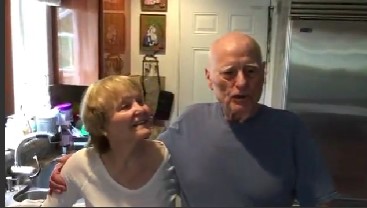
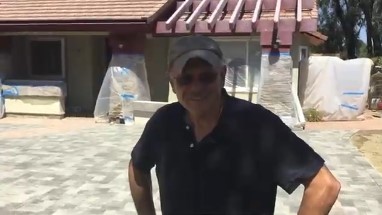
REAL STORIES FROM SATISFIED CUSTOMERS
Talk to an ADU Builder in Virginia City Highlands Today
Whether your property is in Virginia City Highlands, nearby historic Virginia City, Gold Hill, or other parts of Storey County’s rural residential areas, Reno Home Remodel can connect you with experienced contractors who understand rural mountain construction. There’s no pressure and no obligation—just a straightforward conversation about your property, your goals, and how an ADU might work on your land.