
Professional Outdoor Living Contractor in Sparks, NV
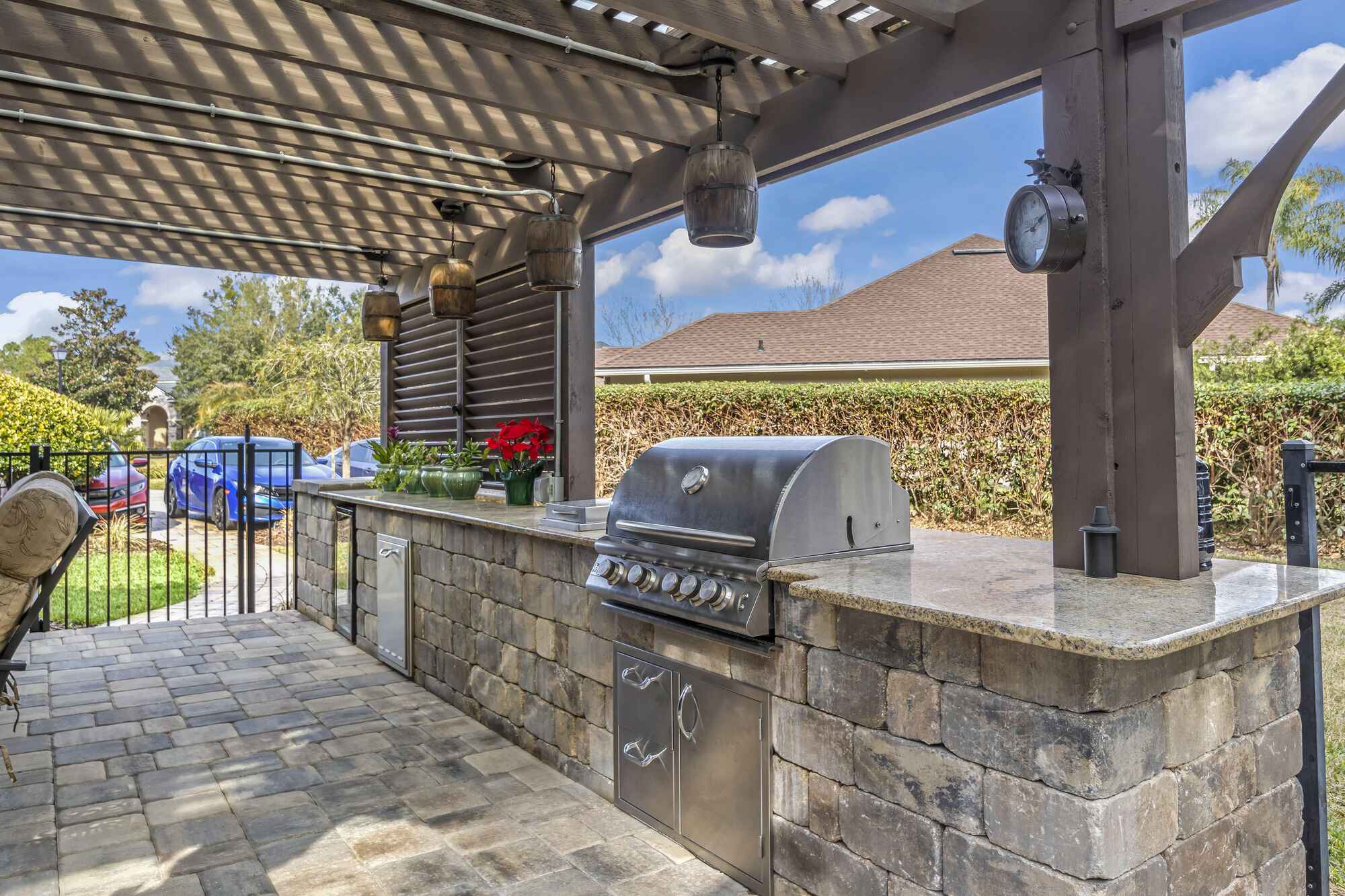
Looking for Outdoor Living Contractor in Sparks? We connect homeowners with licensed, insured hardscaping contractors who create stunning patios, walkways, retaining walls, and outdoor living areas.
Popular Outdoor Living Services in Sparks
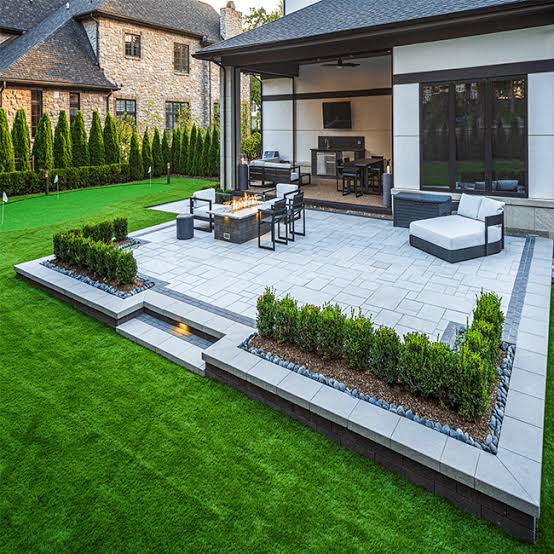
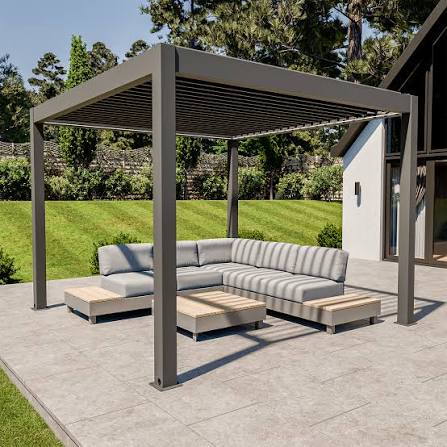
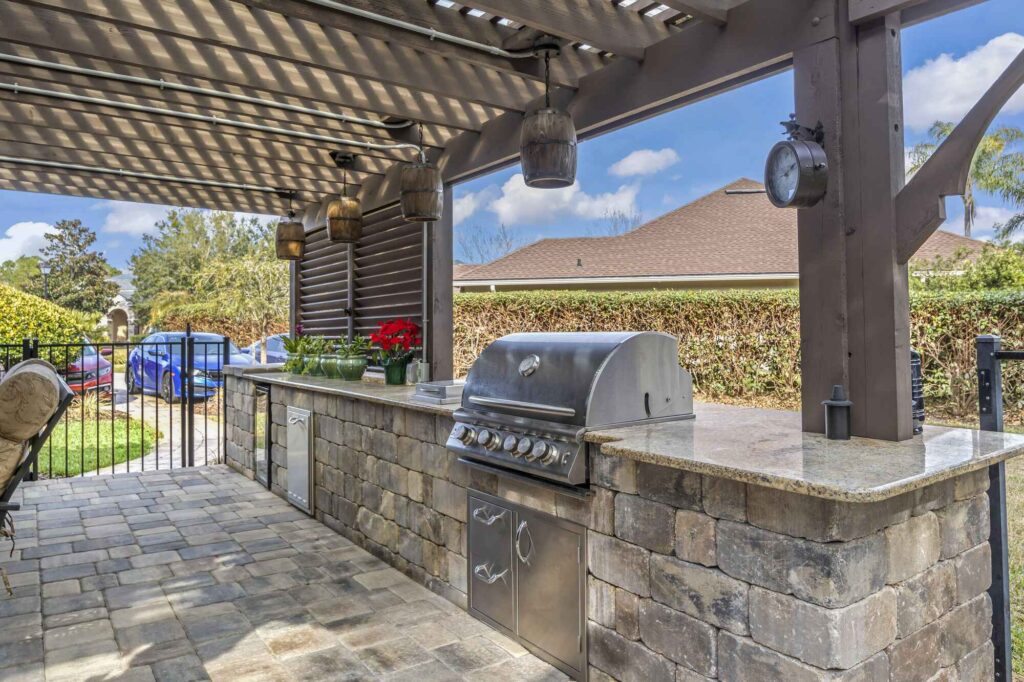
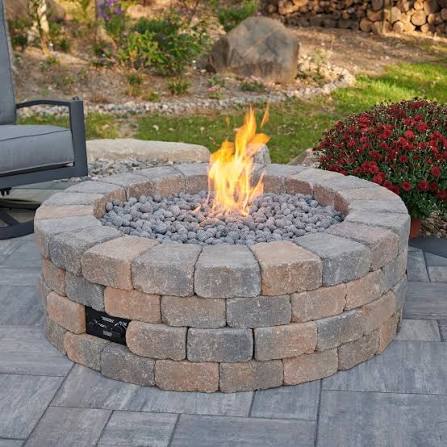
Our Outdoor Living Project Process
1. Initial Consultation & Goals
We discuss how you plan to use your outdoor space, your property's characteristics, budget parameters, and any specific features you're considering.
2. Site Evaluation
Contractors assess your property including sun exposure, wind patterns, views, existing utilities, drainage, soil conditions, and access for construction.
3. Design & Scope Definition
Contractors create plans showing layout, materials, structural details, and integration with your home and landscaping. Designs consider Reno's climate and your usage needs.
4. Contractor Matching
We connect you with licensed, insured contractors experienced with outdoor living projects similar to yours. You review multiple proposals comparing approaches and pricing.
5. Permits & Construction
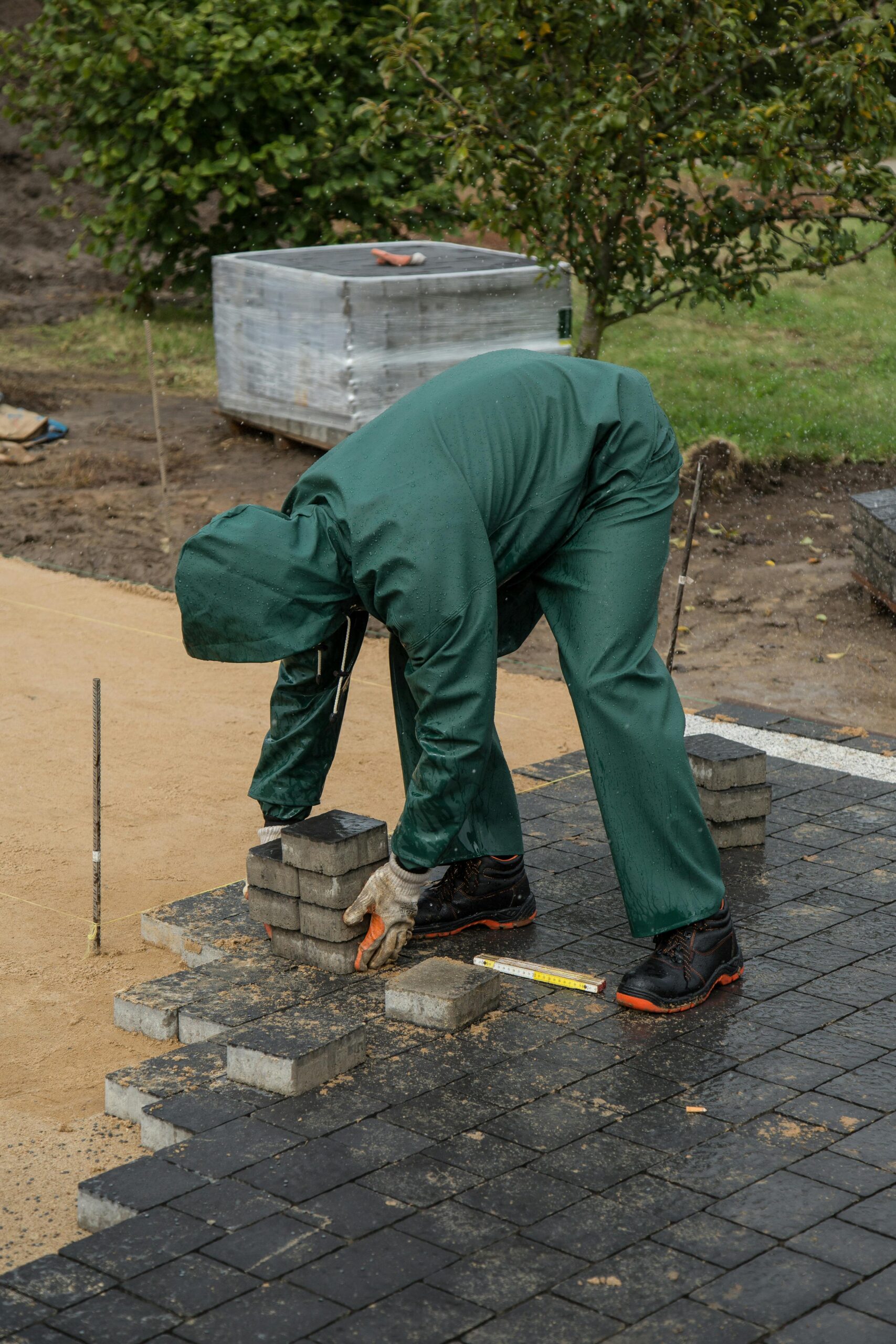
Work includes grading and drainage, foundation or base preparation, utility installations, structure construction, finishing details, and lighting installation. Timeline varies from 2-8 weeks depending on project scope.
6. Final Inspection & Walkthrough
All work undergoes required inspections. Your contractor demonstrates features, provides maintenance guidance, and ensures your satisfaction.
Outdoor Living in Sparks — What Homeowners Should Know
Housing Styles and Construction Eras
Sparks homes reflect the city’s railroad heritage and gradual suburban growth. Downtown and Victorian Square feature homes dating to the early 1900s through mid-century, with ranch-style and bungalow designs predominating. North Rock and surrounding established neighborhoods contain primarily 1950s through 1970s construction, including ranch homes, split-levels, and some Craftsman and Spanish Revival-inspired dwellings. Spanish Springs, Wingfield Springs, and D’Andrea represent more recent development from the 1990s forward, with contemporary open-plan designs, modern two-story layouts, and planned community aesthetics. Understanding your home’s era helps contractors plan outdoor living structures that complement existing architecture and integrate properly with older foundation systems or newer building standards.
Lot Configurations and Zoning Considerations
Older neighborhoods near downtown typically feature smaller, more compact lots, while Spanish Springs and northeastern developments offer larger parcels with room for RV parking, shops, and extensive outdoor amenities. Homeowners in planned communities like Wingfield Springs, D’Andrea, and areas around Red Hawk Golf Course should verify HOA architectural guidelines before starting any outdoor living project. HOAs often regulate materials, colors, height restrictions, and placement of structures like pergolas, patios, and outdoor kitchens. Even outside HOA areas, setback requirements and height limits apply throughout the city, and contractors familiar with local zoning can help navigate these requirements during the design phase.
Permitting Through the City of Sparks
The City of Sparks Building and Safety Division handles all building permits, and as of 2024, paper applications are no longer accepted—everything must be submitted through the Accela Customer Access Portal. Most outdoor living projects including covered patios, decks, pergolas with electrical or plumbing, and outdoor kitchens require permits. The city is transitioning from 2018 to 2024 building codes, with a grace period allowing either code through the end of 2025, after which only 2024 codes will be accepted. Permit review timelines vary, but straightforward residential projects typically see plan review within one to two weeks. Contractors licensed in Nevada must also hold a local business license in Sparks to perform work legally within city limits. Working with contractors who are already familiar with Sparks’ online permitting system and local code amendments can significantly streamline the approval process.
High Desert Climate and Material Selection
Sparks experiences a semi-arid climate with hot, dry summers—temperatures regularly reach the low-to-mid 90s and occasionally exceed 100°F—and cold winters with nighttime lows in the 20s and occasional snowfall averaging around 19 inches annually. The area receives only about 8 inches of precipitation per year, concentrated mainly between November and April, and enjoys over 250 sunny days annually. These conditions create specific challenges for outdoor living spaces. Intense UV exposure fades untreated materials quickly, while wide daily temperature swings cause expansion and contraction that can stress improperly installed components. Materials like composite decking, UV-resistant fabrics, and properly sealed wood hold up better than budget options. Covered structures need to account for occasional snow loads in winter, and any outdoor kitchen or water feature requires consideration for freeze protection during cold snaps.
Foundation and Soil Characteristics
Sparks sits in the Truckee Meadows valley on the eastern slope of the Sierra Nevada, with soil conditions varying by location. Many areas feature sandy, well-draining desert soils, while others closer to old riverbeds or lower elevations may have clay content or more variable composition. Post footings for decks, pergolas, and patio covers must extend below the frost line to prevent heaving during winter freeze-thaw cycles. Contractors experienced in Sparks understand local soil behavior and can design foundations that remain stable across seasons. In some neighborhoods, particularly those near Spanish Springs or areas with previous agricultural use, soil compaction and drainage may require additional attention during site preparation.
Outdoor Living Contractor Costs in Sparks
Typical Project Cost Ranges
Understanding the investment required for outdoor living improvements helps homeowners plan realistically. The following ranges reflect current market conditions in the Sparks area and include materials, labor, and basic permitting costs:
| Project Type | Typical Cost Range |
|---|---|
| Basic Concrete Patio (12×16 ft) | $2,500 – $5,000 |
| Pressure-Treated Wood Deck (12×16 ft) | $5,000 – $8,000 |
| Composite Deck (12×16 ft) | $8,000 – $12,000 |
| Basic Patio Cover / Pergola | $6,000 – $16,000 |
| Lattice-Style Patio Cover with Columns | $8,000 – $20,000 |
| Solid Roof Patio Cover | $10,000 – $26,000 |
| Outdoor Kitchen (Basic) | $8,000 – $15,000 |
| Outdoor Kitchen (Full-Featured) | $15,000 – $30,000+ |
| Gazebo Installation | $6,000 – $16,000 |
| Decorative Pergola or Arbor | $3,000 – $8,000 |
These ranges assume standard installations on relatively level sites with typical access. Individual projects may fall outside these ranges depending on complexity, site conditions, and material selections.
Key Factors That Influence Pricing
Several variables affect the final cost of outdoor living projects in Sparks. Material selection makes a significant impact—pressure-treated lumber costs substantially less than redwood, composite decking, or specialty materials designed for desert climates. Site accessibility and preparation requirements add to labor costs, particularly if equipment must navigate tight spaces or if extensive grading, drainage work, or soil stabilization is needed. Projects requiring concrete footings below the frost line, electrical work for lighting and outlets, plumbing for outdoor kitchens or water features, and gas lines for fire pits or grills increase costs but add essential functionality. Design complexity also plays a role—custom curves, multi-level decks, intricate shade structures, and built-in seating or planters require more skilled labor and time. Finally, any required HOA approvals or city permit fees factor into the overall investment.
Sparks-Specific Cost Considerations
Local factors influence outdoor living costs in specific ways. The climate demands materials that withstand intense UV exposure and temperature extremes, which may cost more upfront but provide better long-term value than budget options that fade, warp, or deteriorate quickly. Sparks contractors familiar with desert construction techniques can recommend appropriate materials and installation methods that prevent common failures. HOA neighborhoods, particularly in Spanish Springs, Wingfield Springs, and planned communities, may require specific materials or design elements to maintain neighborhood aesthetics, potentially increasing costs but ensuring project approval. The city’s digital permitting system is efficient once contractors are familiar with it, but ensures all work meets current code requirements. Winter weather can affect project scheduling—contractors may need to pause work during snow or extreme cold, potentially extending timelines. Homeowners should also consider that outdoor living spaces significantly extend the usable season in Sparks’ climate; properly designed covered areas provide relief from summer sun and protection from occasional rain or snow.
Transparent, Itemized Estimates
Quality contractors provide detailed estimates that break down material costs, labor charges, permit fees, and any site-specific requirements. Transparent pricing allows homeowners to understand exactly where their money goes and makes it easier to adjust the project scope if needed. Estimates should clearly identify the materials specified—including brands, grades, and warranty information—and outline the work timeline, payment schedule, and what’s included versus optional upgrades. Homeowners should expect contractors to visit the site before providing estimates, as accurate pricing depends on seeing actual conditions, measuring the space, and discussing design preferences. Contractors connected through Reno Home Remodel understand that building trust starts with honest, detailed pricing that gives homeowners confidence in their investment.
What Makes Our Contractor Network Different
Local Permitting Expertise
Contractors in our network work regularly with the City of Sparks Building and Safety Division and understand the Accela online permitting system inside and out. They know which outdoor living projects require permits, how to prepare plans that meet current code requirements, and how to navigate the review process efficiently. This familiarity prevents delays caused by incomplete applications, plan revisions, or misunderstandings about local requirements. Experienced contractors also maintain relationships with city inspectors and know what to expect during inspections, ensuring projects pass on the first visit and stay on schedule.
Understanding Neighborhood Housing Characteristics
Sparks encompasses diverse neighborhoods, each with distinct architectural styles and homeowner expectations. Contractors familiar with the area understand that projects in Victorian Square should complement historic character, while work in Spanish Springs or Wingfield Springs needs to align with modern planned community aesthetics. They recognize the difference between 1950s ranch homes with smaller lots in established neighborhoods and newer two-story layouts in northeastern developments. This knowledge helps contractors design outdoor living spaces that enhance rather than clash with existing home styles, maintain property values, and meet neighborhood standards.
Desert Climate Construction Experience
Building outdoor structures in Sparks’ high desert environment requires specific knowledge. Contractors need to account for intense UV degradation, wide temperature swings, occasional heavy snow loads, and extremely dry conditions that affect material behavior. Experienced local contractors understand which materials perform well long-term, how to design shade structures that withstand wind while blocking summer sun, how to protect outdoor kitchens and plumbing from winter freezes, and how to detail connections that accommodate thermal expansion and contraction. They also know how to work efficiently during extreme weather and can schedule projects to avoid the worst of summer heat or winter cold.
Established Local Trade Relationships
Contractors working regularly in Sparks maintain relationships with local lumber yards, masonry suppliers, electrical and plumbing subcontractors, and specialty providers. These connections mean better material availability, competitive pricing, and the ability to bring in qualified tradespeople quickly when needed. Local suppliers understand the climate demands and stock appropriate materials. Established trade relationships also mean contractors can count on reliable subcontractors who show up on time, work to high standards, and understand Sparks building requirements.
Accountability and Ongoing Availability
Choosing contractors who live and work in the Sparks area means they’re invested in their local reputation and accessible after project completion. If an issue arises during the warranty period, homeowners can reach someone who’s nearby and motivated to maintain their standing in the community. Local contractors depend on referrals and repeat business, which creates strong incentive to stand behind their work, respond promptly to concerns, and ensure homeowners remain satisfied long after the final invoice is paid.
Licensed & Insured Contractors Only
Every contractor in the Reno Home Remodel network maintains active Nevada contractor licensing and carries appropriate insurance coverage. We verify licenses through the Nevada State Contractors Board before making referrals, and confirm that general liability and workers’ compensation insurance remain current. This protects homeowners from liability if accidents occur on their property and ensures contractors meet state standards for competency, financial responsibility, and ethical conduct. Additionally, we confirm that contractors hold required Sparks business licenses to operate legally within city limits. Working with properly licensed and insured contractors gives homeowners peace of mind that their project is protected and that they’re working with professionals who meet all legal requirements.
Let's Start Your Backyard Remodel in Sparks!
Let’s chat about your ideas! Getting started is easy – simply reach out with details about your Outdoor Living project, and we’ll connect you with qualified, licensed contractors.
Need Help?
Frequently Asked Questions About Outdoor Living in Sparks
Below are some of the most common questions Our Network get from families about Outdoor Living. If you have any other questions contact us!
What's the best decking material for Reno?
No single “best” material—choices depend on budget, maintenance preferences, and aesthetics. Composite and PVC decking require minimal maintenance and handle Reno’s climate well. Quality wood decking performs adequately with regular sealing. Discuss specific needs with contractors to evaluate options.
How long do outdoor living projects take?
Timeline varies by scope. Simple patio or deck: 1-3 weeks. Deck with pergola: 3-5 weeks. Complete outdoor kitchen and living space: 4-8 weeks. Design, permitting, and weather add time before and during construction.
Can I use my outdoor space year-round?
Summer through early fall offers ideal conditions. Spring and late fall are generally pleasant. Winter usability depends on features—covered spaces with heating extend seasonal use. Many homeowners enjoy outdoor spaces 7-9 months annually.
Do I need shade structures?
Reno’s intense summer sun makes shade highly desirable for daytime comfort. Pergolas, ramadas, or solid covers significantly increase summer usability. West-facing spaces particularly benefit from shade. Consider both afternoon sun and evening use patterns.
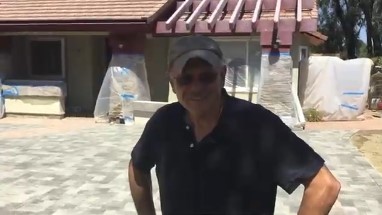
REAL STORIES FROM SATISFIED CUSTOMERS
Talk to an Outdoor Living Contractor in Sparks Today
Whether you’re in Victorian Square, Spanish Springs, Wingfield Springs, D’Andrea, or any neighborhood throughout Sparks, creating an outdoor living space that works with our high desert climate and adds real value to your home requires the right contractor. Our network connects you with experienced professionals who know Sparks inside and out—from navigating the city’s digital permitting system to choosing materials that hold up under intense sun and occasional snow.