
Professional Patio Installation in Sparks, NV
Looking for patio installation in Sparks, NV? Your dream patio is waiting. Let's make it happen. Because every family deserves a backyard they actually want to use — and every hardworking contractor deserves to be found.
Popular Patio Installation Services in Sparks
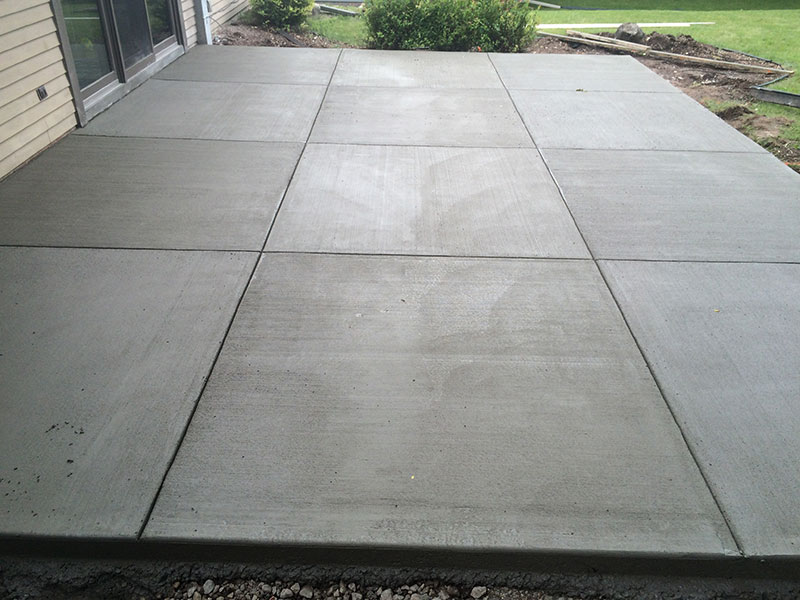
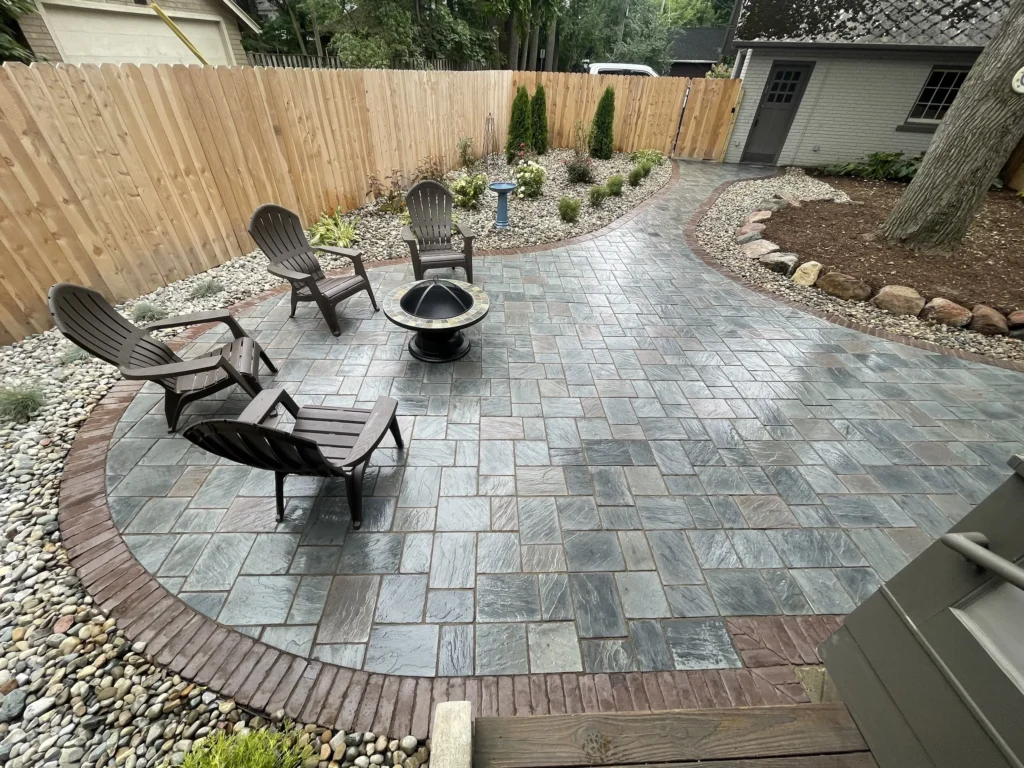
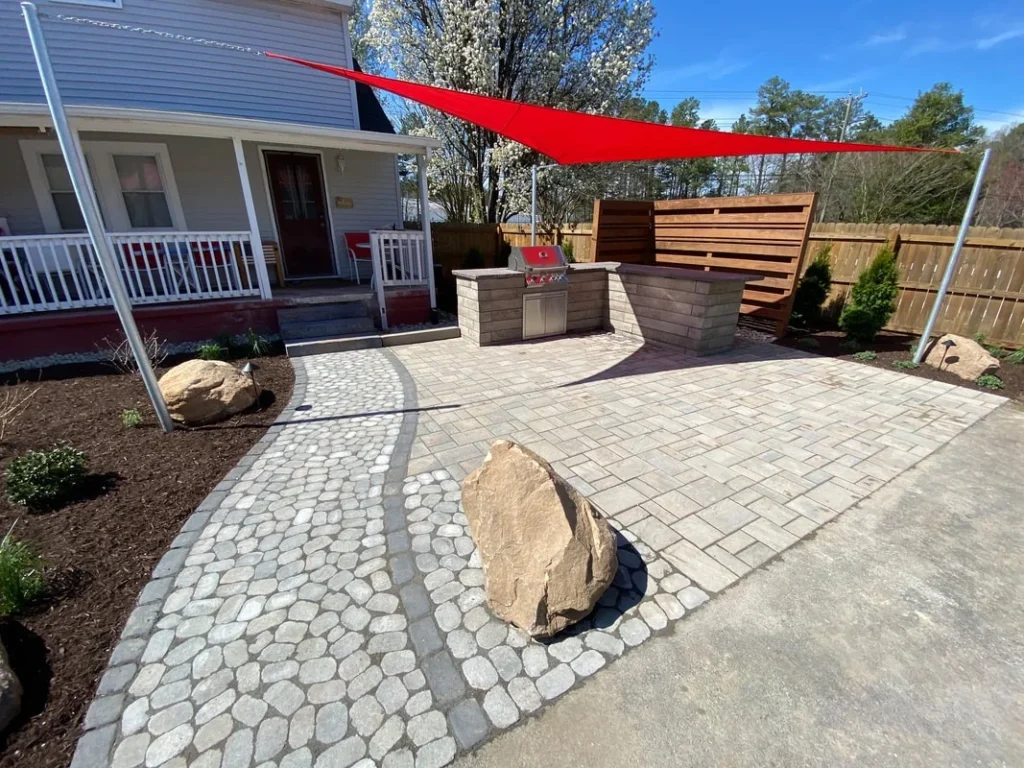
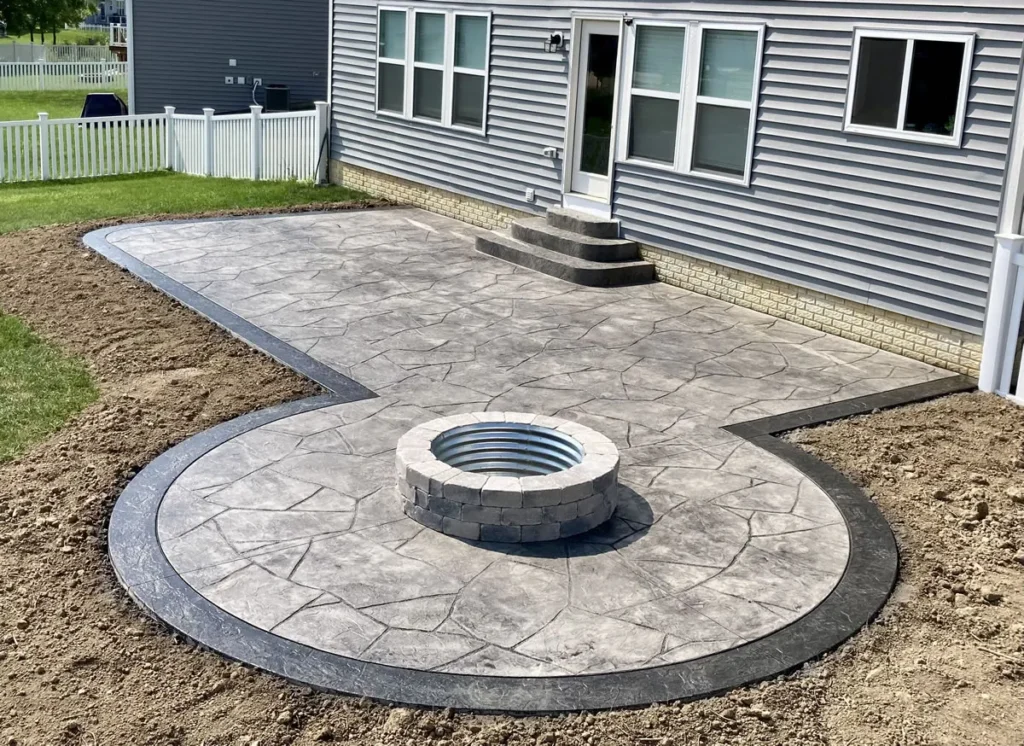
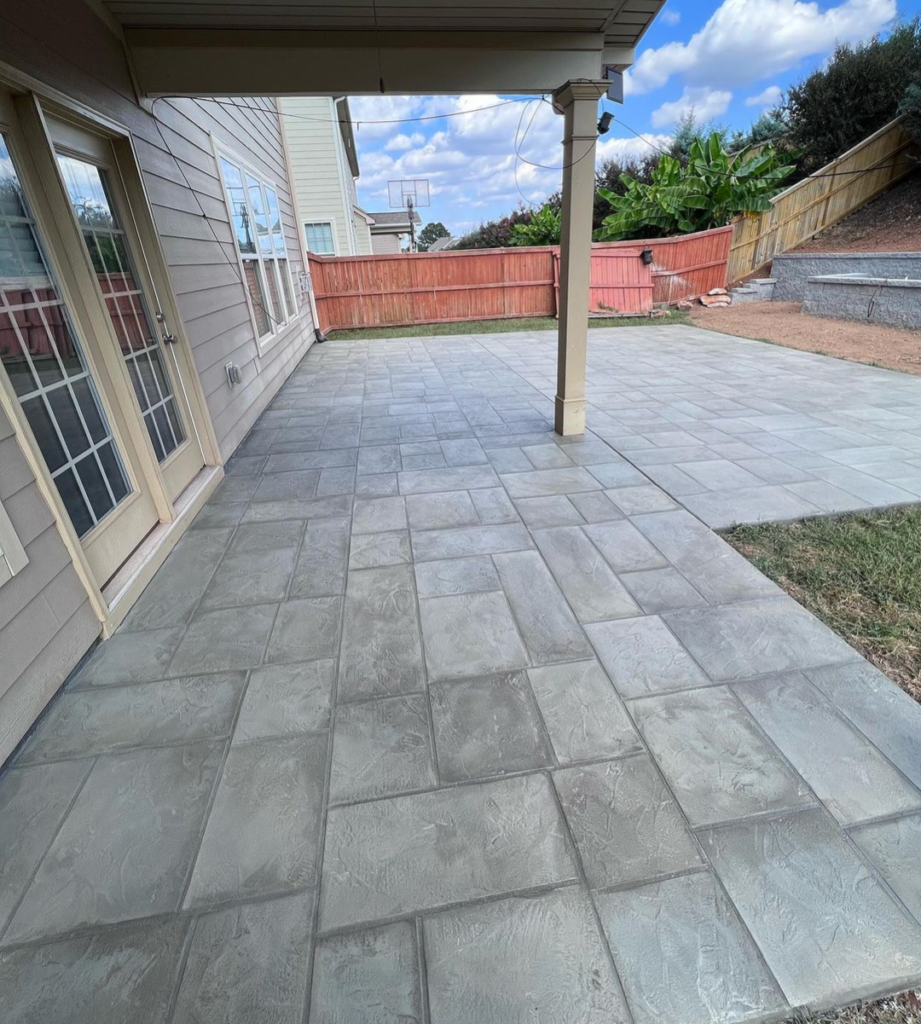
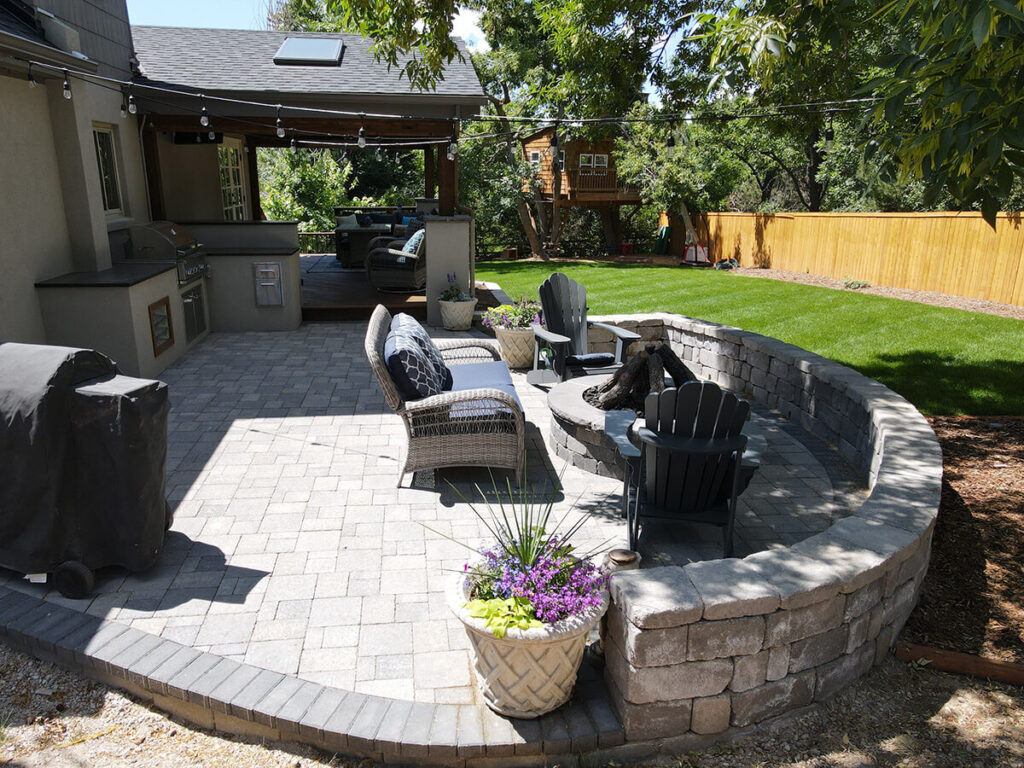
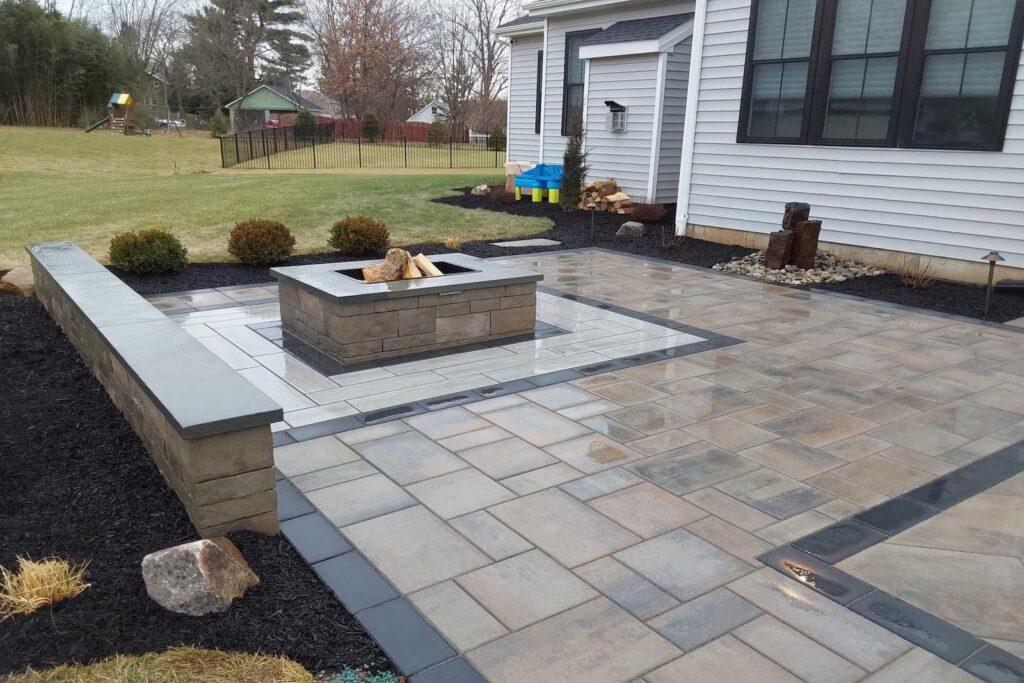
Our Patio Installation Process
1. Initial Consultation & Goals
We discuss your outdoor space goals, preferred materials, budget parameters, and how you plan to use the patio.
2. Site Evaluation
Installers evaluate your yard including soil conditions, drainage patterns, sun exposure, access for equipment, and existing landscaping.
3. Design & Scope Definition
Installers create patio design showing dimensions, material specifications, drainage plan, and integration with existing landscape features.
4. Contractor Matching
We connect you with experienced, insured patio installers. You receive multiple detailed quotes comparing materials, approaches, and pricing.
5. Permits & Construction
If required, installers obtain permits and utility clearances. They schedule work and order materials.
6. Final Inspection & Walkthrough
Installers review completed work, demonstrate proper care and maintenance, and address any questions. You receive guidance on sealing schedules and long-term care.
Patio Installation in Sparks — What Homeowners Should Know
Housing Stock and Construction Patterns
Sparks has experienced significant growth over the past several decades. The median construction year for homes here is 1991, with substantial development occurring during the 1970s, 1990s, and a major growth surge from 2000 to the present. Newer master-planned communities like Kiley Ranch feature contemporary ranch-style homes built from 2015 onward, while neighborhoods closer to downtown include mid-century ranch and split-level homes from the 1970s. This variety means patio projects can range from matching existing concrete slabs to creating completely new outdoor living areas on previously undeveloped lots.
Climate Considerations for Outdoor Projects
Sparks sits in a high desert environment with a cold desert climate. Summer temperatures regularly reach the low 90s, occasionally pushing into the 100s during July and August, while winters bring cold temperatures that often drop below freezing. The area receives only about 8 inches of precipitation annually, with most falling between November and April. Snow is possible, averaging around 19 inches per year, though amounts vary significantly year to year. These conditions require careful material selection and proper drainage design to handle both the occasional heavy winter precipitation and summer heat expansion.
Permitting Requirements
The City of Sparks Building and Safety Division handles all building permits through their online Accela portal. Most patio installations require permits, though specific requirements depend on the project scope. The city transitioned to the 2024 International Building Codes, with plans accepted under either 2018 or 2024 codes through 2025. Contractors must hold both Nevada state licenses and local Sparks business licenses. Plan review timelines vary based on project complexity, but homeowners should expect anywhere from several days for simple projects to several weeks for more involved designs requiring multiple department reviews.
Lot Characteristics and Zoning
Lot sizes in Sparks vary significantly by neighborhood. Newer developments often feature smaller lots with managed HOAs, while older neighborhoods closer to downtown may have larger parcels with fewer restrictions. Many areas include HOA oversight that can affect exterior modifications, material choices, and color palettes. The northern neighborhoods, particularly areas like Kiley Ranch, sit on terrain that slopes upward toward the surrounding mountains, which can affect grading, drainage, and foundation work for patio installations.
Soil and Foundation Considerations
The soil composition in Sparks is predominantly sandy and rocky, typical of high desert environments. This generally provides good drainage but can present challenges during excavation and base preparation. Rocky conditions may require specialized equipment for proper site preparation. The combination of low moisture levels and expansive temperature swings means proper base preparation is critical for long-term patio stability. Contractors familiar with local conditions understand the importance of adequate compaction and appropriate base materials to prevent settling and cracking.
Patio Installation Costs in Sparks
Understanding project costs helps you plan your budget and evaluate contractor estimates effectively. Patio installation pricing in the Sparks area reflects both material choices and the site-specific factors common to high desert construction.
Typical Project Cost Ranges
| Project Type | Size Range | Typical Cost Range |
|---|---|---|
| Basic Concrete Patio | 200-400 sq ft | $3,200 – $8,000 |
| Stamped/Decorative Concrete | 200-400 sq ft | $4,800 – $12,000 |
| Concrete Paver Patio | 200-400 sq ft | $5,000 – $14,400 |
| Natural Stone Patio | 200-400 sq ft | $8,000 – $16,000 |
| Basic Patio Cover Addition | Various | $2,000 – $6,500 |
These ranges represent general guidelines for typical residential projects. Your actual costs will depend on specific site conditions, material selections, design complexity, and current market factors.
Key Factors That Influence Pricing
Material Selection: The type of patio surface you choose significantly impacts overall costs. Basic concrete offers the most affordable option and performs well in Sparks’ climate. Pavers provide more design flexibility and easier future repairs, while natural stone delivers premium aesthetics at higher price points. Each material has different installation requirements that affect labor costs.
Site Preparation Requirements: Rocky soil conditions common in Sparks can increase excavation costs. Properties with sloped terrain may require additional grading, retaining walls, or specialized drainage solutions. Removal of existing surfaces, tree roots, or other obstacles adds to the project scope. Proper base preparation is particularly important in high desert environments to ensure long-term stability.
Design Complexity: Simple rectangular layouts minimize labor and material waste. Curved edges, multiple levels, integrated planters, or custom patterns increase both labor time and material costs. Fire pit integration, built-in seating, or pergola structures add to the overall investment but can significantly enhance functionality.
Access and Logistics: Properties with limited access for equipment or material delivery may incur additional charges. The distance from material suppliers and disposal facilities can affect overall pricing, particularly in developing neighborhoods on the city’s northern edge.
Sparks-Specific Cost Considerations
Climate-Appropriate Materials: The temperature extremes in Sparks favor certain material choices. Concrete must be properly reinforced and finished to handle thermal expansion. Pavers should be rated for freeze-thaw cycles despite our relatively dry climate. Lighter-colored materials help reflect summer heat and create more comfortable outdoor spaces.
HOA Requirements: Many neighborhoods, particularly newer developments, have HOA guidelines that can affect material choices and design options. Some associations require approval before starting exterior projects, which may influence your project timeline. Understanding these requirements upfront helps avoid costly changes during construction.
Seasonal Considerations: While patio installation can occur year-round in Sparks, extreme summer heat or winter freezing conditions can affect concrete curing and installation schedules. Some contractors adjust pricing or availability based on seasonal demand.
The Importance of Detailed Estimates
Professional contractors should provide itemized estimates that clearly separate material costs, labor, site preparation, permits, and any additional features. This transparency helps you understand exactly what you’re paying for and makes it easier to compare proposals from different contractors. Detailed estimates also protect both you and the contractor by establishing clear expectations about the project scope.
What Makes Our Contractor Network Different
Deep Understanding of Local Permitting
Contractors in our network maintain current knowledge of Sparks’ permitting requirements and building codes. They understand the city’s electronic submittal process through the Accela portal and can navigate plan review comments efficiently. This familiarity helps avoid delays caused by incomplete applications or code compliance issues. When regulations change—like the transition to 2024 building codes—our contractors stay informed and ensure projects meet current requirements.
Experience with Regional Housing Styles
From the contemporary ranch-style homes in Kiley Ranch to the mid-century properties near Victorian Square, Sparks features diverse architectural styles. Our contractors understand how to design patios that complement existing home aesthetics rather than clash with them. They consider factors like existing rooflines, material colors, and architectural details when planning outdoor living spaces. This attention to design continuity helps maintain your home’s overall appeal and value.
Climate-Specific Construction Knowledge
Building in Northern Nevada’s high desert environment requires specialized expertise. Our contractors understand proper drainage design to handle occasional heavy precipitation while managing the region’s generally dry conditions. They know which concrete mixes perform best in our temperature extremes and how to prepare bases that remain stable despite seasonal ground movement. Their experience with local conditions translates to patios that look great and last longer.
Established Local Relationships
Contractors who regularly work in Sparks maintain relationships with local material suppliers, equipment providers, and specialized subcontractors. These connections can lead to better material pricing, faster project timelines, and access to quality resources. They also understand local soil conditions, common site challenges, and the most reliable suppliers for climate-appropriate materials.
Ongoing Availability and Accountability
Choosing a local contractor means selecting someone who lives and works in your community. They have reputations to maintain and businesses to protect, which creates natural accountability. If questions arise after project completion, you’re working with someone who remains accessible rather than a distant company that’s moved on to other markets. This local presence provides peace of mind throughout your project and beyond.
Licensed & Insured Contractors Only
Every contractor in the Reno Home Remodel network maintains active Nevada contractor licensing and carries appropriate insurance coverage. We verify licensing status and insurance certificates before making referrals, protecting you from the risks associated with unlicensed work. This verification process gives you confidence that you’re working with legitimate professionals who meet state and local requirements.
Let's Start Your Patio Installation in Sparks!
Imagine having your own outdoor room where you can eat dinner under the stars, host BBQs with friends, or just relax with morning coffee. We connect families with honest, skilled patio contractors who make that dream real.
Need Help?
Frequently Asked Questions About Patio Installation in Sparks
Below are some of the most common questions Our Network get from families about Patio remodel. If you have any other questions contact us!
How long does patio installation take?
Most patios install in 3-7 days depending on size and material. Concrete patios require 3-5 days including curing time. Paver and stone patios typically take 3-7 days. Site preparation, weather, and complexity affect timeline.
What's the best patio material for Sparks?
No single “best” material—choices depend on budget, aesthetic preferences, and priorities. Pavers offer excellent durability and accommodate ground movement. Concrete provides cost-effective durability. Natural stone offers premium appearance. Discuss specific needs with installers.
How long do patios last?
Properly installed patios last decades. Concrete patios: 25-50+ years. Pavers: 30-50+ years with minimal maintenance. Natural stone: 50+ years. Lifespan depends on installation quality, maintenance, and site conditions.
Do patios need maintenance?
Maintenance varies by material. Concrete patios should be resealed every 3-5 years. Paver patios need occasional joint sand replenishment and cleaning. Stone patios benefit from periodic sealing. All patios need occasional cleaning and weed control in joints.
When is the best time to install a patio?
Spring through fall offers ideal conditions in Reno. Summer heat doesn’t prevent installation but affects concrete curing. Winter installation is possible during mild periods but not ideal. Most homeowners install spring or early fall for completion before peak outdoor season.
Talk to a Patio Installer in Sparks
Whether you’re in Kiley Ranch, Victorian Square, Spanish Springs, D’Andrea Ranch, or any other Sparks neighborhood, creating the right outdoor living space starts with the right contractor. Our network includes professionals who understand local conditions, maintain proper licensing, and deliver quality work that enhances your home’s functionality and value.