
Professional Outdoor Kitchen Installation in Carson City, NV
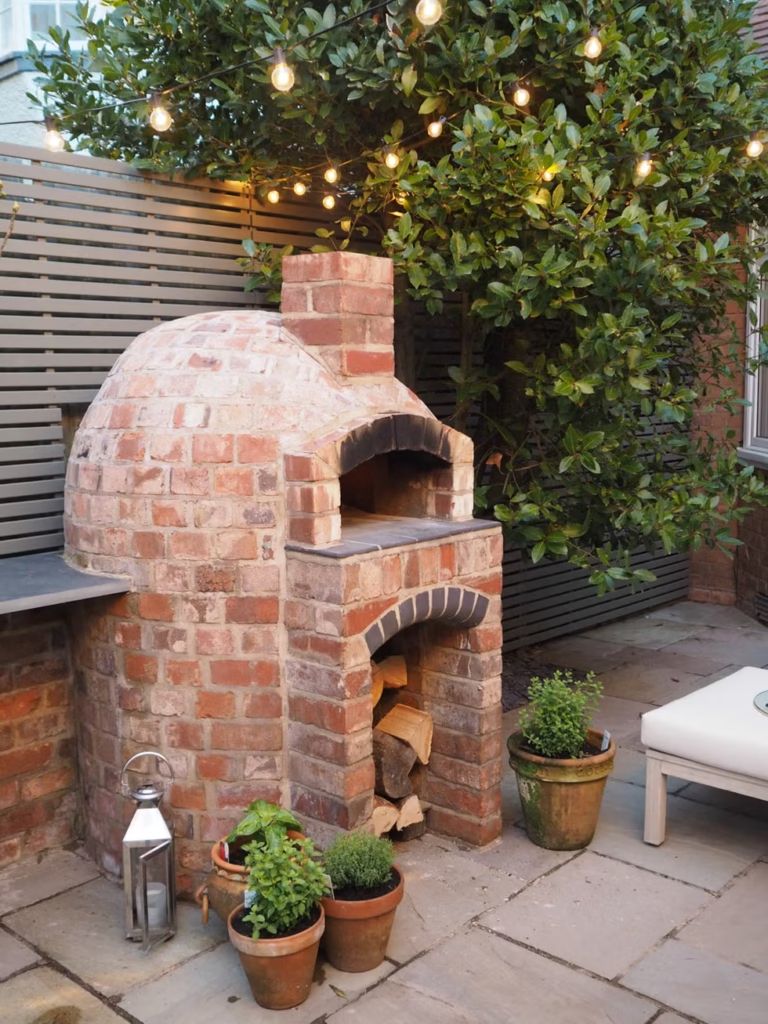
Looking for outdoor kitchen contractor in Carson City? Imagine grilling burgers while chatting with friends, making pizza in your own outdoor oven, or hosting epic backyard parties where you never have to run inside for anything.
Popular Outdoor Kitchen Services in Carson City
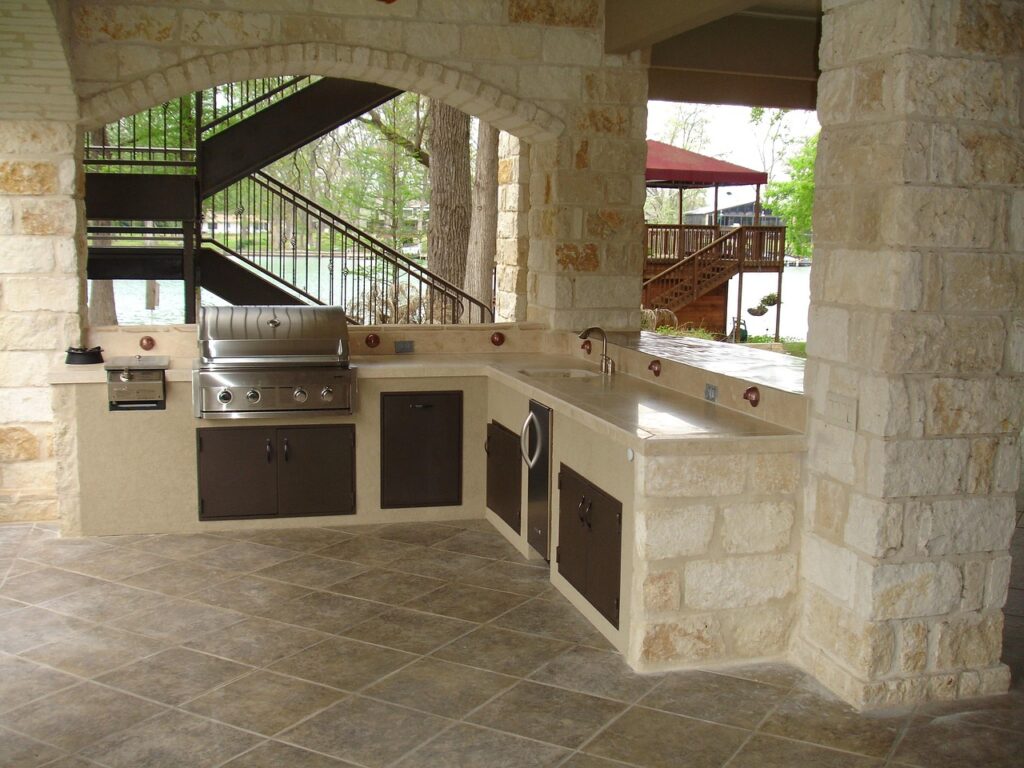
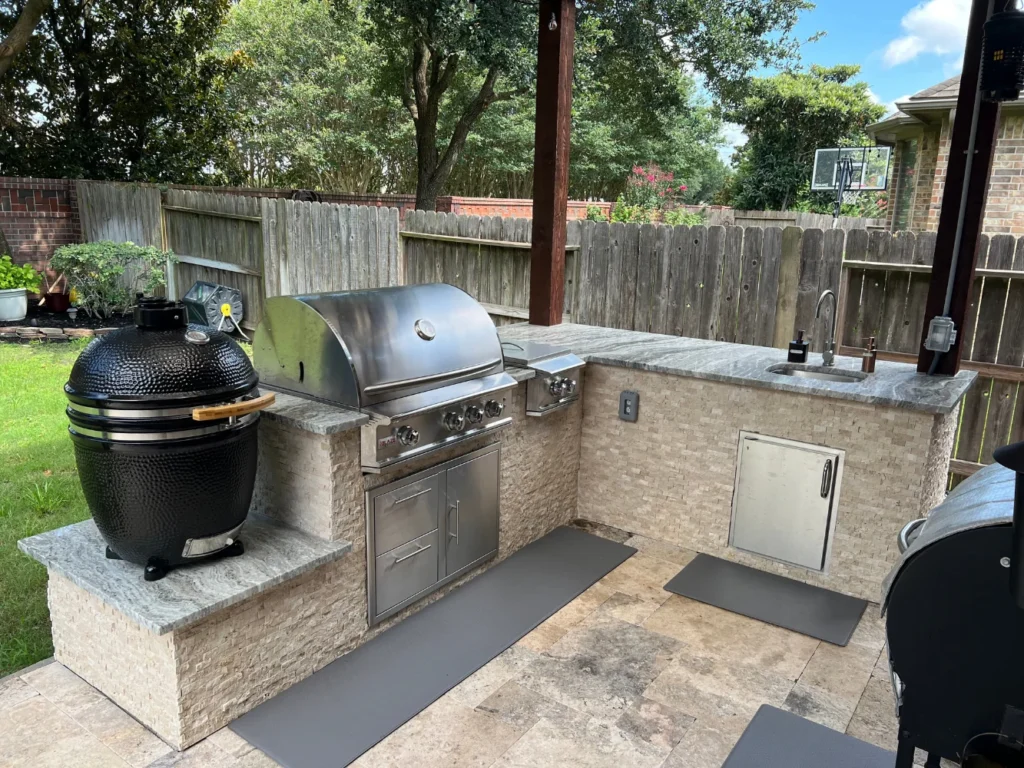
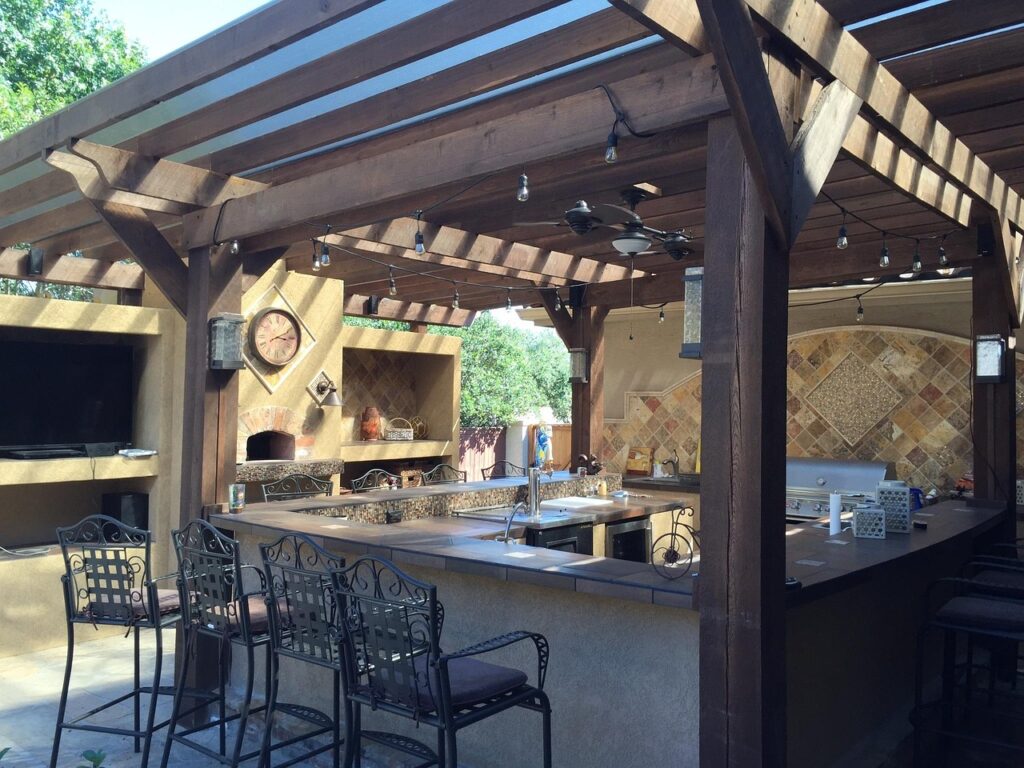
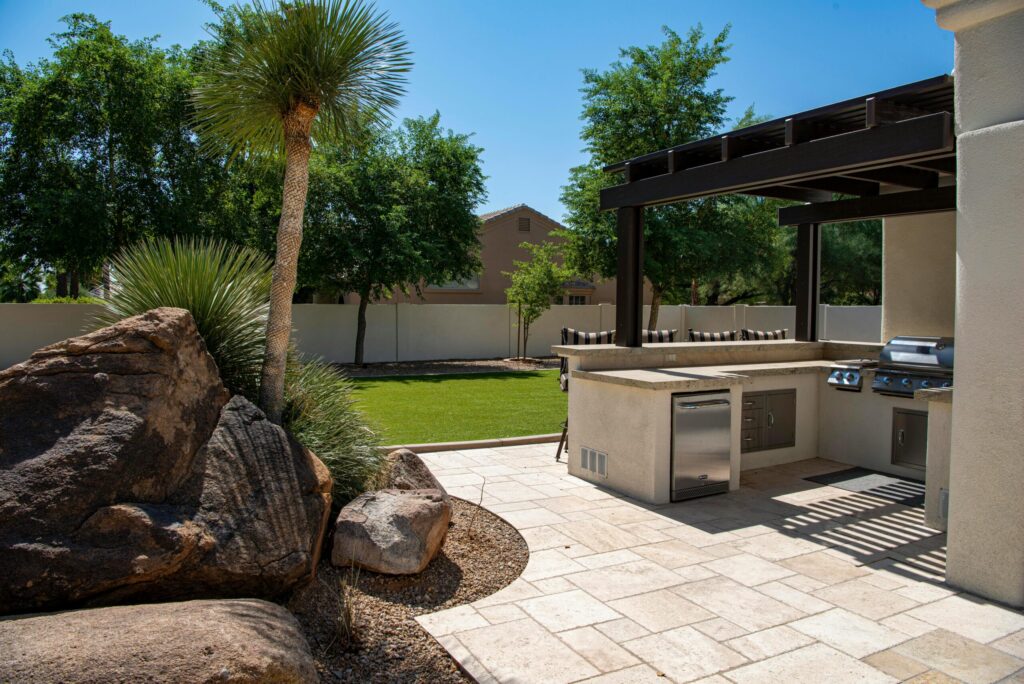
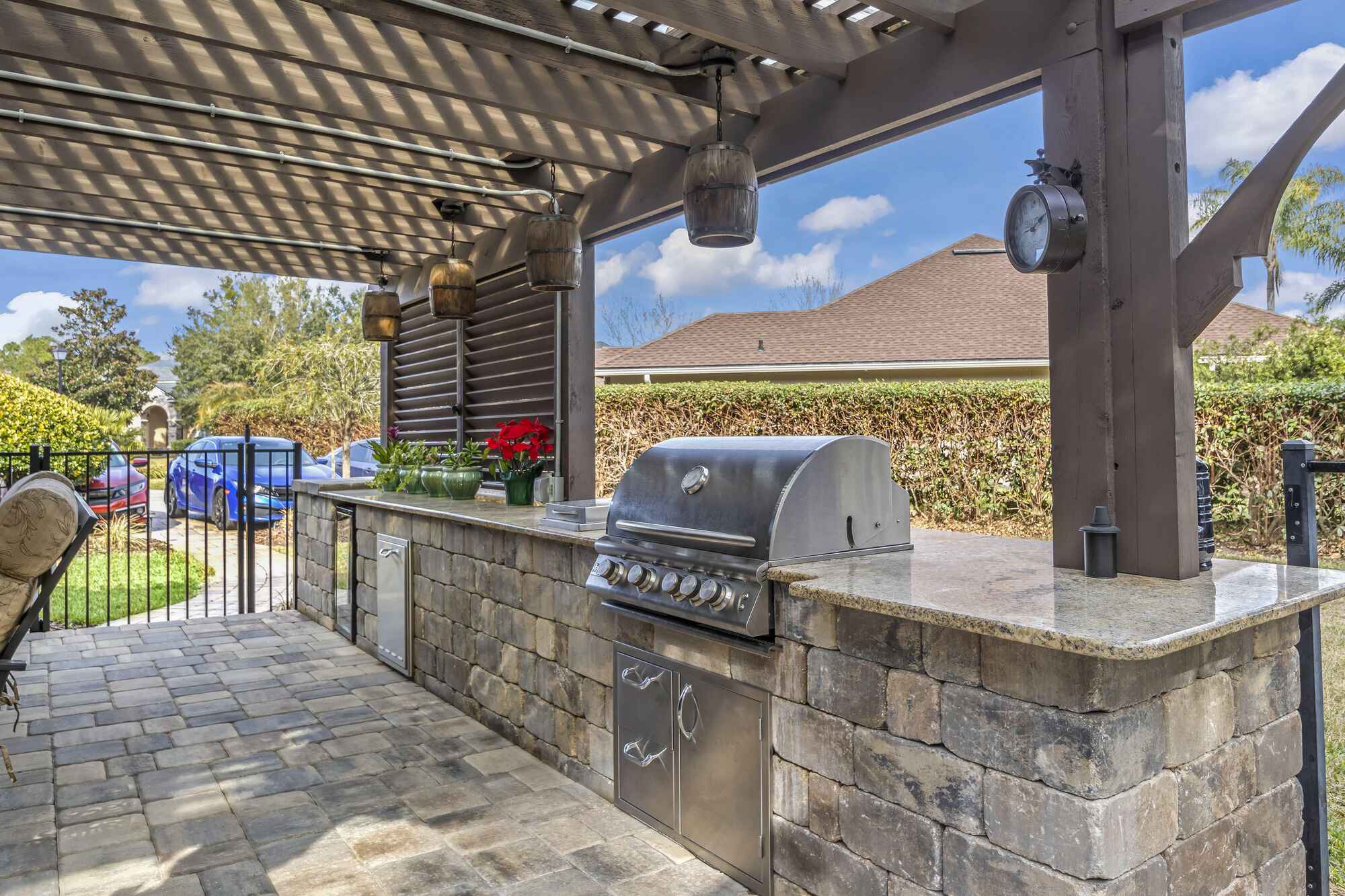
Built-In Grill & BBQ Island Installation
Custom masonry or prefabricated grill enclosures
Our Outdoor Kitchen Project Process
1. Initial Consultation & Goals
We discuss your cooking habits, entertainment needs, budget parameters, and desired features for your outdoor kitchen.
2. Site Evaluation
Contractors assess your yard including existing utilities, access for gas/electric/plumbing, optimal placement considering wind and sun, and structural requirements.
3. Design & Scope Definition
Contractors create detailed plans showing layout, appliance placement, utility routing, material specifications, and integration with existing outdoor spaces.
4. Contractor Matching
We connect you with licensed, insured contractors experienced in outdoor kitchen construction. You review multiple proposals comparing designs, materials, and pricing.
5. Permits & Construction
Your contractor prepares and submits permit applications for building, electrical, gas, and plumbing work. They obtain HOA approval if required.
6. Final Inspection & Walkthrough
All work undergoes required inspections. Your contractor demonstrates appliance operation, provides maintenance guidance, and ensures all systems function properly.
Outdoor Kitchens in Carson City — What Homeowners Should Know
Capital City Character and Housing Mix
Carson City serves as Nevada’s state capital with a population of approximately 58,600, making it the state’s sixth-largest community. The city blends government employment stability with small-town appeal, creating a diverse housing market that attracts families, retirees, and professionals. Residential areas range from historic Victorian homes near the Governor’s Mansion in the West Side neighborhood to modern construction in communities like Schulz Ranch and Silver Oak. Established neighborhoods such as Lakeview, Riverview, and Kings Canyon feature homes primarily built between 1970 and 1999, while City Center includes properties dating to the 1940s alongside newer construction. Indian Hills provides larger lots with rural character, and Empire Ranch offers golf course living. This variety means outdoor kitchen projects need to complement different architectural styles while reflecting Carson City’s blend of historic preservation and contemporary living.
Elevation and Eagle Valley Setting
Carson City sits in Eagle Valley at approximately 4,800 feet elevation on the eastern edge of the Sierra Nevada. The Carson Range mountains provide a dramatic western backdrop, while the city extends eastward toward the Virginia Range. The consolidated municipality includes urban areas in Eagle Valley plus mountain terrain extending west to Lake Tahoe’s shoreline. Most residential neighborhoods occupy the valley floor with relatively level terrain, though foothill areas like Arrowhead and portions of Kings Canyon feature sloped lots. The elevation affects both climate and construction approaches—materials must withstand freeze-thaw cycles, and the thinner air at this altitude influences concrete curing. Understanding your property’s specific location within Eagle Valley, sun exposure patterns, and prevailing wind conditions helps contractors design outdoor kitchens positioned for comfort and functionality.
One-Stop Permit Center Process
Carson City operates a streamlined One-Stop Permit Center at 108 E. Proctor Street for coordinated review of building permits. Applications are submitted through an online portal where reviews from Planning, Fire, Engineering, Health, and Environmental Control occur concurrently. This consolidated approach means you receive one correction letter after all departments have reviewed your submission, rather than sequential reviews. Outdoor kitchen projects involving gas lines, electrical work, plumbing, or structures require building permits with appropriate inspections. The city offers over-the-counter permitting for straightforward projects, typically processed within two business days, while more complex installations require full plan review.
Licensed contractors must maintain both Nevada state licensing and Carson City credentials to pull permits. The online system allows applications 24/7, though the Permit Center is open for assistance weekdays from 8 a.m. to noon and 1 p.m. to 4 p.m. Inspection requests must be emailed to inspections@carsoncity.gov by 4 p.m. the prior business day for next-day inspection, or scheduled through the online portal. Contractors familiar with Carson City’s system navigate applications efficiently and understand what documentation reviewers expect across all departments.
High-Desert Climate Conditions
Carson City experiences a cold semi-arid climate with hot summers and cold winters typical of high-desert valleys. Summer temperatures generally reach around 89°F, occasionally exceeding that mark, while winter lows drop to approximately 22°F with cold periods reaching lower. The city receives about 8 inches of precipitation annually, with most falling between November and March often as snow. Carson City averages roughly 20 inches of snow yearly. The area enjoys approximately 253 sunny days annually with characteristically low humidity year-round.
These conditions significantly affect outdoor kitchen design and construction. Materials must handle both intense summer heat and winter freezing cycles without cracking or deteriorating. Temperature swings between day and night can exceed 40°F, requiring countertop materials that resist thermal expansion. The abundant sunshine creates ideal conditions for outdoor entertaining but demands UV-resistant finishes on appliances and cabinetry. Concrete work performs best during moderate temperatures in spring and fall when curing conditions are optimal. Winter snow and freezing temperatures make cold-weather construction challenging, while summer heat affects both worker comfort and material handling. Plumbing for outdoor sinks requires proper winterization or seasonal disconnection to prevent freeze damage.
Utility Planning and Infrastructure
Most outdoor kitchens require extending gas, electrical, and water services from your home. The distance from your house to the desired kitchen location directly impacts complexity and cost. Natural gas connections for grills and appliances require proper sizing, routing, and inspection by qualified contractors. Some areas of Carson City may have limited or no natural gas service, necessitating propane tank installation and specialized connections. Electrical circuits must be appropriately sized for lighting, outlets, and appliances, with ground fault protection as required by code. Water supply for sinks needs both distribution lines and drainage solutions that comply with plumbing codes.
Carson City’s infrastructure includes municipal water and sewer in most developed areas, though some properties—particularly in outlying neighborhoods like Indian Hills or Arrowhead—may have well water or septic systems requiring different approaches. Site preparation may involve working around existing landscaping, mature trees common in established neighborhoods, or irrigation systems. Properties with any slope require attention to drainage management. Understanding your specific utility configuration and site conditions helps contractors plan installations that integrate seamlessly with existing infrastructure while meeting all code requirements.
Outdoor Kitchen Installation Costs in Carson City
Understanding cost factors helps you budget appropriately for an outdoor kitchen suited to Carson City’s climate and your property characteristics. Prices reflect local market conditions, the requirements of high-desert construction, and the range of options available in Nevada’s capital city.
Typical Project Cost Ranges
| Project Type | Typical Range | Details |
|---|---|---|
| Basic Outdoor Kitchen | $9,500 – $17,000 | Entry-level island, built-in grill, standard features |
| Mid-Range Installation | $18,000 – $34,000 | Quality appliances, refrigeration, sink, ample workspace |
| Comprehensive Setup | $35,000 – $60,000 | Premium appliances, extensive counters, covered structure |
| Luxury Custom Kitchen | $61,000 – $95,000+ | High-end appliances, custom features, complete outdoor room |
These ranges represent complete installations including structure, appliances, utilities, permitting, and professional installation appropriate for Carson City conditions. Actual costs depend on specific choices, site factors, and project scope.
Key Factors That Influence Pricing
Appliance selection represents a substantial budget component. Built-in grills designed for outdoor use range from $2,200 for quality entry models to $11,000 or more for premium professional-grade equipment. Outdoor-rated refrigeration costs $1,000–$4,500 depending on size and features. Additional appliances like side burners, warming drawers, pizza ovens, and ice makers add incrementally. The high-desert climate with significant temperature extremes means selecting appliances rated for wider temperature ranges ensures reliable performance through Carson City’s seasonal variations.
Framework and finishing materials significantly impact total investment. Options range from concrete block with stucco finish at $16–$26 per linear foot to natural stone veneer, custom tile work, or decorative masonry at $65–$150 per linear foot. Countertop selections span tile at $10–$16 per square foot to granite, quartzite, or premium engineered stone at $70–$185 per square foot. The overall size of your kitchen—measured by linear feet of cabinetry and square footage of counter space—directly scales both material and labor costs. Custom features like integrated lighting, heating elements for extended season use, or architectural details add both material and installation expenses.
Site conditions affect pricing in meaningful ways. Distance from your home to the desired kitchen location impacts utility extension costs—longer runs for gas, electric, and water lines increase expenses. Properties without natural gas service require propane tank installation ($400–$2,000) plus specialized connections. Working around existing mature trees in established neighborhoods like Lakeview or Riverview requires careful planning. Properties with any slope in foothill areas need additional attention to foundation work and drainage. Access for material delivery and equipment matters—challenging access adds labor time and cost.
Carson City–Specific Cost Considerations
Carson City’s permit fees are based on project valuation, typically representing 1-2% of construction costs. The One-Stop Permit Center’s coordinated review process streamlines approvals but requires proper documentation meeting standards across Planning, Fire, Engineering, Health, and Environmental Control. Some projects may require engineered plans, adding design costs but ensuring structural integrity and code compliance. The over-the-counter permit option for straightforward projects helps control costs and timelines for simpler installations.
The high-desert climate at 4,800 feet elevation demands materials rated for extreme temperature variations. Freeze-resistant plumbing components, UV-resistant finishes that withstand intense sun exposure, and weather-rated cabinetry cost more than basic alternatives but prevent premature failure. Concrete mixes appropriate for the elevation and climate, properly sealed stone surfaces, and appliances rated for temperature extremes all represent specifications necessary for Carson City conditions rather than unnecessary upgrades.
Labor rates in Carson City reflect Nevada’s construction market and the capital city’s stable economy supported by government employment. General contractors typically charge 20–40% of project value for coordination and labor. Specialty trade contractors for electrical, plumbing, and gas work charge $55–$165 per hour depending on complexity. The city’s location—30 minutes south of Reno—means contractors often serve both markets, with materials typically sourced from Reno-Sparks area suppliers. Delivery to Carson City adds modest transportation costs compared to Reno projects.
Some neighborhoods have homeowner associations with design guidelines affecting outdoor improvements. Areas like Silver Oak, Empire Ranch, and certain sections of Lakeview may require architectural review, adding time to the approval process though typically not significant fees compared to more restrictive communities. These aren’t obstacles but rather community standards that maintain property values and neighborhood character.
Understanding Complete Estimates
Quality contractors provide itemized proposals breaking down framework construction with material specifications, appliance costs by item, countertop materials and installation, utility rough-ins and connections, electrical circuits with outdoor-rated components, gas or propane line installation, plumbing work including winterization provisions, Carson City permit fees, and labor. This transparency allows you to understand your complete investment and make informed decisions about features and materials.
Be cautious of unusually low bids that seem too attractive—they likely don’t account for proper utility connections, adequate structural design for Carson City’s climate, materials rated for high-desert conditions, permit costs, or complete professional installation. Contractors in Reno Home Remodel’s network provide honest assessments reflecting complete, code-compliant installations. If budget is a concern, they can suggest phasing approaches or alternative material selections that maintain quality and durability while adjusting scope.
What Makes Our Contractor Network Different
Carson City Permitting Expertise
Contractors in our network navigate Carson City’s One-Stop Permit Center system regularly through the online portal. They understand submission requirements meeting standards across all reviewing departments—Planning, Fire, Engineering, Health, and Environmental Control. This experience prevents application delays and ensures designs meet coordinated requirements from the start. They know when projects qualify for over-the-counter permits versus full review, helping streamline timelines and manage costs appropriately.
Capital City Neighborhood Knowledge
Whether your home is in Lakeview, Kings Canyon, Silver Oak, Riverview, Indian Hills, City Center, Empire Ranch, the West Side, Arrowhead, Schulz Ranch, or any Carson City neighborhood, contractors understand local characteristics. They’ve worked across the city’s diverse areas and housing styles from historic homes to modern construction. This neighborhood-specific knowledge informs recommendations about kitchen sizing appropriate for your lot, materials that complement your home’s architecture, and placement that works with your property’s characteristics.
High-Desert Valley Climate Expertise
Building outdoor kitchens at Carson City’s elevation with its climate extremes requires specialized understanding. Our contractors know proper material selection for freeze-thaw cycles and significant temperature swings, construction techniques for high-desert conditions, concrete installation approaches appropriate for the elevation, drainage solutions for Eagle Valley’s terrain, and appliance specifications for Carson City’s temperature range. They understand which materials perform reliably through summer heat exceeding 90°F and winter cold dropping below freezing, ensuring installations that deliver long-term durability.
Utility Connection and Code Compliance
Extending gas, electrical, and water services safely and legally requires understanding Nevada codes and Carson City requirements. Contractors in our network handle these connections routinely. They properly size gas lines for multiple appliances or coordinate propane installations where natural gas isn’t available, install electrical systems meeting code with proper outdoor-rated protection, route plumbing with winterization provisions to prevent freeze damage, and schedule inspections efficiently through Carson City’s system. This expertise ensures your outdoor kitchen operates safely and passes all required inspections.
Understanding Carson City’s Lifestyle
Nevada’s capital city offers a unique blend of government employment stability, outdoor recreation access, and small-town community feel despite being the state’s sixth-largest city. Experienced contractors understand how to design outdoor kitchens that reflect this lifestyle—spaces for entertaining that take advantage of 253 sunny days annually while accommodating seasonal weather variations. They can recommend features like covered structures for sun protection, heating elements for shoulder season use, and layouts that maximize usability throughout Carson City’s outdoor living months.
Established Regional Supplier Relationships
Contractors with experience throughout the Carson City-Reno corridor have developed relationships with area suppliers and appliance distributors. These connections provide access to quality products at competitive pricing, materials appropriate for high-desert mountain conditions, coordination of delivery to Carson City from Reno suppliers, and support when specialty items are needed. When you’re selecting appliances or materials, experienced contractors guide you toward options that balance quality, local climate performance, and value.
Licensed & Insured Contractors Only
Every contractor in Reno Home Remodel’s network maintains active Nevada state licensing and current Carson City credentials. They carry appropriate liability insurance and workers’ compensation coverage. We verify these credentials before making referrals, ensuring you work with professionals qualified to pull permits in Carson City and perform work meeting Nevada’s construction standards. This vetting protects you from liability issues and provides accountability in Carson City’s close-knit community.
Build Your Dream Outdoor Kitchen in Carson City Today!
Let’s chat about your ideas! Getting started is easy – simply reach out with details about your Outdoor Kitchen project, and we’ll connect you with qualified, licensed contractors.
Need Help?
Frequently Asked Questions About Outdoor Kitchen in Carson City
Below are some of the most common questions Our Network get from families about Outdoor Kitchen. If you have any other questions contact us!
How long does outdoor kitchen construction take?
Most outdoor kitchens take 4-8 weeks from permit to completion. Basic grill islands: 3-5 weeks. Complete kitchens with multiple utilities: 6-10 weeks. Design, permitting, and material lead times add time before construction begins.
Can I use my outdoor kitchen year-round in Carson City?
Many homeowners use outdoor kitchens year-round. Weather-resistant materials and appliances handle winter conditions. Some features like refrigerators may need winterization during extended cold periods. Covered outdoor kitchens with heating extend comfortable usage.
What appliances should be in an outdoor kitchen?
Minimum functional outdoor kitchen includes built-in grill and counter space. Popular additions include side burners, refrigerator, sink, storage cabinets, and warming drawers. Your cooking style and entertainment needs determine optimal appliance selection.
What maintenance do outdoor kitchens require?
Regular cleaning of appliances and surfaces. Stainless steel requires periodic cleaning with appropriate products. Stone countertops need resealing every 1-3 years. Gas connections should be inspected annually. Cover or winterize sensitive appliances during extended cold periods.
Talk to an Outdoor Kitchen Contractor in Carson City
Whether you’re in Lakeview, Kings Canyon, Silver Oak, Riverview, Indian Hills, City Center, Empire Ranch, the West Side, Arrowhead, Schulz Ranch, or any Carson City neighborhood, creating the right outdoor living space starts with contractors who understand both your vision and the capital city’s characteristics. The professionals in our network combine design expertise with technical knowledge of Carson City’s One-Stop Permit Center process, high-desert climate, and construction appropriate for Eagle Valley’s setting.