
Professional Fence Installation in South Reno, NV
Looking for fence installation in South Reno who show up on time, do quality work, and charge fair prices? You've found the right place. We work with licensed, insured professionals who deliver quality fence installations.
Popular Fencing Installation Services in South Reno
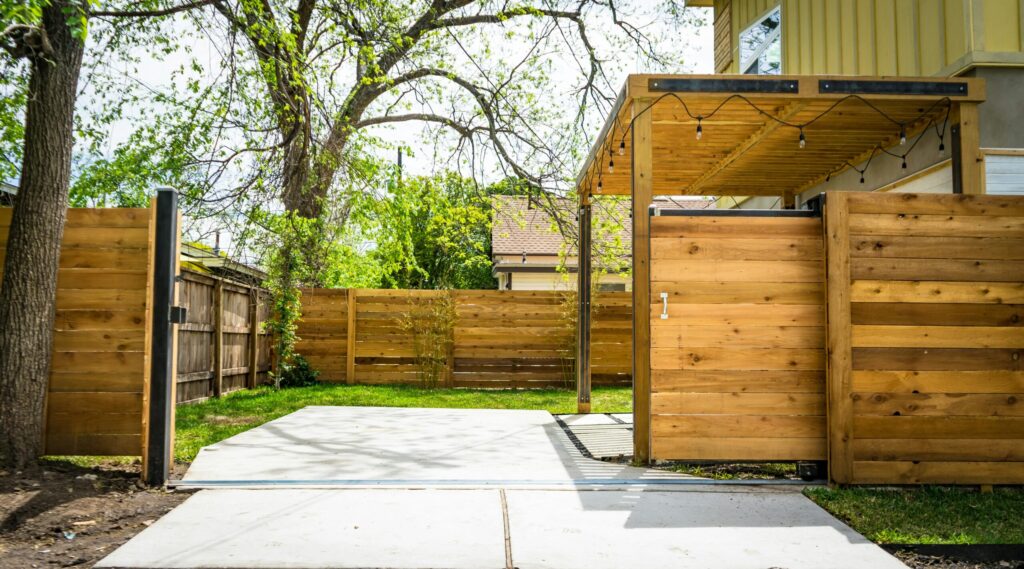
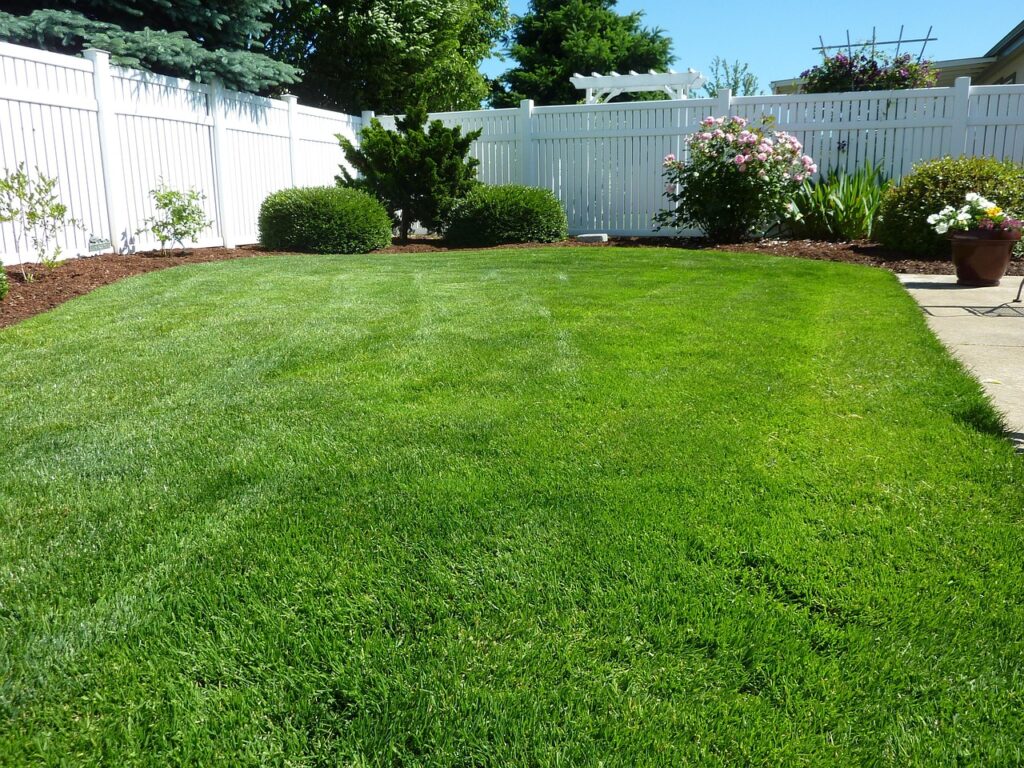
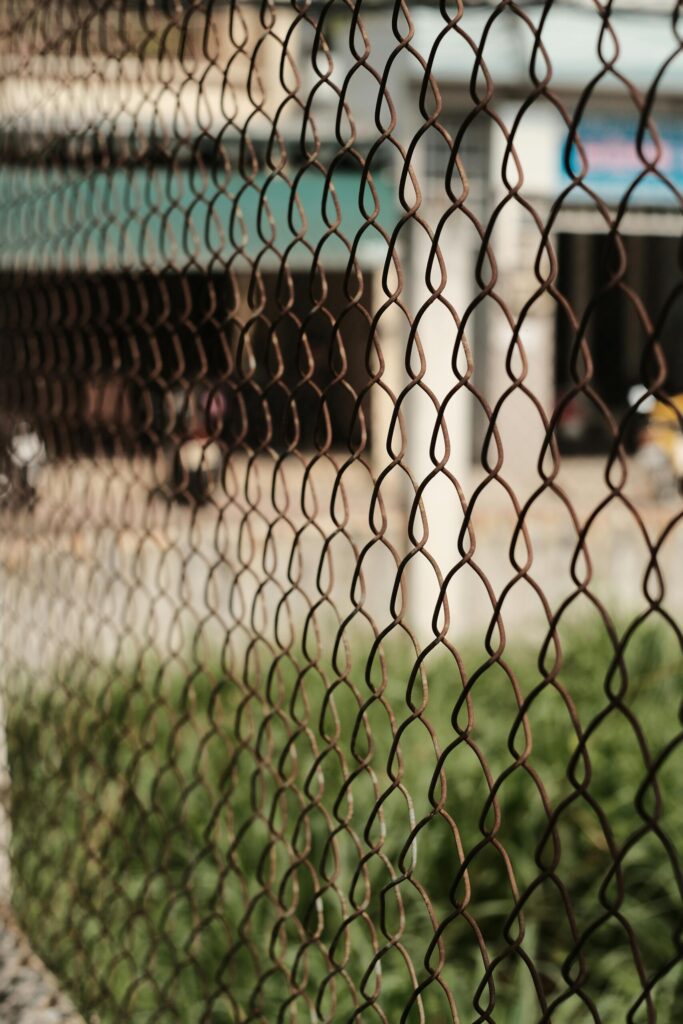
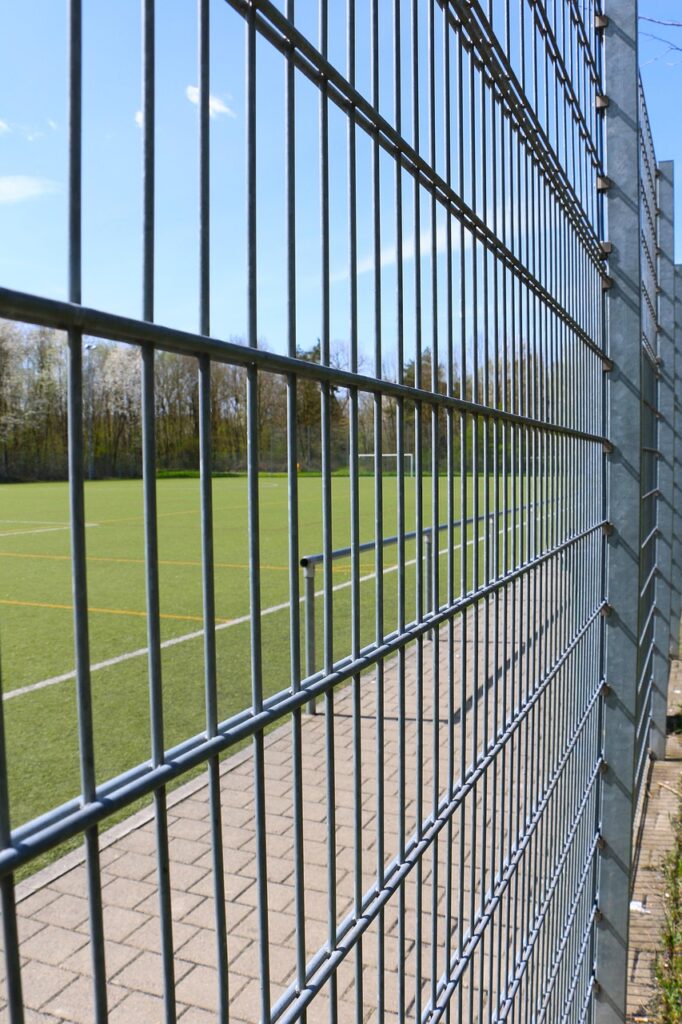
Our Fence Installation Process
1. Initial Consultation & Goals
We discuss your fencing needs including privacy requirements, property boundaries, preferred materials, and budget parameters.
2. Site Evaluation
Installers visit your property to measure fence line, assess soil conditions, identify obstacles, verify property lines, and check access for equipment.
3. Design & Scope Definition
Installers provide fence design options, material recommendations for Reno's climate, gate placement suggestions, and detailed cost estimates.
4. Contractor Matching
We connect you with experienced, insured fencing installers. You receive multiple detailed quotes comparing materials, approaches, and pricing.
5. Permits & Construction
Work proceeds systematically:Property line verification and layout marking, Post hole excavation, Post setting in concrete, Rail and panel installation, Gate installation and adjustment, Final cleanup.Most residential fence installations complete in 1-3 days depending on length and complexity.
6. Final Inspection & Walkthrough
Installers review completed fence, demonstrate gate operation, provide maintenance guidance specific to your material, and address any questions.
Fence Installation in South Reno — What Homeowners Should Know
Housing Stock and Neighborhood Character
South Reno represents one of the region’s most diverse and rapidly growing areas, stretching from the foothills of the Sierra Nevada along Mount Rose Highway down to Southeast Reno near the Virginia Foothills. The area encompasses a wide range of communities, each with distinct characteristics. Established neighborhoods like Caughlin Ranch and Lakeridge feature homes primarily from the 1980s and 1990s with mature landscaping, tree-lined streets, and well-established lot boundaries. Newer master-planned communities such as Damonte Ranch, Double Diamond, and communities along Geiger Grade offer contemporary construction from the 2000s forward, often with modern open-concept designs and current building standards. Higher-elevation communities like ArrowCreek, Callahan Ranch, Galena Forest, and Montreux feature larger custom homes on significant lots with dramatic mountain views. This variety means fence projects can range from replacing aging fencing in mature neighborhoods to initial installations in newer subdivisions.
Lot Configurations and Terrain Challenges
South Reno properties vary considerably in size and topography. Established neighborhoods closer to McCarran Boulevard typically feature quarter-acre to half-acre lots with moderate slopes, while communities extending toward the foothills often sit on larger parcels with more dramatic elevation changes. Properties along Mount Rose Highway and in communities like ArrowCreek can have steep slopes, natural drainage patterns, and rocky terrain that significantly affect fence installation complexity. Neighborhoods built into hillsides may require stepped fence designs, additional grading, or specialized foundation work to maintain structural integrity across elevation changes. Contractors experienced in South Reno understand these terrain challenges and can recommend appropriate fence designs that work with, rather than against, natural contours.
HOA Requirements and Architectural Review
Most South Reno master-planned communities operate under homeowners associations with active architectural review committees. Communities like Damonte Ranch, Double Diamond, ArrowCreek, Caughlin Ranch, and Somersett maintain specific design guidelines that typically cover fence materials, height, color, placement, and style. HOAs commonly require pre-approval before permit application, and some associations charge review fees or mandate specific materials that align with community aesthetics. Review timelines can range from a few weeks to two months depending on the HOA’s meeting schedule and application volume. Contractors familiar with South Reno know which communities have strict design requirements and factor these approval processes into project timelines. Some HOAs also restrict fence installation in front yards or require particular setbacks from property lines, which affects overall project planning.
Permitting Through the City of Reno
South Reno properties fall within City of Reno jurisdiction, with building permits handled through the City’s Development Services Department. The permit process uses the OneNV.us online portal for application submission. City code generally allows residential fences up to six feet in height in rear and side yards, though front yard fences face more restrictive height limits. Fences exceeding certain heights or those within front yard setbacks require permits and may need additional review. The city requires site plans showing property lines, setbacks, easements, and fence placement. Contractors experienced with Reno’s permit process understand documentation requirements and typical review timelines, which helps keep projects moving forward without delays. Properties in hillside areas or near drainage easements may face additional scrutiny during permit review to ensure fence placement doesn’t interfere with water management.
Climate Conditions and Material Performance
South Reno shares the Truckee Meadows’ high desert climate but experiences additional variation based on elevation. Lower-elevation neighborhoods see hot, dry summers with temperatures regularly in the 90s and cold winters with periodic freezing and snow. Higher-elevation communities along Mount Rose Highway experience cooler summer temperatures but significantly more winter snow and longer freezing periods. The area receives roughly 8 inches of annual precipitation, mostly as winter snow in higher areas and occasional summer thunderstorms. These conditions affect fence material selection significantly. Wood fences require UV-resistant finishes to prevent cracking under intense sun and freeze-thaw damage in winter. Vinyl and composite materials must accommodate thermal expansion across wide temperature swings, particularly important in exposed foothill locations. Metal fencing needs quality protective coatings to resist fading and corrosion. Properties at higher elevations face increased snow loading on horizontal fence elements and may require reinforced designs.
Soil Composition and Foundation Considerations
South Reno soils present real challenges for fence installation. The area features predominantly clay soils with varying levels of compaction, areas of rocky substrate from volcanic activity and alluvial deposits, and the presence of caliche—hardened calcium carbonate layers that can form several feet below the surface. Properties east of South Virginia Street toward the foothills can encounter sodium-affected clay that becomes extremely hard and difficult to work. Caliche presents particular challenges because it’s cement-like and difficult to penetrate with standard equipment. Some properties also feature decomposed granite or rocky layers that require specialized drilling equipment. Proper fence installation requires setting posts below the frost line, typically around 24 inches in the Reno area, with concrete footings providing the most stable foundation. Hillside properties may also require deeper posts or engineered footings to resist soil movement and erosion. Contractors experienced in South Reno come prepared with equipment capable of handling these varied soil conditions and adjust their approach based on site-specific challenges.
Fence Installation Costs in South Reno
Typical Project Cost Ranges
Fence installation pricing in South Reno reflects the area’s mix of property types and the technical challenges of local terrain and soil conditions. The following ranges represent typical installed costs for residential projects:
| Fence Type | Cost per Linear Foot | Typical 150 LF Project |
|---|---|---|
| Chain Link (4-6 ft) | $8 – $18 | $1,200 – $2,700 |
| Wood Privacy (6 ft) | $15 – $35 | $2,250 – $5,250 |
| Vinyl Privacy (6 ft) | $20 – $40 | $3,000 – $6,000 |
| Composite (6 ft) | $25 – $45 | $3,750 – $6,750 |
| Ornamental Metal (4-6 ft) | $25 – $50 | $3,750 – $7,500 |
| Wrought Iron Style | $30 – $100+ | $4,500 – $15,000+ |
These ranges assume straightforward installations on relatively flat, accessible lots. Properties with slopes, difficult soil conditions, or challenging access can see costs increase 20-40% or more depending on site-specific factors.
Key Factors That Influence Pricing
Terrain and Slope Management: Properties on hillsides or with significant elevation changes require stepped fence designs, additional grading, or specialized foundation work. Fencing across slopes requires more precise engineering, often uses more materials to maintain consistent height, and takes significantly more installation time. Properties with moderate slopes may see 15-25% higher costs, while steep hillside properties can see increases of 30-50% compared to flat lots.
Soil Conditions and Excavation Requirements: Properties with caliche layers, heavy clay, or rocky substrate require more time and specialized equipment for post hole excavation. Standard augers often can’t penetrate caliche or heavily compacted clay, necessitating hydraulic drills or jackhammers in extreme cases. Rocky areas may require multiple attempts to find suitable post locations or specialized concrete work around existing rock. These factors can add $5-$15 per linear foot to installation costs compared to properties with easier soil conditions.
HOA Compliance and Material Specifications: Master-planned communities often require specific fence materials or finishes that cost more than standard alternatives. Premium vinyl products with particular color matches, upgraded ornamental metal with specific powder coating, or custom wood designs that meet architectural guidelines all carry higher material costs. Some HOAs also charge architectural review fees separate from permit costs, typically $100-$500 depending on the community.
Access and Staging Challenges: Hillside properties or homes in dense developments may have limited equipment access or require hand-carrying materials to fence lines. Properties where vehicles can’t reach installation areas see increased labor costs. Conversely, properties with easy access and flat, open yards may see lower labor charges.
Gate Requirements and Automation: Standard pedestrian gates start around $150-$400 installed, while double-drive gates range from $600-$2,500+ depending on width and materials. Properties requiring automated gate systems for driveways can add $1,500-$5,000+ depending on opener type, power requirements, and access control features. Higher-end communities often install automated gates for both security and convenience.
Material Selection for Climate and Aesthetics: South Reno’s varied climate and upscale neighborhoods often drive material choices toward premium options. Western red cedar costs more than standard pine but performs better in UV exposure and temperature extremes. Commercial-grade vinyl with extended warranties and UV resistance costs more than builder-grade options. Custom ornamental metal with specific finishes to match home exteriors adds to project cost but maintains property values in premium neighborhoods.
South Reno-Specific Cost Considerations
Permit and Review Fees: City of Reno building permits are based on project valuation and represent a relatively small percentage of total costs. However, HOA architectural review fees, which vary by community, add to overall project expenses and should be factored into budgets.
Property Survey Requirements: Hillside properties or lots with unclear boundaries may require professional surveys before fence installation, particularly for fences built on property lines. Survey costs typically range from $400-$1,200 but prevent costly disputes or fence removal requirements later.
Snow Loading and Wind Considerations: Properties at higher elevations require fence designs that account for snow accumulation and wind exposure. Closer post spacing, heavier structural elements, or reinforced gates add material costs but prevent premature failure in demanding conditions.
View Preservation: Some South Reno properties feature significant mountain or valley views that add substantial value. Homeowners often request fence designs that provide privacy while maintaining sightlines—such as horizontal slat designs, semi-transparent materials, or lower fence heights with strategic placement. These custom approaches can cost more than standard privacy fencing but preserve what makes South Reno properties valuable.
Transparent, Itemized Estimates
Quality contractors provide detailed written estimates separating material costs, labor, permit fees, site preparation work, and any additional requirements like old fence removal or specialized foundation work for challenging terrain. This transparency allows homeowners to understand project costs and make informed decisions about materials or design modifications. Be cautious of unusually low bids—they may reflect unlicensed contractors, substandard materials, plans to skip required permits, or failure to account for South Reno’s soil and terrain challenges. The contractors in Reno Home Remodel’s network provide clear, professional estimates that reflect realistic costs for quality work that lasts.
What Makes Our Contractor Network Different
Local Permitting and HOA Expertise
Contractors in our network work regularly with both the City of Reno’s Development Services Department and the various HOA architectural review committees throughout South Reno. They understand the OneNV.us online permit system, know what documentation the city requires, and can navigate the specific requirements of different master-planned communities. They’ve worked with Damonte Ranch’s architectural committee, understand Caughlin Ranch’s design standards, know ArrowCreek’s submission process, and are familiar with requirements across South Reno’s diverse neighborhoods. This familiarity prevents delays caused by incomplete applications, rejected plans, or designs that don’t meet HOA standards. Experienced contractors also understand when properties might need professional surveys or additional engineering review for hillside installations.
Understanding of South Reno Property Types
A contractor who regularly works in South Reno recognizes the differences between installing fencing on a flat lot in Double Diamond versus a sloped property in Galena Forest or an established yard in Lakeridge. They understand that newer subdivisions may have minimal landscaping and easy access, while mature neighborhoods feature established trees, irrigation systems, and underground utilities that require careful navigation. They know that properties near Mount Rose Highway face more extreme weather than valley-floor homes and design installations accordingly. This experience means they can recommend appropriate solutions without requiring extensive explanation from homeowners about their property’s unique characteristics.
Terrain and Soil Management Experience
South Reno’s varied topography and challenging soils require contractors who come prepared with appropriate equipment and experience. Contractors familiar with the area bring hydraulic augers capable of penetrating caliche and compacted clay, understand when to recommend professional excavation services, and know how to design stepped fences that work with hillside contours rather than fighting them. They’ve encountered the sodium-affected clay along the eastern foothills, dealt with rocky volcanic substrate, and worked around natural drainage patterns. This experience prevents situations where contractors arrive unprepared and either abandon projects or charge substantial unexpected fees for soil challenges they should have anticipated.
Climate-Appropriate Construction Methods
Northern Nevada’s temperature extremes, UV exposure, and varied precipitation patterns require specific construction approaches. Contractors experienced in South Reno set posts deep enough to reach below the frost line, use concrete formulations appropriate for freeze-thaw cycles, and select hardware that won’t corrode or fail under weather stress. They understand how elevation affects weather exposure and design accordingly—fences at higher elevations need reinforcement for snow loading and wind that lower-elevation properties don’t face. They know which wood treatments hold up best in intense sun, which vinyl products remain flexible in cold weather, and how to design drainage around fence lines to prevent frost heaving and erosion on sloped properties.
Quality Standards for Premium Neighborhoods
Many South Reno communities maintain high property values and expect quality workmanship that reflects neighborhood standards. Contractors who regularly work in areas like ArrowCreek, Caughlin Ranch, or Montreux understand these expectations and deliver installations with attention to detail, clean finishing work, and materials that match the quality of surrounding properties. They understand that in premium neighborhoods, fence installation isn’t just about function—it’s about maintaining property aesthetics and values. This means taking extra care with post alignment, ensuring gates operate smoothly, and completing installations that look professionally executed rather than rushed.
Established Local Relationships
Contractors who build their businesses in South Reno maintain relationships with local building supply yards, specialty fence distributors, and HOA management companies. These connections often mean better material pricing, faster access to specialty products, and the ability to resolve issues quickly when they arise. When HOA questions come up about materials or design, established contractors often have direct relationships with architectural review coordinators that help expedite approvals. When material delays occur, supplier relationships help contractors find alternatives or prioritize deliveries to keep projects on schedule.
Licensed & Insured Contractors Only
Every contractor in Reno Home Remodel’s network holds active Nevada state licensing and carries appropriate general liability insurance and workers’ compensation coverage. We verify these credentials before making referrals because homeowner protection depends on working with properly licensed and insured professionals. Licensed contractors have demonstrated required competency through Nevada’s examination and experience requirements. Insurance protects homeowners from liability if workers are injured on property and covers damage that might occur during construction. In South Reno’s premium neighborhoods where property values are substantial, working with properly credentialed contractors is essential. The cost difference between licensed and unlicensed contractors often appears significant in initial bids, but the risk of hiring uninsured, unlicensed workers can result in far greater expense if problems occur or if HOAs reject work that doesn’t meet standards.
Let's Start Your Fencing Installation in South Reno!
Let’s chat about your ideas! Getting started is easy – simply reach out with details about your flooring project, and we’ll connect you with qualified, licensed flooring contractors.
Need Help?
Frequently Asked Questions About Fencing Installation in South Reno
Below are some of the most common questions Our Network get from families about Fencing installation. If you have any other questions contact us!
How long does fence installation take?
Most residential fence installations complete in 1-3 days. Simple straight runs: 1-2 days. Fences with slopes, curves, or multiple gates: 2-4 days. Very long fences or complex terrain may take longer. Weather and permit delays can extend timelines.
What's the best fence material for South Reno?
No single “best” material—choices depend on budget, maintenance preferences, and purpose. Vinyl offers low maintenance. Cedar provides natural beauty with moderate maintenance. Chain link is economical and durable. Composite requires minimal maintenance. Discuss specific needs with installers.
How long do fences last?
Lifespan varies by material and maintenance. Pressure-treated wood: 15-20 years with maintenance. Cedar: 20-25 years. Vinyl: 20-30 years. Chain link: 20-30+ years. Ornamental metal: 30-50+ years with care. Proper installation and maintenance significantly impact longevity.
Can I install a fence on the property line?
Generally yes, but verify exact property boundaries first. Survey recommended if boundaries uncertain. Some areas require setbacks from property lines. Check for easements that may restrict fence placement. Good practice to communicate plans with neighbors.
How deep should fence posts be?
Minimum 24 inches deep in Reno, deeper for taller fences or challenging soil conditions. Standard recommendation: bury one-third of post length. Six-foot fence requires posts buried 2-3 feet. Eight-foot fence requires 3+ feet depth. Installers adjust based on soil and wind exposure.
Talk to a Fence Installer in South Reno Today
Whether you’re in Damonte Ranch planning a backyard enclosure, in Caughlin Ranch replacing aging fencing, in Double Diamond adding privacy to a new home, in ArrowCreek working around steep terrain and dramatic views, or in any of South Reno’s diverse communities from Lakeridge to Callahan Ranch, finding the right contractor makes the difference between a fence that enhances your property and one that creates ongoing problems. The professionals in Reno Home Remodel’s network understand South Reno’s varied neighborhoods, navigate both city permitting and HOA requirements efficiently, handle challenging terrain and soil conditions, and build fences designed for Northern Nevada’s demanding climate.