Professional Home Addition Contractors In Lemmon Valley, NV
Looking for home addition contractors in Lemmon Valley, NV? We work with licensed, insured professionals who deliver quality construction and handle every aspect of your addition from design through final inspection.
Popular Home Addition Services in Lemmon Valley
Our Home Addition Process
1. Initial Consultation & Planning
We discuss your needs, budget, property constraints, and vision for the addition. This conversation helps identify suitable contractors for your specific project.
2. Property and Feasibility Assessment
Contractors evaluate your property, existing structure, zoning constraints, and lot coverage. They identify any challenges and determine feasibility for your planned addition.
3. Design Development
Contractors or their design partners create detailed plans showing layout, elevations, structural details, and material specifications. Designs integrate with your existing home's architecture and meet building codes.
4. Contractor Matching
We connect you with licensed, insured contractors experienced in projects similar to yours. You receive multiple consultations to compare approaches, timelines, and pricing.
5. Permits and Approvals
Your contractor prepares permit applications, submits plans to the building department, and obtains all required approvals before construction begins.
6. Construction
Work proceeds according to the approved schedule. Contractors coordinate trades, schedule inspections, and maintain communication throughout the build process.
7. Final Inspection & Walkthrough
All work is inspected for code compliance, followed by a final walkthrough to ensure everything meets expectations before project completion.
Home Additions in Lemmon Valley — What Homeowners Should Know
Suburban-Rural Community with Older Housing Stock
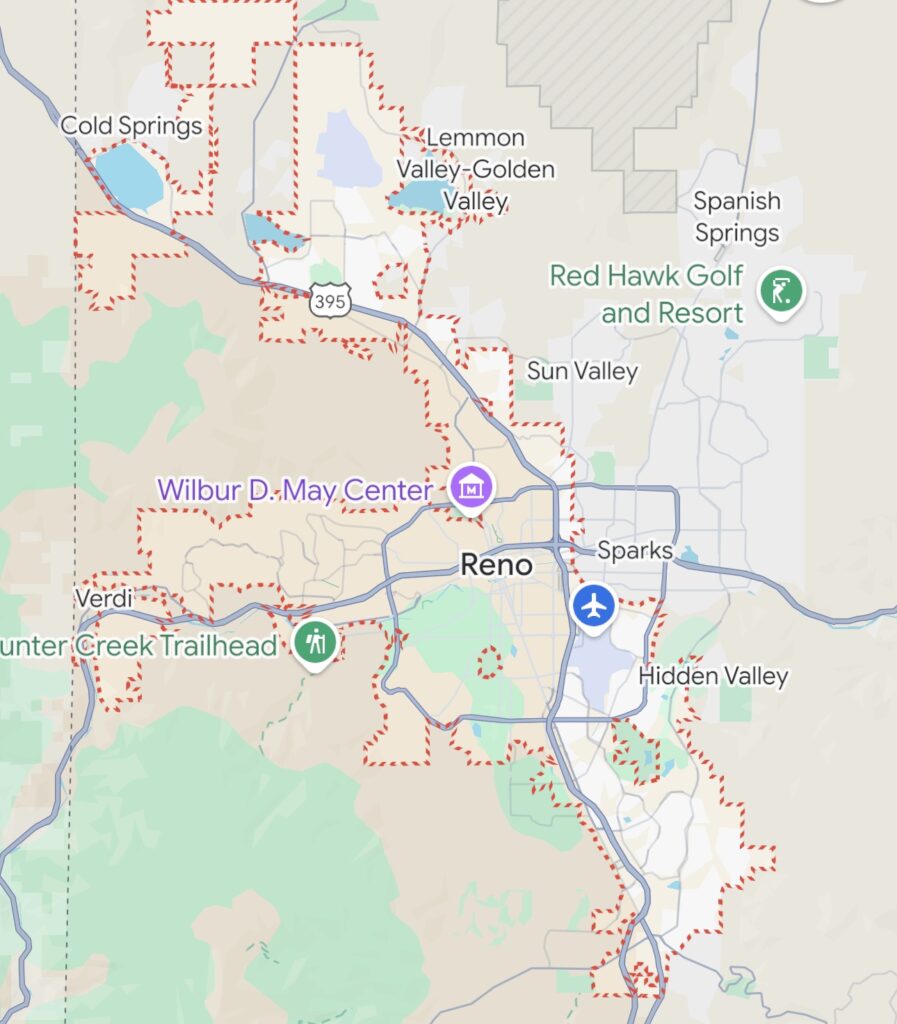
Lemmon Valley is a census-designated place of approximately 4,400 to 5,200 residents located 10 miles north of downtown Reno in the North Valleys, named for early settler William Lemmon who homesteaded in the area in the 1860s. The community has a suburban-rural character with spacious properties spread across 18.4 square miles, offering a quieter, more separated lifestyle compared to denser urban neighborhoods. The housing stock consists predominantly of detached single-family homes built on generous lots, with approximately 81% of units being single-family detached structures and another 17% being manufactured or mobile homes. According to census data, the median construction year is 1978, indicating that much of Lemmon Valley’s housing was built in the 1970s through 1980s, though some newer construction has occurred in recent decades. Properties typically sit on quarter-acre to acre-plus lots, providing substantial space for additions and outdoor amenities. Most residents—approximately 96%—are homeowners rather than renters, reflecting community stability and long-term residency. The older housing stock means many homes may need upgrades to meet current building codes when adding space, and contractors should be prepared to work with construction methods and materials common to that era.
Critical Flood Zone Considerations
Lemmon Valley’s defining geographical characteristic is its location within a closed basin, meaning water has no natural outlet and collects at Swan Lake at the valley floor. This creates unique flood considerations that are absolutely essential for anyone planning home additions. During heavy precipitation years—notably 2017 and 2019—Swan Lake water levels rose significantly, flooding approximately 90 properties and causing water to remain in some homes for months. The community sits atop relatively impervious clay soils that limit water infiltration, and development throughout the basin has increased runoff. Properties nearest Swan Lake face the highest flood risk, while properties at higher elevations have less exposure. Before planning any home addition, Lemmon Valley homeowners must determine if their property is in a designated flood zone, which affects foundation requirements, insurance, and whether additions are advisable at all. Washoe County monitors Swan Lake levels continuously through webcams and sensors, and has implemented flood barriers and pumping systems around the lake. Contractors working in Lemmon Valley should understand flood zone mapping, foundation requirements for properties in or near flood zones, and drainage considerations critical to the basin. Some properties may not be suitable for additions depending on flood risk. Honest contractor assessment of flood-related feasibility is essential before homeowners invest in design or permitting.
Washoe County Permitting and Building Requirements
Lemmon Valley is located in unincorporated Washoe County, meaning home additions require permits through the Washoe County Building & Safety Division using the ONE Regional online portal. Contractors must hold Nevada State Contractor’s Licenses and be registered with Washoe County. Home additions require building permits covering structural, foundation, roofing, and framing work, plus electrical, mechanical, and plumbing permits depending on scope. For properties in mapped flood zones, additional requirements apply—foundations must meet FEMA flood zone standards, lowest floors must be elevated above base flood elevation, and construction must incorporate flood-resistant materials and methods. Plan submissions must include engineered drawings, site plans showing setbacks and lot coverage, and for flood-prone properties, elevation certificates and flood zone compliance documentation. Processing times for standard additions generally range from two to four weeks, though flood zone properties may require additional review. The county has adopted current International Building Codes plus specific flood zone amendments. Inspections must be scheduled at appropriate milestones. Unlike master-planned communities, Lemmon Valley has minimal HOA restrictions in most areas, simplifying approvals beyond county requirements.
High-Desert Climate and Environmental Features
Lemmon Valley sits at approximately 4,900 feet elevation in the high desert, experiencing hot, dry summers and cold winters with moderate snowfall. Summer temperatures regularly reach the upper 80s to low 90s Fahrenheit with very low humidity, while winter overnight lows drop into the low 20s with daytime highs in the 40s. The area receives an average of 19 to 22 inches of snow annually and about 9 to 10 inches of total precipitation, concentrated in winter months. The community benefits from approximately 249 sunny days annually. This climate creates standard high-desert construction considerations including proper insulation for temperature extremes, attention to sealing in dry conditions, and appropriate snow load calculations for roofs. The Swan Lake Nature Study Area—a 1,800-acre wetland and bird conservation area—provides recreational value and scenic open space but also influences the basin’s hydrology. Properties nearer the lake enjoy wildlife viewing opportunities but face greater flood considerations.
Rural Infrastructure and Community Character
Lemmon Valley’s infrastructure reflects its suburban-rural character. Natural gas service through Southwest Gas is available in many areas, though some outlying properties use propane. Electric service through NV Energy serves the community, though older homes may have limited electrical capacity requiring upgrades for additions with modern loads. Some areas have municipal water and sewer through Truckee Meadows Water Authority, while other properties rely on wells and septic systems. The community’s rural character means properties are spread out with significant open space between development, creating the quiet, separated feel residents value. Lemmon Valley’s location approximately 10 to 15 miles north of central Reno keeps it within reasonable service areas for contractors, though the community’s distance and smaller size mean homeowners should expect fair pricing appropriate for the area’s housing values rather than premium rates charged in luxury markets.
Home Addition Costs in Lemmon Valley
Typical Project Cost Ranges
Home addition costs in Lemmon Valley reflect the community’s moderate housing market and practical improvement needs. The following ranges represent typical residential addition projects, including design, permits, materials, labor, and standard finishes:
| Addition Type | Typical Cost Range (per sq ft) | Total Project Range |
|---|---|---|
| Basic Room Addition (bedroom, office) | $160 – $290 per sq ft | $20,000 – $58,000 |
| Bathroom Addition (standard finishes) | $210 – $360 per sq ft | $17,000 – $43,000 |
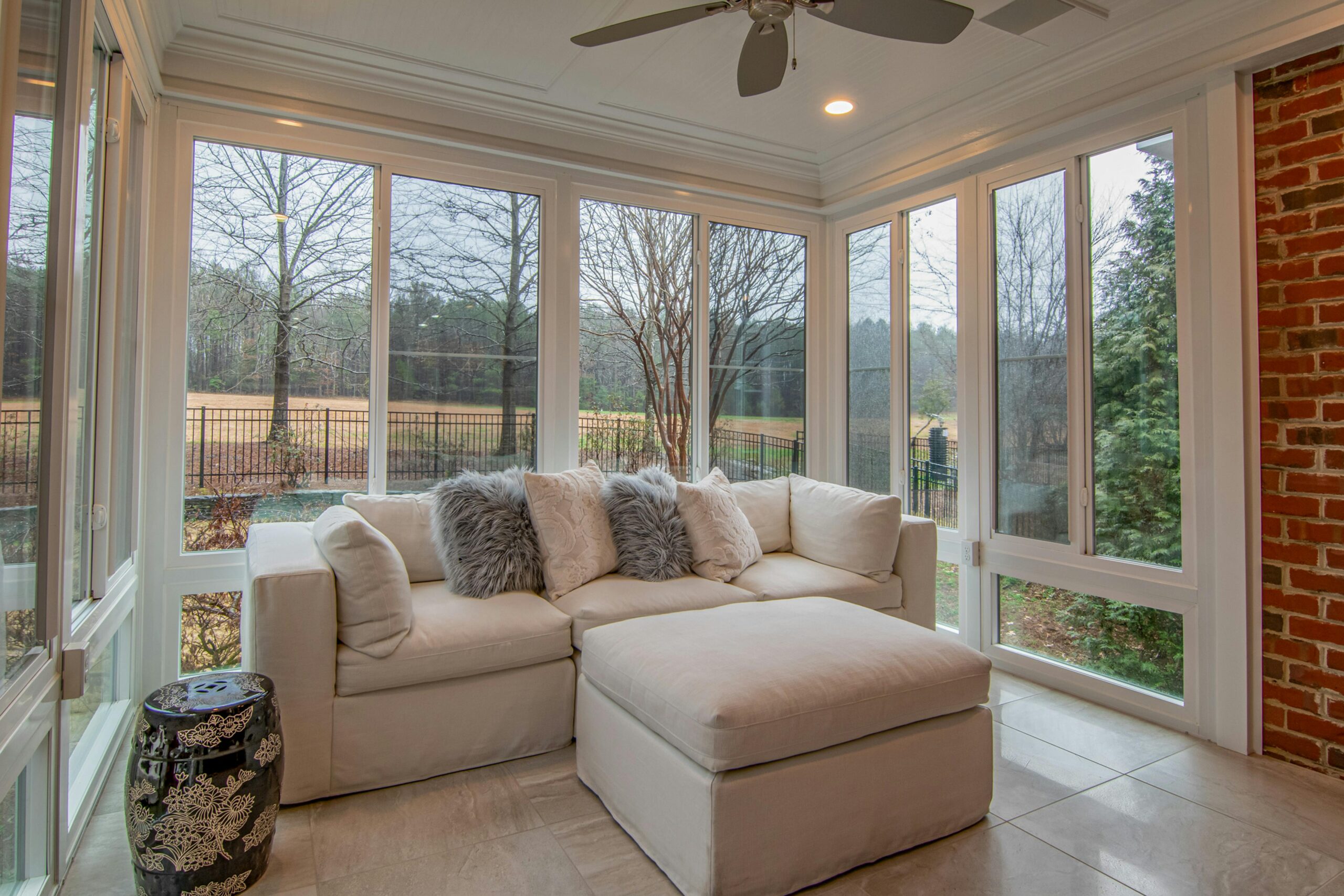
| Enclosed Patio / Sunroom | $130 – $230 per sq ft | $13,000 – $37,000 |
| Family Room Addition | $160 – $290 per sq ft | $32,000 – $87,000 |
| In-Law Suite (basic) | $210 – $360 per sq ft | $63,000 – $180,000 |
| Garage Conversion to Living Space | $85 – $190 per sq ft | $34,000 – $95,000 |
| Flood Zone Addition (elevated foundation) | $200 – $370 per sq ft | $40,000 – $111,000 |
These ranges represent practical additions with standard finishes appropriate for Lemmon Valley’s housing market. Flood zone properties face additional costs for elevated foundations and flood-resistant construction. Your actual project costs will depend on specific design, property location, flood considerations, and finish selections.
Key Factors Influencing Addition Costs
Several variables significantly affect home addition costs in Lemmon Valley. Flood zone location represents the single most important cost factor—properties in mapped flood zones require elevated foundations, flood-resistant materials, and construction methods that can substantially increase costs compared to properties outside flood zones. Foundation requirements vary dramatically; straightforward slab or crawl space foundations on higher-elevation, non-flood properties cost significantly less than elevated foundations required in flood-prone areas. Property age and condition matter considerably; homes built in the 1970s-1980s may need structural upgrades, updated utilities, or remediation of code issues discovered during permitting, adding to project scope. Addition size drives total investment, with functional space for growing families or multi-generational living representing common needs in Lemmon Valley. Finish level creates cost variation; practical, durable materials appropriate for the housing market provide better value than premium finishes. HVAC considerations affect budgets—extending existing systems works when capacity allows, otherwise separate systems or upgrades add costs. Well and septic properties may face additional expenses if additions strain existing system capacities.
Lemmon Valley-Specific Cost Considerations
Several local factors influence home addition costs in Lemmon Valley. Flood zone requirements represent the most significant local consideration—additions on properties near Swan Lake or in mapped flood zones face substantially higher costs due to elevated foundation requirements, flood-resistant construction methods, additional engineering, elevation certificates, and flood insurance implications. Honest contractors should assess flood risk before homeowners invest in planning, as some locations may not be suitable for additions. The community’s older housing stock means electrical panel upgrades are common when adding modern appliances or HVAC systems. Properties on wells and septic may need system evaluations or upgrades. The minimal HOA restrictions simplify permitting and reduce administrative costs compared to master-planned communities. Natural gas availability varies, with some properties requiring propane. Lemmon Valley’s moderate home values mean additions should be planned with realistic budgets that don’t over-improve properties beyond what the market supports. Energy efficiency matters for managing utility costs in the high-desert climate. The community’s distance from central Reno may result in modest service call considerations from some contractors. Winter weather can affect construction schedules from December through February, though the area’s moderate snowfall creates less disruption than higher elevations.
Honest Assessment and Practical Planning
Reputable contractors serving Lemmon Valley provide honest assessments about flood-related feasibility before encouraging homeowners to proceed with addition planning. For properties with flood exposure, contractors should frankly discuss whether additions make sense given risks, costs, and insurance implications. Complete estimates should include all necessary permits and engineering, foundation work appropriate for the site (including elevated foundations if required), structural framing, roofing, exterior finishes, windows and doors, utility rough-ins, insulation and drywall, interior finishes, and cleanup. Estimates should clearly state what is and isn’t included. For Lemmon Valley projects, good contractors help homeowners understand which investments provide real value, recommend cost-effective materials that provide durability without unnecessary premiums, and work within realistic budgets appropriate for the community’s housing market. Multiple estimates allow comparison, though homeowners should be cautious of quotes that seem unrealistically low—legitimate contractors carry proper insurance, pull required permits, and price work appropriately.
What Makes Our Contractor Network Different
Understanding of Lemmon Valley’s Unique Flood Considerations
Contractors in our network understand Lemmon Valley’s closed-basin geography and the critical importance of flood zone assessment before planning additions. They know how to evaluate property locations relative to Swan Lake and flood risk areas, understand elevated foundation requirements for flood-prone properties, and can honestly assess whether additions make sense given flood exposure. This local knowledge prevents homeowners from investing in projects that may face flooding or excessive costs due to flood zone requirements. Contractors familiar with Lemmon Valley stay informed about Swan Lake levels, understand Washoe County’s flood-related building requirements, and can guide homeowners through feasibility assessment.
Experience with Older Housing Stock
Our contractors have substantial experience working with homes built in the 1970s and 1980s, which represents much of Lemmon Valley’s housing. They understand construction methods from that era, can identify common issues like outdated electrical systems or settled foundations, and know how to integrate modern additions with older homes while meeting current codes. This experience includes recognizing when homes need utility upgrades, assessing structural adequacy for additions, and executing work that integrates seamlessly with existing construction. For Lemmon Valley homeowners with established properties, this expertise ensures additions are completed properly without unexpected complications.
Washoe County Permitting Knowledge
Local contractors understand Washoe County Building & Safety procedures including the ONE Regional portal, plan review requirements, and inspection processes. They know how to prepare compliant applications, understand flood zone documentation requirements when applicable, and navigate approvals efficiently. This experience ensures additions meet codes and pass inspections without delays or costly corrections.
Practical, Value-Focused Approach
Our contractors understand Lemmon Valley’s moderate housing market and provide practical, value-focused recommendations. They don’t push unnecessary upgrades, help homeowners prioritize functional improvements, and focus on delivering additions that serve real needs within realistic budgets. Contractors recognize that Lemmon Valley families typically seek practical space solutions—extra bedrooms, multi-generational accommodations, or functional living area—rather than luxury renovations, and they tailor their approach accordingly.
High-Desert Climate Construction Practices
Contractors serving Lemmon Valley understand high-desert construction including proper insulation for temperature extremes, efficient window specifications, appropriate HVAC sizing, and construction practices that handle both summer heat and winter cold effectively. They build additions that minimize energy costs while providing the functional space families need.
Licensed & Insured Protection
Every contractor in our network maintains an active Nevada State Contractor’s License and carries both general liability and workers’ compensation insurance. We verify these credentials before making referrals. For Lemmon Valley residents, this means protection from liability during construction, confidence that work will meet county codes, and recourse through the Nevada State Contractors Board if issues arise. Proper licensing and insurance are non-negotiable requirements.
Let's Start Your Home Addition in Lemmon Valley
Let’s chat about your ideas! Getting started is easy – simply reach out with details about your home addition project, and we’ll connect you with qualified, licensed contractors.
REAL STORIES FROM SATISFIED CUSTOMERS


Need Help?
Frequently Asked Questions About Home Addition in Lemmon Valley
Below are some of the most common questions Our Network get from families about Home Addition. If you have any other questions contact us!
How long does a home addition take?
Timeline varies by project size and complexity. Single-room additions typically take 3-6 months from permit to completion. Larger additions or second stories may require 6-12 months. Design and permitting add 1-3 months before construction begins.
Do I need to move out during construction?
Most families remain in their homes during additions. Contractors isolate work areas and maintain barriers between construction zones and living spaces. Brief periods of utility interruption occur when connecting new systems. Discuss specific plans with your contractor.
Will my addition match my existing home?
Professional contractors take care to match materials, architectural details, and rooflines. They source materials compatible with your home’s style and ensure seamless integration. Some older materials may be unavailable, requiring close alternatives.
How do I know if my property can accommodate an addition?
Contractors evaluate zoning compliance, lot coverage, setbacks, and structural capacity during initial assessments. They identify constraints and determine what’s feasible on your specific property.
Talk to a Home Addition Contractor in Lemmon Valley Today
Whether your property is near Swan Lake Nature Study Area, in the higher elevations of Lemmon Valley with clear skies and rural character, or anywhere throughout this quiet North Valleys community, we connect you with qualified home addition contractors who understand both the area’s unique flood considerations and your specific expansion needs. Our referral process is straightforward and obligation-free—we provide information about contractors with Lemmon Valley experience, you decide who to contact for honest assessments and estimates, and you maintain complete control over decisions. There’s no pressure to proceed until you find a contractor whose experience, communication, and fair pricing align with your needs and budget.