
Professional Outdoor Kitchen Installation in Virginia City Highlands, NV
Looking for outdoor kitchen contractor in Virginia City Highlands? Imagine grilling burgers while chatting with friends, making pizza in your own outdoor oven, or hosting epic backyard parties where you never have to run inside for anything.
Popular Outdoor Kitchen Services in Virginia City Highlands
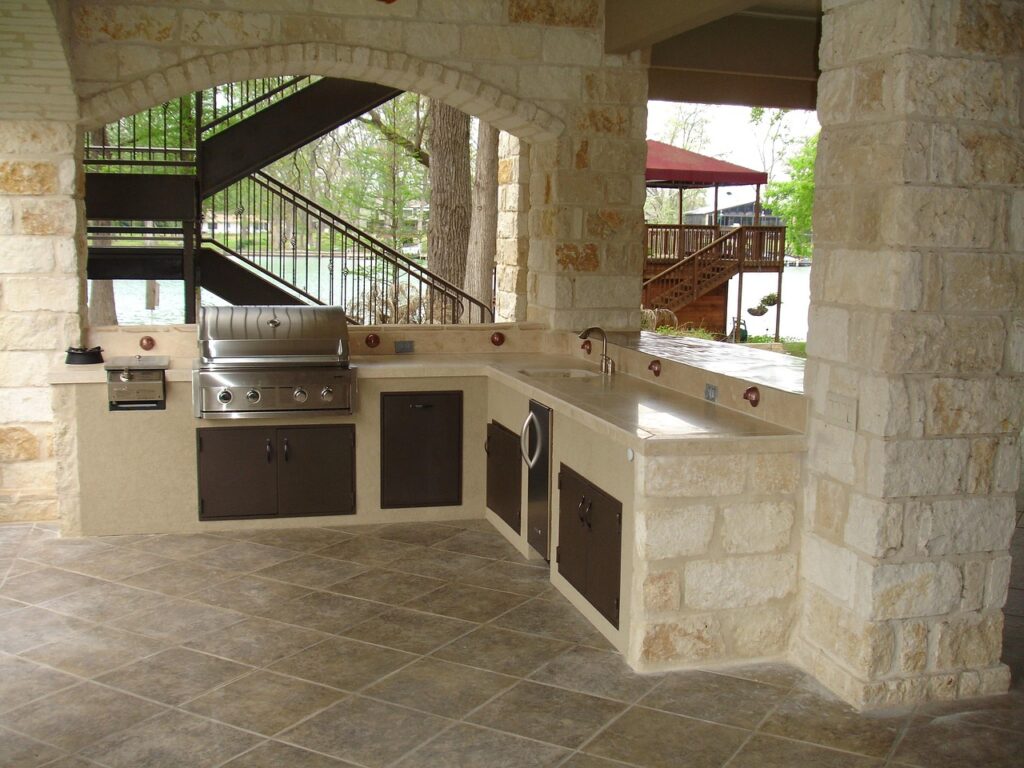
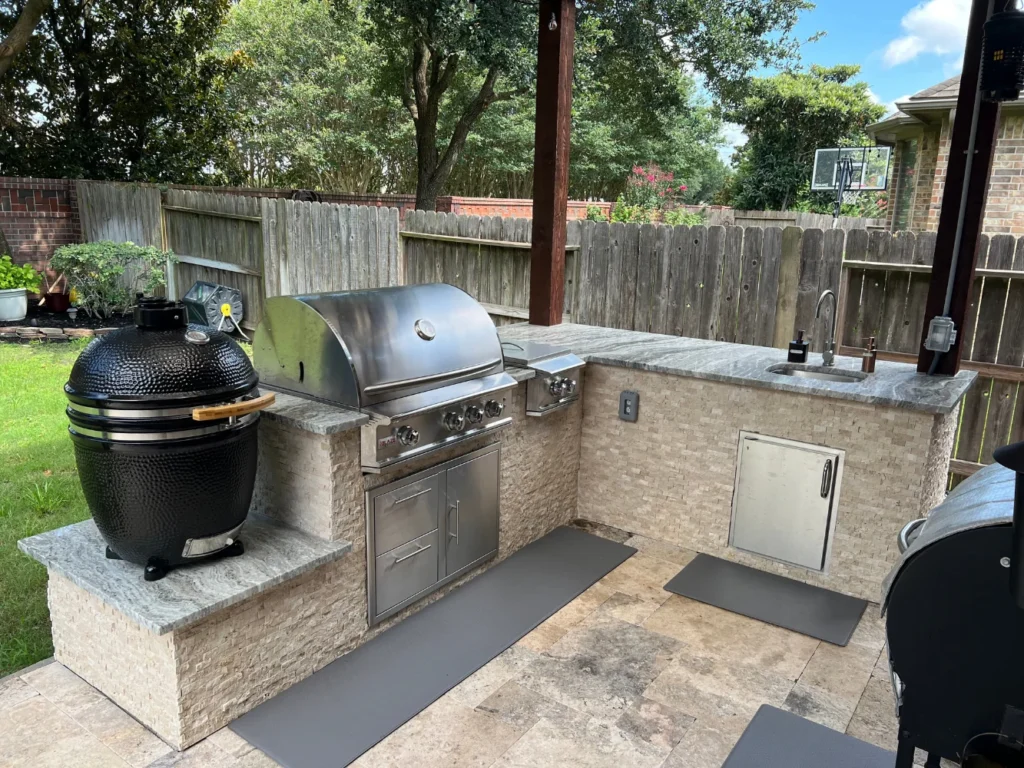
Built-In Grill & BBQ Island Installation
Custom masonry or prefabricated grill enclosures
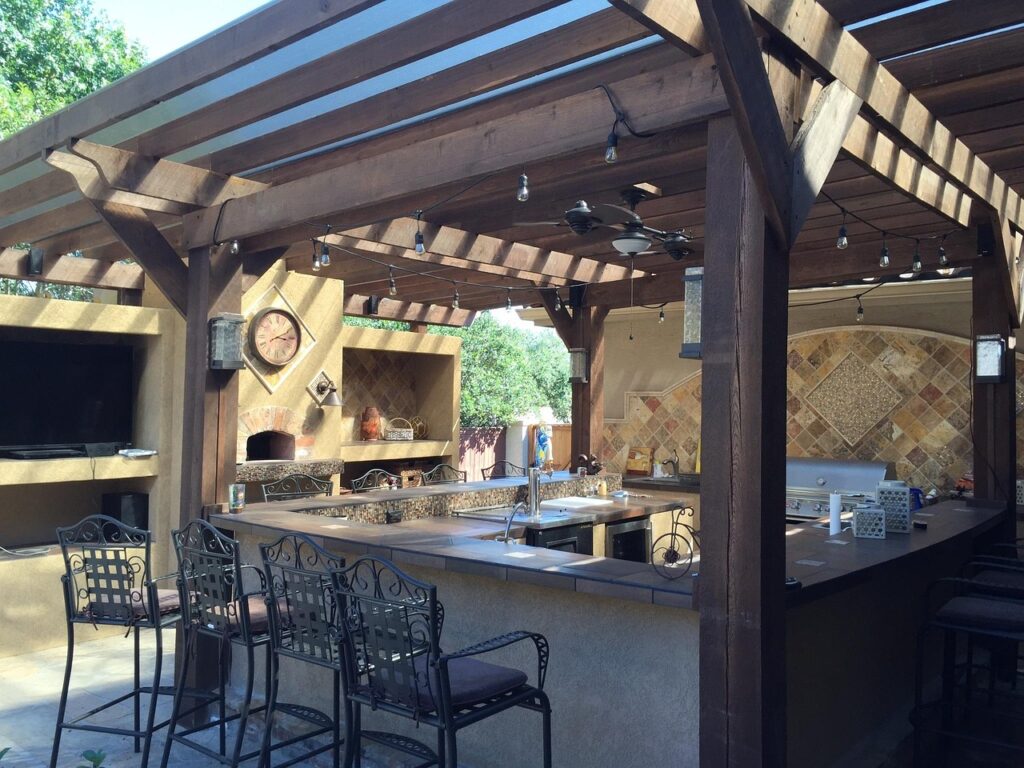
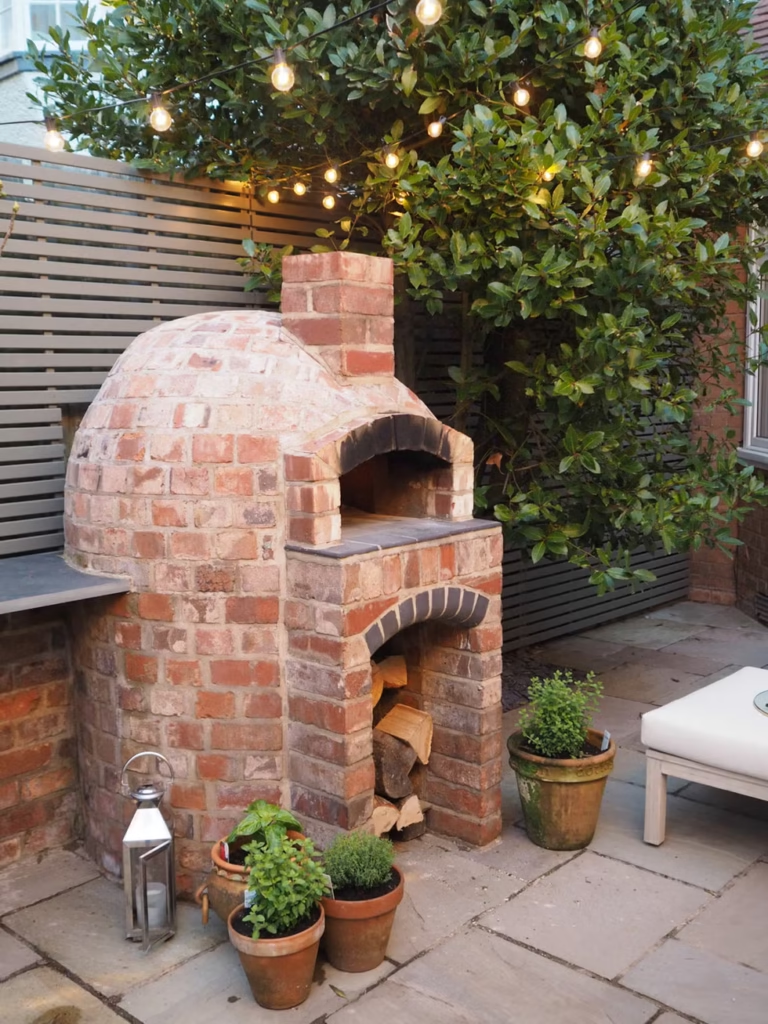
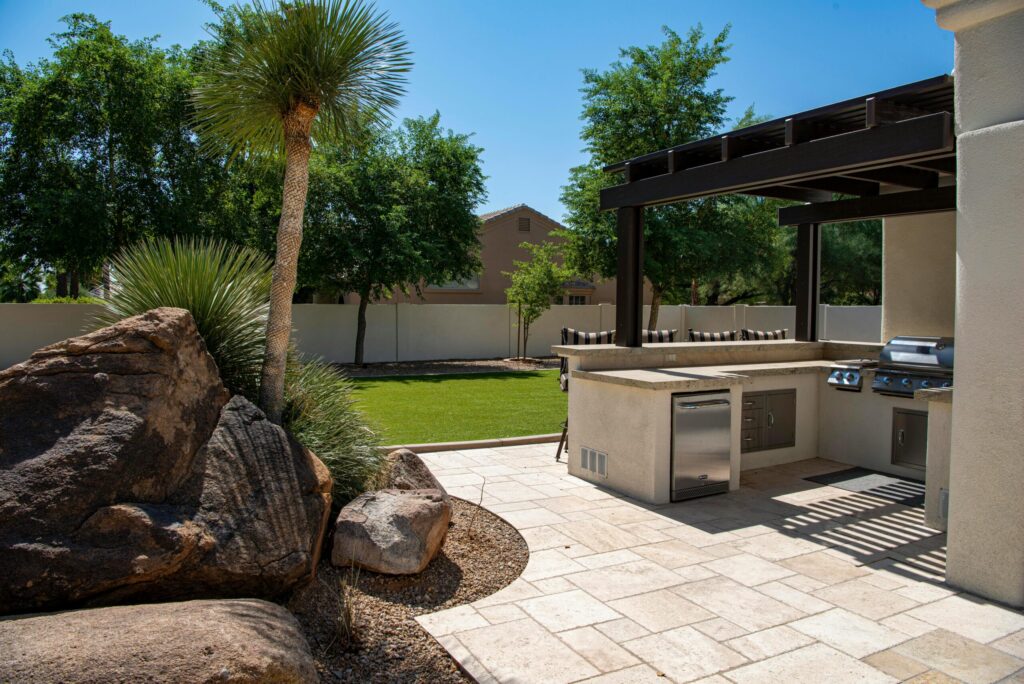
Our Outdoor Kitchen Project Process
1. Initial Consultation & Goals
We discuss your cooking habits, entertainment needs, budget parameters, and desired features for your outdoor kitchen.
2. Site Evaluation
Contractors assess your yard including existing utilities, access for gas/electric/plumbing, optimal placement considering wind and sun, and structural requirements.
3. Design & Scope Definition
Contractors create detailed plans showing layout, appliance placement, utility routing, material specifications, and integration with existing outdoor spaces.
4. Contractor Matching
We connect you with licensed, insured contractors experienced in outdoor kitchen construction. You review multiple proposals comparing designs, materials, and pricing.
5. Permits & Construction
Your contractor prepares and submits permit applications for building, electrical, gas, and plumbing work. They obtain HOA approval if required.
6. Final Inspection & Walkthrough
All work undergoes required inspections. Your contractor demonstrates appliance operation, provides maintenance guidance, and ensures all systems function properly.
Outdoor Kitchens in Virginia City Highlands — What Homeowners Should Know
Virginia City Highlands is an unincorporated community located north of historic Virginia City, straddling the Storey County and Washoe County border. The area consists of widely dispersed residences on large lots—ranging from one-acre parcels to 40-acre properties—with elevations around 5,984 to 6,148 feet. Accessed via Cartwright Road and Lousetown Road off Nevada State Route 341, the Highlands is known for its quiet, rural character, expansive mountain views, and strong sense of community. Understanding these local factors helps ensure your outdoor kitchen project fits your property and meets the appropriate county requirements.
Home Age and Construction Patterns
Development in Virginia City Highlands began in the early 1970s following court battles and aquifer concerns that shaped the current lot configuration. The area includes a mix of home types—ranch-style residences, manufactured homes on owned land, and custom-built homes positioned to take advantage of Sierra Nevada views and the area’s rural setting.
Many properties feature generous acreage, horse facilities, outbuildings, and existing outdoor amenities that reflect the independent, hands-on lifestyle common in the Highlands. Construction styles vary from modest ranch homes built in the 1970s and 1980s to newer custom builds from the 2000s and beyond. The area’s rural character means properties often include natural landscaping, mature vegetation in some areas, and open high desert terrain in others.
Contractors familiar with Virginia City Highlands understand how to work with large lots, varied property conditions, and the realities of building at elevation in a rural community where infrastructure and access can differ significantly from suburban Reno.
Lot Size, Zoning, and HOA Considerations
Virginia City Highlands includes approximately 24 square miles of residential land divided into 40-acre lots, 506 ten-acre lots, and 1,069 one-acre lots. This variety provides substantial flexibility for outdoor kitchen placement and design, though setback requirements still apply based on zoning classifications.
Because the community straddles two counties, permitting authority depends on which side of the boundary your property falls. Properties in Storey County are governed by Storey County regulations, while those in Washoe County follow Washoe County rules. Your contractor must determine the correct jurisdiction before beginning the permit process.
The Virginia City Highlands Property Owners Association (VCHPOA) governs one-acre properties, and the Architectural Committee reviews proposed exterior improvements. If your property falls under VCHPOA jurisdiction, you’ll need architectural approval before pursuing county permits. The committee meets monthly on the first Tuesday at the VCH Fire Station at Cartwright Road and Lousetown Road. Properties on larger parcels may not be subject to HOA oversight, but this varies.
Setback requirements depend on your specific lot’s zoning classification within either Storey or Washoe County. Your contractor should confirm requirements for your parcel and the appropriate permitting jurisdiction before finalizing plans.
Permitting Authority and Approval Flow
Permitting depends on whether your property is in Storey County or Washoe County. Both counties require building permits for most outdoor kitchens—structures under 200 square feet with no plumbing, electrical, or mechanical systems may be exempt, but functional outdoor kitchens typically require permits once you add gas lines, water supply, electrical outlets, or permanent roofing.
For Washoe County properties: Applications are submitted through the OneNV.us online portal. Plan review timelines depend on complexity, but straightforward projects typically clear review within a few weeks.
For Storey County properties: Applications are submitted to Storey County Building Department. Contractors familiar with Storey County understand submission requirements and local building standards.
If your property is governed by VCHPOA, obtain architectural approval before submitting for county permits. Inspections happen at key stages—foundation, rough utilities, gas connections, and final completion.
Contractors experienced with Virginia City Highlands navigate both county systems efficiently and understand how to prepare plans that meet local standards regardless of jurisdiction.
Climate Impacts on Materials and Timelines
Virginia City Highlands sits at elevations ranging from approximately 5,984 to 6,148 feet, where Reno’s high desert climate transitions toward Sierra Nevada mountain conditions. Summers are warm with temperatures reaching the mid-80s, while winters are cold with lows around 17°F and regular dips below freezing. Annual precipitation averages around 12 inches, including roughly 56 inches of snow. The elevation means more snow and colder temperatures than lower Reno areas.
These conditions require careful material selection and construction planning. UV exposure at elevation is intense and degrades lower-quality materials quickly. Stainless steel should be marine-grade (304 stainless) to resist corrosion. Countertop materials need to handle significant temperature swings—granite and concrete work well, while certain synthetic materials may crack or fade. Water supply lines must be protected from freezing or designed for seasonal winterization, as winter temperatures regularly drop well below freezing.
Wind can be significant in exposed locations across the open high desert terrain. If your property has wind exposure, your contractor may recommend structural reinforcements for overhead covers or design adjustments to prevent issues with freestanding elements.
Snow load calculations are essential for any covered structures. Roofs and pergolas must be engineered to handle substantial winter snow accumulation safely, as the Highlands receives significantly more snow than lower elevation areas around Reno.
Construction timelines are most predictable from late spring through early fall. Winter weather can delay concrete pours, outdoor work, and material deliveries along State Route 341 (Geiger Grade), which can close during severe storms. Snow and freezing temperatures may pause projects for extended periods. Contractors who work at elevation regularly plan for these seasonal variables and communicate realistic schedules.
Soil and Foundation Considerations
Virginia City Highlands terrain is primarily high desert with open spaces, some wooded areas, and varied topography. Soil is typical of elevated high desert—well-drained with rock and caliche layers beneath the surface. For outdoor kitchens with significant weight—masonry construction, heavy stone countertops, large built-in appliances—proper footings are essential.
Freeze-thaw cycles at elevation require properly designed frost footings to prevent heaving and settling. Properties with slopes or natural features like rock outcroppings may require additional foundation planning.
Large lots provide flexibility for placement but may mean longer utility runs from your home to the outdoor kitchen location, which affects costs. A qualified contractor assesses site-specific conditions and designs foundations that match the weight and permanence of your outdoor kitchen while accounting for elevation, soil conditions, and terrain.
Outdoor Kitchen Installation Costs in Virginia City Highlands
Outdoor kitchen costs in Virginia City Highlands reflect the area’s rural character, elevation considerations, and the practical, independent lifestyle common in the community.
Typical Project Cost Ranges
Here are general cost ranges for outdoor kitchen installations in the Virginia City Highlands area:
| Project Scope | Typical Cost Range |
|---|---|
| Basic grill island with countertop and minimal storage | $8,000 – $16,000 |
| Mid-range kitchen with grill, sink, storage, and utilities | $16,000 – $36,000 |
| Full outdoor kitchen with premium appliances and overhead cover | $36,000 – $68,000+ |
| Custom installations with multiple cooking zones and high-end finishes | $68,000 – $120,000+ |
These ranges include materials, labor, permits, HOA approval where applicable, and basic utility connections. Your actual cost depends on the specifics of your project, property location, and access conditions.
Key Factors That Influence Pricing
Appliances and Features: Built-in grills suitable for elevation and year-round mountain weather start around $2,000 to $3,500 for quality stainless models. Higher-end units with multiple burners, rotisseries, and infrared searing zones range from $6,000 to $15,000+. Adding a refrigerator, sink, side burners, pizza ovens, ice makers, or other features increases costs proportionally. Quality construction that withstands freeze-thaw cycles and significant temperature swings is essential at this elevation.
Countertops and Cabinetry: Granite and concrete are popular for outdoor counters due to their durability at elevation. Expect to budget $110 to $230+ per linear foot for quality stone countertops, including fabrication and installation. Outdoor-rated cabinetry made from stainless steel or weather-resistant materials ranges from $220 to $750+ per linear foot depending on construction quality.
Framework and Structure: The base structure can be built from concrete block, steel framing, or prefabricated modules. Custom masonry work costs more but offers durability and design flexibility. Framework costs typically run $220 to $750 per linear foot, not including finishes or countertops.
Utilities and Site Work: Running gas, water, and electrical lines to your outdoor kitchen adds $2,000 to $8,000+ depending on distance from your home. Large lots common in the Highlands often mean longer utility runs, which increases costs. Properties with natural features or varied terrain may require additional trenching or special routing. If you’re building on an existing patio, costs stay lower. New concrete pads, pavers, or extended decking increase the total investment. Permits, inspections, and professional design services also factor into the final number.
Overhead Structures: Many Highlands homeowners add pergolas or covered structures that provide protection from sun and substantial winter snow. Simple pergolas start around $2,500; larger covered structures with integrated lighting, ceiling fans, and proper engineering for snow load can reach $12,000 to $20,000 or more.
City- and Neighborhood-Specific Considerations
Virginia City Highlands properties feature large lots with room for substantial outdoor living spaces. However, the rural location and elevation bring specific cost considerations:
Access and Logistics: Some properties have long driveways or are located on unpaved roads, which can affect material delivery and construction staging. Distance from Reno-area suppliers means longer travel times for contractors and materials, which may factor into overall costs.
Permitting Jurisdiction: Whether your property falls in Storey County or Washoe County affects permitting processes and timelines. Contractors familiar with both jurisdictions navigate these differences efficiently.
Elevation and Snow Load: All overhead structures must be engineered for substantial snow loads at elevation. This engineering requirement adds to costs but is non-negotiable for safety and code compliance.
Utility Infrastructure: Rural properties may have septic systems, well water, and propane rather than city utilities. Contractors must work with existing infrastructure, and propane tank placement for outdoor kitchens requires proper planning and safety considerations.
HOA Approval: If your property is governed by VCHPOA, factor in time for architectural committee review before county permitting. This adds 4-6 weeks to project timelines.
Transparent, Itemized Estimates from Contractors
When Reno Home Remodel connects you with contractors, you should expect detailed estimates that break down costs by category—materials, labor, permits, HOA approval timeline if applicable, utilities, access considerations, and site-specific work. Clear pricing helps you understand where your money goes and makes it easier to adjust the scope if needed.
Avoid contractors who provide vague “starting at” pricing or resist putting their estimates in writing. Quality contractors stand behind their numbers and communicate clearly about potential variables before work begins.
What Makes Our Contractor Network Different
Reno Home Remodel works with licensed, insured contractors who have experience with outdoor kitchen installations at elevation in rural communities throughout Storey and Washoe Counties. Here’s what sets our network apart.
Local Permitting Familiarity
Contractors in our network understand both Storey County and Washoe County building permit processes. They know which jurisdiction governs your property and what documentation, plan details, and code compliance measures each county expects.
Where HOA approval is required through VCHPOA, they understand the architectural committee’s review process and can prepare submissions that move through approval efficiently. After HOA or county approval, they coordinate inspections at appropriate stages and ensure work meets local building codes.
Knowledge of Neighborhood Housing Styles
Virginia City Highlands includes ranch-style homes, manufactured home properties, and custom builds on varied lot sizes. Contractors familiar with the area design outdoor kitchens that fit the rural, independent character of the Highlands while complementing existing structures.
Whether you’re working with a property that has expansive views, horse facilities, or natural high desert landscaping, local contractors understand how to create outdoor living spaces that feel natural to the setting.
Climate-Appropriate Construction Experience
Contractors who work regularly at elevation know which materials and construction methods perform best in conditions like Virginia City Highlands. They understand UV exposure, significant freeze-thaw cycles, snow load engineering, wind considerations, and how to design outdoor kitchens that function well year-round at nearly 6,000 feet.
This experience extends to appliance selection, countertop materials, proper winterization of utilities, and structural design for overhead elements—all of which must account for harsh winter conditions and substantial temperature swings.
Established Relationships with Local Suppliers and Trades
Experienced contractors have working relationships with suppliers who can deliver materials to rural locations and with trades who work in both Storey and Washoe Counties. They know which plumbers, electricians, and gas line specialists are reliable and available for work in Virginia City Highlands.
These relationships translate to better logistics coordination, realistic scheduling, and smoother coordination among the different trades required to complete your project. When challenges arise from weather, access, or supply issues, local contractors mobilize solutions efficiently.
Accountability and Availability After Project Completion
Working with contractors invested in the rural communities around Reno means they’re available for service, adjustments, or follow-up work after your outdoor kitchen is complete. They understand that work in Virginia City Highlands requires reliability and follow-through.
Reno Home Remodel only connects homeowners with contractors who maintain proper communication, stand behind their work, and approach each project with professionalism and attention to detail.
Licensed & Insured Contractors Only
Every contractor in the Reno Home Remodel network holds an active Nevada contractor’s license valid for work in both Storey and Washoe Counties and maintains current liability insurance and workers’ compensation coverage. These requirements protect you from risk and ensure that the people working on your property meet state regulatory standards.
We verify licensing and insurance before connecting you with any contractor, so you can move forward with confidence knowing your outdoor kitchen installation is being handled by qualified professionals who operate within Nevada’s legal framework.
Build Your Dream Outdoor Kitchen in Virginia City Highlands Today!
Let’s chat about your ideas! Getting started is easy – simply reach out with details about your Outdoor Kitchen project, and we’ll connect you with qualified, licensed contractors.
Need Help?
Frequently Asked Questions About Outdoor Kitchen in Virginia City Highlands
Below are some of the most common questions Our Network get from families about Outdoor Kitchen. If you have any other questions contact us!
How long does outdoor kitchen construction take?
Most outdoor kitchens take 4-8 weeks from permit to completion. Basic grill islands: 3-5 weeks. Complete kitchens with multiple utilities: 6-10 weeks. Design, permitting, and material lead times add time before construction begins.
Can I use my outdoor kitchen year-round in Virginia City Highlands?
Many homeowners use outdoor kitchens year-round. Weather-resistant materials and appliances handle winter conditions. Some features like refrigerators may need winterization during extended cold periods. Covered outdoor kitchens with heating extend comfortable usage.
What appliances should be in an outdoor kitchen?
Minimum functional outdoor kitchen includes built-in grill and counter space. Popular additions include side burners, refrigerator, sink, storage cabinets, and warming drawers. Your cooking style and entertainment needs determine optimal appliance selection.
What maintenance do outdoor kitchens require?
Regular cleaning of appliances and surfaces. Stainless steel requires periodic cleaning with appropriate products. Stone countertops need resealing every 1-3 years. Gas connections should be inspected annually. Cover or winterize sensitive appliances during extended cold periods.
Talk to an Outdoor Kitchen Contractor in Virginia City Highlands
Whether you’re on a 40-acre property with Sierra Nevada views, a 10-acre lot near Geiger Lookout Point, or a one-acre parcel anywhere in Virginia City Highlands, Reno Home Remodel makes it easy to connect with contractors who understand elevation construction, rural logistics, permitting across both counties, and the independent spirit of this high desert community.