
Professional Pool Contractors in Lemmon Valley, NV
Looking for trusted Swimming Pool Builders in Lemmon Valley? We connect families with expert pool contractors who turn ordinary backyards into extraordinary outdoor resorts!
Popular Pool Services in Lemmon Valley
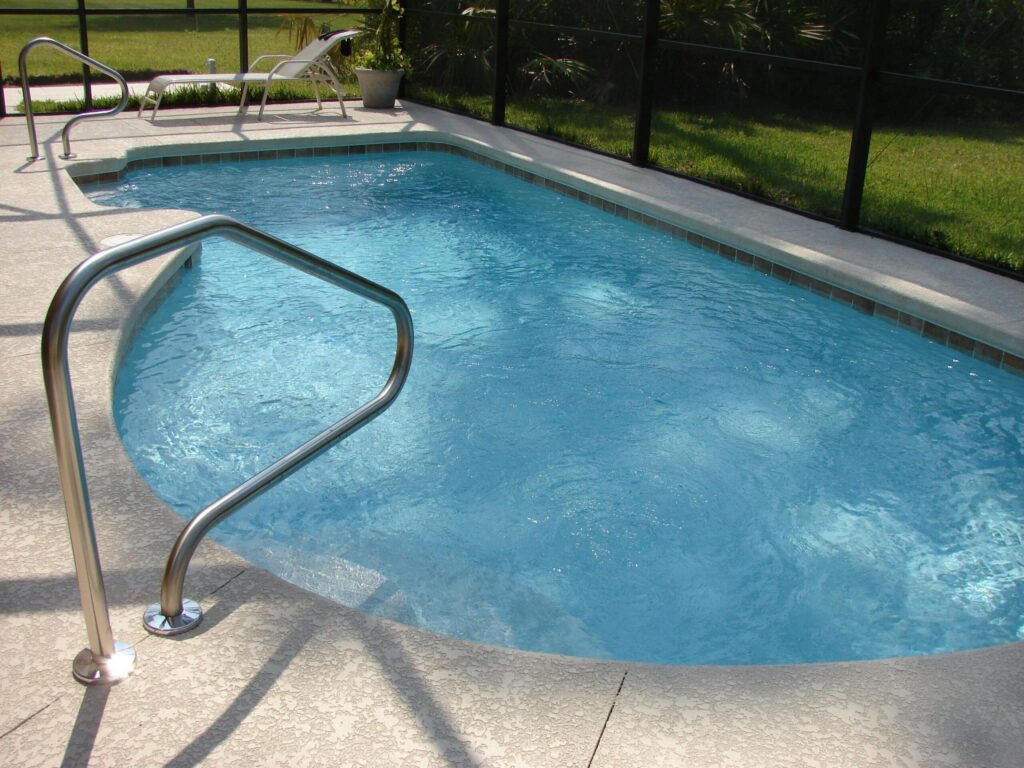
Custom Pool Design
Professional designers work with you to create the PERFECT pool for your family and your yard.
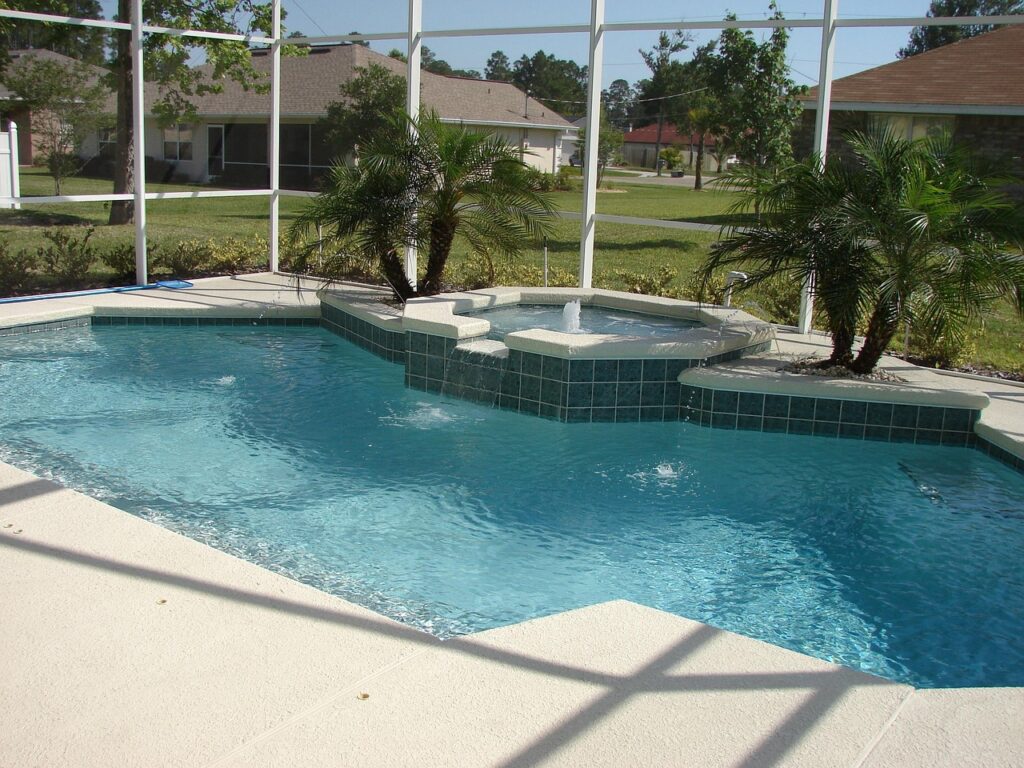
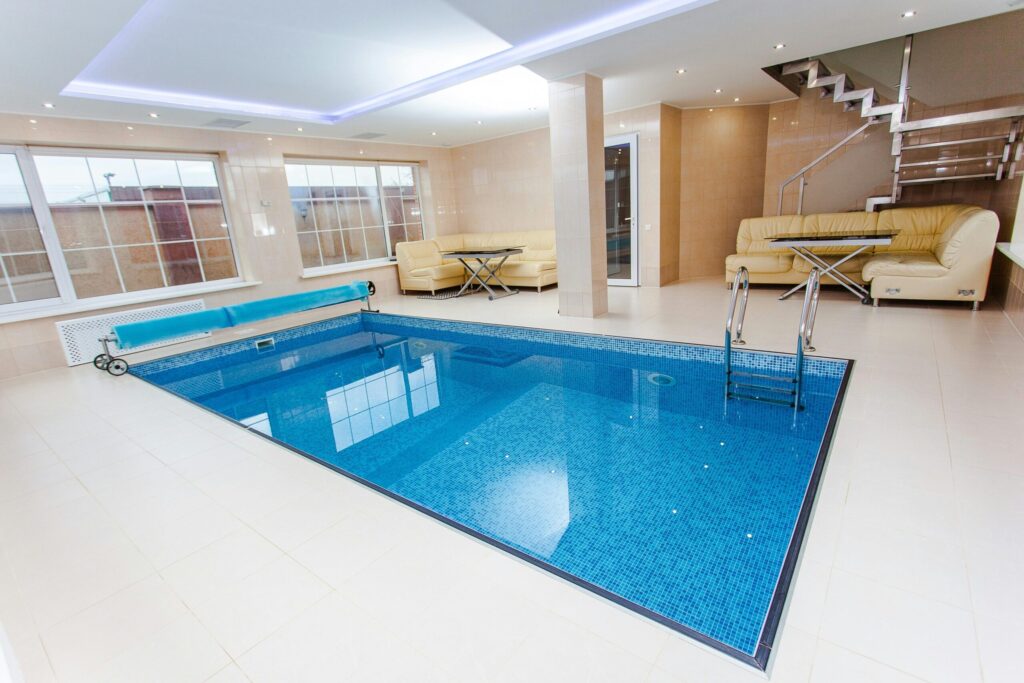
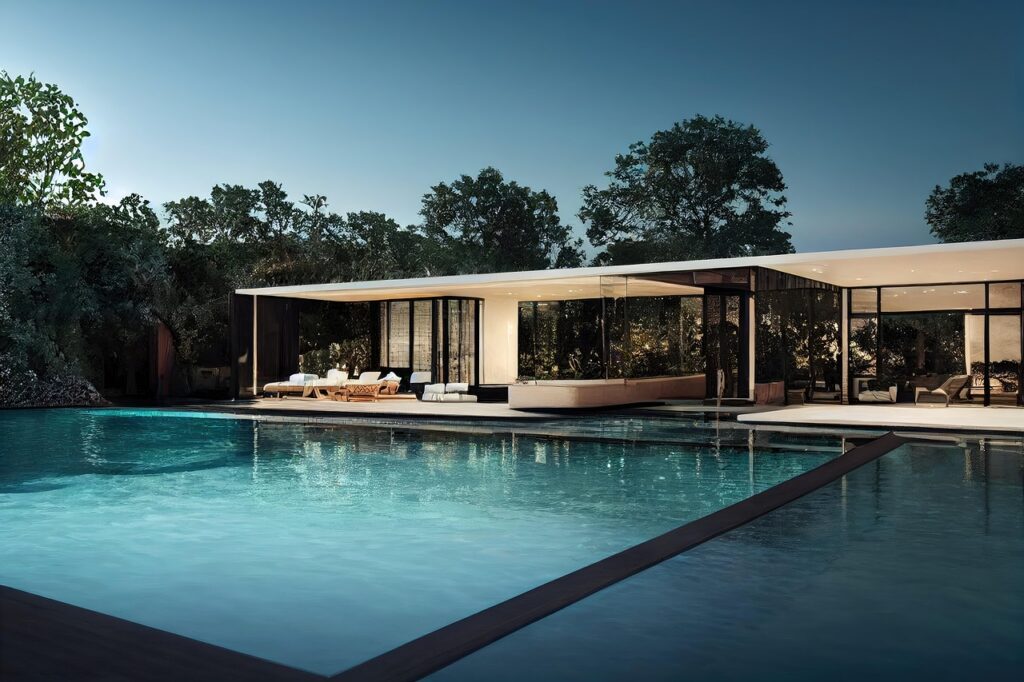
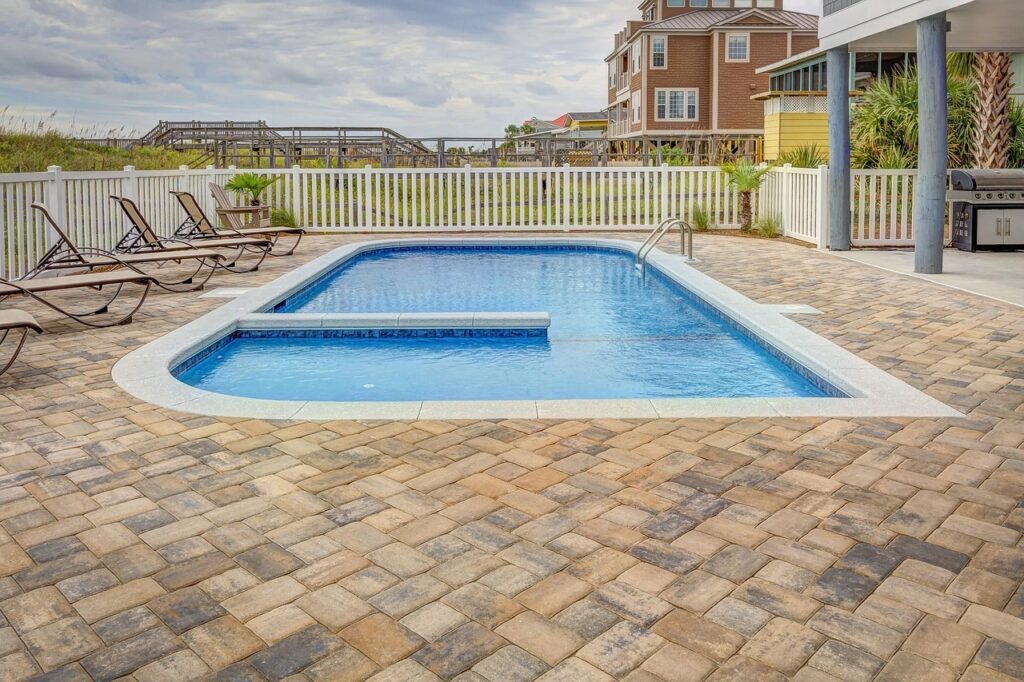
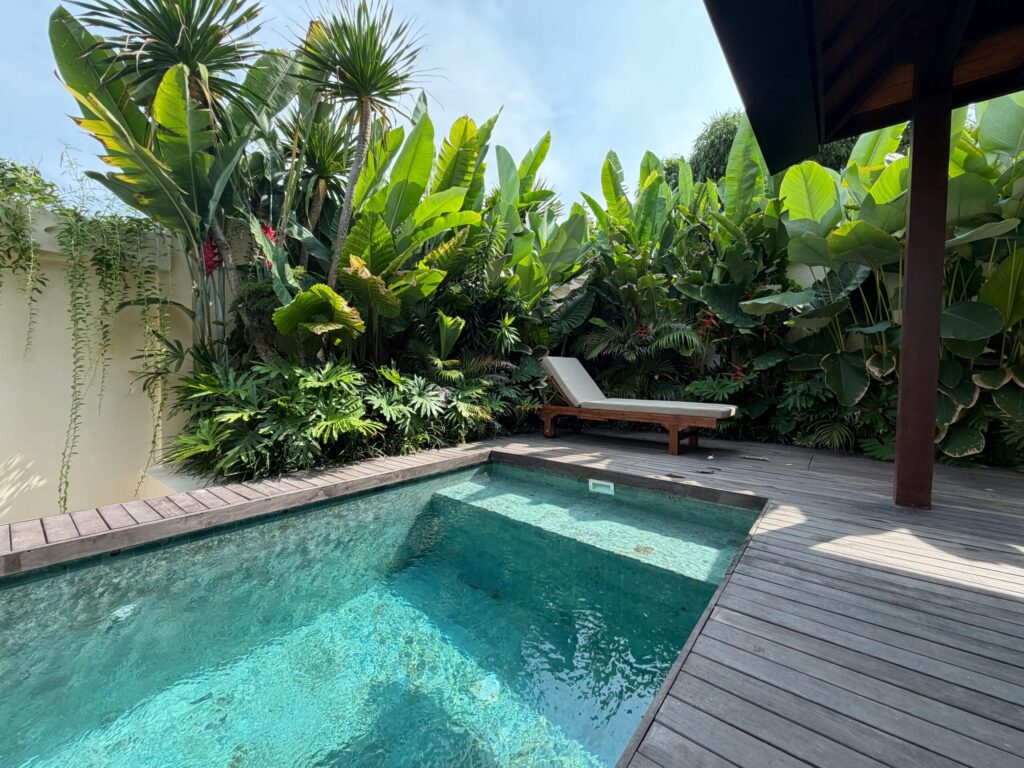
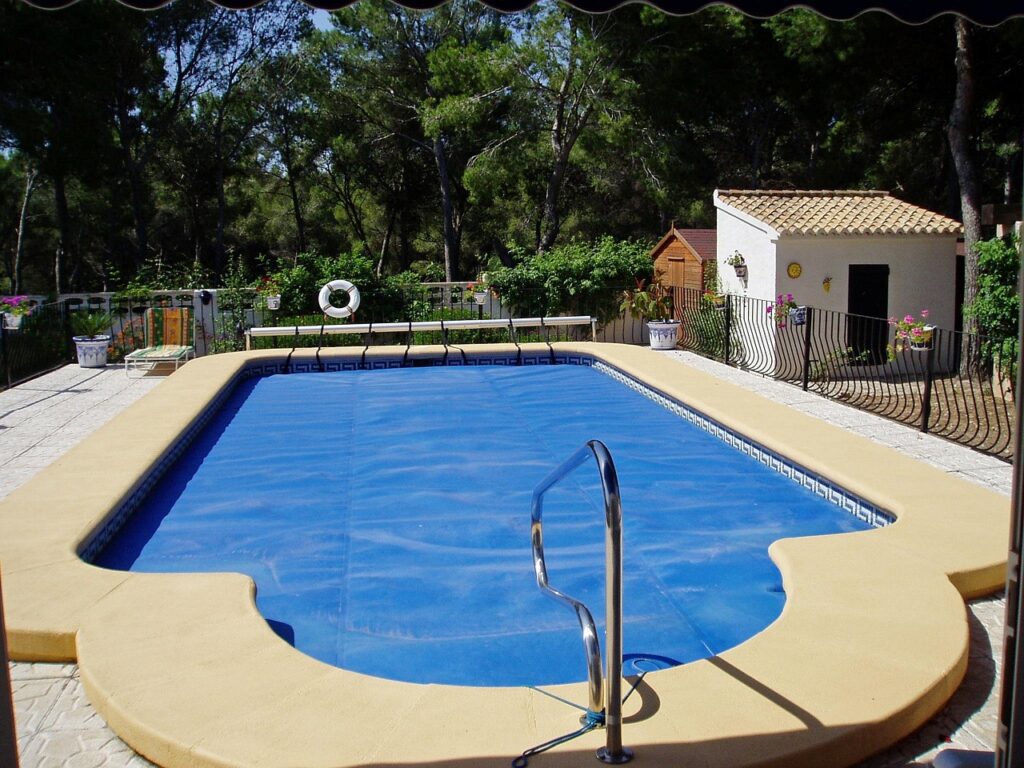
Our Pool Construction Process
1. Initial Consultation & Goals
We discuss your pool vision, budget, intended use, and property characteristics. Understanding your goals helps match you with appropriate pool contractors.
2. Site Evaluation
Contractors visit to assess your property including yard size and slope, soil conditions, sun exposure, access for equipment, utility locations, and drainage.
3. Design & Scope Definition
Contractors create pool designs showing shape, size, depth, equipment placement, and integration with outdoor space. Engineering addresses structural requirements and site-specific conditions.
4. Contractor Matching
We connect you with experienced, licensed pool contractors. You receive multiple detailed proposals comparing designs, materials, features, and pricing.
5. Permits & Construction
Work proceeds in phases:Excavation and site preparation Plumbing and electrical rough-in Steel installation (gunite) or shell placement (fiberglass/vinyl) Gunite application (if applicable) Equipment installation Decking and coping Tile and finishing Fill and startup
6. Final Inspection & Walkthrough
All work undergoes required inspections. Contractors provide equipment operation training, chemical maintenance guidance, and winterization procedures specific to Reno's climate.
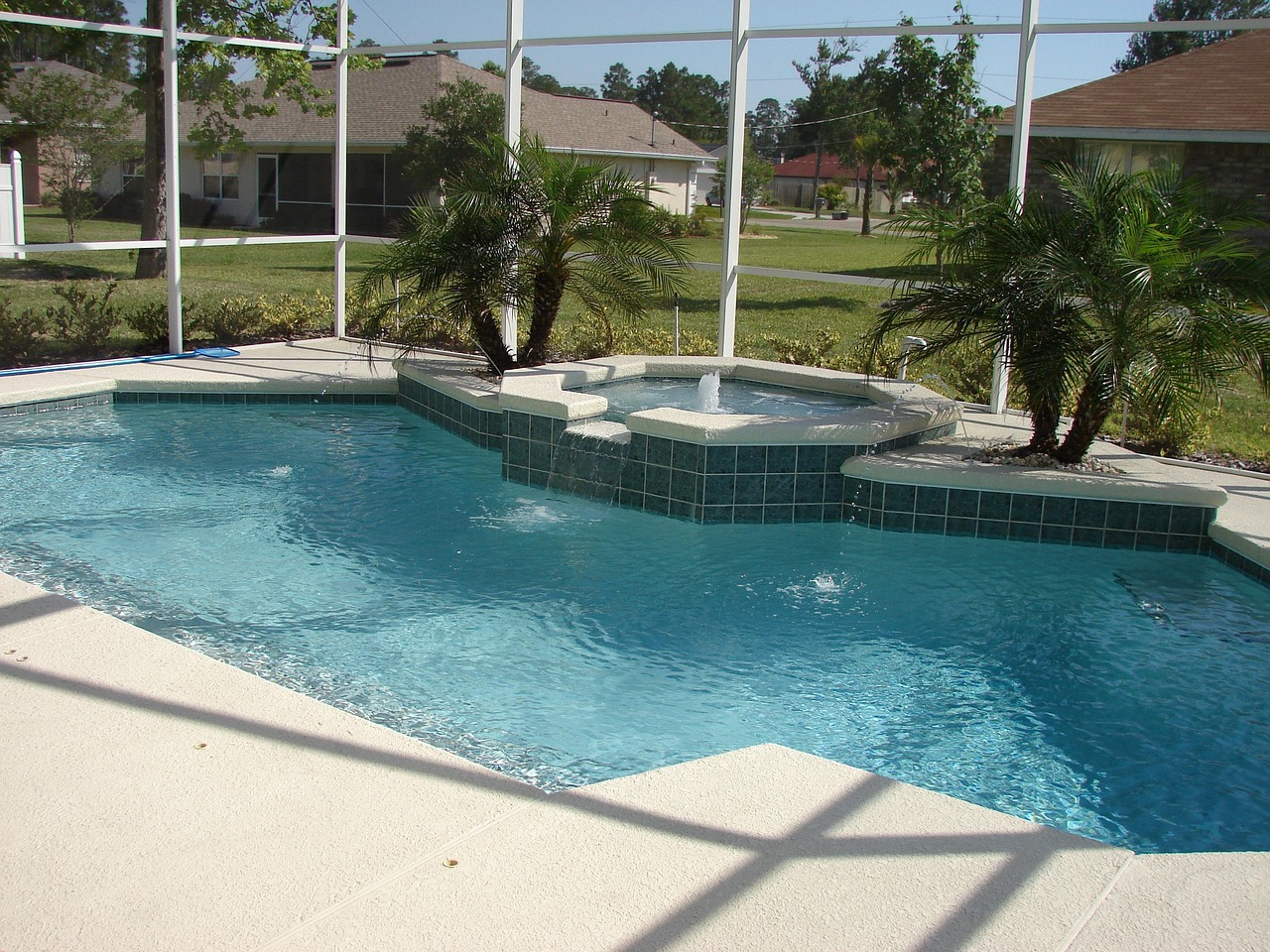
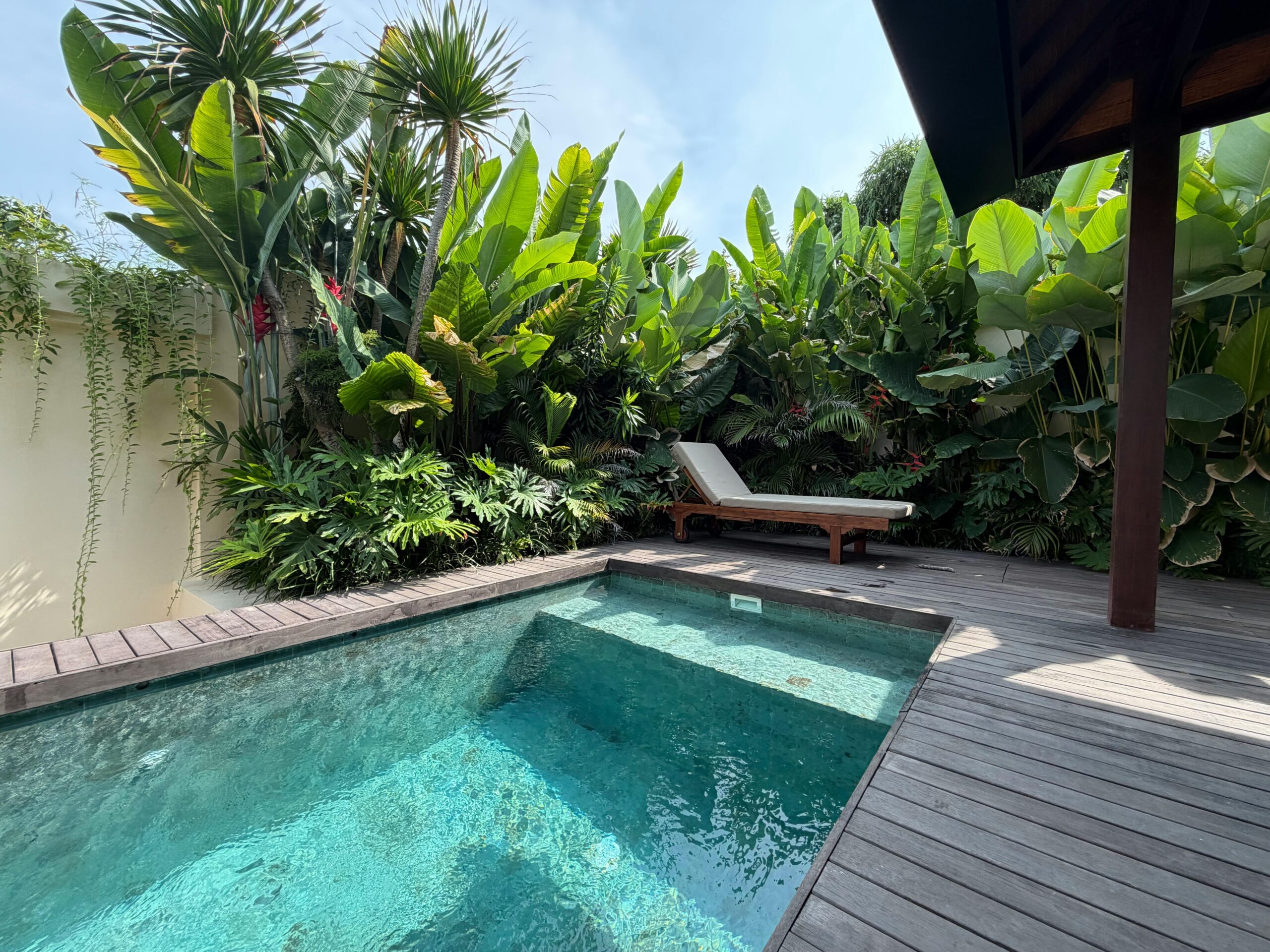
Pool Construction in Lemmon Valley — What Homeowners Should Know
Property Characteristics and Lot Diversity
Lemmon Valley encompasses approximately 17 square miles of varied terrain about 10 miles north of downtown Reno. The area features a distinctive mix of property types—from multi-acre horse properties with mountain views to compact suburban lots in newer subdivisions. Homes built in the 1970s and earlier sit on larger parcels, often with room for equestrian facilities and ample space for pool placement. More recent development has brought gated communities and subdivisions with Spanish-style and Craftsman homes on smaller but still generous lots. The median home construction year is around 1978, though significant new construction has occurred since 2000. This diversity means pool planning varies considerably depending on your specific property configuration.
Lot Sizes and Access Considerations
Many Lemmon Valley properties offer substantially more land than typical Reno suburban lots. Horse properties with 5 to 10+ acres provide extensive flexibility for pool placement, outdoor amenities, and equipment access. Even standard residential lots tend to be larger than urban equivalents, often providing a half-acre or more. This space allows for more elaborate pool designs, room for decking or patios, and flexibility in locating equipment away from living areas. However, larger lots can also mean longer utility runs for electrical and plumbing, and properties with significant terrain may require grading work. Access for construction equipment is generally straightforward on most Lemmon Valley properties, though specific site conditions vary.
Homeowner Association and Zoning
Much of Lemmon Valley consists of non-HOA or lightly regulated properties, giving homeowners considerable freedom in design choices and construction planning. Newer subdivisions like Ladera Ranch may have homeowner associations with architectural review requirements for pools and other exterior improvements. If your property is part of an HOA, you’ll need approval before construction begins, and the association may have standards for fencing, equipment screening, or aesthetic elements. Properties without HOA restrictions still need to comply with Washoe County setback requirements and building codes, but typically face fewer restrictions on materials, colors, or design choices.
Permitting Through Washoe County
Pool construction in Lemmon Valley requires building permits through Washoe County. Applications are submitted electronically at www.onenv.us and must include plans signed by a Nevada-licensed contractor or design professional. The county reviews for compliance with the International Swimming Pool and Spa Code, including safety barrier requirements, electrical installations, and plumbing work. Depending on your property’s location and lot configuration, review may involve the Building Division and potentially the Health District for setback verification. Contractors familiar with the area understand the county’s electronic permitting system, typical review timelines, and how to address any review comments efficiently.
High Desert Climate Impact
Lemmon Valley sits at approximately 5,100 feet elevation with a semi-arid high desert climate. Summers are warm with highs typically in the upper 80s, while winters are very cold with lows often in the 20s and below. The area receives about 11 inches of precipitation annually with 26 inches of snow on average, and enjoys 251 sunny days per year. Temperature swings between day and night can be significant—up to 33 degrees in summer. Pool construction season typically runs from late spring through early fall when ground conditions are workable and weather is predictable. The climate’s low humidity and strong sun exposure mean high evaporation rates, which affects both water usage and material selection for long-term durability.
Soil and Site Preparation
Like much of the Reno area, Lemmon Valley properties often feature caliche—a cement-like layer of compacted desert soil and minerals. Excavating through caliche requires specialized equipment and can extend the site preparation timeline and cost. Properties with varied elevation or slope may need grading before pool installation. The area’s sandy desert soil requires proper compaction and base preparation to ensure long-term stability. Many Lemmon Valley properties feature native landscaping, mature trees, or equestrian facilities that may need to be worked around during construction. Contractors experienced in the area anticipate these conditions and factor them into project planning and estimates.
Pool Contractors Costs in Lemmon Valley
Typical Project Cost Ranges
Pool construction costs in Lemmon Valley reflect both the Northern Nevada market and the area’s unique property characteristics. Understanding realistic ranges helps in planning your investment.
| Pool Type | Typical Cost Range | Notes |
|---|---|---|
| Basic Inground Pool (12′ x 24′) | $40,000 – $60,000 | Standard rectangular gunite pool, basic equipment, simple finishes |
| Mid-Range Inground Pool (16′ x 32′) | $60,000 – $90,000 | Gunite with upgraded finishes, heating system, enhanced decking |
| Custom Inground Pool | $90,000 – $150,000+ | Freeform design, premium finishes, features like waterfalls, lighting, automation |
| Fiberglass Pool Installation | $50,000 – $80,000 | Pre-formed shell, faster installation, limited customization |
| Above-Ground Pool | $5,000 – $15,000 | Including installation, decking, basic equipment |
These ranges represent complete installations including excavation, pool construction, necessary equipment (pump, filter, heater), and required safety features. Actual costs depend on the factors discussed below.
Key Factors That Influence Pricing
Pool size and depth create the foundation for cost calculations. Larger pools require more excavation, more structural material, more powerful equipment, and more finish surface area. The choice between construction methods affects both initial cost and long-term considerations—gunite offers maximum design flexibility but requires more time and labor, fiberglass installs faster but limits customization options, and vinyl liner pools have lower upfront costs but may need liner replacement over time.
Design complexity plays a major role in final pricing. A simple rectangular pool with standard depth represents the most economical option. Adding curves, varying depths, beach entries, or integrated spas increases both material and labor costs. Custom features significantly affect the bottom line: waterfall features range from $5,000 to $20,000 depending on scale, sophisticated LED lighting systems can add $5,000 to $10,000, fire features or fire bowls run $3,000 to $15,000, and full automation systems typically cost $2,500 to $6,000.
Equipment choices involve balancing upfront investment against long-term operating costs. Variable-speed pumps cost more initially but deliver substantial energy savings over standard pumps. Heating options each have different cost profiles—solar heating has the lowest operating cost but requires initial investment and adequate sun exposure, gas heaters provide fastest heating but ongoing fuel costs, and heat pumps offer balanced efficiency between solar and gas. Saltwater chlorination systems require higher initial cost but reduce chemical expenses and maintenance time.
Lemmon Valley Specific Cost Considerations
Lemmon Valley’s property characteristics can influence overall project costs in several ways. Sites with significant caliche deposits require additional excavation time and specialized equipment, potentially adding several thousand dollars to site preparation. Properties with meaningful slope or uneven terrain need grading work before pool construction, which adds to the budget. The larger lot sizes common in Lemmon Valley can mean longer runs for electrical and plumbing from the house to the pool area, increasing material and installation labor costs.
The area’s elevation and climate affect equipment sizing and operating considerations. At over 5,000 feet elevation with cold winters and hot summers, most homeowners want heating systems to extend the usable pool season. The high evaporation rate in Northern Nevada’s dry climate means pools lose water quickly during summer months—while this doesn’t change construction costs, it influences decisions about covers or shade structures that might be included in the initial project.
Properties with HOAs may need upgraded materials or enhanced equipment screening to meet community standards. Horse properties or larger acreage parcels might want pool designs that complement existing equestrian facilities or preserve sight lines to mountain views. Non-HOA properties have more flexibility but still need code-compliant safety barriers, which are factored into all estimates.
Importance of Transparent, Itemized Estimates
Reputable pool contractors provide detailed written estimates that break down costs by component: excavation and site preparation, pool shell or liner installation, equipment package (pump, filter, heater), electrical work, plumbing, decking or patio construction, required safety fencing, and any custom features or upgrades. This transparency allows you to understand where your money goes and make informed decisions about where to invest and where to economize.
Quality estimates specify exactly what’s included versus what’s optional. Does the base price include a heater or is that additional? What type of finish is standard and what would premium options cost? Is required safety fencing included or separate? Are there allowances for unexpected site conditions? Clear answers to these questions help you compare contractor proposals fairly and avoid surprises during construction. Experienced contractors walk through estimates with you, explain the reasoning behind different choices, and help you understand trade-offs between cost and features or long-term value.
What Makes Our Contractor Network Different
Washoe County Permitting Expertise
Pool installation in Lemmon Valley requires navigating Washoe County’s electronic permitting system, submitting properly stamped plans, and coordinating inspections at key construction milestones. Contractors in our network work regularly with the county Building Division and understand current code requirements, typical review timelines, and how to efficiently address any review comments. This familiarity keeps your project moving forward smoothly without permit delays or resubmittals that can push back construction schedules.
Understanding Lemmon Valley Property Types
Lemmon Valley encompasses everything from multi-acre horse properties to newer gated subdivisions. Our contractors understand the practical differences between working on a 10-acre rural parcel versus a half-acre Ladera Ranch lot. They know which areas typically have HOAs requiring architectural approval, how to assess access for equipment on different property configurations, and how local soil conditions affect excavation planning and costs. This area-specific knowledge translates to more accurate estimates, realistic timelines, and fewer surprises during construction.
Northern Nevada Climate Experience
The Lemmon Valley climate creates specific considerations for pool construction and long-term performance. Our contractors understand how the area’s temperature extremes, elevation, and low humidity affect material choices and equipment requirements. They know that the limited pool season in Northern Nevada makes heating systems essential for most homeowners who want extended use. They’re experienced with winterization procedures necessary to protect pools through freezing weather. This climate-specific expertise ensures your pool is designed and built for Lemmon Valley conditions rather than generic specifications that might work elsewhere but fall short here.
Established Local Supplier and Trade Relationships
Pool construction requires coordination among multiple specialties—excavation contractors, electricians, plumbers, equipment suppliers, and finish specialists. Contractors who work regularly in Lemmon Valley have established relationships with local trades and suppliers, which often translates to better scheduling coordination, competitive material pricing, and faster problem-solving when issues arise. These relationships also facilitate warranty service and future maintenance or upgrades, since you’re working with someone integrated into the local professional community.
Ongoing Availability and Local Accountability
When you work with a local Lemmon Valley pool contractor, they’re accessible for questions during construction and available for service needs afterward. If equipment requires adjustment, if you want to add features later, or if maintenance questions arise, you’re working with someone who knows your property and your pool’s specifications. This ongoing relationship provides peace of mind and practical convenience that’s difficult to achieve with contractors based far from the area or who treat Lemmon Valley as an occasional project location.
Licensed & Insured Contractors Only
Every contractor in the Reno Home Remodel network holds active Nevada contractor licensing in the appropriate classifications for pool construction. We verify that licenses are current and in good standing before making referrals. All contractors carry general liability insurance and workers’ compensation coverage as required by Nevada law.
This verification process protects homeowners from the risks associated with unlicensed work—substandard construction, code violations, and lack of recourse if problems develop. Nevada requires specific contractor classifications for pool construction, and our contractors meet these requirements. When work is performed by properly licensed, insured professionals, you gain the protection of Nevada’s contractor bonding requirements and regulatory oversight should any issues arise.
Let's Start Your Pool Project in Lemmon Valley!
Getting started is easy – simply reach out with details about your Pool project, and we’ll connect you with qualified, licensed contractors.
Need Help?
Frequently Asked Questions About Pool in Lemmon Valley
Below are some of the most common questions our network get families about Pool. If you have any other questions contact us!
How long does pool construction take?
Timeline varies by pool type. Fiberglass: 1-2 weeks. Vinyl liner: 2-4 weeks. Gunite: 8-14 weeks depending on size and features. Weather, permits, and inspections can extend timelines. Design and permitting add 4-8 weeks before construction.
What's the best pool type for Reno's climate?
All pool types work in Reno with proper winterization. Gunite offers most design flexibility and durability. Fiberglass provides quick installation and smooth surface. Vinyl liner costs less initially but requires periodic liner replacement. Choice depends on budget, desired features, and priorities.
Can I use my pool year-round in Reno area?
Not practically without significant heating expense. Comfortable outdoor swimming season: late May through early September. Heating extends to April-October but costs substantial. Winter use requires enclosure and continuous heating—very expensive.
Do I need a fence around my pool?
Yes, building codes require barriers preventing unsupervised child access. Fence must be 4-5 feet high with self-closing, self-latching gate. House can serve as one barrier side if doors have alarms. This is a legal requirement, not optional.
Talk to a Pool Contractor in Lemmon Valley
Whether you have a horse property with mountain views, a lot in Ladera Ranch, or a home in one of Lemmon Valley’s established neighborhoods near Raleigh Heights or Panther Valley, connecting with an experienced local contractor is the first step toward making your pool project happen. Our network includes contractors familiar with the permitting process, local property characteristics, and the practical realities of pool construction in Northern Nevada’s high desert climate.