
Professional Pool Contractors in Virginia City Highlands, NV
Looking for trusted Swimming Pool Builders in Virginia City Highlands? We connect families with expert pool contractors who turn ordinary backyards into extraordinary outdoor resorts!
Popular Pool Services in Virginia City Highlands
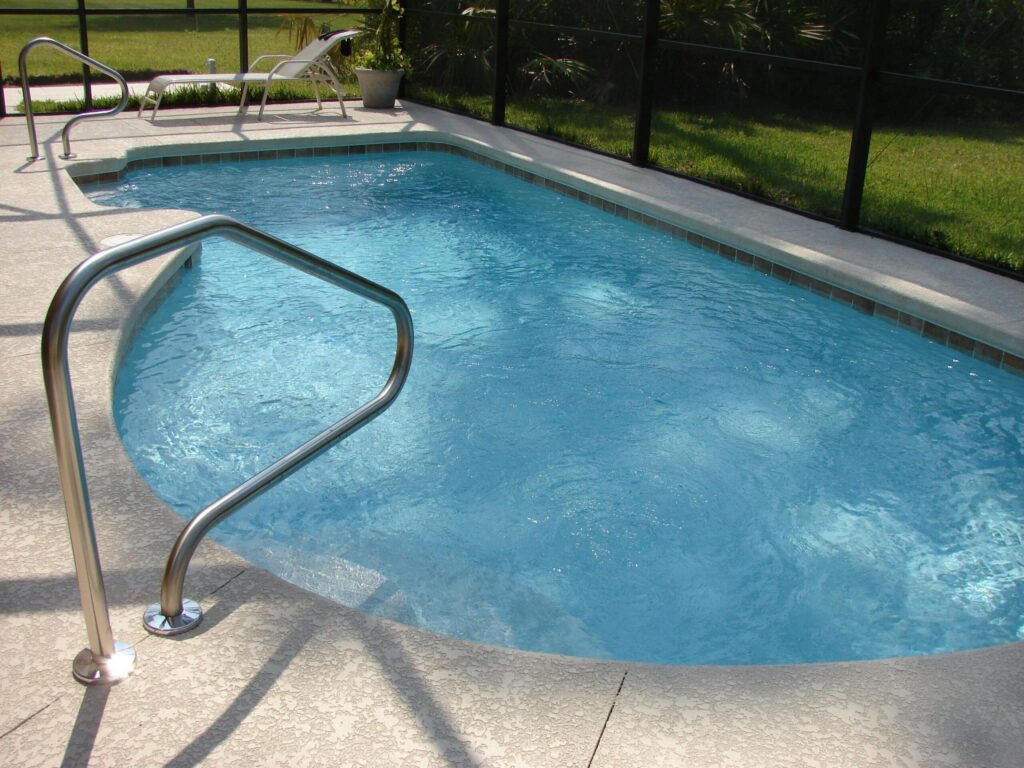
Custom Pool Design
Professional designers work with you to create the PERFECT pool for your family and your yard.
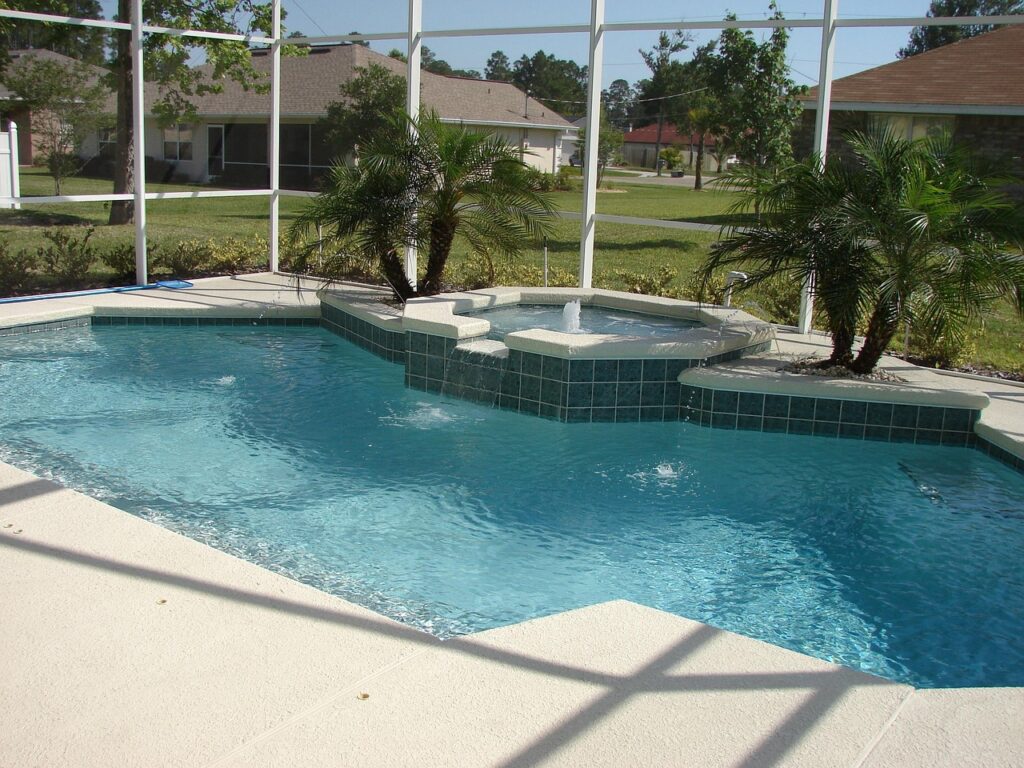
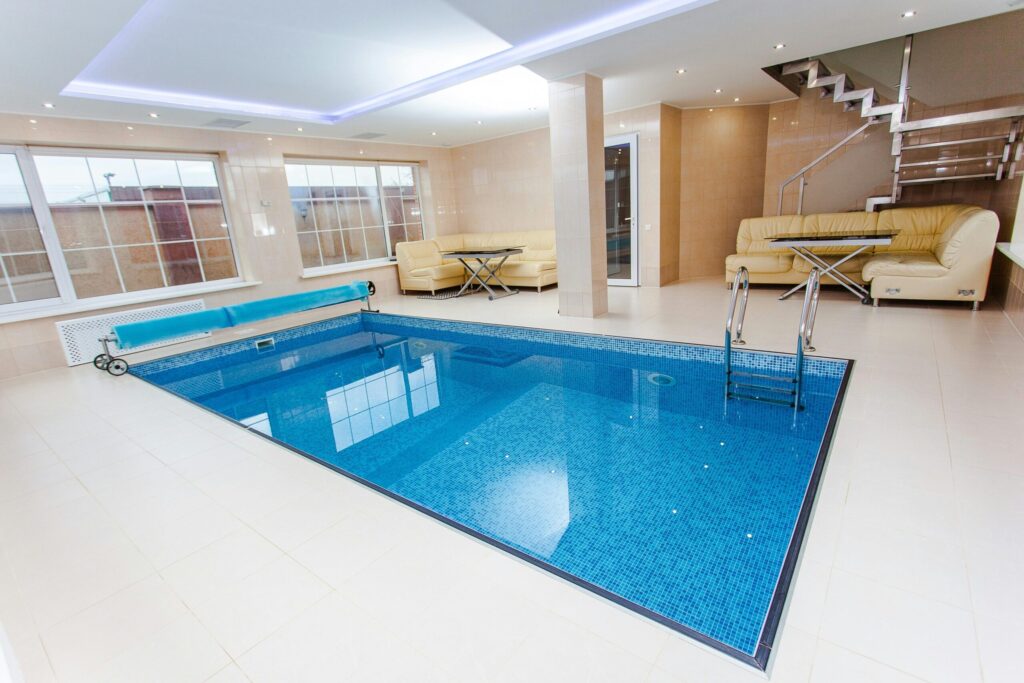
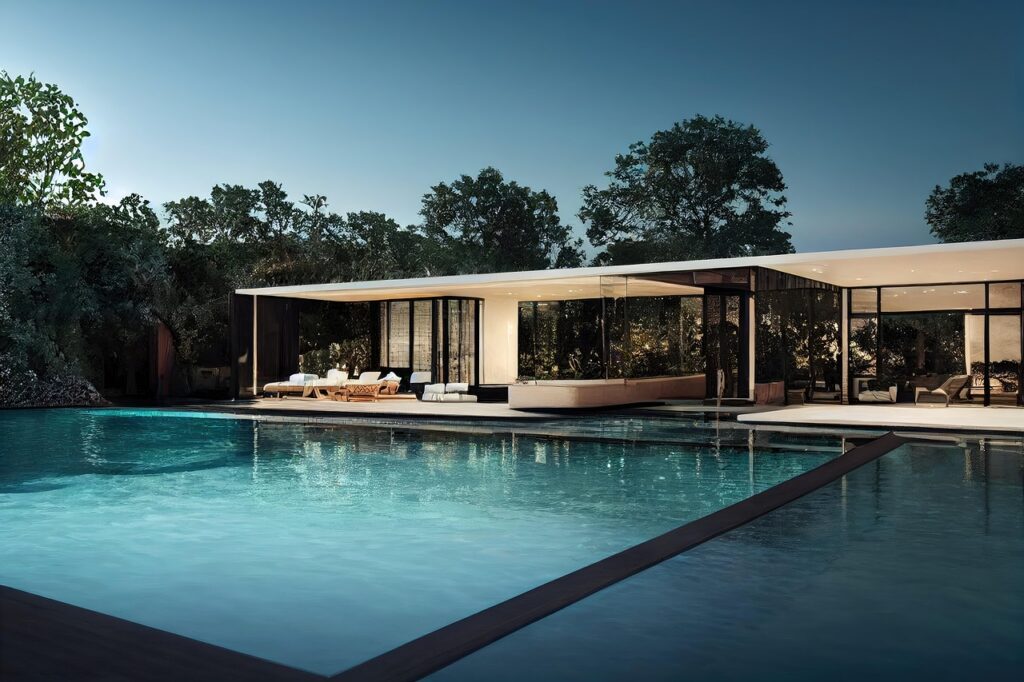
Our Pool Construction Process
1. Initial Consultation & Goals
We discuss your pool vision, budget, intended use, and property characteristics. Understanding your goals helps match you with appropriate pool contractors.
2. Site Evaluation
Contractors visit to assess your property including yard size and slope, soil conditions, sun exposure, access for equipment, utility locations, and drainage.
3. Design & Scope Definition
Contractors create pool designs showing shape, size, depth, equipment placement, and integration with outdoor space. Engineering addresses structural requirements and site-specific conditions.
4. Contractor Matching
We connect you with experienced, licensed pool contractors. You receive multiple detailed proposals comparing designs, materials, features, and pricing.
5. Permits & Construction
Work proceeds in phases:Excavation and site preparation Plumbing and electrical rough-in Steel installation (gunite) or shell placement (fiberglass/vinyl) Gunite application (if applicable) Equipment installation Decking and coping Tile and finishing Fill and startup
6. Final Inspection & Walkthrough
All work undergoes required inspections. Contractors provide equipment operation training, chemical maintenance guidance, and winterization procedures specific to Reno's climate.
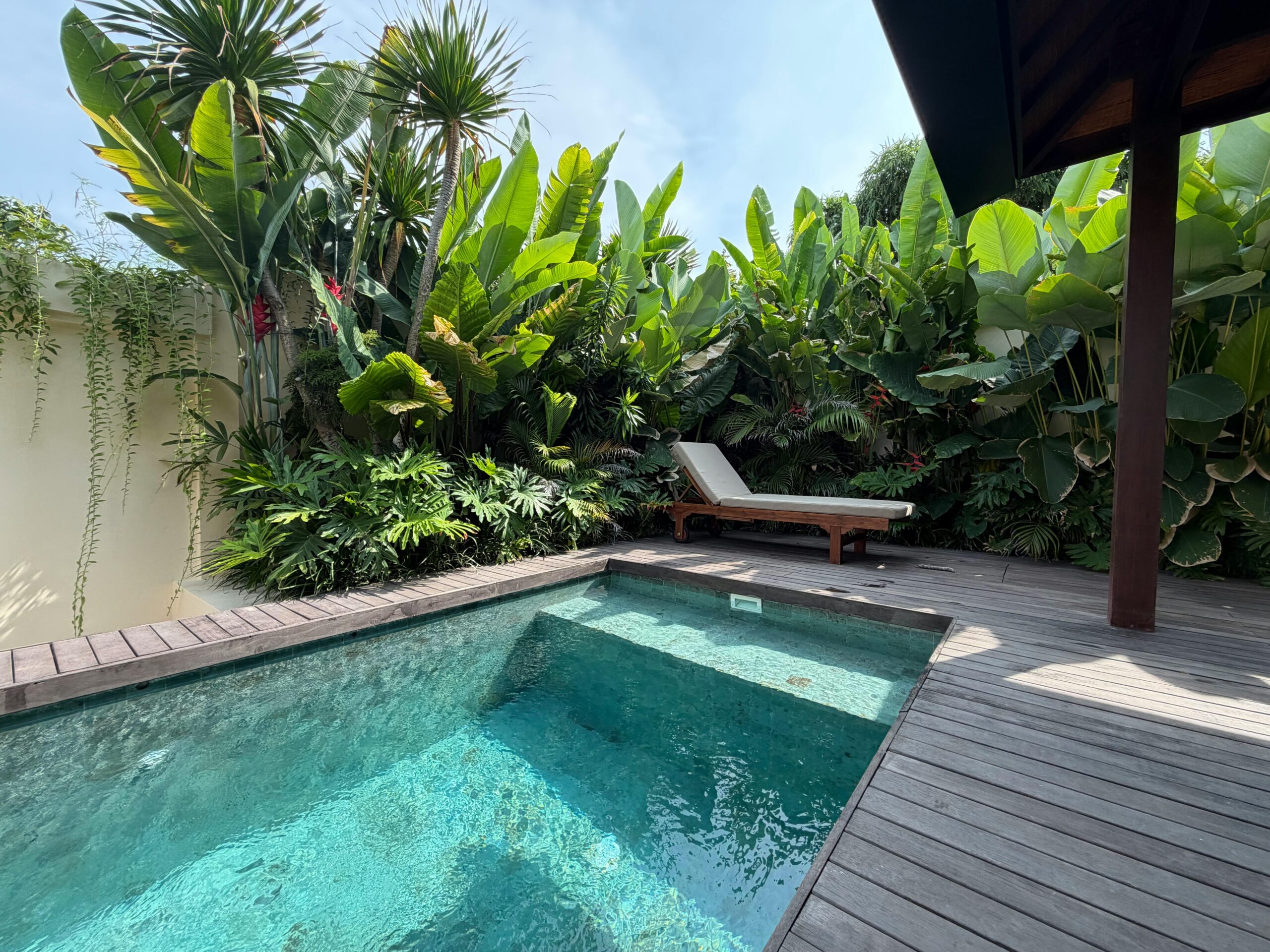
Pool Construction in Virginia City Highlands — What Homeowners Should Know
Rural Mountain Community Character
Virginia City Highlands is a rural residential area located between Reno and historic Virginia City along Geiger Grade Road (SR 341), sitting at elevations around 5,990 feet in the Virginia Range. The community encompasses several subdivisions including Highland Ranches, Pleasant Valley Ranchos, and Virginia Ranches, developed primarily from the late 1970s through the 2010s with continued custom construction on remaining parcels. The area offers true mountain living with large wooded lots ranging from one acre to over twenty acres, native pinion pine forests, sagebrush-covered rolling hills, and spectacular views of the surrounding valleys and mountain ranges. Homes are exclusively custom-built, ranging from modest country estates to substantial luxury properties, generally featuring traditional or rustic mountain architectural styles. The community maintains a distinctly rural character where wildlife sightings are common, night skies remain dark and star-filled, and neighbors enjoy considerable privacy with houses often set quite far apart. Many properties are zoned for horses, with the number permitted depending on parcel size, making this an attractive area for equestrian enthusiasts.
Infrastructure and Utilities
Virginia City Highlands operates entirely on well water and septic systems, with no municipal water or sewer service available. Each property relies on private domestic wells typically ranging from 75 feet to over 1,100 feet deep, depending on location within the community and groundwater conditions. Water table levels have been declining in some areas due to development, with some residents needing to deepen existing wells or drill replacement wells over time. Homeowners planning pool construction must verify their well’s capacity to handle additional water demand for pool filling and ongoing maintenance. Most properties have electricity service, though some parcels remain off-grid with solar systems. Propane tanks provide gas service for heating and appliances. The majority of roads are unpaved dirt and gravel surfaces maintained by the Virginia City Highlands Property Owners Association, with snow removal provided during winter months. The rural, off-grid nature of the community requires self-sufficiency and advance planning for any significant water use like pool installation.
Virginia City Highlands Property Owners Association
The Virginia City Highlands Property Owners Association (VCHPOA) manages road maintenance, snow removal, and architectural review for the community. The association’s Architectural Committee meets monthly and reviews proposed exterior improvements including pool construction. While HOA requirements are generally less restrictive than those in planned communities closer to Reno, homeowners should submit pool plans for review before beginning construction. The committee considers factors like property setbacks, screening from neighbors, and integration with the rural setting. Meeting minutes and contact information are available through the association’s website and Facebook page. Getting architectural approval early helps avoid potential conflicts and ensures your pool design respects community standards while maintaining the rural mountain character that defines Virginia City Highlands.
Storey County Permitting Requirements
Pool construction in Virginia City Highlands falls under Storey County jurisdiction and requires building permits through the county’s Community Development/Building Department. The permitting process involves submitting detailed plans via email to plans@storeycounty.org, including site plans showing property boundaries, setbacks, existing structures, well and septic locations, and proposed pool placement. Storey County follows the Northern Nevada Code Amendments and International Swimming Pool and Spa Code, which mandate proper safety barriers including 48-inch fencing with self-closing, self-latching gates. Electrical work requires separate permits and must be completed by licensed electricians, with inspections conducted before equipment startup. Plumbing permits cover pool circulation systems and water features. The county office is located in Virginia City with staff available weekdays to answer questions about specific requirements. Contractors familiar with Storey County’s submittal process and rural construction requirements can help navigate approvals efficiently.
High-Elevation Mountain Climate
Virginia City Highlands’ elevation around 6,000 feet creates distinct climate conditions that significantly affect pool construction and operation. The area experiences warm summer days with abundant sunshine but cool mountain evenings, with temperatures often dropping 15 to 20 degrees after sunset. Winter brings substantial snowfall, extended freezing temperatures, and challenging road conditions that typically require four-wheel drive vehicles. The construction season generally runs from late spring through early fall, with weather limiting work outside these months. Proper winterization becomes essential for protecting pool equipment and plumbing from freeze damage during the long mountain winter. Pool heating systems are nearly mandatory for comfortable swimming beyond peak summer weeks, with solar heating particularly viable given the area’s excellent sun exposure. The high elevation affects water chemistry and equipment performance, requiring contractors to specify components rated for altitude conditions. Low humidity reduces algae growth but increases water evaporation. Strong winds along the ridges can affect heat retention and debris accumulation.
Rocky Terrain and Site Conditions
The Virginia Range’s rocky, mountainous terrain presents specific challenges for pool excavation throughout Virginia City Highlands. Rocky substrate is nearly universal across the area, often requiring specialized excavation equipment, rock hammers, or other techniques that increase both project timeline and cost. Many properties feature sloped or rolling topography that may require grading, retaining walls, or engineered foundations to create level pool areas. Soil conditions are typically well-draining given the rocky, sandy composition, but site-specific evaluation helps determine exact excavation approaches and drainage requirements. Properties with native pinion pines may need careful excavation planning to preserve mature trees while creating adequate space for pool construction. The rural, undeveloped nature of many lots means contractors sometimes encounter unexpected subsurface conditions during excavation. Septic system locations must be carefully considered when planning pool placement to maintain required setbacks and avoid any conflict with drain fields. Well locations and water lines also factor into site planning.
Rural Access and Construction Logistics
Virginia City Highlands’ rural location and unpaved roads create unique construction logistics challenges. Properties are accessed via Geiger Grade Road, a winding mountain highway that climbs from south Reno, taking at least twenty minutes to reach the community’s lower sections and potentially forty minutes or more to reach properties in the back sections. Most interior roads are unpaved dirt and gravel surfaces that can become challenging during wet weather or winter conditions. Equipment delivery to remote parcels requires planning around road conditions and access limitations. Some properties are located on private drives that may have turn radius limitations or seasonal restrictions. The rural setting means limited nearby suppliers or equipment rental facilities, potentially affecting delivery fees and scheduling. Distance from Reno also affects contractor response times for site visits, material delivery, and ongoing construction progress. Contractors experienced with Virginia City Highlands understand these access realities and can plan accordingly to maintain reasonable project timelines while managing logistics efficiently.
Pool Contractor Costs in Virginia City Highlands
Pool construction costs in Virginia City Highlands reflect both regional market conditions and the significant challenges of building in this rural, elevated mountain setting. Understanding cost ranges and the numerous site-specific factors helps homeowners budget realistically for pools appropriate to this unique location.
Typical Project Cost Ranges
| Pool Type | Typical Cost Range | Notes |
|---|---|---|
| Basic Vinyl Liner In-Ground Pool | $28,000 – $38,000 | Standard shape, minimal features, accessible lot |
| Fiberglass In-Ground Pool | $38,000 – $55,000 | Pre-manufactured shell, faster installation |
| Gunite/Concrete In-Ground Pool | $55,000 – $85,000+ | Custom shapes, unlimited design options |
| Custom Pool with Features | $80,000 – $150,000+ | Integrated spa, water features, extensive hardscaping |
| Above-Ground Pool Installation | $7,000 – $14,000 | Including site preparation and decking |
These ranges reflect general market conditions with adjustments for rural mountain construction factors. Actual costs vary significantly based on specific site conditions, access challenges, and feature selections.
Key Factors That Influence Pricing
Rocky Excavation and Site Preparation: Rocky soil conditions universal throughout Virginia City Highlands often require specialized excavation equipment beyond standard machinery, significantly increasing both labor costs and timeline. Some sites may need rock hammering, drilling, or other specialized techniques. Properties with slopes require grading work and potentially retaining walls to create level pool areas, adding substantial expense. The extent of rock encountered varies by specific location and can only be fully assessed once excavation begins. Preserving mature pinion pines during construction may require careful hand work around root systems. These rural site preparation challenges typically add several thousand dollars compared to standard suburban construction.
Rural Access and Distance Factors: The remote location affects project costs in multiple ways. Equipment delivery fees increase due to distance from Reno and the time required to transport materials up Geiger Grade Road to the property. Some specialized equipment or materials may incur premium delivery charges. Contractor travel time for site visits, inspections, and daily construction adds to labor costs. Limited nearby supplier options mean some materials must be sourced from Reno or Carson City. Unpaved road conditions may require smaller equipment or additional precautions that affect efficiency. These access and distance factors can add 10 to 20 percent to overall project costs compared to easily-accessible suburban locations.
Well Capacity and Water Supply: Filling a pool requires substantial water volume—typically 15,000 to 25,000 gallons for average-sized pools. Homeowners must verify their well can produce sufficient water without depleting the aquifer or damaging the well system. Some wells in Virginia City Highlands have limited production capacity, potentially requiring slow-fill approaches spread over days or weeks. In cases where well capacity is insufficient, homeowners may need water hauling services that charge by the truckload, adding significant expense. Well pump systems may need upgrading to handle pool equipment demands. These water supply considerations are unique to rural well-dependent properties and must be evaluated during planning.
Heating and Climate Control Systems: The high-elevation climate makes pool heating nearly essential for comfortable swimming beyond mid-summer weeks. Gas heaters provide rapid heat-up but require propane delivery service. Electric heat pumps offer efficiency but performance decreases at elevation and during cool evenings. Solar heating systems work well given abundant sunshine but require initial investment and space for panel installation. Quality covers become important for heat retention during cool nights and for protecting the pool during the long winter closure. Variable-speed pumps rated for elevation provide better efficiency than single-speed units. These climate control investments add substantially to initial costs but enable much greater pool use throughout the brief mountain summer season.
Virginia City Highlands-Specific Cost Considerations
Several factors unique to Virginia City Highlands significantly affect pool construction budgets beyond standard considerations. Rocky excavation should be anticipated as nearly certain rather than possible. The rural location means delivery fees for materials and equipment will be higher than for Reno-area projects. Limited contractor availability willing to work in remote locations may affect competitive bidding. The short construction season at this elevation—generally May through September—creates scheduling constraints when contractor demand is highest. Winter weather can delay project timelines if work extends into fall. Septic system setback requirements must be carefully verified during planning. Well capacity testing may require additional upfront costs. The absence of municipal water means initial pool filling costs must be factored. Properties on unpaved roads may need extra site cleanup and dust control during construction. HOA architectural review adds time to the approval process. Equipment screening that harmonizes with the rural setting requires thoughtful design.
The Importance of Transparent, Itemized Estimates
Rural mountain pool construction involves numerous variables that make detailed, transparent pricing essential. Quality contractors provide comprehensive estimates breaking down all cost components: site assessment and preparation, rock excavation specifics, pool structure and materials, equipment and circulation systems, heating and climate control, electrical and plumbing systems including well integration considerations, decking and hardscaping, landscaping and site restoration, safety barriers and fencing, equipment screening, permits and fees, water supply for initial filling, warranty coverage, and winterization services. Itemized estimates allow homeowners to understand exactly what they’re paying for and why rural construction costs more than suburban projects. Detailed pricing helps identify unusually high or suspiciously low bids that may indicate scope misunderstandings. Reputable contractors explain payment schedules tied to clear milestones and discuss how unexpected site conditions—such as encountering particularly difficult rock formations or inadequate well capacity—would be addressed and priced. They provide realistic timelines accounting for the short construction season and potential weather delays. This transparency enables informed decision-making about feature selections and helps establish appropriate contingency budgets for rural construction uncertainties.
What Makes Our Contractor Network Different
Rural Mountain Construction Expertise
Building pools in Virginia City Highlands’ remote mountain setting requires specialized knowledge that our network contractors bring to every project. They understand the challenges of rocky excavation at elevation, know how to work with well water systems and limited supply capacity, and have experience with the access limitations that define rural construction. Their familiarity with unpaved road conditions, equipment delivery logistics, and the extended timelines that remote locations require prevents costly surprises. They know how to plan construction around the short mountain building season and can recommend designs appropriate for this rural setting. This mountain construction expertise ensures realistic project planning and successful outcomes despite the additional challenges compared to suburban pool building.
Storey County and HOA Knowledge
Contractors in our network understand Storey County’s permitting requirements and submittal procedures, including the email-based plan review process and inspection coordination. They know the Northern Nevada Code Amendments and International Swimming Pool and Spa Code requirements specific to this jurisdiction. Their experience with the Virginia City Highlands Property Owners Association means they can guide homeowners through architectural review and ensure pool designs meet community expectations while respecting the rural character. This regulatory familiarity helps projects move through approvals smoothly without delays from incomplete submissions or misunderstanding of requirements unique to this rural county jurisdiction.
Well Water and Septic System Integration
Working with well water systems and septic considerations requires knowledge that separates experienced rural contractors from suburban-focused builders. Our network contractors understand how to assess well capacity for pool filling, coordinate with well service providers if upgrades are needed, design proper setbacks from septic systems and drain fields, and integrate pool plumbing without compromising existing rural infrastructure. They can advise on water conservation strategies for well-dependent properties and recommend equipment appropriate for homes on well water. This understanding of rural utility systems prevents conflicts between pool construction and the essential well and septic systems that Virginia City Highlands properties depend on.
High-Elevation Climate and Winterization
The challenges of operating pools at 6,000-foot elevation require specific expertise. Contractors in our network specify equipment rated for altitude conditions, understand freeze protection requirements for the long mountain winter, and can recommend appropriate heating systems for cool evening temperatures. They know proper winterization procedures essential for protecting pools during months of freezing weather and can connect homeowners with seasonal service providers familiar with mountain conditions. Their experience with Virginia City Highlands’ climate ensures pools are built to withstand harsh winters and function reliably during the brief but beautiful mountain summer season.
Local Availability and Mountain Area Service
Working with contractors who regularly service the Reno-Virginia City corridor means they understand the logistics of reaching remote properties and maintaining relationships with mountain area clients. They’re available for follow-up questions, seasonal service coordination, and addressing any issues that develop after project completion. Their familiarity with the area means reasonable response times despite the distance from urban centers. This ongoing availability provides confidence that your significant investment in a rural mountain pool is supported by professionals who understand the unique service considerations of Virginia City Highlands and won’t disappear after the project concludes.
Licensed & Insured Contractors Only
Every contractor in our network maintains active Nevada state licensing appropriate for pool construction, including C-24 Pool and Spa Construction licenses where required. We verify current general liability insurance and workers’ compensation coverage before making referrals, protecting homeowners from liability exposure during construction on remote mountain properties where access challenges and rocky excavation increase risk factors. This vetting process ensures you’re working with legitimate professionals who meet state requirements and carry proper insurance protection. You can proceed confidently knowing contractors have been pre-screened for licensing and insurance compliance, particularly important when working with contractors traveling to remote locations where verification might otherwise be challenging.
Let's Start Your Pool Project in Virginia City Highlands!
Getting started is easy – simply reach out with details about your Pool project, and we’ll connect you with qualified, licensed contractors.
Need Help?
Frequently Asked Questions About Pool in Virginia City Highlands
Below are some of the most common questions our network get families about Pool. If you have any other questions contact us!
How long does pool construction take?
Timeline varies by pool type. Fiberglass: 1-2 weeks. Vinyl liner: 2-4 weeks. Gunite: 8-14 weeks depending on size and features. Weather, permits, and inspections can extend timelines. Design and permitting add 4-8 weeks before construction.
What's the best pool type for Reno's climate?
All pool types work in Reno with proper winterization. Gunite offers most design flexibility and durability. Fiberglass provides quick installation and smooth surface. Vinyl liner costs less initially but requires periodic liner replacement. Choice depends on budget, desired features, and priorities.
Can I use my pool year-round in Reno area?
Not practically without significant heating expense. Comfortable outdoor swimming season: late May through early September. Heating extends to April-October but costs substantial. Winter use requires enclosure and continuous heating—very expensive.
Do I need a fence around my pool?
Yes, building codes require barriers preventing unsupervised child access. Fence must be 4-5 feet high with self-closing, self-latching gate. House can serve as one barrier side if doors have alarms. This is a legal requirement, not optional.
Talk to a Pool Contractor in Virginia City Highlands
Whether your property is in Highland Ranches, Pleasant Valley Ranchos, Virginia Ranches, or elsewhere in the Virginia City Highlands area, finding the right pool contractor makes the difference between a successful project and a frustrating experience. Our network includes professionals who regularly work in rural mountain communities and understand the specific challenges of building at elevation on rocky terrain with well water systems and remote access. They serve the broader Virginia Range area including properties along Geiger Grade and nearby Lockwood, and understand the unique permitting and construction considerations that come with Storey County jurisdiction.