
Professional Pool Contractors in Dayton, NV
Looking for trusted Swimming Pool Builders in Dayton? We connect families with expert pool contractors who turn ordinary backyards into extraordinary outdoor resorts!
Popular Pool Services in Dayton
Custom Pool Design
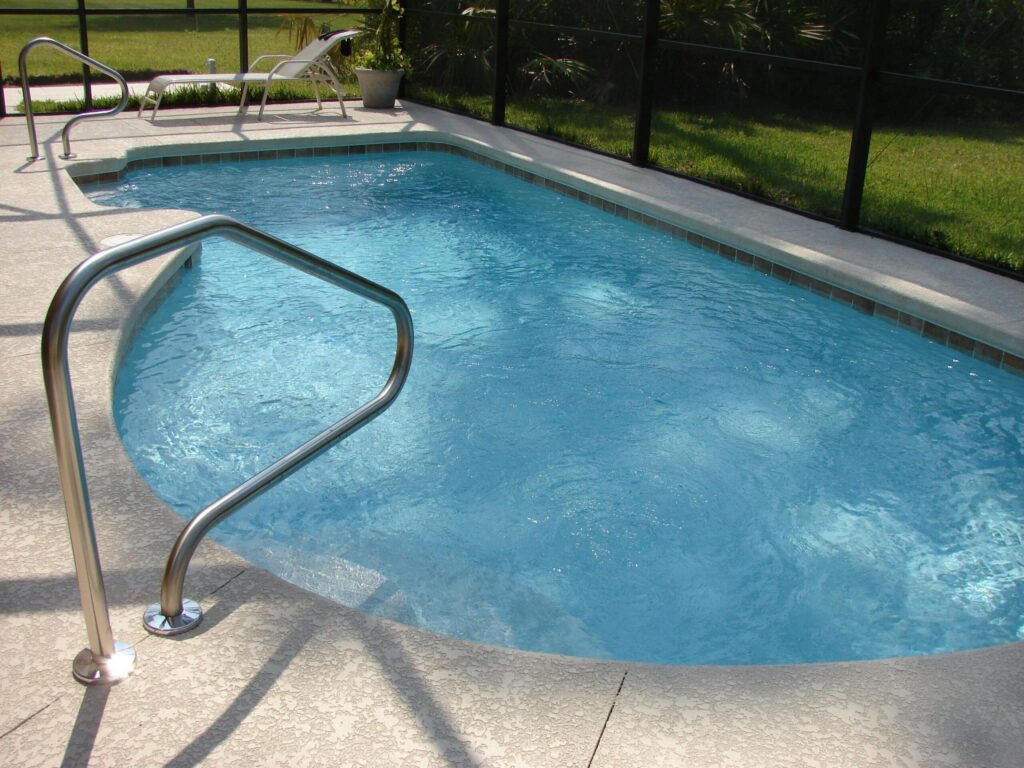
Professional designers work with you to create the PERFECT pool for your family and your yard.
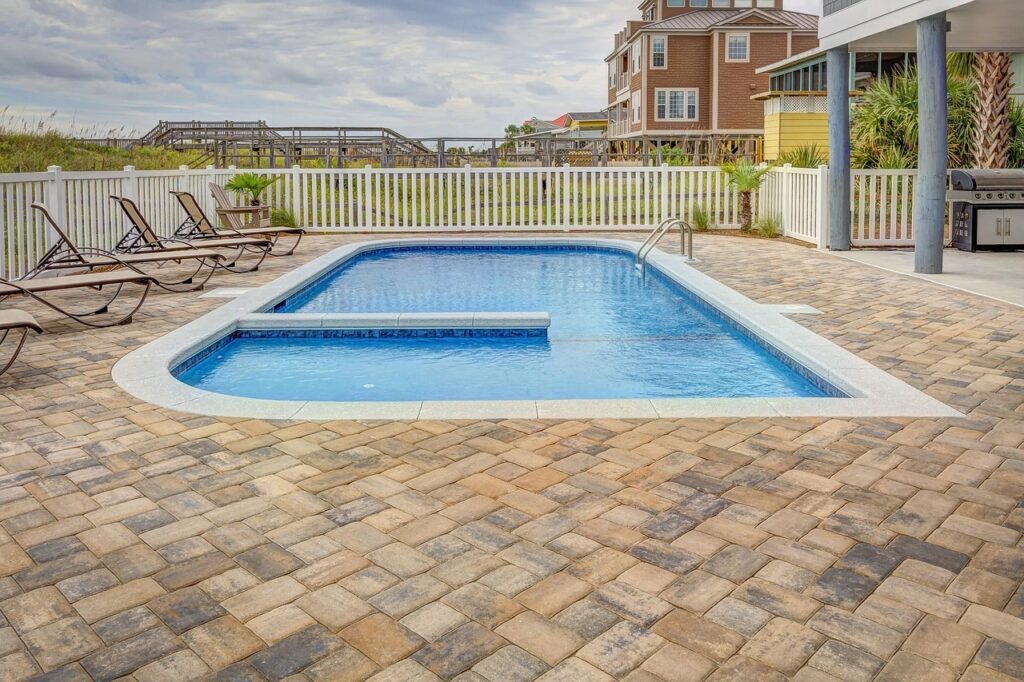
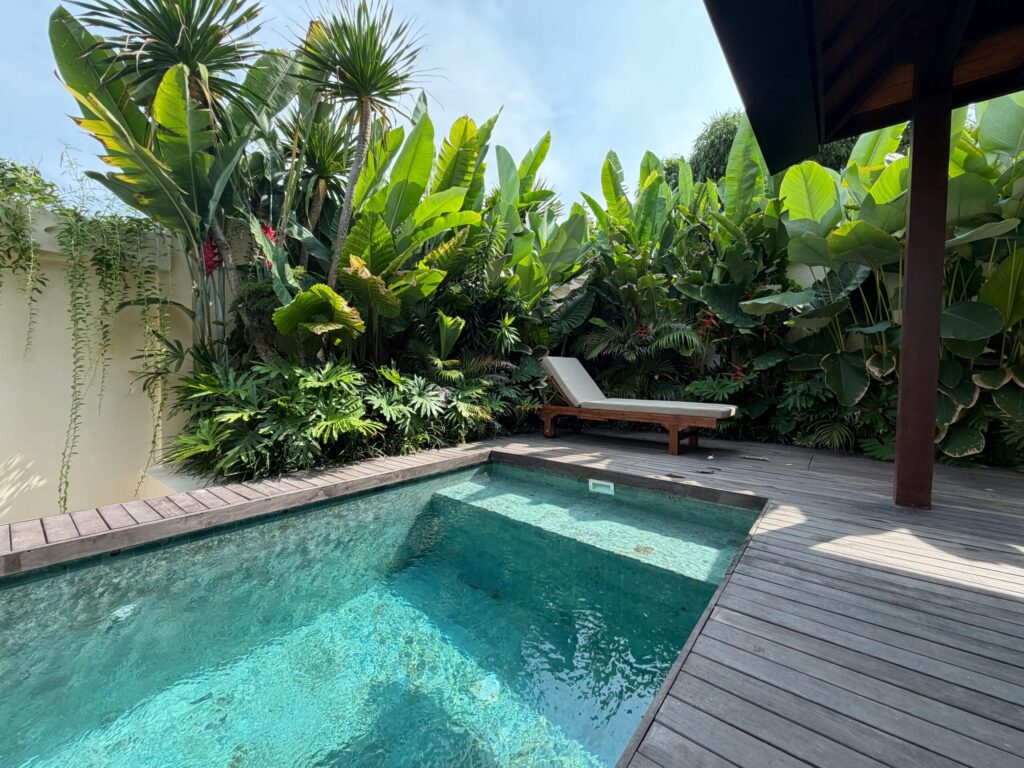
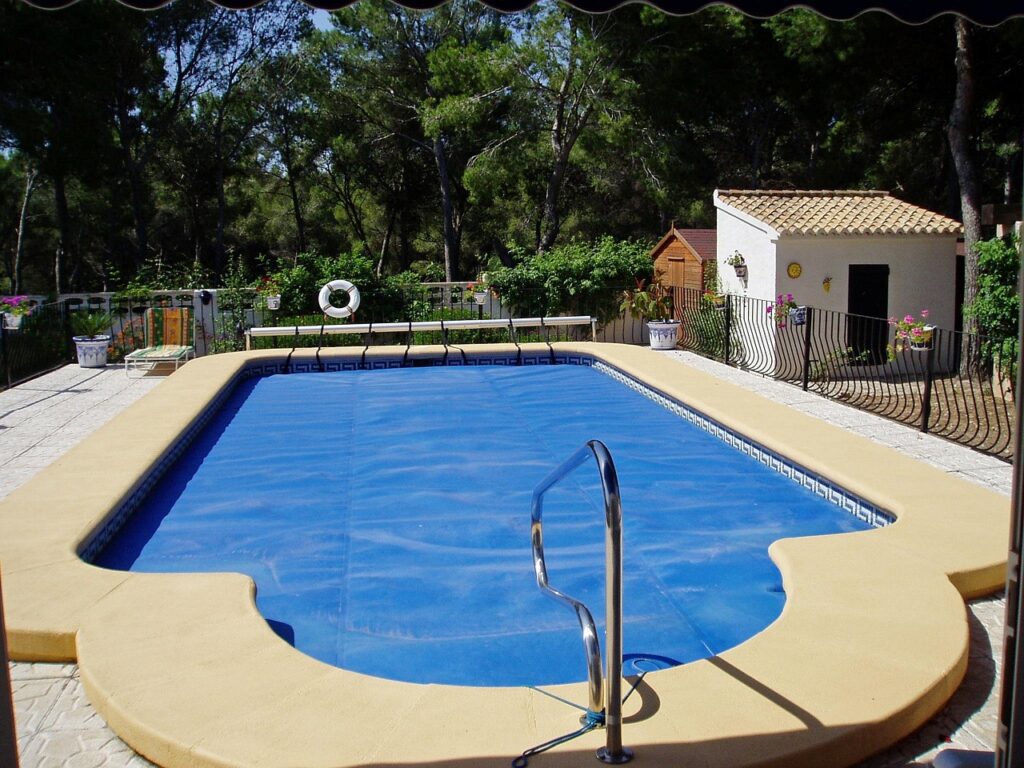
Our Pool Construction Process
1. Initial Consultation & Goals
We discuss your pool vision, budget, intended use, and property characteristics. Understanding your goals helps match you with appropriate pool contractors.
2. Site Evaluation
Contractors visit to assess your property including yard size and slope, soil conditions, sun exposure, access for equipment, utility locations, and drainage.
3. Design & Scope Definition
Contractors create pool designs showing shape, size, depth, equipment placement, and integration with outdoor space. Engineering addresses structural requirements and site-specific conditions.
4. Contractor Matching
We connect you with experienced, licensed pool contractors. You receive multiple detailed proposals comparing designs, materials, features, and pricing.
5. Permits & Construction
Work proceeds in phases:Excavation and site preparation Plumbing and electrical rough-in Steel installation (gunite) or shell placement (fiberglass/vinyl) Gunite application (if applicable) Equipment installation Decking and coping Tile and finishing Fill and startup
6. Final Inspection & Walkthrough
All work undergoes required inspections. Contractors provide equipment operation training, chemical maintenance guidance, and winterization procedures specific to Reno's climate.
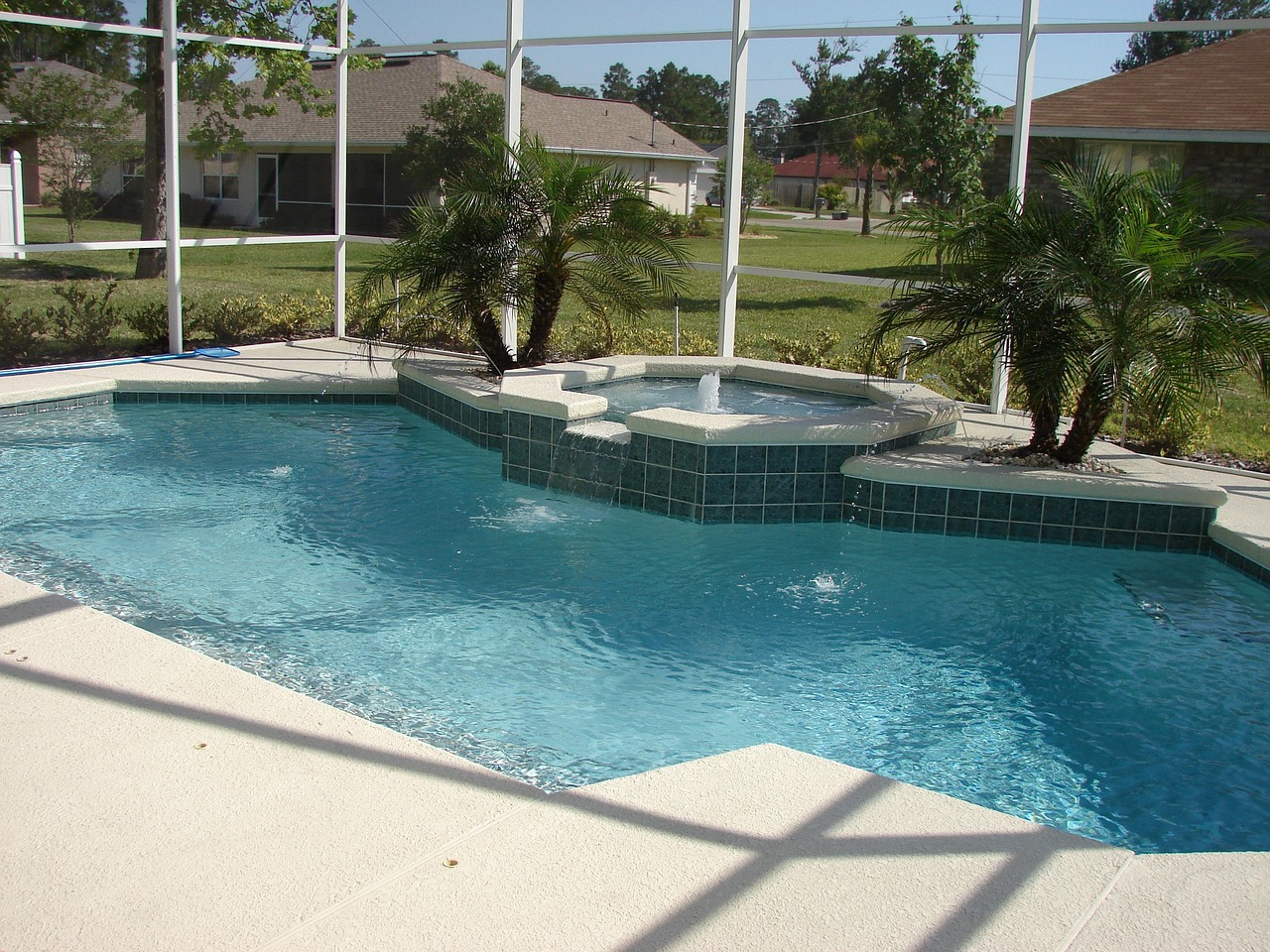
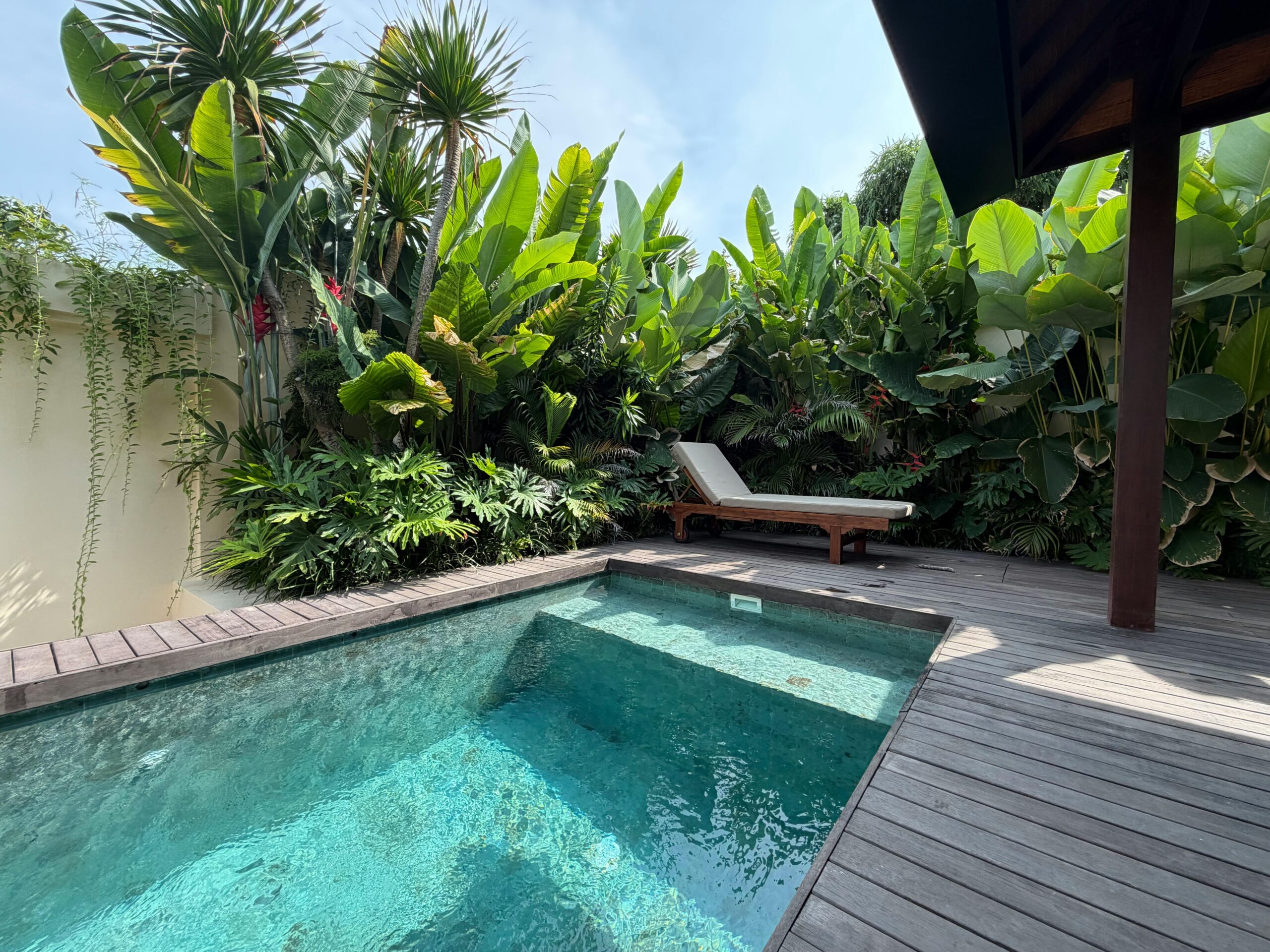
Pool Construction in Dayton — What Homeowners Should Know
Historic Character and Modern Growth
Dayton holds the distinction of being Nevada’s second-oldest settlement (after Genoa) and the site of the state’s first gold discovery in 1849. This rich history is preserved in Old Town Dayton along Main Street, where historic buildings including the Odeon Hall and the 1865 schoolhouse reflect the community’s mining past. However, since the 1990s, Dayton has experienced remarkable residential growth, transforming from a quiet historic town into an expanding bedroom community for Carson City. The current population exceeds 15,000, with newer subdivisions spreading across Dayton Valley on both sides of the Carson River. Housing ranges from historic properties in the older sections to modern homes in developments like Heritage Ranch, Legends, and the expanding areas along Dayton Valley Road and Ferretto Parkway. Many properties sit on generous lots, particularly those outside the newer planned communities, providing ample space for pool installations.
Lyon County Permitting Process
Since Dayton is an unincorporated community, all building permits are processed through Lyon County’s Building Department. The county maintains offices in both Yerington (the county seat) and at the Dayton Utilities Building on Lakes Boulevard for local convenience. Pool installations require comprehensive permits that include detailed site plans, equipment specifications, barrier compliance documentation, and electrical plans. Lyon County has adopted the International Swimming Pool & Spa Code along with Northern Nevada amendments, which establishes specific requirements for pool safety barriers, equipment placement, and construction standards. Contractors must submit plan review deposits with applications, and projects require multiple inspections throughout construction. Working with contractors who maintain Lyon County business licenses and understand the county’s submittal process helps ensure smooth permit approval and inspection coordination.
Desert Climate Considerations
Dayton experiences a high desert climate with hot, dry summers and cold winters. Summer temperatures regularly reach the upper 80s to low 90s, with occasional days exceeding 95°F, while winter lows can drop into the low 20s with periodic snowfall. The community receives only about 8 inches of rain and 13 inches of snow annually, with approximately 255 sunny days per year. This dry climate creates significant evaporation from pools during summer months, which affects ongoing water consumption and maintenance costs. Many Dayton homeowners find that pool covers are essential for managing water loss and keeping debris out during windy conditions. The extended sunny season makes pools viable for recreational use from late spring through early fall, and heating systems can extend the swimming season considerably. Temperature fluctuations and intense UV exposure also influence material selection for pool surfaces, equipment, and surrounding hardscaping.
Carson River Location and Water Considerations
Dayton’s position along the Carson River has shaped the community’s development since its founding. Properties in certain areas may be subject to flood zones or drainage considerations related to the river, particularly following the significant Carson River flood of 1997 that altered the river’s flow. Most properties in newer subdivisions have municipal water service, while some older or more rural properties may rely on private wells. If you’re on municipal water, filling a pool will result in a noticeable increase in your water bill—typically 15,000 to 25,000 gallons for an average residential pool. Well users need to plan around their well’s capacity and recovery rate, and some may opt to have water trucked in. Your contractor should evaluate your specific property’s water access as part of the planning process.
Lot Sizes and Site Conditions
Property characteristics vary significantly across Dayton. Historic Old Town properties near Main Street and Pike Street tend to be smaller and more irregular, often requiring creative pool placement. Newer subdivisions typically offer more spacious, standardized lots ranging from quarter-acre to half-acre or larger. Rural properties along the Carson River or in the valley can encompass multiple acres. The terrain in Dayton is generally level to gently rolling, though properties closer to the Virginia Range foothills may have more pronounced elevation changes. Soil conditions in this desert environment typically involve sandy or gravelly substrates that require careful excavation planning and appropriate base preparation for pool shells. Proper grading is essential to direct water away from pools and structures, preventing erosion and drainage issues.
HOAs and Historic District Considerations
Dayton presents a mix of regulatory situations. Newer planned subdivisions like Heritage Ranch and developments along Dayton Valley Parkway often have homeowner associations with varying levels of regulation regarding pool installations, fencing styles, and landscaping requirements. If you’re in a community with CC&Rs, verify any restrictions before finalizing your pool design. Properties in or near the historic Old Town district may have different considerations, though Dayton’s historic preservation focuses primarily on the preservation of historic structures rather than new construction restrictions. Regardless of location, Lyon County zoning establishes setback requirements from property lines, and your contractor will ensure pool placement complies with these standards.
Pool Contractor Costs in Dayton
Understanding what influences pool installation costs in Dayton helps homeowners budget appropriately and make informed decisions. Pricing varies based on pool type, size, features, and the unique characteristics of your property.
Typical Project Cost Ranges
| Pool Type | Typical Cost Range | Notes |
|---|---|---|
| Basic In-Ground Pool (12′ x 24′) | $42,000 – $68,000 | Includes excavation, shell, standard equipment, basic decking |
| Mid-Range In-Ground Pool | $68,000 – $98,000 | Custom shapes, upgraded finishes, heating, enhanced features |
| Premium Custom Pool | $98,000 – $145,000+ | Luxury finishes, water features, automation, extensive hardscaping |
| Above-Ground Pool Installation | $3,200 – $9,500 | Size and quality dependent; professional installation recommended |
| Pool Heater Addition | $2,500 – $5,500 | Significantly extends swimming season in northern Nevada |
| Safety Cover System | $1,500 – $3,500 | Manual covers; automated systems $8,000-$15,000 |
Key Factors That Influence Pricing
Property Location and Access
Installation costs can vary depending on where your property sits within Dayton. Historic Old Town properties may present access challenges with narrower streets and smaller lots that complicate equipment maneuvering and material delivery. Rural properties with longer driveways or unpaved access may require additional planning for heavy equipment and material staging. Properties in newer subdivisions typically offer straightforward access, which can help control costs.
Excavation and Soil Conditions
Dayton’s desert soil conditions affect excavation requirements and costs. The sandy and gravelly substrates common in the area may require different excavation techniques than clay-heavy soils. Rocky areas may necessitate additional equipment time or specialized removal methods. Properties with higher groundwater tables, particularly those closer to the Carson River, may require additional drainage solutions. Your contractor will evaluate soil conditions during the estimate phase to provide accurate pricing.
Pool Size, Shape, and Design Complexity
Larger pools require more materials, labor, and equipment time, which directly impacts cost. Simple rectangular or kidney-shaped pools are typically more economical than freeform designs with multiple elevations, beach entries, or integrated water features. Custom shapes, raised spas, tanning ledges, and architectural features all add complexity and expense. Consider how you plan to use the pool and allocate your budget accordingly—a well-designed standard pool often provides better value than an oversized installation with features you won’t regularly use.
Water Source and Utility Connections
Properties on municipal water will see a spike in their water bill for the initial pool fill. Well users need to account for their well’s capacity and may choose to have water trucked in, which adds cost. Electrical service for pool equipment requires proper installation that meets Lyon County code requirements, and longer runs from your electrical panel to the equipment location increase material and labor costs. Some rural properties may need electrical service upgrades to handle pool equipment loads.
Permits, Inspections, and County Fees
Lyon County charges permit fees based on project valuation, and pool installations require multiple inspections throughout construction. Plan review deposits, building permit fees, and inspection charges all contribute to overall project costs. Electrical permits may be separate from building permits. Your contractor should include these administrative costs in their estimate, but confirm what’s covered to avoid surprises.
Dayton-Specific Cost Considerations
Several factors unique to Dayton influence project budgets. The community’s location about 12 miles east of Carson City means contractors based in the capital city or Reno area typically don’t charge significant travel fees, though this should be confirmed. Dayton’s mix of older and newer properties means contractors need flexibility to work with varying site conditions—a skill that comes with experience in the area. Properties with Carson River views or backed to open space often warrant premium features that complement the natural setting, which affects budget allocation. The area’s growth has brought more contractors to Dayton, which can provide competitive pricing options for homeowners.
The Importance of Transparent, Itemized Estimates
Any contractor you work with should provide a detailed, written estimate that breaks down costs into clear categories—excavation, pool shell, equipment, plumbing, electrical work, decking, permits, and optional features. This transparency allows you to understand where your money is going and helps you make informed decisions about what to include now versus what to add later. The estimate should clearly state what’s included and excluded, such as whether fencing, landscaping, or post-construction cleanup are part of the quoted price. Ask about payment schedules, warranty coverage, and how change orders are handled. Getting everything documented protects both you and the contractor and helps prevent misunderstandings that can derail projects and inflate final costs.
What Makes Our Contractor Network Different
Choosing the right pool contractor isn’t just about competitive pricing—it’s about working with professionals who understand Dayton’s unique requirements and can deliver a project that meets your expectations while standing the test of time.
Lyon County Building Department Experience
Contractors in our network have established experience working with Lyon County’s Building Department, both at the Yerington office and the local Dayton office. They understand the specific requirements of the International Swimming Pool & Spa Code as adopted by the county, including Northern Nevada amendments. This familiarity means they know how to prepare plan sets that meet county standards for barrier compliance, equipment installation, and safety features on the first submission, reducing delays from plan rejections or requests for revisions. They also understand which aspects of pool construction typically require the most attention from county inspectors and can address these proactively.
Understanding Dayton’s Diverse Property Types
Dayton presents unique challenges with its mix of historic properties, newer subdivisions, and rural acreage. Our contractors have worked throughout this spectrum—from navigating tight access in Old Town to installing pools on spacious lots in Heritage Ranch to handling rural properties with well water and varying terrain. They understand how different parts of Dayton present different opportunities and constraints, from working around mature landscaping on established properties to coordinating with new construction in developing areas. This breadth of experience means they can adapt their approach to your specific property rather than applying a one-size-fits-all solution.
Climate-Appropriate Construction and Equipment
Northern Nevada’s high desert climate demands thoughtful planning and equipment selection. Our contractors understand which pool finishes hold up best under Dayton’s intense summer sun and temperature fluctuations between seasons. They can recommend appropriate heating solutions based on how you plan to use your pool and your budget for operational costs. They understand the importance of covers in this dry climate where evaporation is significant, and can advise on manual versus automated systems. Their equipment recommendations account for both summer heat and winter cold, ensuring longevity and minimizing seasonal issues.
Local Supplier Relationships and Trade Coordination
Experienced contractors maintain working relationships with reliable suppliers in the Carson City-Dayton-Reno area and coordinate with licensed electricians, plumbers, and other tradespeople who understand Lyon County’s building codes and installation requirements. These connections often translate to better material pricing, reliable delivery schedules, and coordinated work that keeps your project moving efficiently. When unexpected issues arise—whether it’s a utility line in an unanticipated location, equipment that arrives damaged, or weather delays—these relationships help resolve problems quickly rather than creating extended project delays.
Long-Term Presence and Accountability
Pool installations represent significant investments, and you want contractors who will be available years down the road if issues arise or you need service. Our network consists of established contractors with verifiable business presence in the Lyon County-Carson City area. They have reputations to protect in the community and understand that their long-term success depends on satisfied customers and quality work. This accountability matters when you need warranty service, have questions about maintenance, or want to add features to your pool in the future. You’re establishing a relationship with professionals who care about their work and their standing in the communities they serve.
Licensed & Insured Contractors Only
Every contractor in our network maintains active Nevada contractor licensing with the appropriate classifications for pool construction, carries current general liability insurance, and maintains workers’ compensation coverage. We verify these credentials before making any referrals to ensure you’re protected from liability and working with professionals who meet state requirements. This vetting process protects you financially if someone is injured on your property during construction and ensures you’re working with contractors who have demonstrated the competence and financial responsibility required for licensing. You can move forward with confidence knowing that the professionals we connect you with have met Nevada’s standards for contractor qualification.
Let's Start Your Pool Project in Dayton!
Getting started is easy – simply reach out with details about your Pool project, and we’ll connect you with qualified, licensed contractors.
Need Help?
Frequently Asked Questions About Pool in Dayton
Below are some of the most common questions our network get families about Pool. If you have any other questions contact us!
How long does pool construction take?
Timeline varies by pool type. Fiberglass: 1-2 weeks. Vinyl liner: 2-4 weeks. Gunite: 8-14 weeks depending on size and features. Weather, permits, and inspections can extend timelines. Design and permitting add 4-8 weeks before construction.
What's the best pool type for Reno's climate?
All pool types work in Reno with proper winterization. Gunite offers most design flexibility and durability. Fiberglass provides quick installation and smooth surface. Vinyl liner costs less initially but requires periodic liner replacement. Choice depends on budget, desired features, and priorities.
Can I use my pool year-round in Reno area?
Not practically without significant heating expense. Comfortable outdoor swimming season: late May through early September. Heating extends to April-October but costs substantial. Winter use requires enclosure and continuous heating—very expensive.
Do I need a fence around my pool?
Yes, building codes require barriers preventing unsupervised child access. Fence must be 4-5 feet high with self-closing, self-latching gate. House can serve as one barrier side if doors have alarms. This is a legal requirement, not optional.
Talk to a Pool Contractor in Dayton
Whether your home is in historic Old Town near Main Street, in one of the newer subdivisions along Dayton Valley Parkway or Ferretto Parkway, in Heritage Ranch or Legends, or on acreage along the Carson River, finding the right pool contractor makes all the difference in your project’s success. The contractors in our network understand what it takes to build successfully in Dayton—from managing Lyon County permits and working with the area’s desert soil conditions to selecting equipment that handles the high desert climate and designing installations that complement your property and Dayton’s unique character.