
Professional Patio Installation in Minden, NV
Looking for patio installation in Minden, NV? Your dream patio is waiting. Let's make it happen. Because every family deserves a backyard they actually want to use — and every hardworking contractor deserves to be found.
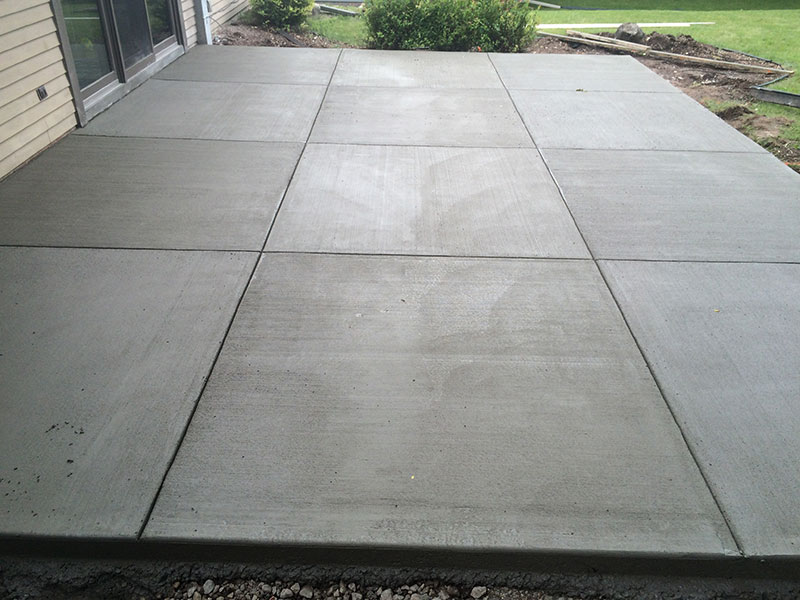
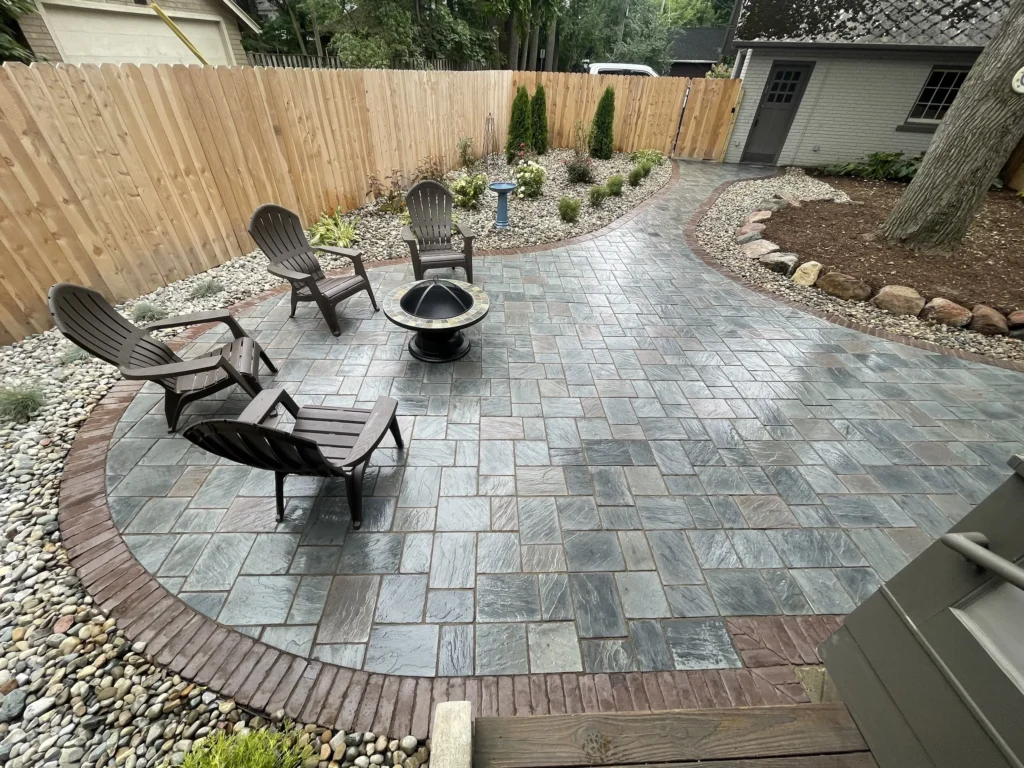
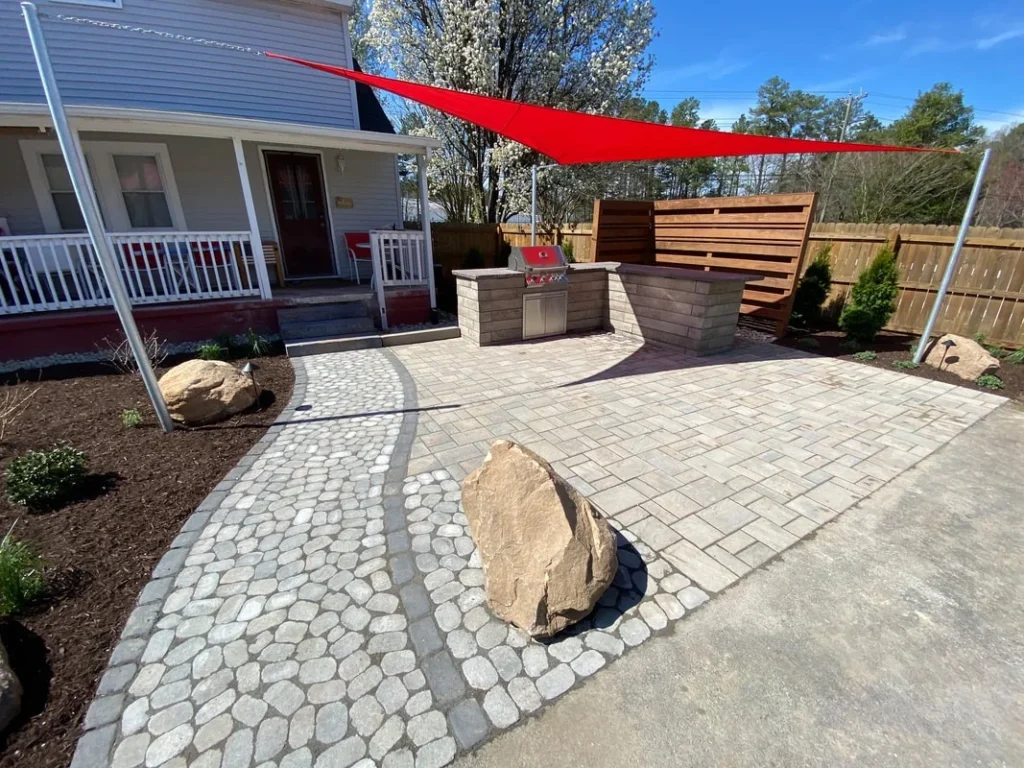
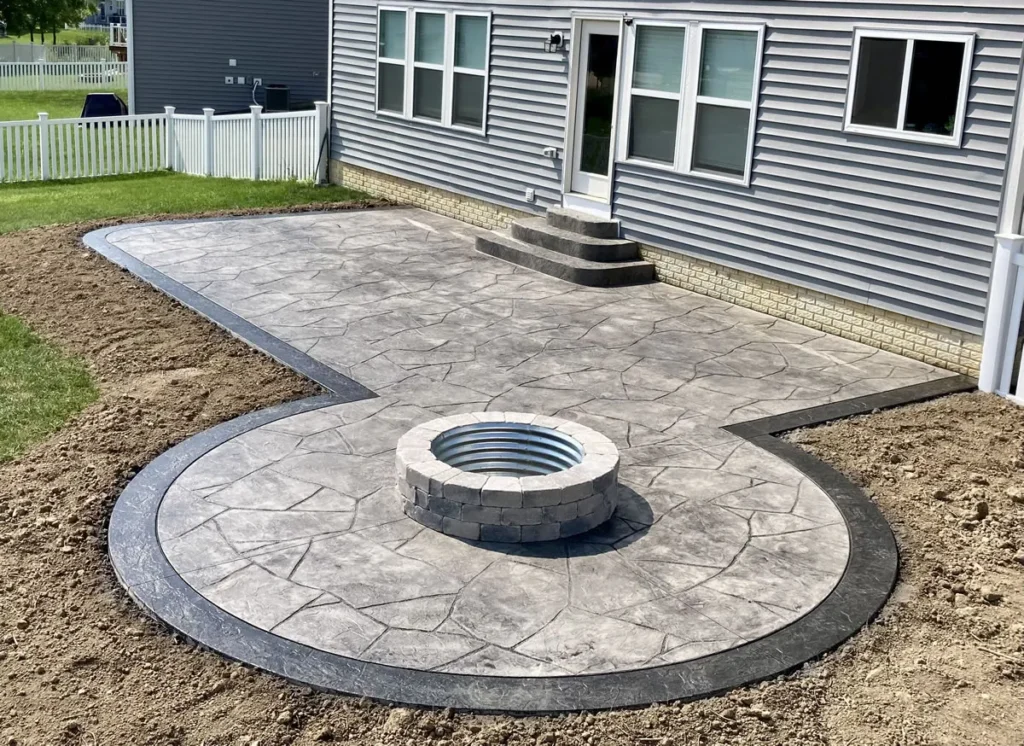
Popular Patio Installation Services in Minden
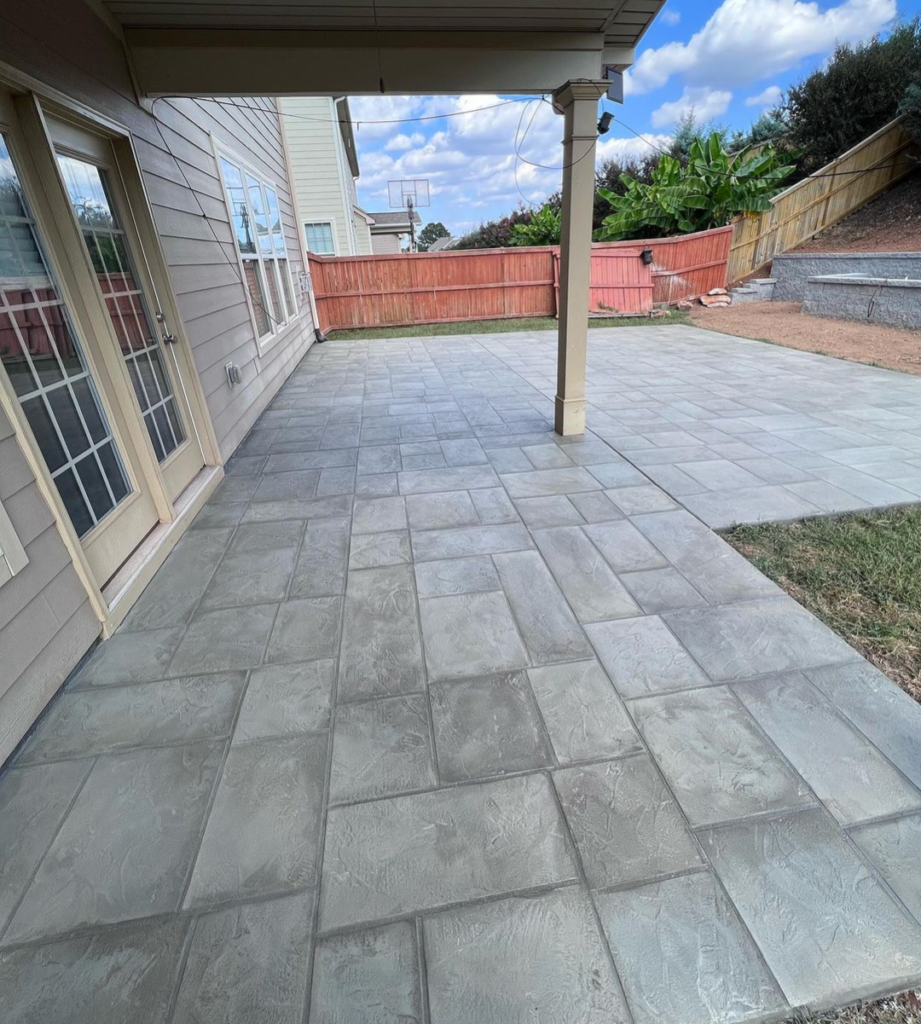
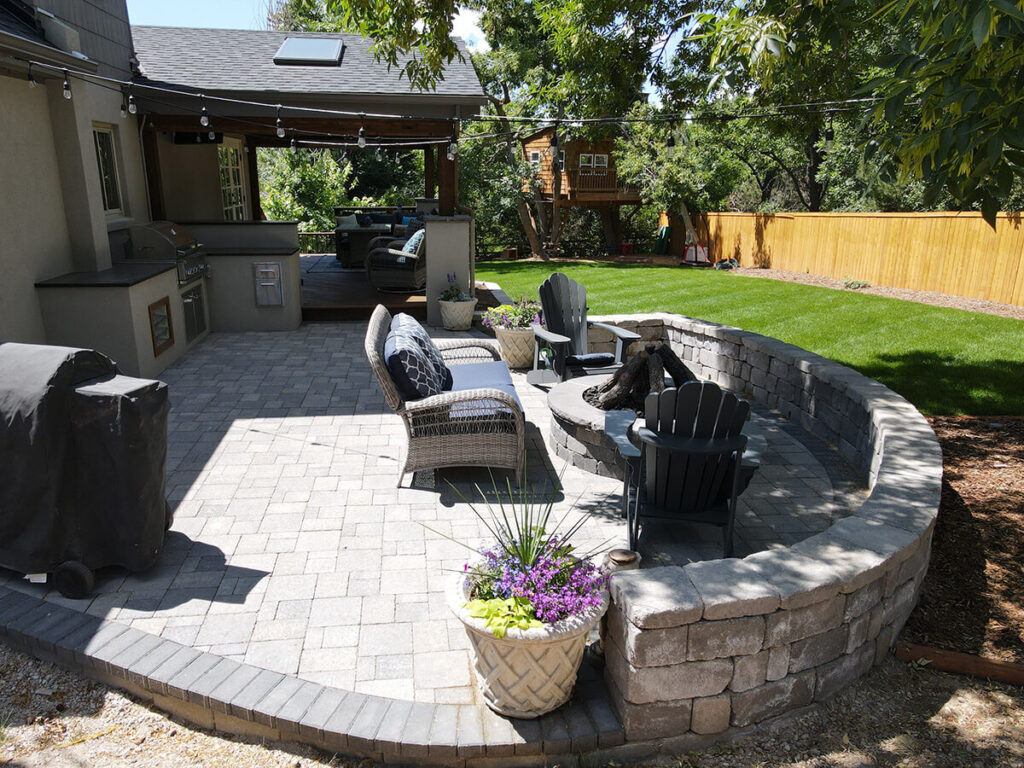
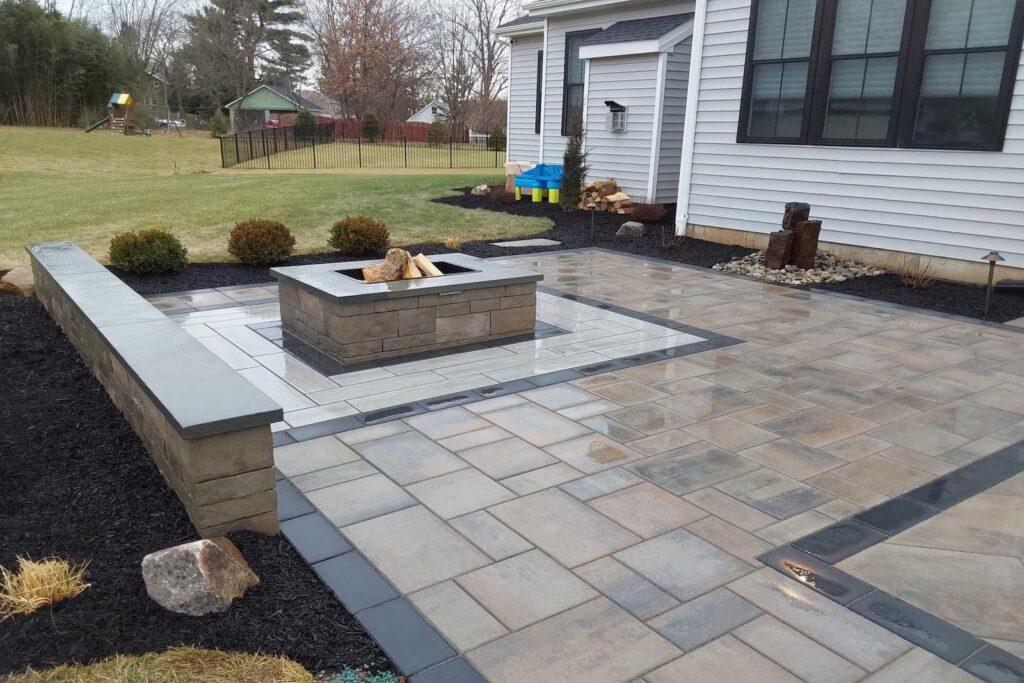
Our Patio Installation Process
1. Initial Consultation & Goals
We discuss your outdoor space goals, preferred materials, budget parameters, and how you plan to use the patio.
2. Site Evaluation
Installers evaluate your yard including soil conditions, drainage patterns, sun exposure, access for equipment, and existing landscaping.
3. Design & Scope Definition
Installers create patio design showing dimensions, material specifications, drainage plan, and integration with existing landscape features.
4. Contractor Matching
We connect you with experienced, insured patio installers. You receive multiple detailed quotes comparing materials, approaches, and pricing.
5. Permits & Construction
If required, installers obtain permits and utility clearances. They schedule work and order materials.
6. Final Inspection & Walkthrough
Installers review completed work, demonstrate proper care and maintenance, and address any questions. You receive guidance on sealing schedules and long-term care.
Patio Installation in Minden — What Homeowners Should Know
Freeze-Thaw Is the Primary Design Challenge
Minden sits at approximately 4,700 feet and experiences 80 to 100+ nights below freezing per year, with periods well below 20°F in hard winters. This freeze-thaw cycling is the primary mechanism that destroys poorly built patios in the Carson Valley — water trapped in porous materials or in an under-designed base expands when it freezes, pushing pavers up and cracking rigid surfaces. The correct response is a combination of low-porosity materials, proper base depth (6–8 inches of compacted crushed stone), adequate drainage slope away from the home (minimum ¼ inch per foot), and polymeric sand jointing that locks pavers and resists weed growth while allowing controlled thermal movement. A contractor familiar with Northern Nevada hardscape installation applies these requirements as a baseline, not as upgrades.
UV at Altitude — Color Stability and Surface Degradation
At 4,700 feet, UV radiation is meaningfully more intense than at sea level — a factor that accelerates fading and surface degradation in materials that are not rated for high-altitude UV exposure. Color-through concrete pavers resist UV fading because the color extends through the entire product thickness, not just a surface coating. Porcelain pavers are equally UV-stable. Natural stone’s color is inherent and UV-stable. Stamped and colored concrete is the most UV-vulnerable patio option in this environment — surface sealers degrade faster at altitude and require more frequent reapplication to maintain appearance. Pavers installed with lighter tones also stay noticeably cooler underfoot during Minden’s sunny summer afternoons than dark materials that absorb heat.
Drainage, Slope & Grading
Proper drainage is as important as base preparation for patio longevity in the Carson Valley’s climate. All paved surfaces must be graded away from the home at a minimum ¼ inch per foot to direct water away from the foundation rather than pooling against it. In Minden, where snowmelt and spring runoff can be significant on flat valley-floor parcels, drainage planning should also account for where water flows after leaving the patio surface. Improperly graded patios that allow water to pool against the home contribute to foundation moisture issues over time — an outcome that’s entirely avoidable with correct grading at installation. Rural parcels in Johnson Lane and Buckeye/Pinenut with expansive clay subsoils should have soil conditions assessed before base installation, as some valley-floor soils expand when wet in ways that affect base stability.
Permit Requirements for Patios in Minden
A standard ground-level patio installation — concrete pavers, flagstone, or similar hardscape — typically does not require a building permit from Douglas County. However, retaining walls exceeding 4 feet in height require a permit and signed plans from a licensed Nevada engineer, and any structures built on or adjacent to the patio (pergolas, patio covers, outdoor kitchens) require their own permits. For in-town Minden parcels, the Town of Minden reviews projects in addition to Douglas County. Setback requirements govern how close hardscape features can be placed to property lines — confirming the setbacks that apply to your parcel before finalizing layout prevents a scenario where completed work encroaches on a required setback. Utility easements should also be verified before any excavation begins. Contact Douglas County Community Development at building@douglasnv.us or (775) 782-6200, Option 1.
Lot Conditions Across Minden’s Neighborhoods
Soil and lot conditions vary meaningfully across the Minden and Carson Valley area, and these variations affect patio installation in practical ways. Valley-floor parcels in in-town Minden and Saratoga Springs tend to have more consistent alluvial soil conditions — generally workable for standard base preparation. Rural parcels in Johnson Lane, Buckeye/Pinenut, and the areas approaching Gardnerville may have clay-heavy subsoils that retain moisture longer and expand when wet, requiring deeper base preparation or modified drainage provisions to prevent heaving. Elevated parcels in Grandview Estates with sloped lots present grading and drainage design considerations that flat valley-floor patios don’t — and may involve retaining walls or grade transitions that affect overall project scope and cost. A contractor who assesses your specific site before providing a written estimate will give you a more accurate scope and fewer mid-project surprises.
Efflorescence — The White Deposits New Patio Owners Often Worry About
One of the most common concerns homeowners raise after a new concrete paver patio is installed in the Carson Valley is the appearance of white, chalky deposits on the paver surface — typically within the first few months. This is efflorescence: calcium carbonate carried to the surface by water moving through the paver and deposited when the water evaporates. In the Carson Valley’s alkaline soils, efflorescence on new pavers is extremely common and is cosmetic — it does not indicate a problem with the installation or the material. It typically fades naturally within 1–2 years through weather exposure, and mild efflorescence cleaners can accelerate removal. A contractor who is familiar with the Carson Valley’s soil chemistry will mention this upfront so it doesn’t cause alarm when it appears.
Patio Installation Costs in Minden
Patio costs in Minden and the Carson Valley track with Northern Nevada market rates — generally competitive with Reno-Carson City pricing and well below Tahoe Basin costs for comparable scope. Material selection is the largest single variable; base preparation depth and drainage complexity are secondary cost drivers.
| Material / Project Type | Estimated Range | Key Variables |
|---|---|---|
| Concrete Paver Patio | $18 – $35 / sq ft | Paver grade and profile, pattern complexity, base depth, edge treatments, drainage provisions |
| Porcelain Paver Patio | $28 – $48 / sq ft | Tile format, finish, installation complexity (larger formats require more precision), base preparation |
| Natural Flagstone Patio | $22 – $42 / sq ft | Stone species, thickness, pattern (irregular vs. cut), dry-laid vs. mortar-set, local vs. imported material |
| Travertine Patio | $24 – $44 / sq ft | Slab size and finish, sealing requirement, site complexity, covered vs. exposed installation |
| Brick Paver Patio | $20 – $38 / sq ft | Brick grade, pattern, base depth, edge restraint type |
| Stamped Concrete | $16 – $30 / sq ft | Pattern complexity, color, sealer specification — lower upfront cost but higher maintenance cycle in Minden’s UV |
| Patio + Retaining Wall | Add $40 – $80 / linear ft | Wall height, material, drainage provisions, engineering requirement for walls over 4 ft |
What a Complete Estimate Should Include
A written patio estimate for a Minden project should specify: excavation depth, base material type and compaction method, bedding layer specification, edge restraint type and installation method, paver product name and grade, pattern, jointing material (polymeric sand is the correct specification for this climate), drainage slope, and any retaining wall or grade change scope. Estimates that show only a total price without these specifications cannot be meaningfully compared with each other — a low bid that skips base depth or uses non-polymeric jointing is not the same product as a correctly specified installation. Ask for itemized estimates and confirm base depth and jointing material specification before selecting a contractor.
What Makes Our Contractor Network Different
Carson Valley Freeze-Thaw Expertise
Base depth, low-porosity material selection, drainage slope, polymeric sand jointing, and edge restraint installation are not optional considerations for a well-built patio in Minden — they’re the baseline. Contractors who work regularly in Northern Nevada apply these requirements automatically. The difference between their work and a lower-bid contractor who skips base preparation becomes visible after the second or third winter.
High-Altitude Product Selection
UV intensity at 4,700 feet, thermal cycling across a 95°F annual range, and 80–100+ freeze-thaw cycles per year narrow the material choices that will perform durably in Minden. Contractors in our network understand which concrete pavers, porcelain formats, and stone varieties are specified correctly for this environment — and can advise honestly on the performance difference between a properly specified product and a commodity material that looks similar in the showroom.
Soil & Drainage Evaluation Before Estimating
Soil conditions in the Carson Valley vary between neighborhoods — valley-floor alluvial soils, clay-bearing rural parcels in Johnson Lane and Buckeye/Pinenut, and sloped elevated lots in Grandview Estates all have different base preparation implications. A contractor who inspects the specific site before providing a written estimate will give a more accurate scope and fewer mid-project cost additions than one who quotes without looking.
Douglas County Code Familiarity
While standard patio hardscape often doesn’t require a building permit in Douglas County, retaining walls over 4 feet do — and structures added to a patio require their own permits. Contractors who work in the county know which elements of a project require permits, understand the setback requirements that govern placement, and check easements before excavation begins. The homeowner who discovers an encroachment issue after installation is complete faces a costly correction.
Valley-Floor Drainage Planning
Minden’s valley-floor drainage patterns — including snowmelt flow, spring runoff, and the behavior of alluvial soils in wet conditions — are local knowledge. Contractors familiar with the area plan drainage slope and water direction with the specific site conditions in mind, rather than applying generic residential drainage standards that don’t account for valley-floor behavior in a high-desert environment with significant seasonal moisture events.
Local Carson Valley Businesses
A well-installed patio should provide 25–40 years of service. If a section settles after the first hard winter, an edge restraint fails, or a drainage detail needs attention, you need a contractor who is reachable. Every contractor we refer is an established business in the Carson Valley — not a crew operating briefly in the market. Local accountability is built into how they sustain their work.
Let's Start Your Patio Installation in Minden!
Imagine having your own outdoor room where you can eat dinner under the stars, host BBQs with friends, or just relax with morning coffee. We connect families with honest, skilled patio contractors who make that dream real.
Need Help?
Frequently Asked Questions About Patio Installation in Minden
Below are some of the most common questions Our Network get from families about Patio remodel. If you have any other questions contact us!
How long does patio installation take?
Most patios install in 3-7 days depending on size and material. Concrete patios require 3-5 days including curing time. Paver and stone patios typically take 3-7 days. Site preparation, weather, and complexity affect timeline.
What's the best patio material for Minden?
No single “best” material—choices depend on budget, aesthetic preferences, and priorities. Pavers offer excellent durability and accommodate ground movement. Concrete provides cost-effective durability. Natural stone offers premium appearance. Discuss specific needs with installers.
How long do patios last?
Properly installed patios last decades. Concrete patios: 25-50+ years. Pavers: 30-50+ years with minimal maintenance. Natural stone: 50+ years. Lifespan depends on installation quality, maintenance, and site conditions.
Do patios need maintenance?
Maintenance varies by material. Concrete patios should be resealed every 3-5 years. Paver patios need occasional joint sand replenishment and cleaning. Stone patios benefit from periodic sealing. All patios need occasional cleaning and weed control in joints.
When is the best time to install a patio?
Spring through fall offers ideal conditions in Reno. Summer heat doesn’t prevent installation but affects concrete curing. Winter installation is possible during mild periods but not ideal. Most homeowners install spring or early fall for completion before peak outdoor season.
Talk to a Patio Installer in Minden
Whether your home is in downtown Minden, Saratoga Springs, Grandview Estates, Johnson Lane, Buckeye/Pinenut, or on a rural parcel near Genoa or Gardnerville — we can connect you with a licensed, insured Carson Valley patio contractor who understands the valley’s conditions and will install a patio that holds up for decades.