
Professional Home Addition Contractors In Dayton, NV
Looking for home addition contractors in Dayton, NV? We work with licensed, insured professionals who deliver quality construction and handle every aspect of your addition from design through final inspection.
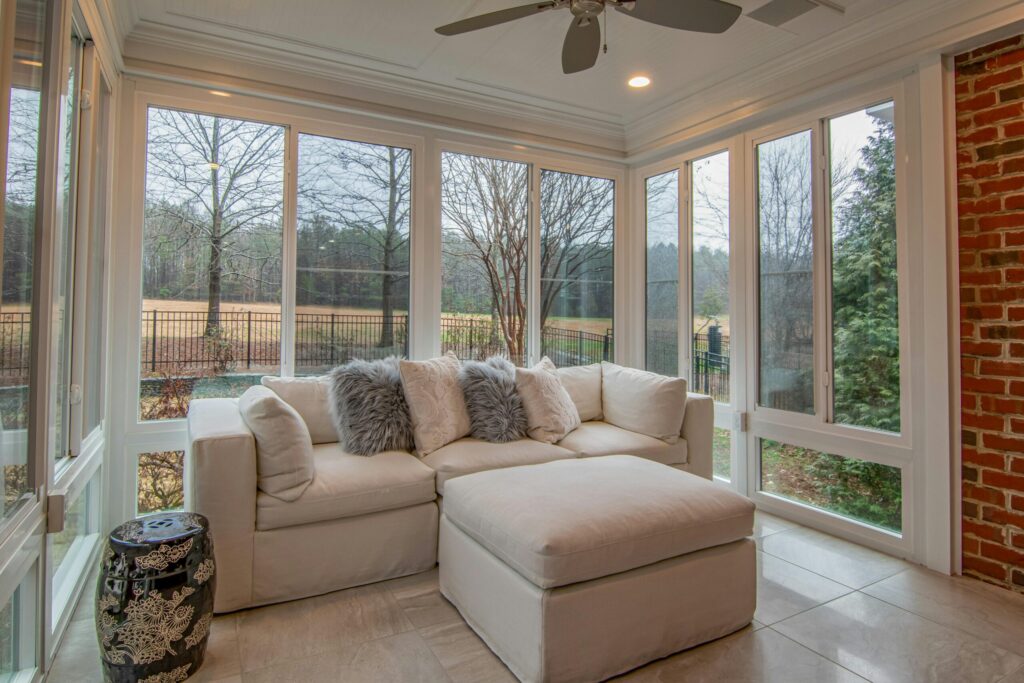
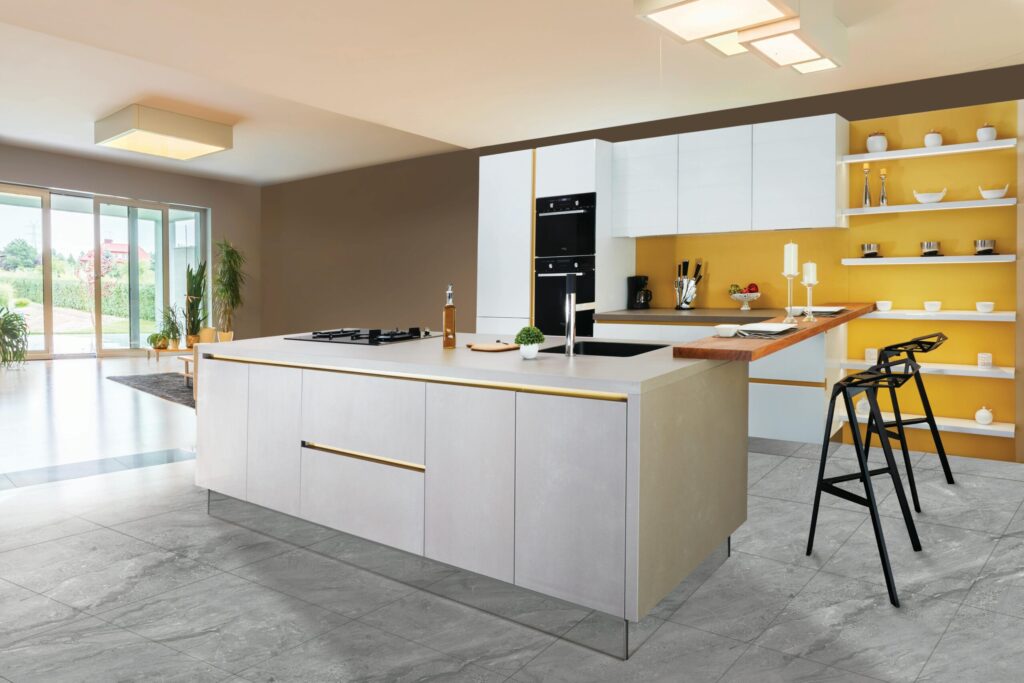
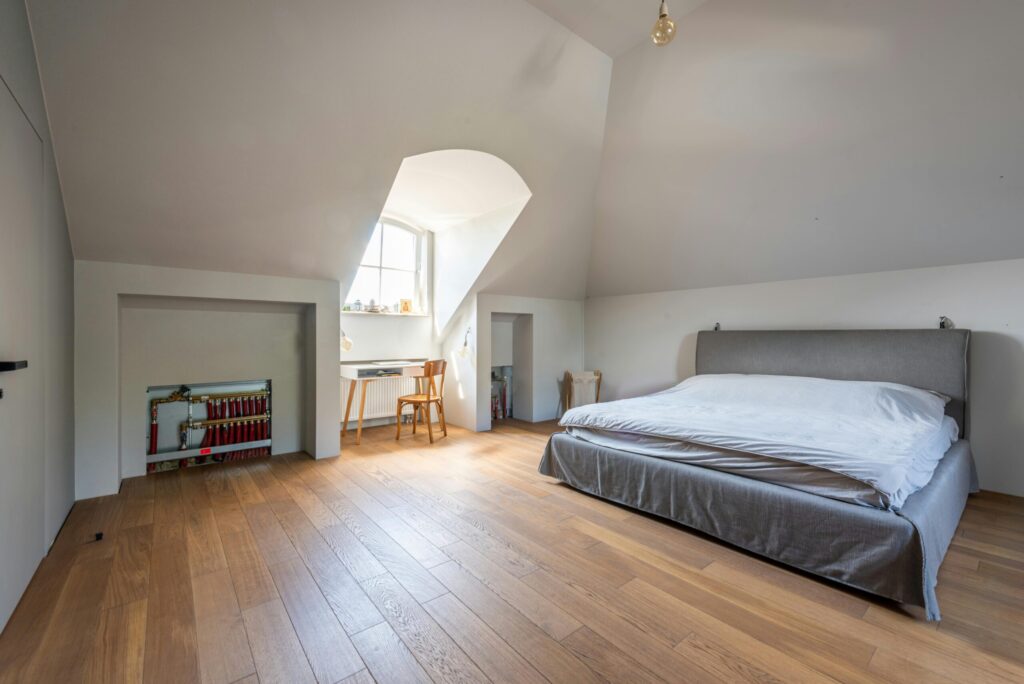
Popular Home Addition Services in Dayton
Our Home Addition Process
1. Initial Consultation & Planning
We discuss your needs, budget, property constraints, and vision for the addition. This conversation helps identify suitable contractors for your specific project.
2. Property and Feasibility Assessment
Contractors evaluate your property, existing structure, zoning constraints, and lot coverage. They identify any challenges and determine feasibility for your planned addition.
3. Design Development
Contractors or their design partners create detailed plans showing layout, elevations, structural details, and material specifications. Designs integrate with your existing home's architecture and meet building codes.
4. Contractor Matching
We connect you with licensed, insured contractors experienced in projects similar to yours. You receive multiple consultations to compare approaches, timelines, and pricing.
5. Permits and Approvals
Your contractor prepares permit applications, submits plans to the building department, and obtains all required approvals before construction begins.
6. Construction
Work proceeds according to the approved schedule. Contractors coordinate trades, schedule inspections, and maintain communication throughout the build process.
7. Final Inspection & Walkthrough
All work is inspected for code compliance, followed by a final walkthrough to ensure everything meets expectations before project completion.
Home Additions in Dayton — What Homeowners Should Know
Diverse Housing and Neighborhood Character
Dayton’s residential landscape reflects its evolution from a 19th-century mining town to a growing community of approximately 15,000 residents. The historic downtown area preserves buildings from the gold rush era, while residential neighborhoods feature homes ranging from older properties built in the 1970s and 1980s to modern construction from the past two decades. Popular areas include the communities surrounding Dayton Valley Golf Course, which offer scenic views and well-maintained landscaping, and the subdivisions branching off from major roads like US Route 50. Housing styles vary from traditional ranch homes to more contemporary split-level designs, with lot sizes typically providing more space than urban areas—many properties sit on quarter-acre to half-acre lots or larger. When planning a home addition in Dayton, contractors need to understand how the new space integrates with your home’s existing architecture, respects the character of your neighborhood, and complies with setback requirements.
Lyon County Building Permits
As an unincorporated community in Lyon County, Dayton falls under the jurisdiction of the Lyon County Building Department in Yerington for all building permits and inspections. The county accepts permit applications by mail, in person at the Yerington office, or in some cases at the Dayton office in the Dayton Utilities Building by appointment. Lyon County requires detailed plans for home additions, including site plans showing property boundaries and setbacks, foundation and structural designs, electrical and plumbing layouts, and energy compliance documentation using REScheck software. A plan review deposit is required with applications. Contractors experienced with Lyon County’s process understand the specific documentation needed, know how to prepare plans that meet county standards, and can navigate the approval workflow efficiently. This familiarity translates to smoother permit applications and fewer delays as your addition moves from planning to construction.
Setbacks and Zoning Considerations
Lyon County establishes setback requirements based on zoning, which determine minimum distances from property lines where structures can be built. Front, side, and rear setbacks must be verified before designing an addition. Some properties may have easements or deed restrictions that affect buildable areas. In some parts of Dayton near the Carson River or former irrigation areas, additional considerations may apply. Contractors familiar with Dayton properties know to verify setbacks and any restrictions early in the design process, ensuring your addition can be properly positioned to meet code while maximizing views, access to utilities, and outdoor living space.
Climate and Construction Conditions
Dayton sits at approximately 4,300 feet elevation along the Carson River at the western edge of the Twenty-Six Mile Desert. The area experiences a high desert climate with hot, dry summers reaching into the 90s and cold winters with temperatures dropping into the 20s. The community receives limited precipitation—around five inches of rain annually—but winter freezing temperatures require foundations that extend below the frost line to prevent structural issues. Summer heat and intense sun affect concrete curing and material storage during construction. The Carson River corridor creates microclimates and may influence drainage patterns on properties near the water. Contractors experienced in the Dayton area understand these climate considerations and plan projects accordingly, often scheduling foundation work and major exterior components during spring and fall when conditions are most favorable.
Soil and Foundation Considerations
Dayton developed partly on land historically served by irrigation from the Carson River, and soil conditions can vary depending on your property’s location relative to the river, former agricultural areas, and desert terrain. Some areas may have expansive soils that require specific foundation designs to accommodate movement during wet and dry periods. Properties near the river may have different soil characteristics than those in higher, drier areas. Contractors experienced with Dayton understand local soil variability and work with foundation engineers when necessary to ensure additions are built on properly designed foundations that will perform well over time.
Water and Sewer Considerations
Dayton properties may have municipal water and sewer service, private wells and septic systems, or a combination depending on location and when the home was built. When planning a home addition that includes bathrooms, laundry facilities, or kitchen expansion, contractors verify what services are available and confirm that existing infrastructure can accommodate additional load. Properties with septic systems need evaluation to determine if the current system can handle increased wastewater from an addition. Properties with wells should confirm pump capacity and water availability. Understanding your property’s utilities early in planning helps contractors design additions that work with existing systems or identify necessary upgrades.
Home Addition Costs in Dayton
Typical Project Cost Ranges
| Project Type | Square Footage | Estimated Cost Range |
|---|---|---|
| Single-room addition (bedroom, office) | 200–350 sq ft | $38,000–$82,000 |
| Primary suite addition | 300–500 sq ft | $62,000–$138,000 |
| Two-story addition | 600–1,000 sq ft | $125,000–$255,000 |
| Kitchen expansion or family room addition | 250–400 sq ft | $52,000–$112,000 |
| In-law suite or guest quarters | 400–700 sq ft | $78,000–$168,000 |
Note: These ranges reflect typical construction costs in Northern Nevada and are provided for general planning purposes. Actual project costs depend on design complexity, material selections, site conditions, and contractor rates. Transparent, itemized estimates from licensed contractors should be obtained before starting any project.
Key Factors That Influence Pricing
Several variables impact the final cost of a home addition in Dayton. Foundation requirements depend on soil conditions, property elevation, and frost depth—high desert winters require foundations extending below the frost line to prevent heaving and damage. If your property has challenging soil conditions related to river proximity, former irrigation areas, or expansive soils, additional foundation engineering may be needed. Properties with septic systems may require evaluation and upgrades if the addition increases bedroom count or plumbing fixtures. Design complexity, such as matching existing rooflines, creating vaulted ceilings for views, integrating HVAC systems efficiently, or incorporating energy-efficient windows and insulation, all affect budget. Material quality and finish level—from standard to premium flooring, cabinetry, fixtures, and trim—can shift per-square-foot costs considerably.
Dayton-Specific Considerations
Building in Dayton offers advantages that affect cost planning. Lot sizes typically provide adequate space for material staging and equipment access without the tight constraints found in urban subdivisions. Dayton’s location between Carson City and Fernley means contractors have relatively easy access from both directions, though some may include modest travel time in estimates. The area’s steady growth has attracted experienced local contractors, creating competitive market conditions. For properties with municipal water and sewer, utility considerations are straightforward. Properties with wells and septic systems require additional evaluation and potentially higher costs if upgrades are needed. The historic nature of some downtown properties may present unique challenges if additions need to respect original architecture or work within constrained lot configurations. Desert climate considerations mean investing in proper insulation, quality windows, and efficient HVAC integration provides long-term value in comfort and energy savings.
Transparent, Itemized Estimates
Reliable contractors provide detailed, written estimates that break down every aspect of your addition. For a Dayton project, expect line items for Lyon County permit fees and plan review deposits, site preparation and foundation work, framing and roofing, electrical and plumbing, HVAC integration, insulation and drywall, finish carpentry and flooring, and project management. If septic evaluation or well assessment is needed, those costs should be clearly outlined. If foundation engineering is required due to soil conditions, that expense should be itemized. Understanding where your money goes helps you make informed decisions about priorities and adjustments. The contractors in our network are committed to transparency and will walk you through estimates so there are no surprises as work progresses.
What Makes Our Contractor Network Different
Experience with Lyon County Permitting
Contractors in our network have extensive experience working with the Lyon County Building Department. They understand the county’s application process, know what documentation is required for plan approval, and are familiar with inspection schedules and expectations. They know how to prepare plans that meet Lyon County standards and can navigate the approval workflow from Yerington or coordinate with the Dayton office when appropriate. This familiarity translates to smoother permit applications, faster approvals, and fewer delays during construction. When your contractor knows the local process thoroughly, you benefit from their efficiency and established relationships.
Understanding of Dayton’s Diverse Housing Character
Dayton’s blend of historic properties and modern construction requires contractors who can work across different eras and styles. Contractors in our network understand this diversity and have experience adding to older homes near downtown, working in established neighborhoods with mature landscaping, and building in newer subdivisions. They know which areas have homeowners associations with architectural review requirements and which properties offer more design flexibility. They can design additions that respect your home’s original character while incorporating modern building standards and energy efficiency.
High Desert Climate Expertise
Nevada’s high desert climate at elevation demands specific construction practices. Our contractors use foundation designs appropriate for freeze-thaw cycles, select insulation that handles temperature extremes from cold winters to hot summers, and understand the importance of proper roof ventilation in a dry climate. They’re accustomed to planning around seasonal weather, protecting materials from intense sun and low humidity, and ensuring your addition is built to withstand decades of desert conditions while maintaining comfort and energy efficiency year-round.
Knowledge of Local Soil and Site Conditions
Dayton’s location along the Carson River and its history of irrigation agriculture create varying soil conditions across the community. Contractors in our network understand these variations and have experience working with different soil types. They work with geotechnical engineers when necessary and design foundations that account for local conditions. Whether your property is near the river corridor, in historic downtown, or in the newer subdivisions, they understand what’s beneath your home and ensure additions are built on stable, properly engineered foundations.
Established Local Relationships
Successful home additions require coordination among multiple trades—framers, electricians, plumbers, HVAC specialists, and finish carpenters. Contractors in our network have working relationships with reliable subcontractors and suppliers throughout the Carson City-Dayton corridor. These relationships translate to better scheduling, competitive pricing on materials, and quality workmanship from trades who are accountable to both you and your general contractor. Local suppliers understand regional building practices and can provide materials suited to Nevada’s climate and construction standards.
Licensed & Insured Contractors Only
Every contractor in the Reno Home Remodel network holds active Nevada State Contractors Board licensing and maintains current general liability and workers’ compensation insurance. We verify these credentials before making any referral, so you can move forward with confidence. Licensed contractors are required to follow state building codes, pull appropriate permits, and provide warranties on their work. Insurance protects you from liability if an accident occurs during construction. These safeguards are essential when you’re investing in a major home improvement, and we ensure every contractor we connect you with meets these standards.
Let's Start Your Home Addition in Dayton
Let’s chat about your ideas! Getting started is easy – simply reach out with details about your home addition project, and we’ll connect you with qualified, licensed contractors.
REAL STORIES FROM SATISFIED CUSTOMERS


Need Help?
Frequently Asked Questions About Home Addition in Dayton
Below are some of the most common questions Our Network get from families about Home Addition. If you have any other questions contact us!
How long does a home addition take?
Timeline varies by project size and complexity. Single-room additions typically take 3-6 months from permit to completion. Larger additions or second stories may require 6-12 months. Design and permitting add 1-3 months before construction begins.
Do I need to move out during construction?
Most families remain in their homes during additions. Contractors isolate work areas and maintain barriers between construction zones and living spaces. Brief periods of utility interruption occur when connecting new systems. Discuss specific plans with your contractor.
Will my addition match my existing home?
Professional contractors take care to match materials, architectural details, and rooflines. They source materials compatible with your home’s style and ensure seamless integration. Some older materials may be unavailable, requiring close alternatives.
How do I know if my property can accommodate an addition?
Contractors evaluate zoning compliance, lot coverage, setbacks, and structural capacity during initial assessments. They identify constraints and determine what’s feasible on your specific property.
Talk to a Home Addition Contractor in Dayton Today
Whether your home is near historic downtown Dayton, in the Dayton Valley Golf Course community, along one of the residential streets branching from US Route 50, close to Dayton State Park along the Carson River, or in one of the newer subdivisions, adding space to your property is an opportunity to enhance your family’s lifestyle in this community where Nevada’s earliest history meets modern convenience. Our contractor network serves homeowners throughout Dayton as well as nearby areas including Silver Springs, Stagecoach, Mound House, and the broader Carson City region.