
Professional Home Remodeling in Empire, NV
Home remodeling in Empire often involves older housing stock, rural infrastructure, and projects governed by Washoe County regulations. Whether you’re renovating an existing home, updating interior spaces, or planning a functional upgrade, it’s important to work with contractors who understand local permitting requirements, utility limitations, and high-desert construction conditions. Reno Home Remodel connects Empire homeowners with licensed, insured local contractors experienced in remodeling projects throughout the area.
Home Remodeling Services in Empire
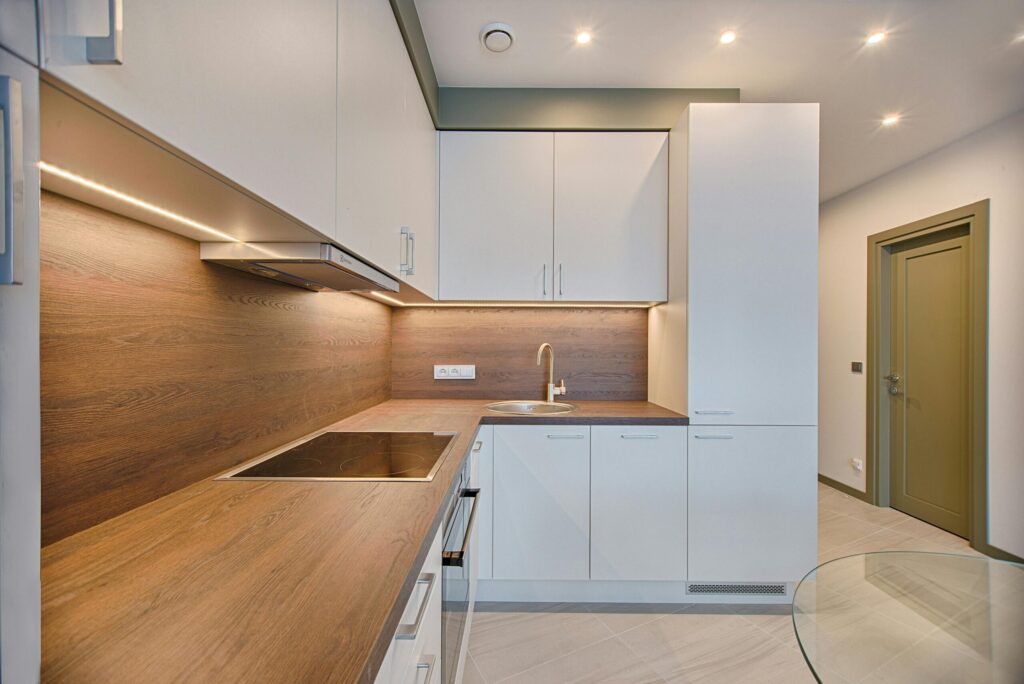
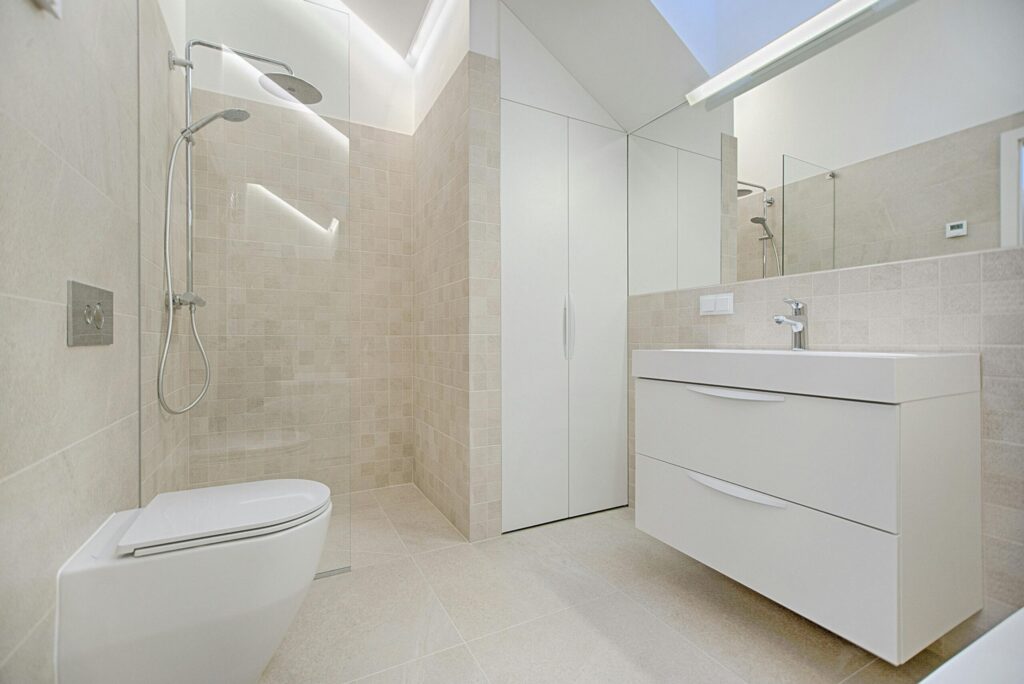
Bathroom Remodeling
From simple updates to complete overhauls
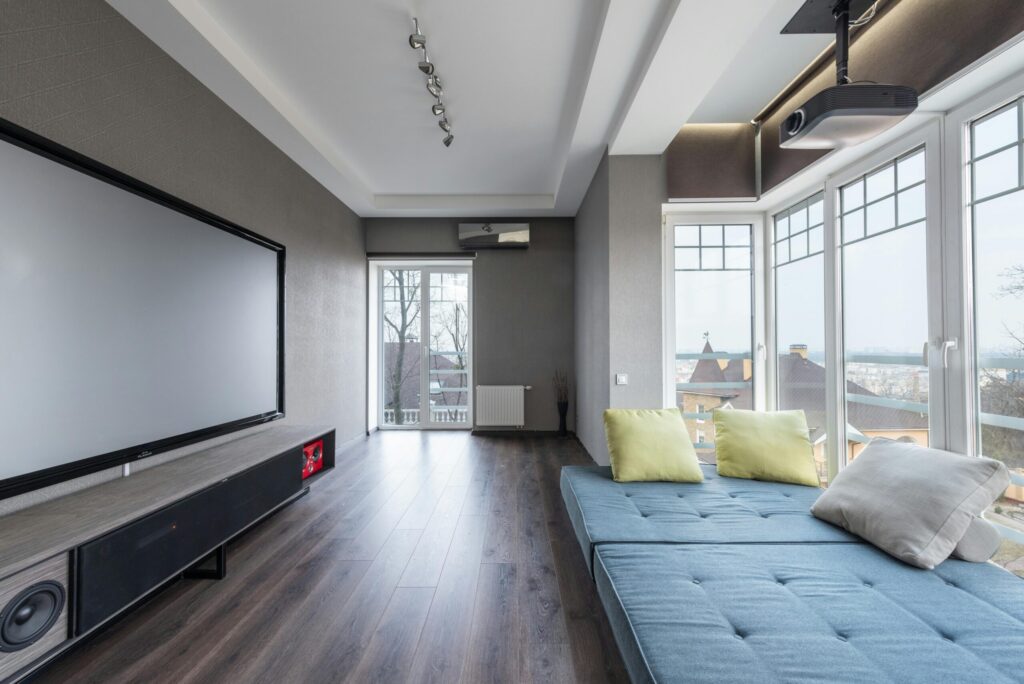
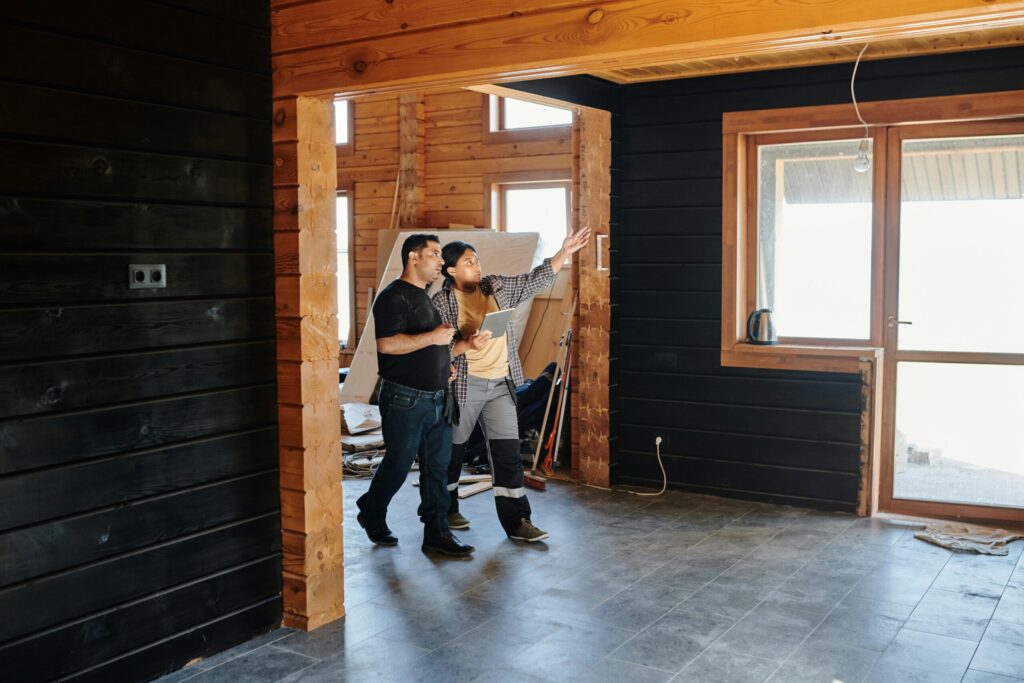
Basement Remodeling
Convert basements into livable, usable spaces


Roofing Services
Roof repairs, replacements, and new roof installations
Our Process for Empire Homeowners
Step 1: Tell Us About Your Project
Share your remodeling goals, budget, and timeline through our easy online form or give us a call.
Step 2: We Match You With Qualified Contractors
We connect you with vetted general contractors who have proven track records and specialize in your type of project.
Step 3: Schedule Free Consultations
Meet with contractors at your property to discuss your vision, evaluate the space, and ask questions.
Step 4: Receive Detailed Estimates
Get itemized quotes that break down materials, labor, timeline, and any potential considerations specific to your home.
Step 5: Choose Your Contractor
Compare proposals, check references, and select the professional who best fits your project and budget.
Step 6: Watch Your Vision Become Reality
Your chosen contractor handles permits, construction, inspections, and cleanup while keeping you informed throughout the entire process.
Home Remodeling in Empire — What You Should Know
A Historic Company Town With Uncertain Future
Empire represents one of Nevada’s most unusual communities. Founded in 1923 as a company town for the Pacific Portland Cement Company’s gypsum mining operation, Empire operated for 88 years as one of the longest continually running mines in the United States. At its peak in the early 1960s, approximately 750 people called Empire home, supported entirely by the mine. When U.S. Gypsum closed operations in January 2011 during the Great Recession, the town essentially emptied overnight, transforming into a near-ghost town. Empire Mining Company purchased the property in 2016 and partially reopened operations, bringing the population to approximately 65 as of 2021. However, by 2025, the mine and town were again listed for sale, creating continued uncertainty. This boom-and-bust history profoundly affects remodeling decisions—property values remain uncertain, and any work must account for potential long-term viability questions.
Limited Housing Stock and Company Town Character
Empire consists primarily of company-owned housing built by U.S. Gypsum during the town’s operational years. The total area encompasses only 5.1 square miles at an elevation of 4,040 feet. Housing types include single-family homes, duplexes, and apartment units, all originally constructed to serve mine workers and their families. The 2016 reopening brought some residents back, but the housing stock remains largely controlled by mining company ownership rather than private homeownership. This creates a unique situation—most remodeling work would require coordination with property ownership structures tied to mining operations. For the handful of privately owned properties that exist, any remodeling investment must carefully consider the town’s uncertain economic future and extremely limited real estate market.
Extreme Remoteness and Access Challenges
Empire sits approximately 6 miles south of Gerlach along State Route 447, roughly 103 miles north of Reno-Sparks via a remote desert highway. The nearest town, Nixon, is 60 miles south on the Pyramid Lake Paiute Reservation. The area is one of the most isolated in Nevada—the Empire Country Market convenience store and gas station remains the only commercial establishment for more than 50 miles. This extreme remoteness creates significant remodeling challenges. Contractors must travel from Reno or Fernley, adding substantial time and travel costs. Material delivery requires advance planning and coordination. Specialty trades or materials unavailable in the immediate area mean additional trips or expedited shipping. Weather can close roads during winter, affecting project timelines. These logistics fundamentally shape remodeling costs and feasibility.
Washoe County Permitting From a Distance
Empire falls within unincorporated Washoe County jurisdiction for building permits. However, the community’s extreme distance from Reno creates practical challenges for permit coordination and inspections. The Washoe County Building Department would handle permitting, but scheduling inspections requires significant travel for county personnel or extended timelines. Simple projects might qualify for expedited permits, but any significant work requires standard review processes. Given the limited residential population and uncertain property ownership structures, permit history for residential remodeling in Empire is likely minimal. Contractors undertaking work here need patience for extended timelines and clear communication with county offices regarding inspection scheduling.
Desert Climate and Isolation
At approximately 4,040 feet elevation near the Black Rock Desert, Empire experiences extreme high desert climate. Summers bring intense heat with temperatures regularly exceeding 90°F, while winters see freezing conditions with occasional snow. Annual precipitation averages less than 7 inches, creating extremely dry conditions year-round. Dust storms from the nearby playa are common. These harsh conditions affect building materials significantly—UV degradation, temperature extremes, and abrasive dust impact everything from roofing to paint to mechanical systems. The isolation also means no immediate access to repair services or replacement parts—systems need to be robust and maintainable with limited support infrastructure. Any remodeling must prioritize durability and reliability over aesthetic considerations.
The Burning Man Economy and Seasonal Activity
Since 1990, the annual Burning Man festival in the nearby Black Rock Desert has become a significant economic driver for Empire. The event brings over 70,000 participants annually, with Empire serving as the last supply stop before entering the playa. The Empire Country Market and gas station see approximately 20% of their annual business during this week-long event. This seasonal surge creates both opportunity and challenge—the community experiences massive temporary population influx once yearly, but remains extremely quiet the rest of the time. For remodeling purposes, this means contractor availability might be best outside the late August event window, though the economic uncertainty around any festival-dependent business model complicates long-term investment decisions.
Home Remodeling Costs in Empire
Typical Project Cost Ranges
Remodeling costs in Empire are difficult to standardize given the community’s unique circumstances, limited housing stock, and extreme remoteness. These ranges represent rough estimates for work requiring significant contractor travel and material delivery from Reno-area suppliers:
| Project Type | Estimated Cost Range |
|---|---|
| Kitchen Remodel (Basic) | $30,000 – $55,000+ |
| Bathroom Remodel (Full) | $20,000 – $40,000+ |
| Emergency System Repairs | $5,000 – $25,000+ |
| Roof Replacement | $15,000 – $35,000+ |
| HVAC System Replacement | $8,000 – $18,000+ |
| Plumbing System Updates | $10,000 – $30,000+ |
| Weatherization Improvements | $5,000 – $20,000+ |
These ranges are highly variable and depend on contractor availability, material delivery logistics, timing, and project complexity. Traditional remodeling cost comparisons don’t apply well to Empire’s unique situation.
Factors Affecting Remote Location Costs
Empire’s isolation creates cost factors unlike anywhere else in the Reno-Sparks region. Contractor travel time from Reno (approximately 2 hours each way) adds significant labor costs—contractors must charge for windshield time, fuel, and vehicle wear. Most won’t make daily trips, meaning extended stays or compressed schedules that affect pricing. Material delivery requires special arrangements—suppliers may charge extra for remote delivery, or contractors must transport materials themselves. Equipment rental becomes complicated since rental centers don’t exist nearby. Emergency repairs or unexpected issues can’t be quickly resolved with supply runs. Specialty trades may charge premium rates or decline the work entirely due to distance. These factors often add 30-50% or more to comparable urban project costs.
Property Ownership and Investment Considerations
Most Empire housing remains tied to mining company ownership, creating unique considerations. Work on company-owned properties requires permission and coordination with ownership entities. For any privately owned properties, investment decisions must carefully weigh Empire’s uncertain future—the town has essentially closed and partially reopened once, and faces ongoing economic uncertainty tied to gypsum market conditions. Traditional real estate appreciation assumptions don’t apply in a community where the entire population depends on a single industry with volatile history. Any remodeling should prioritize essential systems maintenance and livability over value-added improvements, since resale markets barely exist.
Focus on Essential Systems and Durability
Given Empire’s isolation and uncertain economic future, remodeling priorities typically center on maintaining essential systems rather than cosmetic updates. Ensuring reliable HVAC, plumbing, electrical, and weatherization makes sense. Addressing deferred maintenance prevents small issues from becoming major failures when help is hours away. Using durable, low-maintenance materials appropriate for harsh desert conditions protects against premature failure. The goal isn’t maximizing property value but ensuring basic habitability and system reliability in an environment where support infrastructure is minimal.
What Makes Our Contractor Network Different
Willingness to Work in Remote Locations
Most contractors won’t travel to Empire. The few in our network who will understand the unique challenges of working in extremely remote locations. They’ve handled projects far from supply sources, adapted to limited infrastructure, and developed logistics systems for extended travel situations. They factor travel costs transparently rather than hiding them in inflated line items. They’re also realistic about what makes sense in Empire—if a project isn’t feasible given the distance and conditions, they’ll say so rather than taking on work they can’t complete properly.
Experience With Company Town and Mining Community Structures
Our contractors understand how former company towns and mining communities function differently from typical residential areas. They know how to navigate property ownership questions, coordinate with entities controlling housing stock, and work within the constraints of communities where traditional real estate assumptions don’t apply. They approach Empire with appropriate understanding of its history and current circumstances rather than applying standard suburban remodeling frameworks that don’t fit.
Understanding Rural Nevada Challenges
Working in Empire requires broader rural Nevada experience—properties with limited utilities, septic systems, private water sources, harsh climate exposure, and minimal support infrastructure. Our contractors have worked in similar environments throughout Nevada and understand appropriate materials, construction methods, and system designs for remote desert locations. They specify equipment and materials that can be serviced or repaired with minimal specialty support, recognizing that quick replacement or expert repairs aren’t realistic options.
Realistic Assessment and Honest Communication
Perhaps most importantly, contractors in our network provide honest assessments about what makes sense in Empire. If a proposed project doesn’t justify the costs given property circumstances, they’ll say so. If logistics make timing unrealistic, they explain why. If materials or systems aren’t appropriate for the isolation and climate, they recommend alternatives. This honesty prevents homeowners from making investments that don’t align with Empire’s reality as an economically uncertain, extremely remote community.
Licensed & Insured Contractors Only
Every contractor in the Reno Home Remodel network holds active Nevada state licensing and maintains current liability and workers’ compensation insurance. We verify these credentials before making referrals. Given Empire’s isolation and minimal resident population, proper licensing and insurance become even more critical—you need contractors whose coverage extends to remote work locations and who maintain the professional standards required by Nevada law. This verification protects both property owners and ensures work meets code requirements despite the distance from county oversight.
Need Help?
Frequently Asked Questions About Home Remodeling in Empire
Below are some of the most common questions Our Network get. If you have any other questions contact us!
Is remodeling in Empire realistically feasible?
It depends entirely on the project scope and urgency. Essential repairs and system maintenance are necessary regardless of location challenges. Major remodeling projects face significant logistical and cost hurdles that may not justify the investment given Empire’s uncertain future. The best approach is discussing specific needs with contractors familiar with remote work to determine what’s realistic for your situation.
How much does the remote location add to costs?
Expect remote location premiums of 30-50% or more compared to similar work in Reno, primarily from contractor travel time, material delivery logistics, and the need for self-sufficient approaches since quick supply runs aren’t possible. Simple repairs might see smaller premiums, while complex projects requiring multiple trips or specialty trades see higher impacts.
What about emergency repairs when contractors are hours away?
Empire residents typically need basic repair skills and emergency supplies on hand since help is hours away. For genuine emergencies, contractors may be able to respond but with significant travel time. Planning ahead for predictable maintenance and addressing small issues before they become emergencies is essential in this environment.
Do I need Washoe County permits for work in Empire?
Yes, significant work requires permits through Washoe County despite the distance. Coordinating inspections requires extra planning for county personnel travel. Simple maintenance might not require permits, but any structural, electrical, or plumbing work likely does. Discuss permitting requirements with your contractor early in planning.
Talk to a General Contractor in Empire Today
Empire’s extreme remoteness and unique circumstances mean finding contractors willing to work here requires special consideration. Whether you’re maintaining one of the company housing units, own private property in the area, or need essential repairs in this isolated desert community, Reno Home Remodel can connect you with the rare contractors who understand Empire’s challenges and have experience in similar remote Nevada locations. There’s no pressure and no obligation—just honest conversation about what’s realistically feasible given the distance, logistics, and unique character of this historic mining town near the Black Rock Desert.