
Professional Fencing Installers in Reno, NV
Looking for fencing Fencing Installers in Reno who show up on time, do quality work, and charge fair prices? You've found the right place. We work with licensed, insured professionals who deliver quality fence installations.
Popular Fencing Installation Services in Reno
Our Fence Installation Process
1. Initial Consultation & Goals
We discuss your fencing needs including privacy requirements, property boundaries, preferred materials, and budget parameters.
2. Site Evaluation
Installers visit your property to measure fence line, assess soil conditions, identify obstacles, verify property lines, and check access for equipment.
3. Design & Scope Definition
Installers provide fence design options, material recommendations for Reno's climate, gate placement suggestions, and detailed cost estimates.
4. Contractor Matching
We connect you with experienced, insured fencing installers. You receive multiple detailed quotes comparing materials, approaches, and pricing.
5. Permits & Construction
Work proceeds systematically:Property line verification and layout marking, Post hole excavation, Post setting in concrete, Rail and panel installation, Gate installation and adjustment, Final cleanup.Most residential fence installations complete in 1-3 days depending on length and complexity.
6. Final Inspection & Walkthrough
Installers review completed fence, demonstrate gate operation, provide maintenance guidance specific to your material, and address any questions.
Fence Installation in Reno — What Homeowners Should Know
Soil Conditions and Post Installation
Reno’s varied soil composition directly affects fence stability:
Clay soils — Common throughout Reno. Clay expands when wet and contracts when dry, creating movement that can loosen fence posts over time. Proper post depth and concrete setting essential.
Sandy soils — Provide less lateral support. Posts require adequate depth and concrete anchoring to prevent leaning or failure in wind.
Rocky soils — Common in foothill areas. May require specialized equipment for post hole excavation. Can provide excellent stability once installed.
Proper post installation includes:
- Post depth: Minimum 24-36 inches deep in Reno (deeper for taller fences)
- Concrete setting: Fast-setting concrete around posts
- Post spacing: Typically 6-8 feet on center depending on fence type
- Gravel base: Drainage beneath posts prevents rot
Climate Impact on Fencing Materials
Reno’s high-desert climate affects fence performance:
Temperature extremes — Summer heat exceeds 95°F while winter nights drop below freezing. Materials must withstand expansion and contraction without warping or cracking.
UV exposure — At 4,500 feet elevation, intense UV radiation fades finishes and degrades materials faster. Quality stains, paints, and UV-resistant materials essential.
Low humidity — Reno’s dry climate (approximately 7.5 inches annual precipitation) causes wood to dry, potentially leading to cracking and splitting. Proper sealing helps.
Wind exposure — Open areas experience significant wind loads. Solid panel fences act as sails and require proper bracing and post setting. Wind-resistant designs important.
Freeze-thaw cycles — Winter temperature fluctuations affect materials and ground frost can cause post heaving without proper installation depth.
Material Performance in Reno
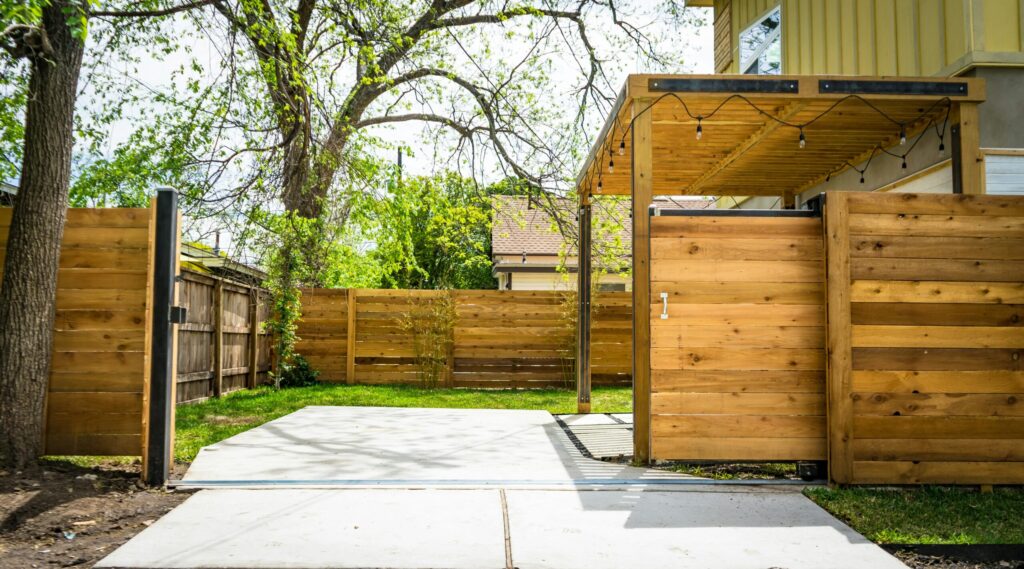
Pressure-treated pine — Most economical wood option. Requires maintenance in Reno’s climate. Prone to warping and cracking in dry conditions. Annual staining recommended. Lifespan: 15-20 years with maintenance.
Cedar — Natural rot resistance and attractive appearance. Better UV resistance than pine. Handles dry climate reasonably well. Periodic sealing recommended. Lifespan: 20-25 years with maintenance.
Redwood — Premium wood option with excellent natural durability. Superior UV and moisture resistance. Maintains appearance with less maintenance. Lifespan: 25-30+ years with maintenance.
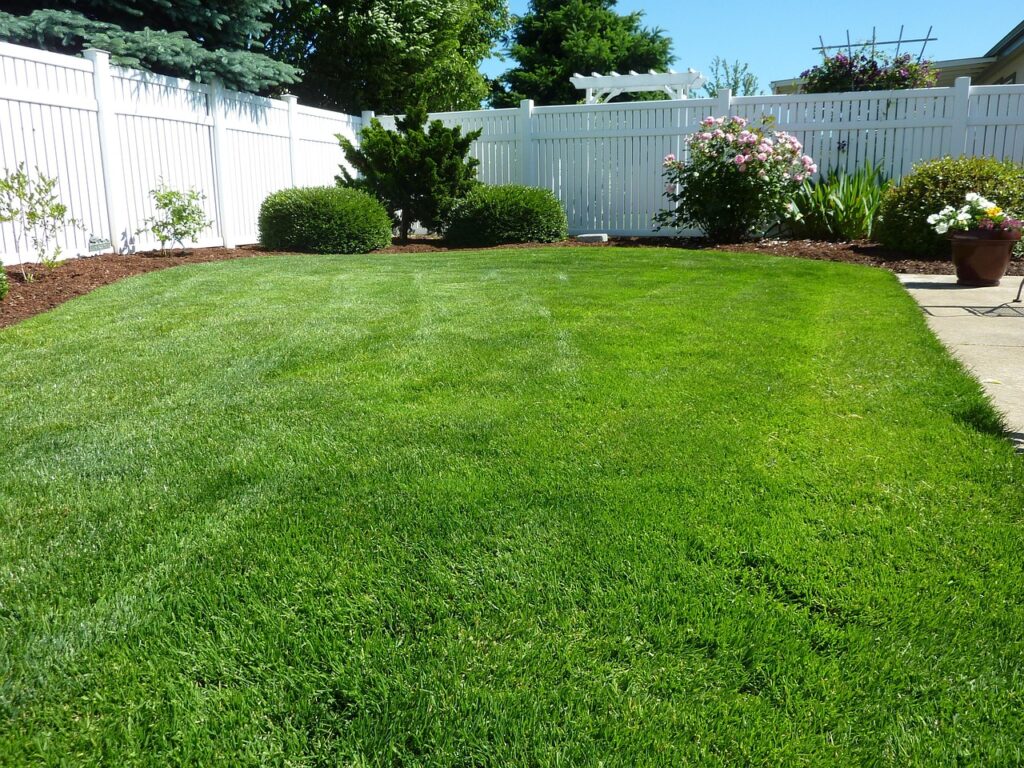
Vinyl (PVC) — Low maintenance option. Quality varies by manufacturer. Better grades resist fading and brittleness in temperature extremes. No painting or staining required. Lifespan: 20-30 years.
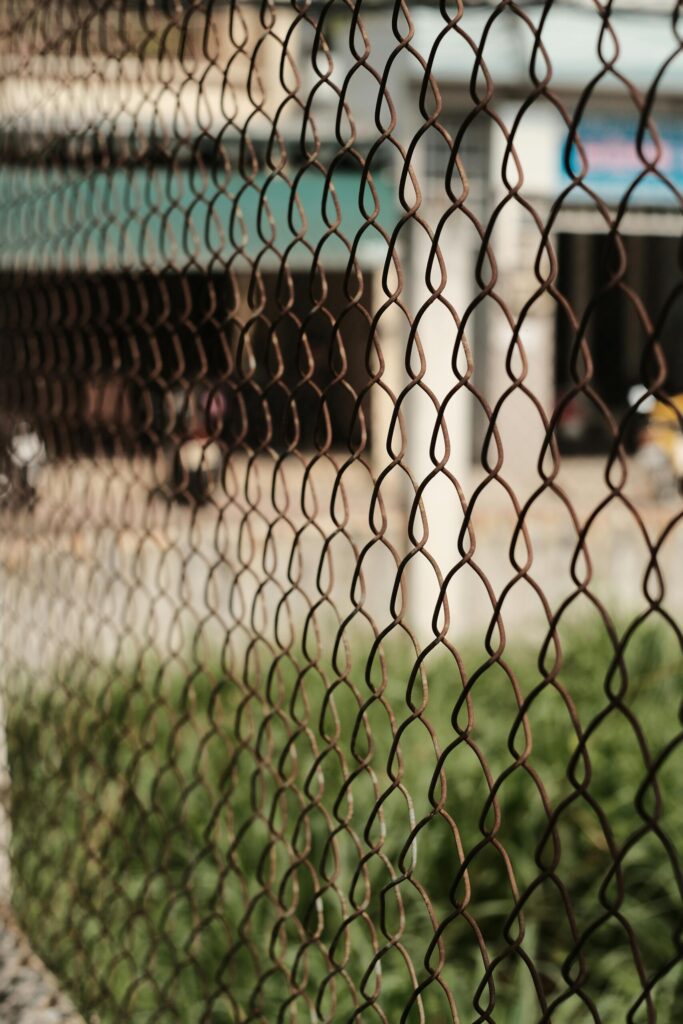
Chain link — Durable and economical. Galvanized or vinyl-coated options available. Minimal maintenance required. Transparent design doesn’t block views or wind. Lifespan: 20-30+ years.
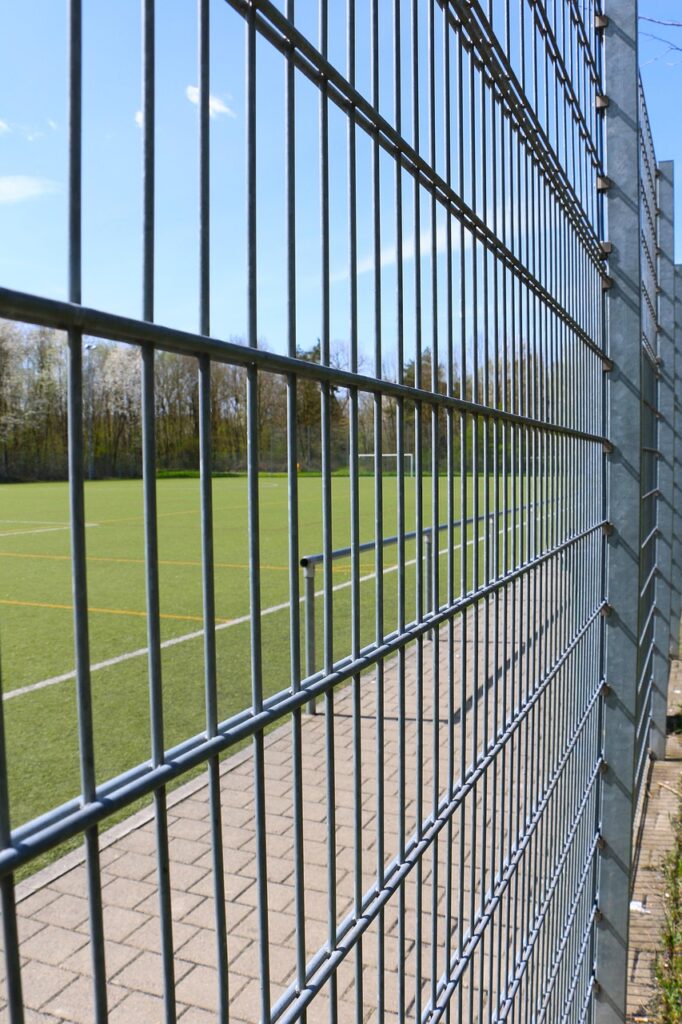
Ornamental iron/aluminum — Durable decorative option. Powder-coated finishes resist rust. Requires periodic inspection and touch-up. Aluminum doesn’t rust but less strong than steel. Lifespan: 30-50+ years with maintenance.
Composite — Engineered wood-fiber and plastic blend. Minimal maintenance required. Resists rot, insects, and weather. More expensive than wood but less maintenance. Lifespan: 25-30 years.
Wind Resistance Considerations
Reno’s wind exposure requires attention to fence design:
- Solid panel fences experience higher wind loads than open designs
- Proper post depth and concrete setting critical for stability
- Wider post spacing or taller fences may require deeper posts or larger posts
- Some designs incorporate gaps or lattice for wind relief
- Corner and gate posts often require deeper setting or bracing
Drainage and Ground Contact
Proper installation prevents premature failure:
- Gravel base beneath posts allows drainage
- Posts set in well-draining concrete
- Bottom of fence panels should clear ground by 1-2 inches
- Prevents moisture wicking and extends fence life
- Proper grading prevents water accumulation along fence line
Permits, HOA & Property Line Requirements
When Permits Are Required
Fence permits requirements vary in Reno:
Permits typically required for:
- Fences over 6 feet high
- Fences in front yards (height restrictions apply)
- Fences on corner lots (sight triangle requirements)
- Some commercial and multi-family properties
Permits may not be required for:
- Standard backyard fences under 6 feet
- Replacement fences in same location
- Certain rural or agricultural fencing
Installers verify specific permit requirements for your location and fence type.
Height Restrictions
Typical Reno residential zoning allows:
- Backyard fences: Up to 6 feet without special approval
- Front yard fences: Typically 3-4 feet maximum
- Corner lot sight triangles: Height restrictions for visibility
- Specific zones may have different requirements
Property Line Verification
Critical step before fence installation:
Survey requirements:
- Know exact property boundaries before installation
- Property survey recommended if boundaries unclear
- Installing on neighbor’s property creates legal issues
- Check existing property markers or hire surveyor
Setback considerations:
- Some areas require fences set back from property line
- Easements may restrict fence placement
- Utility easements typically prohibit structures
HOA Requirements
Many Reno neighborhoods have HOA restrictions:
- Fence height, style, and material specifications
- Color limitations (often natural wood tones or specific colors)
- Prohibited fence types
- Design approval required before installation
- Rear yard vs. side yard different rules may apply
Professional installers help navigate HOA requirements and obtain approvals.
Neighbor Communication
Good practice even when not required:
- Inform adjacent neighbors of fence plans
- Discuss shared property line fence costs if desired
- Address any concerns before installation begins
- Prevents disputes and maintains good relationships
How Much Does Fencing Cost in Reno?
Fence costs vary based on material, height, length, and site conditions.
Cost by Material Type
Pressure-treated wood:
- 4-foot fence: $15–$25 per linear foot installed
- 6-foot fence: $20–$30 per linear foot installed
Cedar:
- 4-foot fence: $25–$35 per linear foot installed
- 6-foot fence: $30–$45 per linear foot installed
Redwood:
- 4-foot fence: $35–$50 per linear foot installed
- 6-foot fence: $45–$60 per linear foot installed
Vinyl:
- 4-foot fence: $25–$40 per linear foot installed
- 6-foot fence: $30–$50 per linear foot installed
Chain link:
- 4-foot fence: $10–$18 per linear foot installed
- 6-foot fence: $15–$25 per linear foot installed
- Vinyl-coated: Add $3–$7 per linear foot
Ornamental iron/aluminum:
- 4-foot fence: $30–$50 per linear foot installed
- 6-foot fence: $40–$70 per linear foot installed
Composite:
- 6-foot fence: $35–$55 per linear foot installed
Common Fence Lengths and Costs
100 linear feet (typical backyard):
- Chain link (4-ft): $1,000–$1,800
- Pressure-treated wood (6-ft): $2,000–$3,000
- Cedar (6-ft): $3,000–$4,500
- Vinyl (6-ft): $3,000–$5,000
- Ornamental iron (4-ft): $3,000–$5,000
200 linear feet (full yard perimeter):
- Chain link (4-ft): $2,000–$3,600
- Pressure-treated wood (6-ft): $4,000–$6,000
- Cedar (6-ft): $6,000–$9,000
- Vinyl (6-ft): $6,000–$10,000
300 linear feet (large property):
- Chain link (4-ft): $3,000–$5,400
- Pressure-treated wood (6-ft): $6,000–$9,000
- Cedar (6-ft): $9,000–$13,500
- Vinyl (6-ft): $9,000–$15,000
Additional Cost Factors
Site conditions:
- Sloped terrain: $5–$15 per linear foot additional
- Rocky soil requiring specialized equipment: $500–$1,500
- Removal of existing fence: $3–$8 per linear foot
- Difficult access: $200–$800
Gates:
- Standard pedestrian gate: $200–$500
- Double drive gate: $500–$1,500
- Ornamental iron gates: $800–$2,500+
- Automated gate systems: $1,500–$5,000+
Upgrades:
- Decorative post caps: $10–$30 each
- Lattice top sections: $10–$20 per linear foot additional
- Custom designs or angles: 10-20% cost increase
- Staining or painting (wood): $2–$5 per linear foot
Why Work With Our Local Network Of Installers
Understanding of Soil Conditions
Reno installers know our varied soil composition and appropriate post depths for stability. They adjust installation techniques based on soil type encountered.
Experience With Climate Challenges
Local installers understand which materials perform reliably in Reno’s temperature extremes, UV exposure, and wind conditions. They recommend appropriate options for local environment.
Knowledge of Local Codes
Reno installers understand local height restrictions, setback requirements, corner lot sight triangle rules, and permit requirements for different areas.
HOA Experience
Local installers regularly work with Reno-area HOAs. They know common requirements and approval processes for different neighborhoods.
Established Supplier Relationships
Connections with local material suppliers ensure access to quality materials, competitive pricing, and consistent availability for repairs or future projects.
About Reno Home Remodel
Reno Home Remodel connects homeowners with experienced, insured local fencing installers who deliver quality construction and professional service. We carefully review installers in our network to ensure they follow proper installation techniques, understand local soil and climate conditions, and maintain high standards of workmanship. Our focus is helping homeowners find skilled professionals who install fences that last.
Let's Start Your Fencing Installation in Reno!
Let’s chat about your ideas! Getting started is easy – simply reach out with details about your flooring project, and we’ll connect you with qualified, licensed flooring contractors.
Need Help?
Frequently Asked Questions About Fencing Installation in Reno
Below are some of the most common questions Our Network get from families about Fencing installation. If you have any other questions contact us!
How long does fence installation take?
Most residential fence installations complete in 1-3 days. Simple straight runs: 1-2 days. Fences with slopes, curves, or multiple gates: 2-4 days. Very long fences or complex terrain may take longer. Weather and permit delays can extend timelines.
What's the best fence material for Reno?
No single “best” material—choices depend on budget, maintenance preferences, and purpose. Vinyl offers low maintenance. Cedar provides natural beauty with moderate maintenance. Chain link is economical and durable. Composite requires minimal maintenance. Discuss specific needs with installers.
How long do fences last in Reno?
Lifespan varies by material and maintenance. Pressure-treated wood: 15-20 years with maintenance. Cedar: 20-25 years. Vinyl: 20-30 years. Chain link: 20-30+ years. Ornamental metal: 30-50+ years with care. Proper installation and maintenance significantly impact longevity.
Do I need a permit for a fence?
Requirements vary by location and fence specifications. Backyard fences under 6 feet often don’t require permits. Front yard fences, fences over 6 feet, and corner lot fences typically require permits. Installers verify requirements for your specific situation.
Can I install a fence on the property line?
Generally yes, but verify exact property boundaries first. Survey recommended if boundaries uncertain. Some areas require setbacks from property lines. Check for easements that may restrict fence placement. Good practice to communicate plans with neighbors.
How deep should fence posts be?
Minimum 24 inches deep in Reno, deeper for taller fences or challenging soil conditions. Standard recommendation: bury one-third of post length. Six-foot fence requires posts buried 2-3 feet. Eight-foot fence requires 3+ feet depth. Installers adjust based on soil and wind exposure.
Do wood fences need maintenance?
Yes, wood fences require periodic maintenance in Reno’s climate. Annual inspection recommended. Pressure-treated pine needs staining/sealing every 1-2 years. Cedar and redwood need sealing every 2-3 years. Without maintenance, wood fences deteriorate faster in UV-intense, dry climate.
REAL STORIES FROM SATISFIED CUSTOMERS

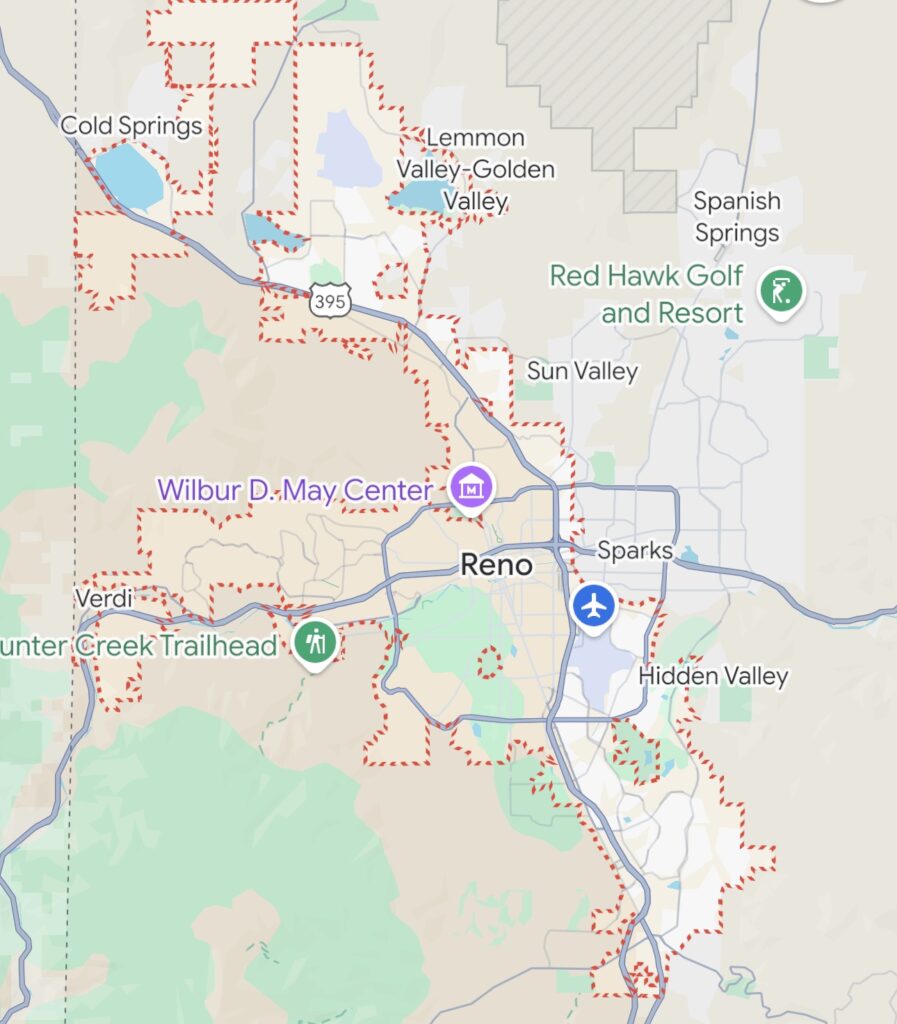
We provide services in the following cities:
- Montreux, NV
- Virginia City Highlands, NV
- Washoe Valley, NV
- Fernley, NV
- Dayton, NV
- Silver Springs, NV
- Cold Springs, NV
- Stead, NV
- St. James Village, NV
- Steamboat, NV
- Hidden Valley, NV
- Panther Valley, NV
- Wadsworth, NV
- Empire, NV
Talk to a Fencing Installer in Reno
Ready to install a new fence? Connect with experienced local fencing installers who understand Reno’s soil conditions, climate, and local requirements. Get detailed site assessments, material recommendations, and transparent pricing for your fence project.