
Professional Pergola Builders in Fernley, NV
Looking for trusted pergola builders in Fernley? We connect you with licensed pros who build beautiful pergolas for shade and style. Start Now!
Popular Pergola Services in Fernley
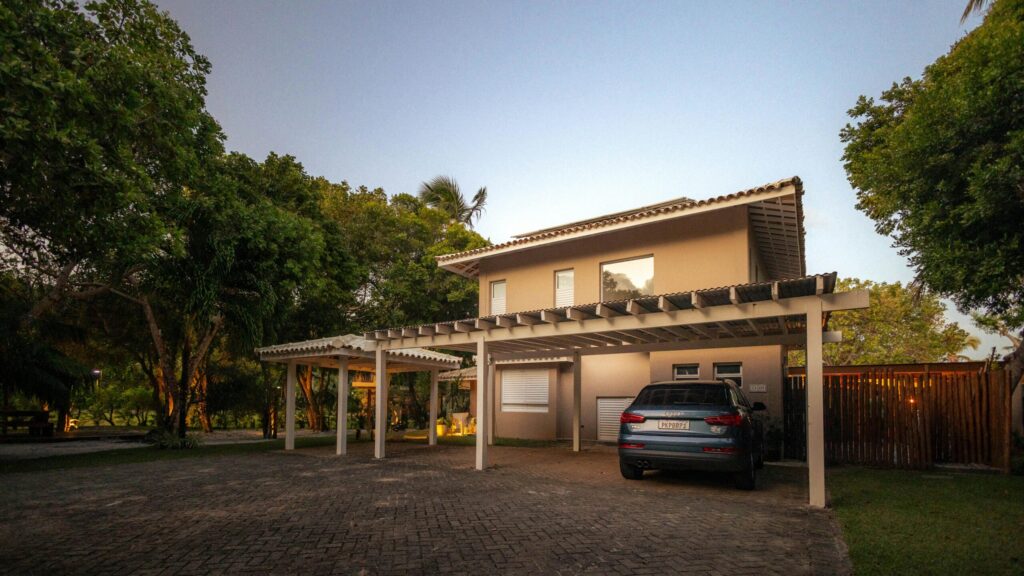
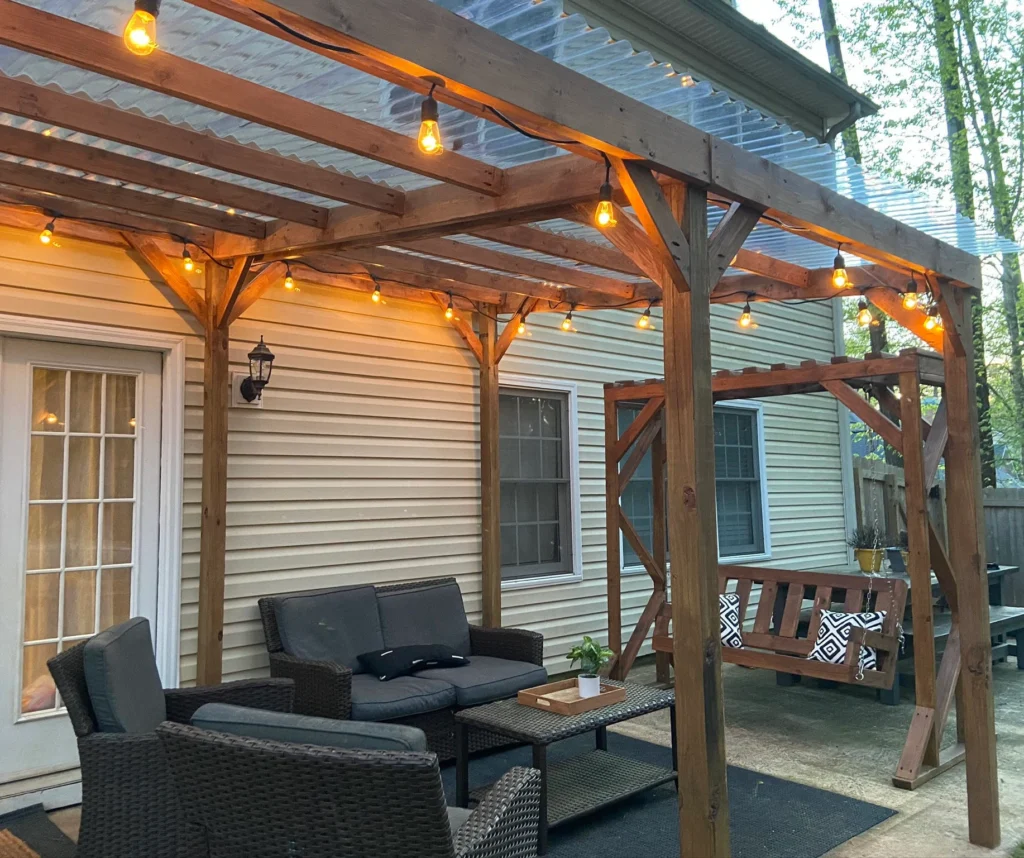
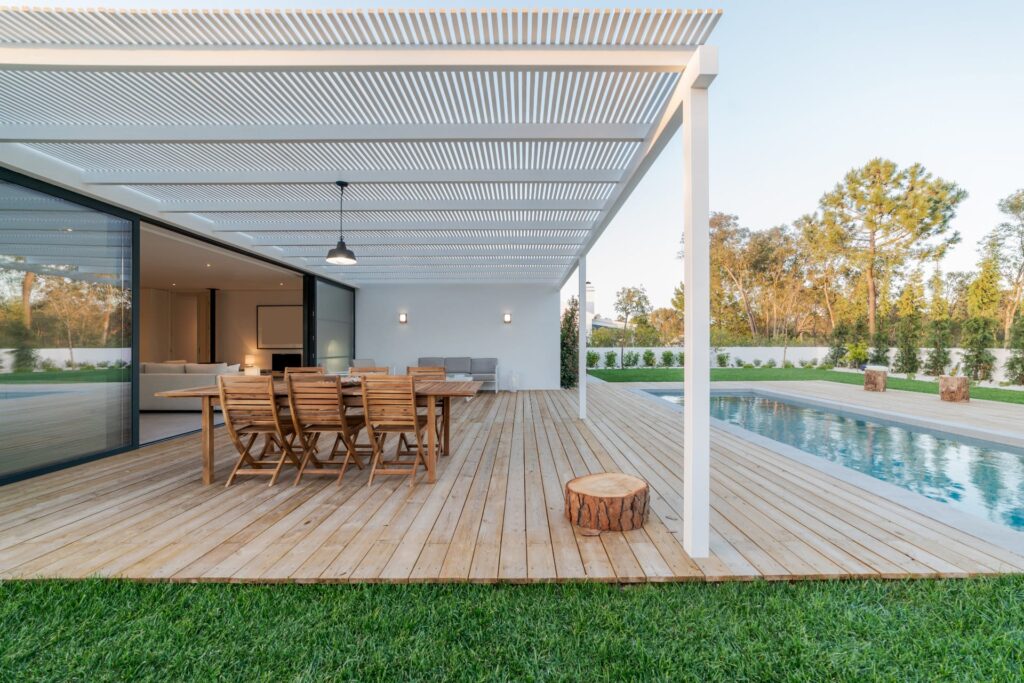
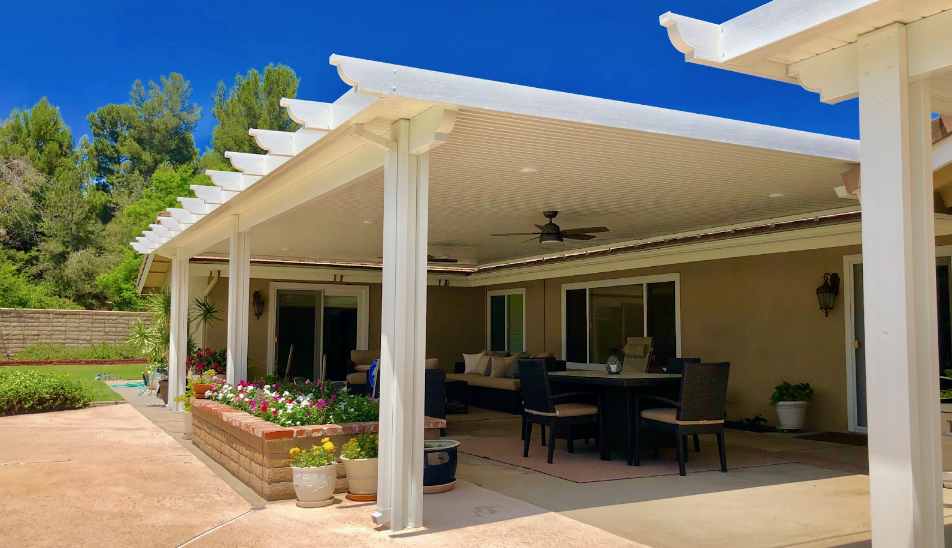
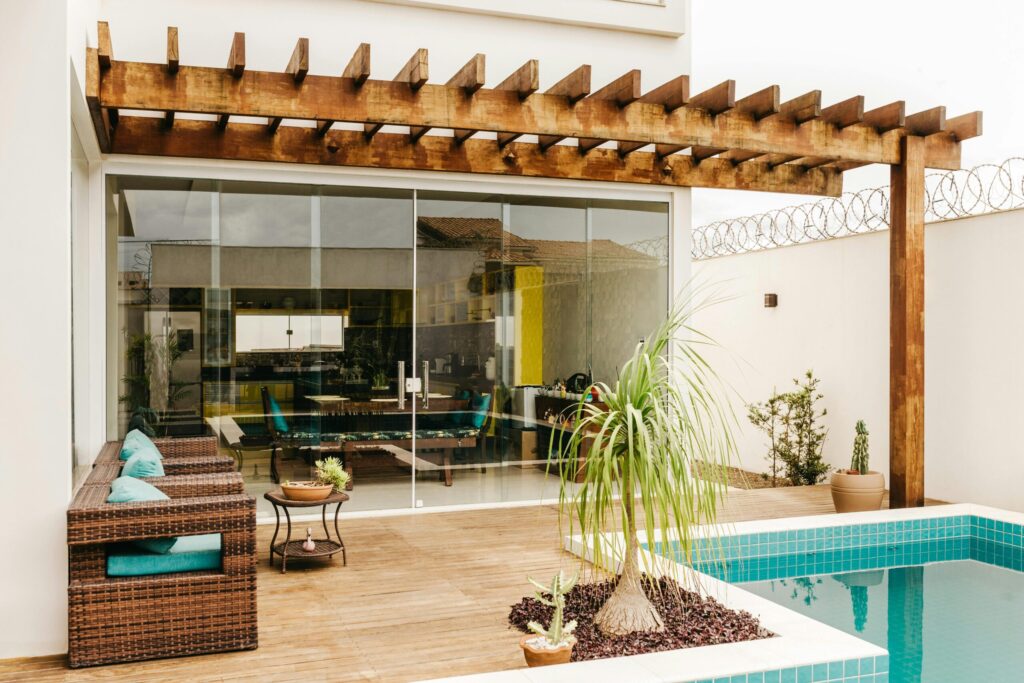
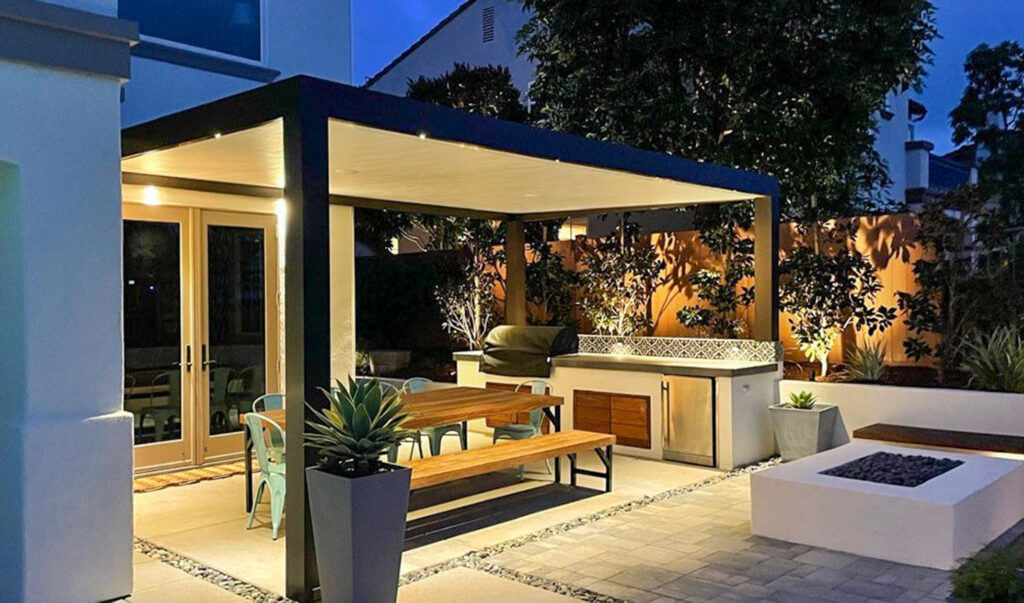
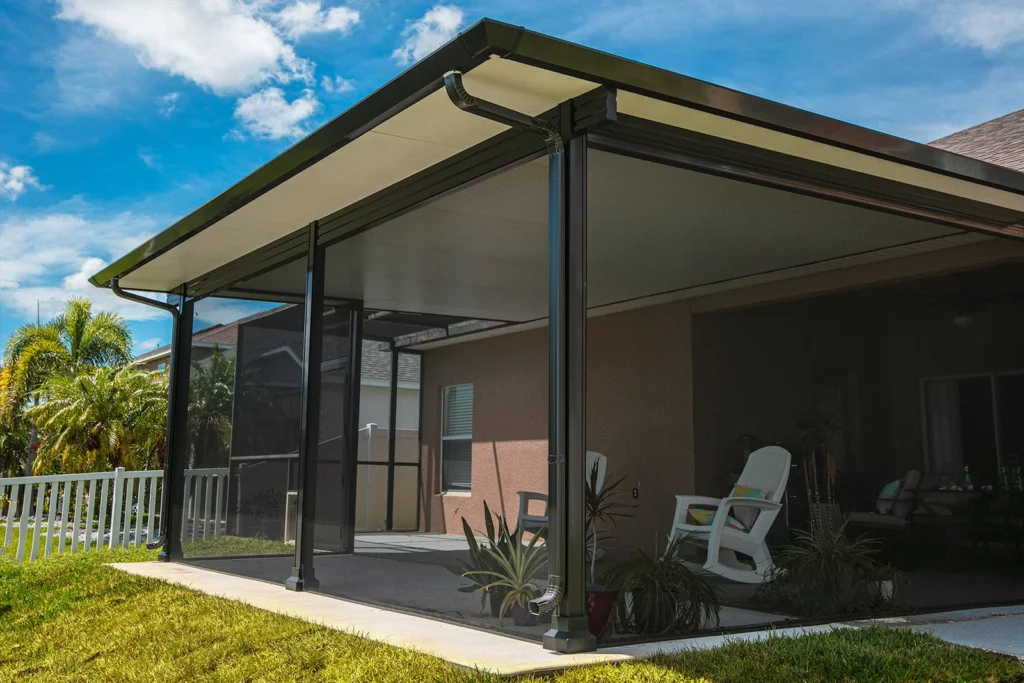
Our Pergola Construction Process
1. Initial Consultation & Goals
We discuss your outdoor living goals, preferred style, budget, and how you plan to use the pergola. Understanding your vision helps match you with appropriate builders.
2. Site Evaluation
Builders visit to evaluate your property including sun exposure, wind patterns, soil conditions, access for materials, and optimal pergola placement.
3. Design & Scope Definition
Builders create pergola designs showing dimensions, material specifications, structural details, and integration with existing outdoor spaces. Designs accommodate your needs while meeting building codes.
4. Contractor Matching
We connect you with experienced, insured pergola builders. You receive multiple detailed quotes comparing materials, designs, and pricing.
5. Permits & Construction
Work proceeds in phases:Site preparation and layout Footing excavation and concrete placement Post installation Beam and header installation Rafter placement and spacing Finishing details and trim Staining or sealing (if applicable)
6. Final Inspection & Walkthrough
All work undergoes required inspections. Builders review completed pergola, provide maintenance guidance, and ensure your satisfaction.
Let's Start Your Pergola Project in Fernley Today!
Let’s chat about your ideas! Getting started is easy – simply reach out with details about your Pergola project, and we’ll connect you with qualified, licensed contractors.
Pergola Construction in Fernley — What Homeowners Should Know
City Incorporation and Growth Patterns
Fernley incorporated as a city in 2001, making it one of Nevada’s newest municipalities. What started as an agricultural and ranching community has transformed into a rapidly growing residential and industrial hub, with the population reaching approximately 25,000 residents. The city’s development patterns show distinct phases—older homes near Main Street and the historic downtown area from the 1970s and earlier, mid-range subdivisions that expanded through the 1980s and 1990s, and newer construction concentrated in the Farm District and southern areas. Much of the recent growth stems from families moving from the Reno-Sparks area seeking more affordable housing while maintaining reasonable commute access to jobs in the Tahoe-Reno Industrial Center and other regional employers.
Typical Lot Sizes and Housing Styles
Fernley properties generally feature larger lots compared to urban Reno or Sparks. Standard residential lots range from 6,000 to 12,000 square feet, with some properties on the city’s edges offering even more space. The predominant housing style is single-story ranch homes, though newer subdivisions include two-story designs. Many properties from the 1970s through early 2000s feature simple, functional designs with attached garages and modest landscaping. Newer construction areas like those along Farm District Road and in southern developments show more contemporary styling with varied elevations and upgraded finishes. The abundance of backyard space makes Fernley homes well-suited for outdoor living additions like pergolas, which can create shaded areas in the desert climate.
Recognizable Neighborhoods and Areas
Fernley’s geography is defined by several key areas. Main Street runs through the historic core where older commercial buildings and the restored Fernley Depot Museum anchor the community’s railroad heritage. Desert Lakes, located in the southeastern part of the city, is a golf course community with well-maintained homes and mountain views. The Farm District area, stretching along Farm District Road, represents much of the city’s newer residential growth with subdivisions of various sizes. Silver Lace Boulevard serves as a main north-south corridor through the city, passing City Hall and newer commercial development. Donner Trail Estates represents another established neighborhood with varied property sizes. Areas near US Route 95A on the southern edge of town have seen significant recent development.
Permitting Through the City of Fernley
As an incorporated city, Fernley handles its own building permits through the City of Fernley Building Department located at 595 Silver Lace Boulevard. The city adopted the 2024 Building Codes in June 2025, with mandatory compliance beginning January 1, 2026. Accessory structures like pergolas may require building permits depending on size and complexity. Projects involving electrical work, structures exceeding certain square footage thresholds, or those attached to existing buildings typically require permits and inspections. Certain neighborhoods, including Desert Lakes and Miller Meadows, have architectural review committees requiring approval before construction begins. Contractors familiar with Fernley’s permitting process understand these requirements and can navigate the city’s online permit system efficiently.
High Desert Climate Impacts on Construction
Fernley experiences a cold desert climate at approximately 4,100 feet elevation. Summers are hot and dry, with July highs regularly reaching the low 90s and occasional days hitting 100°F or higher. Winters bring cold temperatures with December lows in the low 20s and occasional sub-zero readings. The city receives only about five inches of annual rainfall and approximately eleven inches of snow, concentrated in winter months. With 253 sunny days per year, UV exposure is intense and prolonged. These conditions significantly impact outdoor structure materials—wood pergolas require UV-resistant finishes and protection from temperature extremes and the occasional moisture from snow. Metal structures handle the climate well but can become extremely hot to touch in summer. Material selection must account for the reality that structures will face temperature swings from below zero to over 100°F throughout the year.
Wind Considerations and Structural Requirements
Fernley’s position in an open desert valley means properties experience wind, particularly during spring and fall months. The city’s building codes incorporate appropriate wind design standards for the region. Pergolas need proper structural engineering and anchoring to handle wind loads, especially freestanding structures. Post footings must be adequate to prevent movement or lifting during high wind events. The flat terrain means most properties have similar wind exposure, though properties on elevated lots or at the edges of development may experience slightly stronger sustained winds.
Soil Conditions and Foundation Work
Fernley sits on desert valley terrain that is generally stable for construction. Soil conditions are typical of high desert environments—often sandy or compacted desert soils with good drainage characteristics. Post footings for pergolas need to reach adequate depth and use appropriate concrete mix. While most areas have straightforward soil conditions, some properties may encounter variations in compaction or substrate composition. Contractors experienced in Fernley understand local soil characteristics and can design foundation systems that prevent settling or movement over time. The flat terrain and stable soils generally make foundation work more straightforward compared to hillside or rocky locations.
Pergola Builders Costs in Fernley
Understanding the factors that influence pergola construction costs helps homeowners plan budgets and evaluate contractor proposals fairly. Pricing reflects materials, labor, site conditions, and local market factors.
Typical Project Cost Ranges
| Project Type | Size Range | Typical Cost Range |
|---|---|---|
| Basic freestanding wood pergola | 10×10 to 12×12 feet | $3,200 – $6,500 |
| Standard pressure-treated pergola | 12×14 to 14×16 feet | $6,000 – $10,500 |
| Cedar or redwood pergola | 12×14 to 16×16 feet | $8,000 – $14,500 |
| Vinyl or aluminum pergola | 10×12 to 14×14 feet | $5,500 – $11,500 |
| Attached pergola (existing patio/deck) | 10×12 to 14×16 feet | $4,500 – $9,000 |
| Custom or complex designs | Varies | $12,000 – $22,000+ |
These ranges reflect typical costs for materials, labor, and basic site preparation under normal conditions. They do not include permit fees, extensive grading, concrete patio installation, electrical work, or premium features like retractable shade systems, integrated lighting, or custom architectural details.
Key Factors That Influence Pricing
Material Selection and Performance: Pressure-treated lumber offers the most economical option for initial construction but requires ongoing maintenance in Fernley’s desert climate. Cedar and redwood provide natural durability and attractive appearance with premium pricing. These woods handle temperature extremes better than lower-grade options but still need proper finishing. Vinyl and aluminum systems offer the lowest maintenance requirements with excellent performance in high UV and temperature swings, though they come with higher upfront costs. Each material responds differently to Fernley’s climate conditions, affecting both initial investment and long-term maintenance expenses.
Project Size and Design Complexity: Larger pergolas require proportionally more materials and labor. Standard rectangular designs with uniform post spacing and straightforward beam layouts are the most cost-effective. Attached pergolas that connect to existing structures can be less expensive than freestanding designs since they utilize the house for partial support, reducing the number of posts and footings needed. Complex designs with curved beams, decorative brackets, multi-level configurations, or integrated seating increase both material costs and labor hours. Custom architectural features add to both the project timeline and final cost.
Site Preparation and Access: Projects on flat, accessible lots with clear access for materials and equipment represent the baseline for cost estimates. Properties requiring grading, removal of existing hardscape or landscaping, or working around obstacles increase labor costs. The distance from the street to the construction site affects material delivery and labor efficiency. Properties with difficult access may require additional equipment or manual labor to transport materials. Most Fernley properties have good access due to the flat terrain and suburban lot layouts.
Foundation Requirements: Fernley’s desert soils are generally straightforward for foundation work, but variations in compaction or substrate conditions can affect footing requirements. Standard post footings need adequate depth and properly mixed concrete to provide stable support. Properties with harder or rockier substrates may require more excavation labor. Wind considerations mean footings must be properly engineered to resist uplift forces. Well-designed foundations prevent movement or settling that could compromise structural integrity.
Electrical Integration: Adding electrical service for ceiling fans, ambient lighting, or electrical outlets requires licensed electrical work and permits. Costs typically range from $1,500 to $4,000 depending on the distance from existing electrical service, the number of fixtures or outlets, and the complexity of the installation. Running power to a freestanding pergola in the middle of a large backyard costs more than adding circuits to an attached structure near the home’s main electrical panel. Trenching for underground conduit, service panels, and finish work all factor into electrical costs.
Fernley-Specific Cost Considerations
Building permits in Fernley are handled directly by the City of Fernley Building Department. Permit fees vary based on project valuation and scope, typically ranging from $150 to $400 for residential accessory structures. Properties in neighborhoods with architectural review committees like Desert Lakes or Miller Meadows may have additional review fees, typically $50 to $200, and may require specific design approvals before construction can begin.
Material availability in the Fernley area benefits from proximity to Reno-Sparks suppliers while avoiding the higher costs associated with California markets. Several building supply companies serve the region, providing reasonable access to standard lumber, hardware, and building materials. Specialty materials or custom components may need to be sourced from Reno or further away, potentially adding delivery costs and lead time.
Labor rates in Fernley and Lyon County are moderate—higher than rural Nevada areas but generally lower than California markets and sometimes slightly below Reno-Sparks rates. Contractors serving Fernley may be based locally or travel from Reno, approximately 35 miles west. Many contractors appreciate Fernley’s straightforward permitting process, flat terrain, and growing construction activity. The city’s strong growth means contractors are familiar with local requirements and have established working relationships with inspectors and suppliers.
Value of Detailed, Transparent Estimates
Professional contractors provide comprehensive written estimates that break down costs by category—materials with specific types and grades, labor hours or rates, site preparation requirements, permit fees, and any additional services. Itemized estimates allow homeowners to understand exactly what they’re paying for and make informed decisions about where to allocate their budget. Detailed specifications—such as lumber species and grade, post spacing and dimensions, beam sizes, joist configuration, hardware quality, and finish products—enable fair comparison between quotes. Not all pergola proposals include the same scope or quality level, so clear documentation helps homeowners evaluate value. Good estimates also outline payment schedules, project timelines, and warranty information.
What Makes Our Contractor Network Different
Reno Home Remodel has established relationships with contractors throughout northern Nevada who specialize in outdoor construction projects. Here’s what distinguishes our network:
Familiarity with Fernley’s Permitting and Building Codes
Contractors in our network work regularly with the City of Fernley Building Department and understand current permit requirements, code standards, and inspection processes. They know which projects require permits, what documentation is needed, how to submit plans through the city’s system, and how to schedule inspections efficiently. With Fernley having adopted the 2024 Building Codes in mid-2025, these contractors stay current with code updates and can ensure projects meet the latest standards. For properties in neighborhoods with architectural review committees, they understand the additional approval steps and can help prepare submittals that satisfy community standards. This familiarity means proper approvals from the start, fewer delays, and structures that meet all applicable requirements.
Experience with Fernley’s Housing and Lot Characteristics
Fernley’s mix of older ranch homes, mid-range subdivisions, and newer construction presents varied construction contexts. Our network includes contractors who have experience working across Fernley’s neighborhoods—from established areas near Main Street to newer developments in the Farm District and Desert Lakes. They understand how to work with different property ages, lot sizes, and existing structures. They know how to position pergolas to take advantage of mountain views, maximize shade during hot summer months, and integrate with existing patios or decks. Many Fernley homes have generous backyards with room for substantial outdoor living features—contractors familiar with the area design pergolas that make the most of available space.
Climate-Appropriate Construction Expertise
Building outdoor structures in Fernley’s high desert environment requires specific knowledge. Contractors in our network understand how materials perform under intense UV exposure, extreme temperature swings, low humidity, and occasional snow loads. They select appropriate lumber grades, fasteners that resist corrosion in dry conditions, and finishes designed for prolonged sun exposure. They understand wind design requirements and engineer structures that remain stable through spring windstorms. This experience results in pergolas that maintain their appearance and structural integrity through years of exposure to Fernley’s challenging climate. They can advise on material choices that balance upfront costs with long-term performance and maintenance requirements.
Established Supplier and Trade Relationships
Local contractors maintain working relationships with lumber yards, concrete suppliers, and other trades in the Reno-Sparks-Fernley area. These relationships often translate to better material pricing, more reliable availability, and efficient scheduling when multiple trades need to coordinate. If your pergola project requires electrical work, concrete flatwork, or other specialty services, contractors with established networks can bring in qualified professionals they’ve successfully worked with before. These relationships help keep projects moving smoothly and ensure consistent quality across all aspects of the work. Contractors who regularly serve Fernley also understand local material availability and can recommend products that are readily accessible without long lead times.
Community Accountability and Ongoing Service
Working with contractors who regularly serve Fernley means they have a reputation in the community to maintain. They’re invested in doing quality work because their business depends on satisfied customers and positive word-of-mouth. After your project is complete, they remain available if you have questions, need minor adjustments, or want to add features later. Local contractors understand that their work is visible in the community and that today’s customer could be tomorrow’s referral. This accountability encourages attention to detail, clear communication, and follow-through on commitments. If you need maintenance advice, have questions about care and upkeep, or want to expand your outdoor living space in the future, you’re working with someone who will still be there.
Licensed & Insured Contractors Only
Every contractor in Reno Home Remodel’s network maintains active Nevada contractor licensing and carries appropriate general liability and workers’ compensation insurance. Nevada requires contractors performing work valued over $1,000 to hold valid contractor licenses issued by the Nevada State Contractors Board. We verify licensing status and insurance coverage before including contractors in our referral network. This verification protects homeowners from liability and ensures you’re working with professionals who meet state requirements for construction work. Licensed contractors have demonstrated knowledge of building codes, safety practices, and business operations. Insurance coverage protects you if accidents occur during construction or if property damage happens. Working with licensed, insured contractors provides peace of mind that your project will be handled professionally and that you’re protected if issues arise.
Need Help?
Frequently Asked Questions About Pergola in Fernley
Below are some of the most common questions Our Network get about Pergola. If you have any other questions contact us!
How long does pergola construction take?
Most pergolas take 3-7 days from start to completion. Small simple pergolas: 2-4 days. Large or complex designs: 5-10 days. Design, permitting, and material ordering add time before construction begins.
Do I need a permit for a pergola?
Usually yes for attached pergolas or freestanding structures over 200 square feet. Requirements vary by jurisdiction. Small freestanding pergolas may not require permits in some areas. Builders verify requirements for your specific situation.
What's the best material for Reno's climate?
No single “best” material—choices depend on budget, maintenance preferences, and aesthetics. Cedar and redwood perform well with moderate maintenance. Vinyl and aluminum require minimal maintenance. All quality materials last with proper installation. Discuss needs with builders.
How much shade does a pergola provide?
Traditional open-slat pergolas provide partial, dappled shade—typically 30-50% sun reduction depending on slat spacing and orientation. Retractable canopies provide adjustable full shade. Louvered roofs allow complete shade control. Climbing plants increase shade over time.
How do pergolas handle wind and snow?
Properly engineered pergolas withstand Reno’s weather when built to code with adequate footings, proper post sizing, and secure connections. Open-slat designs allow wind passage. Snow loads considered in structural design. Inferior construction or undersized components can fail.
Talk to a Pergola Builder in Fernley
Whether your property is in Desert Lakes, the Farm District, near Main Street, along Silver Lace Boulevard, or in one of Fernley’s many growing neighborhoods, adding a well-designed pergola creates valuable outdoor living space. Fernley’s combination of desert sunshine, affordable property values, generous lot sizes, and small-town atmosphere makes it an ideal location for homeowners looking to maximize their outdoor enjoyment. The city’s proximity to Pyramid Lake, Lahontan Reservoir, and regional recreation areas means residents already appreciate outdoor living—a pergola extends that lifestyle into your own backyard.