
Professional Patio Installation in Lemmon Valley, NV
Looking for patio installation in Lemmon Valley, NV? Your dream patio is waiting. Let's make it happen. Because every family deserves a backyard they actually want to use — and every hardworking contractor deserves to be found.
Popular Patio Installation Services in Lemmon Valley
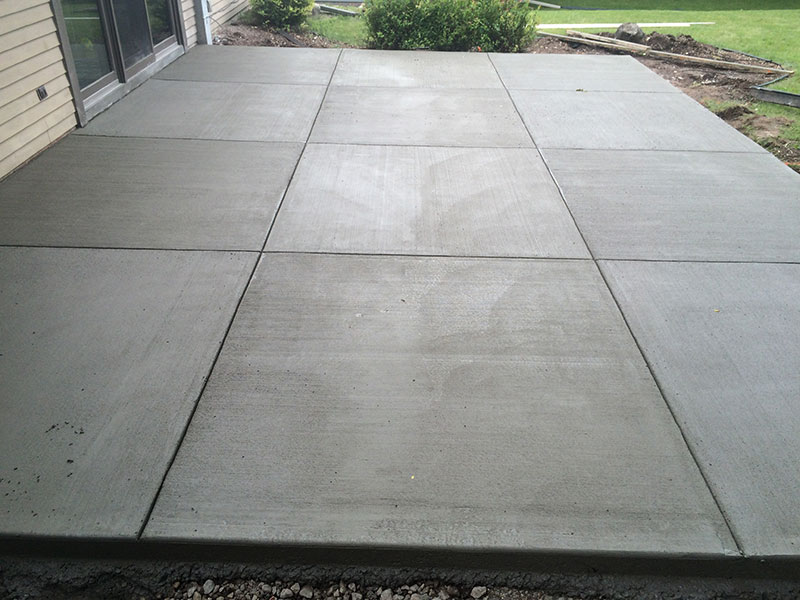
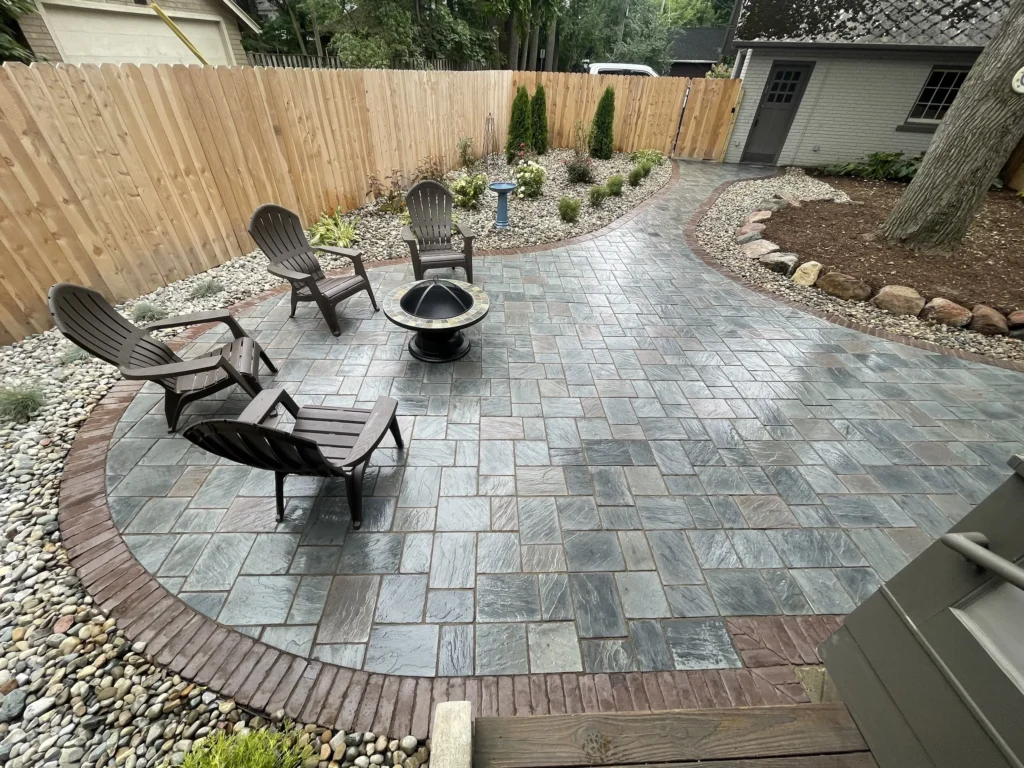
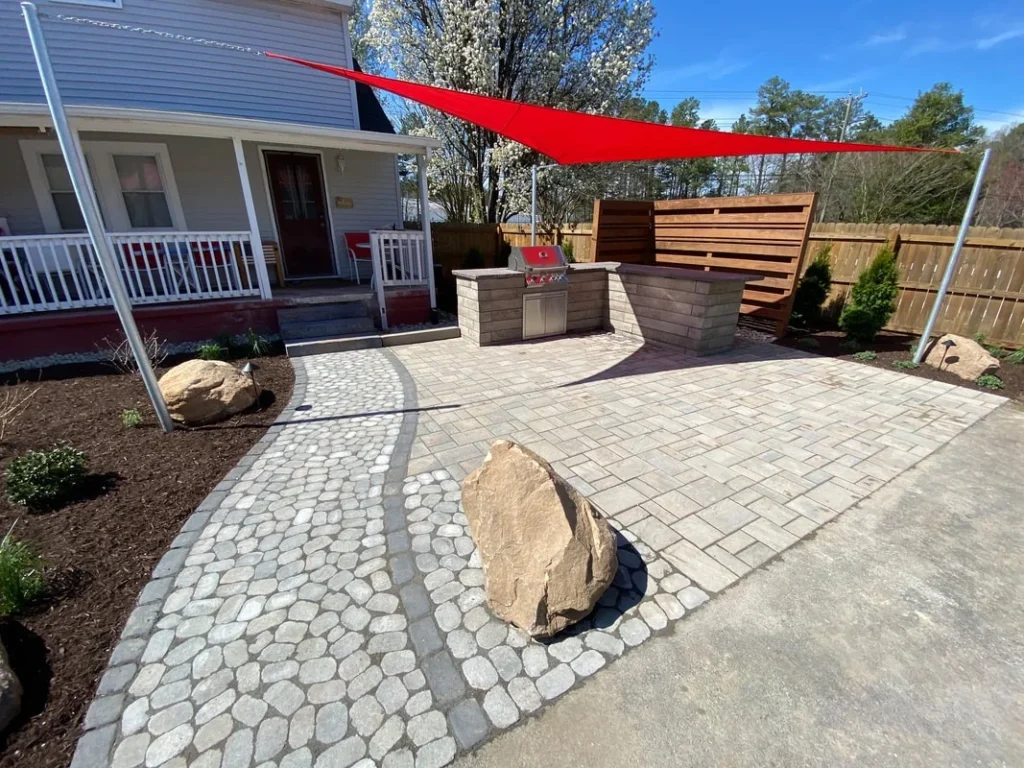
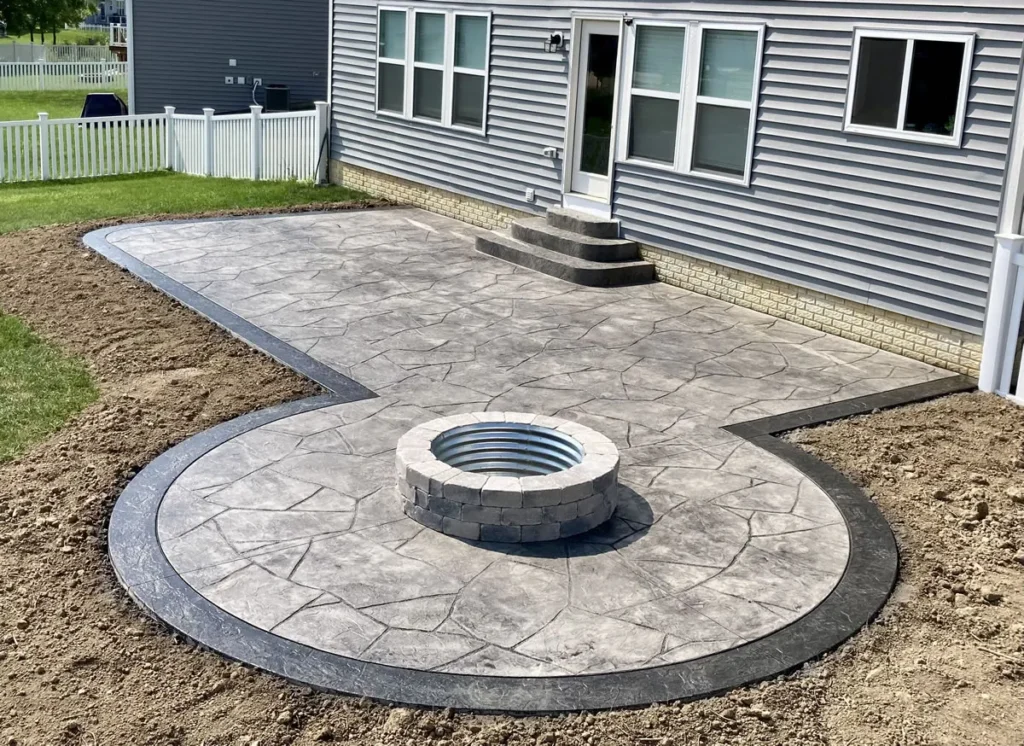
Our Patio Installation Process
1. Initial Consultation & Goals
We discuss your outdoor space goals, preferred materials, budget parameters, and how you plan to use the patio.
2. Site Evaluation
Installers evaluate your yard including soil conditions, drainage patterns, sun exposure, access for equipment, and existing landscaping.
3. Design & Scope Definition
Installers create patio design showing dimensions, material specifications, drainage plan, and integration with existing landscape features.
4. Contractor Matching
We connect you with experienced, insured patio installers. You receive multiple detailed quotes comparing materials, approaches, and pricing.
5. Permits & Construction
If required, installers obtain permits and utility clearances. They schedule work and order materials.
6. Final Inspection & Walkthrough
Installers review completed work, demonstrate proper care and maintenance, and address any questions. You receive guidance on sealing schedules and long-term care.
Patio Installation in Lemmon Valley — What Homeowners Should Know
Housing Styles and Development Patterns
Lemmon Valley’s housing market reflects decades of diverse development. Older properties built between the 1970s and early 2000s commonly sit on half-acre or larger parcels, providing generous yard space for RV parking, workshops, and extensive outdoor living areas. These established homes range from ranch-style layouts to traditional one- and two-story residences, many with room for horses and other animals given the valley’s rural character.
More recent development has brought contemporary options, with communities like Sierra Vista by Jenuane Communities offering modern, energy-efficient homes featuring open-concept designs, smart home technology, and two- or three-car garages. Ladera Ranch showcases Spanish-inspired stucco designs typical of newer master-planned sections. The valley also includes manufactured homes on privately-owned land, which provides homeowners with flexibility for outdoor improvements. This variety in housing styles means patio planning considerations can differ significantly depending on your property’s age, construction type, and lot configuration.
Lot Sizes and Property Characteristics
One of Lemmon Valley’s defining features is the abundance of spacious lots compared to urban Reno or Sparks. Many properties offer ample room for substantial patios, outdoor kitchens, fire features, and other hardscape improvements. The valley’s equestrian-friendly character means many lots accommodate horse facilities alongside residential outdoor living spaces.
Despite generous lot sizes, setback requirements apply to all structures and hardscape features. Homeowners should verify property lines and easements before finalizing patio designs, particularly for properties with irregular boundaries or those located near drainage corridors. Corner lots typically have additional considerations since they may have multiple front yard setback requirements. For properties planning extensive hardscape, understanding how your design fits within setback requirements early in the planning process helps avoid costly revisions later.
Closed Basin and Drainage Considerations
Lemmon Valley sits within a closed hydrologic basin, meaning water that enters the valley has no natural outlet and ultimately drains to Swan Lake at the valley floor. This characteristic requires thoughtful consideration for all construction projects, including patios. Stormwater management and proper site drainage are essential, not just for your property but for the broader community as well.
Patio designs should direct water away from structures and toward appropriate drainage areas. This is particularly important given the valley’s history of flooding during high-precipitation years, most notably in 2017 and 2019. While individual patio projects don’t typically create significant drainage concerns, proper base preparation and grading remain important. Contractors familiar with Lemmon Valley understand these drainage dynamics and can design installations that manage water responsibly while protecting your home’s foundation.
Permitting Through Washoe County
Lemmon Valley falls under Washoe County jurisdiction for all building permits and inspections. For patio installations, permit requirements depend on your specific design. Ground-level patios that remain less than 30 inches above adjacent grade typically don’t require building permits, which covers most standard concrete slab and paver installations at yard level.
Covered patios, pergolas with solid roofs, or elevated structures exceeding 30 inches in height will require permits through the Washoe County Building Program. Projects involving electrical work for lighting or outlets need separate electrical permits, and any natural gas lines for outdoor kitchens or fire features require additional permitting as well. Some newer subdivisions may have homeowner associations with their own architectural review requirements that work in parallel with county permits. Contractors experienced in Lemmon Valley can navigate both processes efficiently and advise on exactly which approvals your design will require.
Climate and Soil Characteristics
At approximately 4,970 feet elevation, Lemmon Valley experiences Nevada’s high desert climate with hot, dry summers frequently reaching the low-to-mid 90s, and cold winters where temperatures regularly drop into the 20s with occasional snow. Annual precipitation averages around 8 inches, though this varies considerably year to year. The area receives intense UV exposure throughout the year, which affects material performance over time.
Soil conditions in Lemmon Valley include clay layers that can be relatively impervious to water infiltration in some areas, along with varying amounts of caliche (hardened calcium carbonate) at different depths. These soil characteristics influence base preparation requirements—proper excavation and installation of compacted gravel base material are essential for preventing settling and ensuring long-term patio stability. The temperature swings between seasons mean materials experience significant thermal expansion and contraction, making proper joint placement crucial for concrete installations and highlighting some advantages of paver systems that can accommodate minor movement without visible cracking.
HOA and Community Guidelines
Some newer developments in Lemmon Valley have homeowner associations that maintain design standards and require architectural approval before exterior improvements. Properties in these communities should verify specific HOA requirements early in the planning process, as guidelines may address materials, colors, coverage limitations, and other design elements.
The approval process typically requires submitting detailed plans, material specifications, and sometimes renderings of proposed work. Timeline for review varies by association, but homeowners should generally plan for several weeks between submission and approval. Properties outside HOA-governed areas don’t face these additional requirements but must still comply with Washoe County building regulations. Working with contractors familiar with your specific neighborhood can help ensure designs meet local expectations from the start.
Patio Installation Costs in Lemmon Valley
Typical Project Cost Ranges
Patio installation costs in Lemmon Valley generally align with the broader Reno-Sparks market, with some considerations specific to the valley’s characteristics. Below are general ranges for common patio types:
| Patio Type | Cost Range (per sq ft) | 250 sq ft Patio | 400 sq ft Patio |
|---|---|---|---|
| Basic Concrete (broom finish) | $8 – $12 | $2,000 – $3,000 | $3,200 – $4,800 |
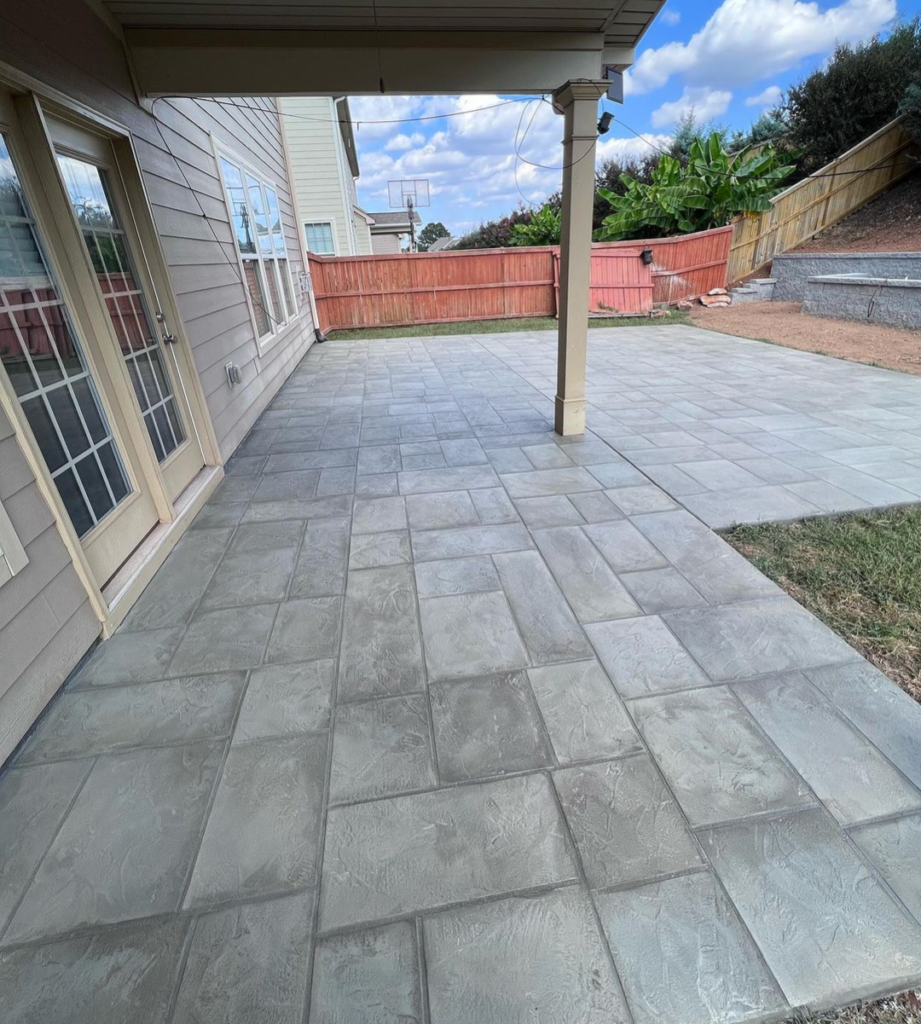
| Stamped/Decorative Concrete | $12 – $18 | $3,000 – $4,500 | $4,800 – $7,200 |
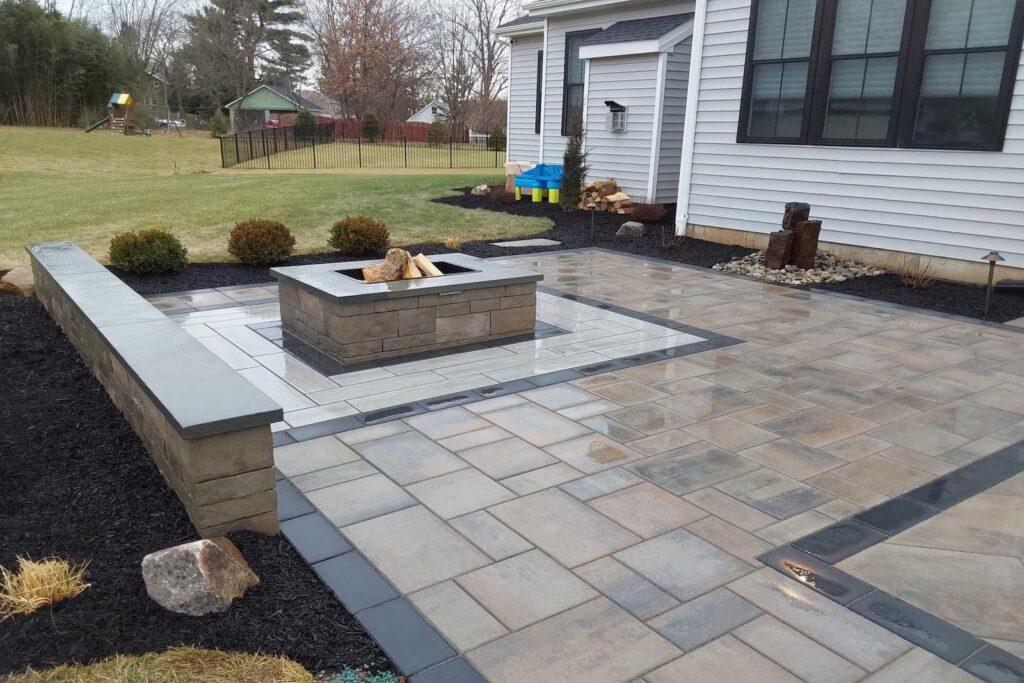
| Concrete Pavers | $15 – $25 | $3,750 – $6,250 | $6,000 – $10,000 |
| Natural Stone Pavers | $20 – $35 | $5,000 – $8,750 | $8,000 – $14,000 |
| Covered Patio (addition) | $2,500 – $10,000 | Additional cost depending on size, materials, and structural requirements |
These figures represent complete installed costs including materials, labor, site preparation, and standard excavation. Actual costs for your specific project will vary based on site conditions, design complexity, and material selections.
Key Factors That Influence Pricing
Site accessibility affects project costs significantly. Many Lemmon Valley properties offer excellent access for equipment and materials, which helps keep costs reasonable. However, properties with limited street frontage, narrow gates, or significant distance between the street and work area may require additional labor for material transport. Properties with steep slopes or challenging terrain may also require extra excavation and base preparation work.
Existing site conditions play a major role in final costs. If there’s old hardscape that needs removal, extensive landscaping requiring protection or relocation, or underground utilities in the work area, these factors add to project scope and cost. Sprinkler systems often require temporary removal and reinstallation. Properties with mature trees near the patio area may need root pruning or other protective measures during construction.
Soil conditions vary throughout Lemmon Valley. Properties with significant caliche layers require more excavation effort, potentially adding several hundred dollars to projects in affected locations. Clay content in some areas means proper drainage planning becomes even more important, which may influence base depth and preparation requirements. The good news is that experienced local contractors understand these variations and can provide accurate estimates after evaluating your specific property.
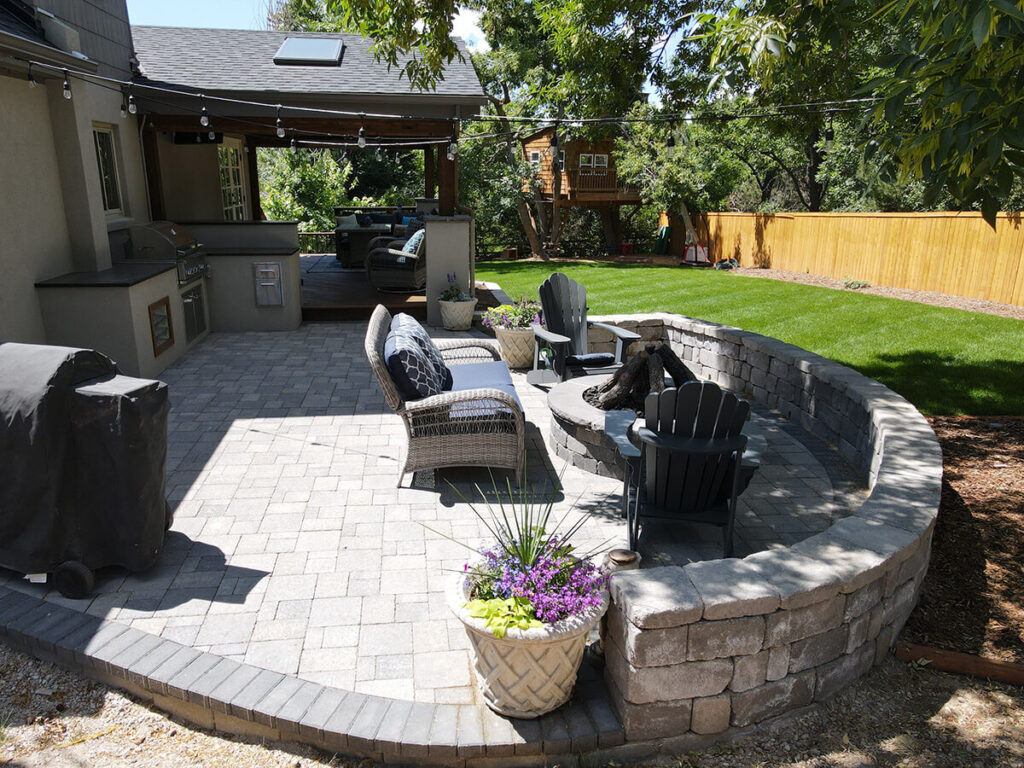
Design complexity directly impacts labor costs. Simple rectangular or square patios with straightforward edges and layouts require less labor than curved designs, intricate paver patterns, or projects involving multiple levels or materials. Projects integrating other features like outdoor kitchens, fire pits, or built-in seating require additional structural work and coordination with gas fitters, electricians, or other trades, which increases total project investment.
Lemmon Valley-Specific Considerations
Given the valley’s drainage history and closed-basin characteristics, responsible contractors often recommend slightly enhanced drainage planning compared to projects in areas with natural outlets. This might include thicker gravel base layers or additional attention to grading, which represents good practice rather than a significant cost increase. The clay-heavy soils in some areas make proper base preparation even more critical, but this is already included in quality installations.
For properties in areas that were affected by past flooding or are within updated flood zone maps, homeowners should be aware that certain mitigation measures might be advisable or required, particularly for covered structures. Contractors familiar with the valley understand these considerations and can advise appropriately during the planning phase.
Distance from material suppliers in Reno is minimal—typically 10-15 miles—so delivery fees remain reasonable. Labor rates in Lemmon Valley align with Washoe County market standards. Many contractors appreciate working in the valley due to generous lot sizes and generally straightforward site access, which can make projects more efficient. Scheduling flexibility is often good here, particularly during spring and fall when weather conditions are ideal for concrete work.
Transparent Estimates and Budget Planning
Professional contractors provide detailed, itemized estimates that separate material costs, labor, site preparation, base installation, and any additional work. This transparency helps you understand exactly what you’re paying for and makes it easier to modify the project scope if needed to fit your budget. Estimates should specify materials by type and quality grade, installation methods, project timeline, warranty information, and payment terms.
When reviewing multiple bids, watch for significant outliers. Very low bids may indicate shortcuts in base preparation, lower-grade materials, or inexperienced labor—all of which compromise long-term performance. Very high bids may include unnecessary work or inflated margins. The middle range of competitive bids from licensed, insured contractors typically represents fair market value for quality work. Don’t hesitate to ask questions about any line items or differences between estimates—good contractors appreciate informed clients and welcome the opportunity to explain their approach.
What Makes Our Contractor Network Different
Understanding Lemmon Valley’s Unique Environment
Contractors in our network have extensive experience working in Lemmon Valley’s closed-basin environment and understand the valley’s drainage dynamics, soil characteristics, and seasonal flooding history. They know how to design and install patios that manage stormwater responsibly, protect home foundations, and contribute to appropriate drainage patterns rather than creating problems. This valley-specific knowledge ensures your project is built with long-term durability in mind and respects the unique hydrology of the area.
They understand the importance of proper base preparation given the clay soils and varying caliche depths found throughout the valley. They know which areas tend to have more challenging soil conditions and can plan accordingly during the estimation phase. This local expertise translates directly to better project outcomes and fewer surprises during construction.
Permitting and Compliance Knowledge
Working with contractors who regularly navigate Washoe County’s permitting process saves time and prevents frustration. They understand exactly which patio designs require permits, what documentation the county expects, and how to prepare plans that meet county requirements on the first submission. For projects that do require permits, they can manage the submittal process, coordinate inspections, and ensure all work complies with current codes.
They also understand how to balance design goals with practical permitting considerations. For example, they can explain options for covered outdoor living spaces and how design choices affect permitting requirements, helping you make informed decisions that achieve your vision while working within regulatory frameworks.
Experience with Diverse Property Types
Lemmon Valley’s housing diversity means contractors need experience with various property types—from manufactured homes on permanent foundations to newer stick-built construction to established properties with unique characteristics. The contractors we connect you with have worked across this spectrum and understand how to integrate patios appropriately with different construction types and site conditions.
Whether you own a property on multiple acres with equestrian facilities or a home in a newer subdivision with HOA oversight, they can design solutions that fit your specific situation. They’ve completed projects throughout the valley’s various neighborhoods and understand local expectations and common practices in different areas.
Climate-Appropriate Materials and Methods
Building in Nevada’s high desert at nearly 5,000 feet elevation requires understanding how materials perform through extreme temperature swings, intense sun, and minimal but occasionally heavy precipitation. These contractors know which concrete mix designs cure well in hot, dry conditions, which pavers withstand temperature cycling without cracking, and which finishes maintain their appearance despite intense UV exposure.
They understand proper joint placement for concrete to accommodate thermal expansion and contraction. They know how to prepare bases that remain stable through years of freeze-thaw cycles. They can advise on material selections that balance initial cost with long-term performance and maintenance requirements, helping you make decisions that work for your specific situation and budget.
Established Local Presence and Accountability
Working with contractors who maintain an ongoing presence in Lemmon Valley and the North Valleys area provides important advantages. These professionals have established relationships with local material suppliers, which can mean better availability, consistent quality, and sometimes favorable pricing. They know which suppliers stock quality products and stand behind their materials.
More importantly, their continued local presence creates accountability. They maintain their reputation through quality work and customer service, which provides strong incentive for your satisfaction. If you have questions after project completion, need maintenance guidance, or want to discuss additional improvements down the road, you’re working with someone accessible and invested in their local standing. This ongoing availability provides peace of mind that’s harder to find with contractors who work primarily outside the area.
Licensed & Insured Contractors Only
Every contractor in the Reno Home Remodel network maintains active Nevada contractor licensing and carries appropriate insurance coverage. We verify these credentials before making referrals, protecting you from the significant risks associated with unlicensed work. Nevada contractor licenses indicate that the contractor has demonstrated competency in their trade and maintains required bonding and insurance as mandated by state law.
This verification provides critical protection if issues arise during construction. Licensed contractors carry liability insurance that protects you if property damage occurs, and they maintain workers’ compensation coverage that protects you from liability if someone is injured on your property during construction. These protections are absent when working with unlicensed individuals, regardless of potential cost savings on the initial bid. Given Lemmon Valley’s unique environmental considerations, working with properly licensed contractors who understand local requirements is particularly important.
Let's Start Your Patio Installation in Lemmon Valley!
Imagine having your own outdoor room where you can eat dinner under the stars, host BBQs with friends, or just relax with morning coffee. We connect families with honest, skilled patio contractors who make that dream real.
Need Help?
Frequently Asked Questions About Patio Installation in Lemmon Valley
Below are some of the most common questions Our Network get from families about Patio remodel. If you have any other questions contact us!
How long does patio installation take?
Most patios install in 3-7 days depending on size and material. Concrete patios require 3-5 days including curing time. Paver and stone patios typically take 3-7 days. Site preparation, weather, and complexity affect timeline.
How long do patios last?
Properly installed patios last decades. Concrete patios: 25-50+ years. Pavers: 30-50+ years with minimal maintenance. Natural stone: 50+ years. Lifespan depends on installation quality, maintenance, and site conditions.
Do patios need maintenance?
Maintenance varies by material. Concrete patios should be resealed every 3-5 years. Paver patios need occasional joint sand replenishment and cleaning. Stone patios benefit from periodic sealing. All patios need occasional cleaning and weed control in joints.
When is the best time to install a patio?
Spring through fall offers ideal conditions in Reno. Summer heat doesn’t prevent installation but affects concrete curing. Winter installation is possible during mild periods but not ideal. Most homeowners install spring or early fall for completion before peak outdoor season.
Talk to a Patio Installer in Lemmon Valley
Whether you’re near Swan Lake, in Sierra Vista, along Matterhorn Boulevard, near Lemmon Valley Park, or anywhere else throughout the valley, connecting with the right contractor makes your patio project more successful and less stressful. The contractors in our network understand Lemmon Valley’s closed-basin characteristics, work regularly with Washoe County’s building department, and have completed numerous projects throughout neighborhoods from the newer developments near Stead to established properties on larger acreage. We’re here to connect you with professionals who can evaluate your property’s specific conditions, discuss design options that work with your site and budget, and provide transparent pricing—all with no pressure and no obligation.