
Professional Fireplace Installers in North Valleys, NV
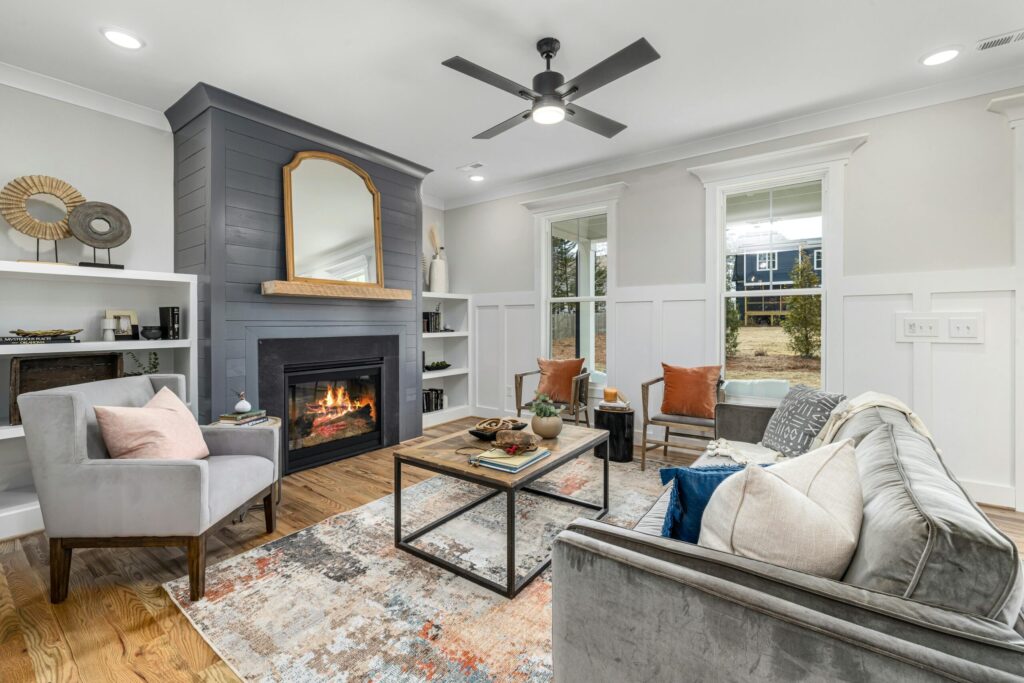
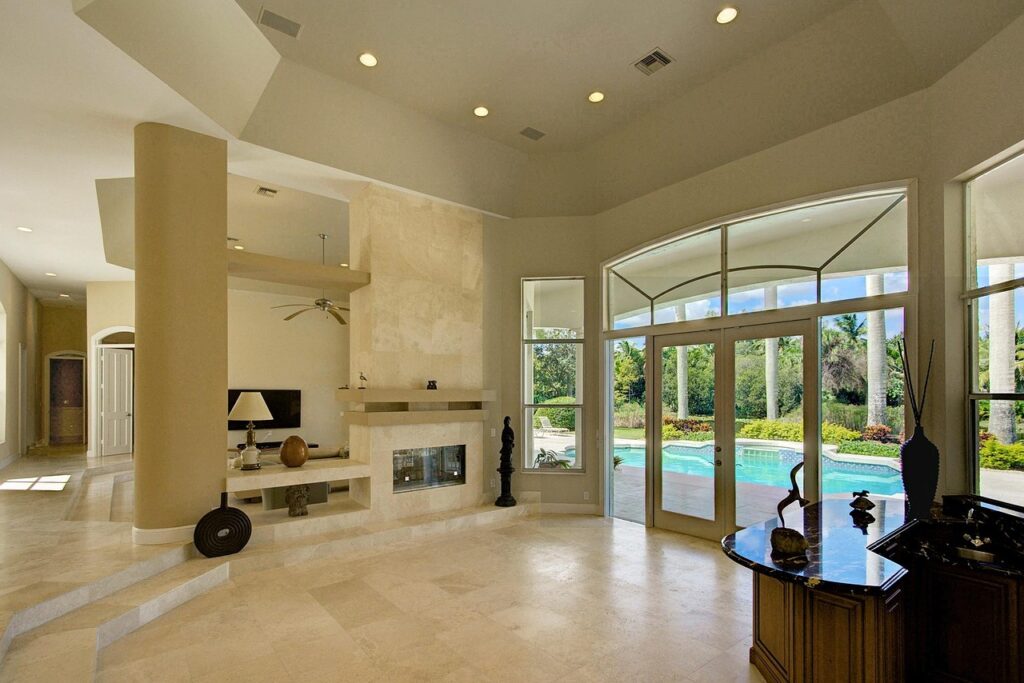
Looking for trusted fireplace installation contractors in North Valleys? We connect families with expert fireplace installation contractors who bring comfort, warmth, and beauty into your home — without the hassle of wood-burning fireplaces!
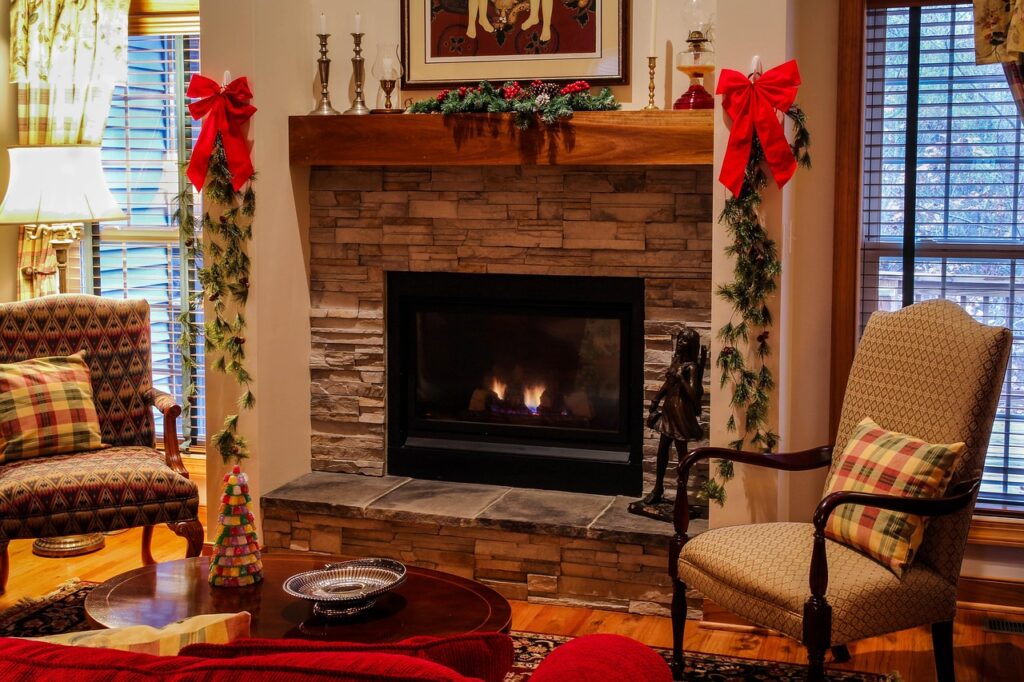
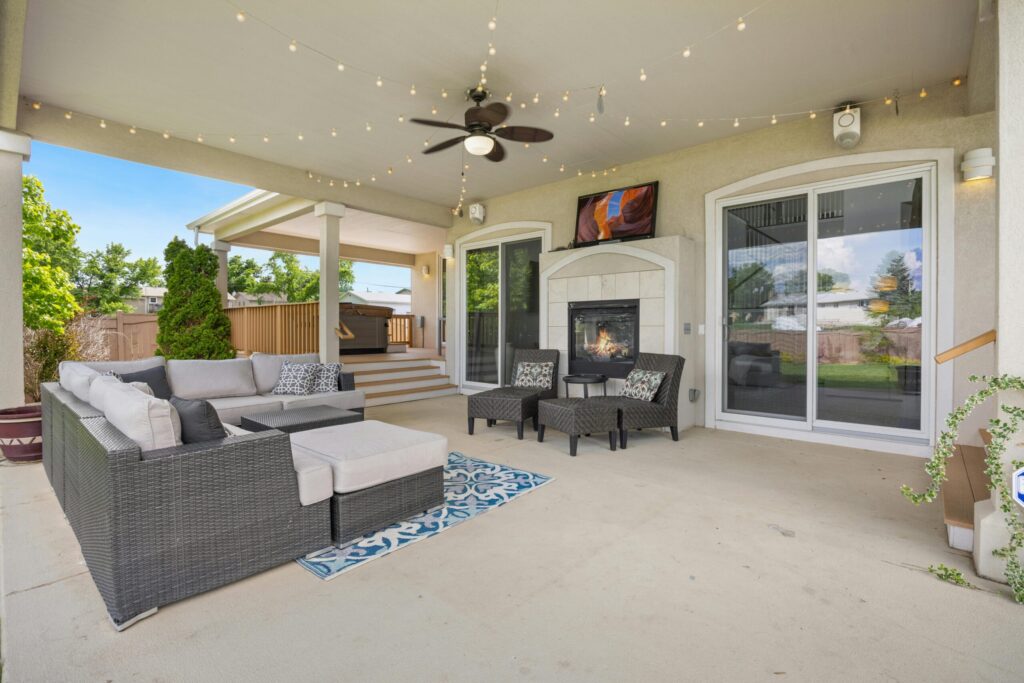
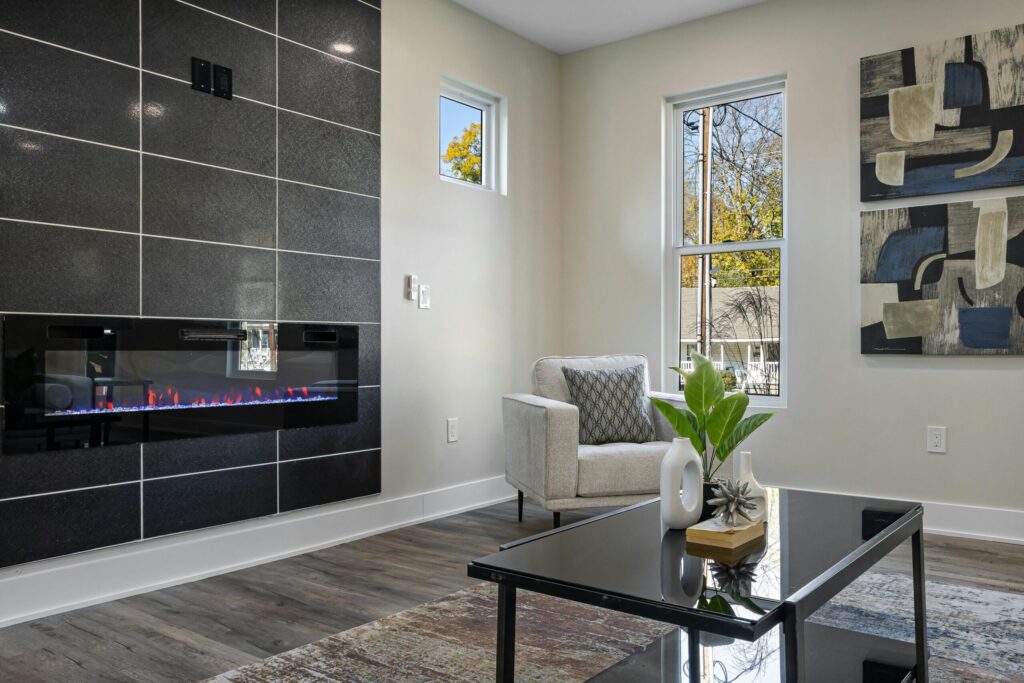
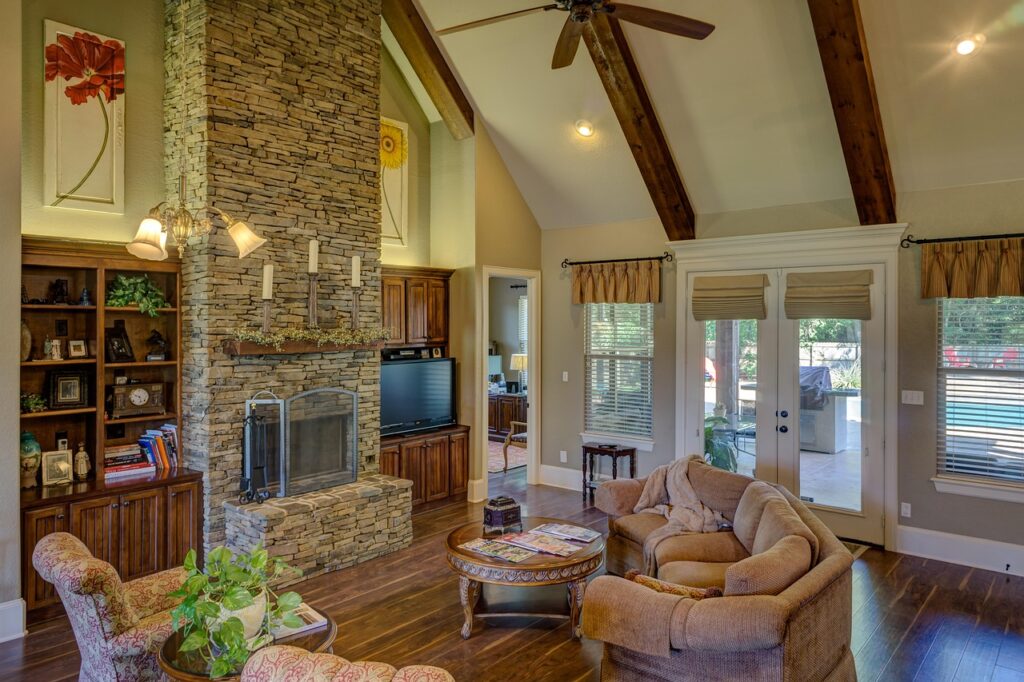
Popular Fireplace Services in North Valleys

Our Fireplace Installation Process
1. Initial Consultation & Goals
We discuss your heating needs, aesthetic preferences, budget, and intended fireplace location. Understanding your goals helps match you with appropriate installers.
2. Site Evaluation
Installers visit to evaluate installation location, assess venting options, check gas line access, verify electrical availability, and identify any structural considerations.
3. Design & Scope Definition
Installers recommend fireplace types suitable for your needs, show product options, discuss venting approaches, and provide detailed cost estimates including installation.
4. Contractor Matching
We connect you with experienced, licensed fireplace installers. You receive multiple detailed quotes comparing products, installation approaches, and pricing.
5. Permits & Construction
Installers obtain required gas, building, and electrical permits. They order fireplace unit and schedule installation once approvals received.
6. Final Inspection & Walkthrough
All work undergoes required inspections. Installers demonstrate proper operation, explain maintenance requirements, and provide safety information.
Let's Start Your Fireplace Project in North Valleys
Let’s chat about your ideas! Getting started is easy – simply reach out with details about your Fireplace project, and we’ll connect you with qualified, licensed contractors.
Fireplace Installation in North Valleys — What Homeowners Should Know
Diverse Property Types and Development Patterns
The North Valleys encompasses a wide variety of property types, from established horse properties on multi-acre parcels to newer planned communities with standard suburban lots. Areas like Lemmon Valley and Golden Valley feature a mix of long-standing homes built between the 1970s and 1990s on larger lots, alongside brand-new construction in developments completed within the last five years. Stead includes both older single-family homes near the Reno-Stead Airport and newer housing in planned communities. Cold Springs offers rural residential character with properties ranging from smaller lots to expansive acreage. This diversity means fireplace installation requirements vary significantly—rural properties may have propane rather than natural gas service, older homes might need utility upgrades, and newer developments typically have modern framing and clear utility access. Horse properties and agricultural parcels often have more flexibility for exterior venting and chimney placement.
Lot Sizes and Rural Living Considerations
North Valleys properties range from standard quarter-acre suburban lots in newer subdivisions to multi-acre parcels common in rural areas. Many properties throughout Lemmon Valley, Golden Valley, and Cold Springs feature one to five-acre lots used for horses, small livestock, or simply open space. Larger lot sizes provide more flexibility for fireplace venting configurations, chimney placement, and exterior aesthetics compared to denser urban neighborhoods. However, rural properties may face different challenges, including longer gas line runs from the meter, propane tank requirements where natural gas isn’t available, and the need to consider wind exposure when planning venting systems. Some areas operate under homeowners associations with architectural guidelines, particularly in newer planned communities, while older rural parcels typically have fewer restrictions beyond county code requirements.
Washoe County Permitting Process
Fireplace installations in the North Valleys require permits through the Washoe County Building & Safety Division since this area is in unincorporated Washoe County rather than within city limits. The county uses the ONE Regional Licensing and Permits online portal (Accela system) for permit applications, plan submissions, and scheduling inspections. Contractors must hold both a Nevada State Contractor’s License and register with Washoe County. Fireplace installations typically involve building, mechanical, and gas permits depending on fuel type, and may also require approval from the Northern Nevada Public Health Air Quality Management Division for wood-burning installations based on property lot size. Washoe County has specific regulations restricting wood-burning fireplaces in areas with smaller lot sizes to protect air quality, making gas and electric options more common in denser developments. Processing times for straightforward residential fireplace permits generally range from one to two weeks, though complex installations or properties in special fire districts may require additional review.
Cold Semi-Arid Climate and Weather Patterns
The North Valleys shares the Truckee Meadows’ cold semi-arid climate with significant seasonal temperature variation. Winter temperatures frequently drop into the low to mid-20s Fahrenheit at night, with daytime highs in the 40s to low 50s. Summer brings dry heat with highs reaching the upper 80s to low 90s. The area receives approximately 7 to 9 inches of precipitation annually, most falling as snow between November and March. Annual snowfall averages 20 to 25 inches, with higher elevations toward the foothills receiving more. This climate directly impacts fireplace installation planning. The extended heating season—roughly October through April—means fireplaces often serve as important supplemental or even primary heat sources rather than decorative features. Venting systems must account for winter snow accumulation on exterior termination points and handle temperature extremes between seasons. The dry air and low humidity require proper sealing around fireplace penetrations to minimize heat loss. Wind exposure can be significant in open valley areas, requiring careful consideration of venting orientation and termination height.
Foundation and Structural Considerations
Most North Valleys homes are built on concrete slab or crawl space foundations appropriate for the region’s stable, well-drained soils. Newer construction typically follows modern engineered foundation systems with predictable load capacity. Older homes, particularly those built before the 1990s, may have settled over decades or been constructed using earlier building practices that require evaluation before adding significant loads from masonry fireplaces or heavy prefabricated units. Rural properties occasionally include manufactured or mobile homes, which have different structural considerations and may require specific installation approaches. Properties in areas with higher water tables, such as portions of Lemmon Valley near historical Swan Lake, should consider soil moisture conditions when planning ground-level hearth installations or foundation work. Any fireplace installation requiring structural support should include engineering assessment of foundation capacity and framing adequacy, particularly in older construction where original specifications may be unknown.
Air Quality Regulations for Wood-Burning Devices
The Northern Nevada Public Health Air Quality Management Division regulates wood-burning fireplaces in Washoe County to protect air quality in the Truckee Meadows airshed. Wood-burning devices including traditional fireplaces, wood stoves, pellet stoves, and hydronic heaters are only permitted on properties meeting specific lot size requirements—generally properties on larger acreage where housing density is lower and emissions don’t concentrate. Gas fireplaces and low-emitting EPA-certified pellet stoves are allowed regardless of lot size. Homeowners considering wood-burning options must verify their property’s eligibility through the Air Quality Management Division before purchasing equipment or applying for permits. These regulations mean that many North Valleys properties, particularly in newer planned developments with smaller lots, are limited to gas or electric fireplace options. Contractors familiar with local requirements can advise on which fuel types are permitted for specific properties.
Fireplace Installation Costs in North Valleys
Typical Project Cost Ranges
Fireplace installation costs in the North Valleys vary based on fuel type, equipment selection, installation complexity, and site-specific factors such as utility access and venting requirements. The following ranges reflect typical residential projects in the North Valleys area, including materials, labor, permits, and standard venting systems:
| Fireplace Type | Typical Cost Range |
|---|---|
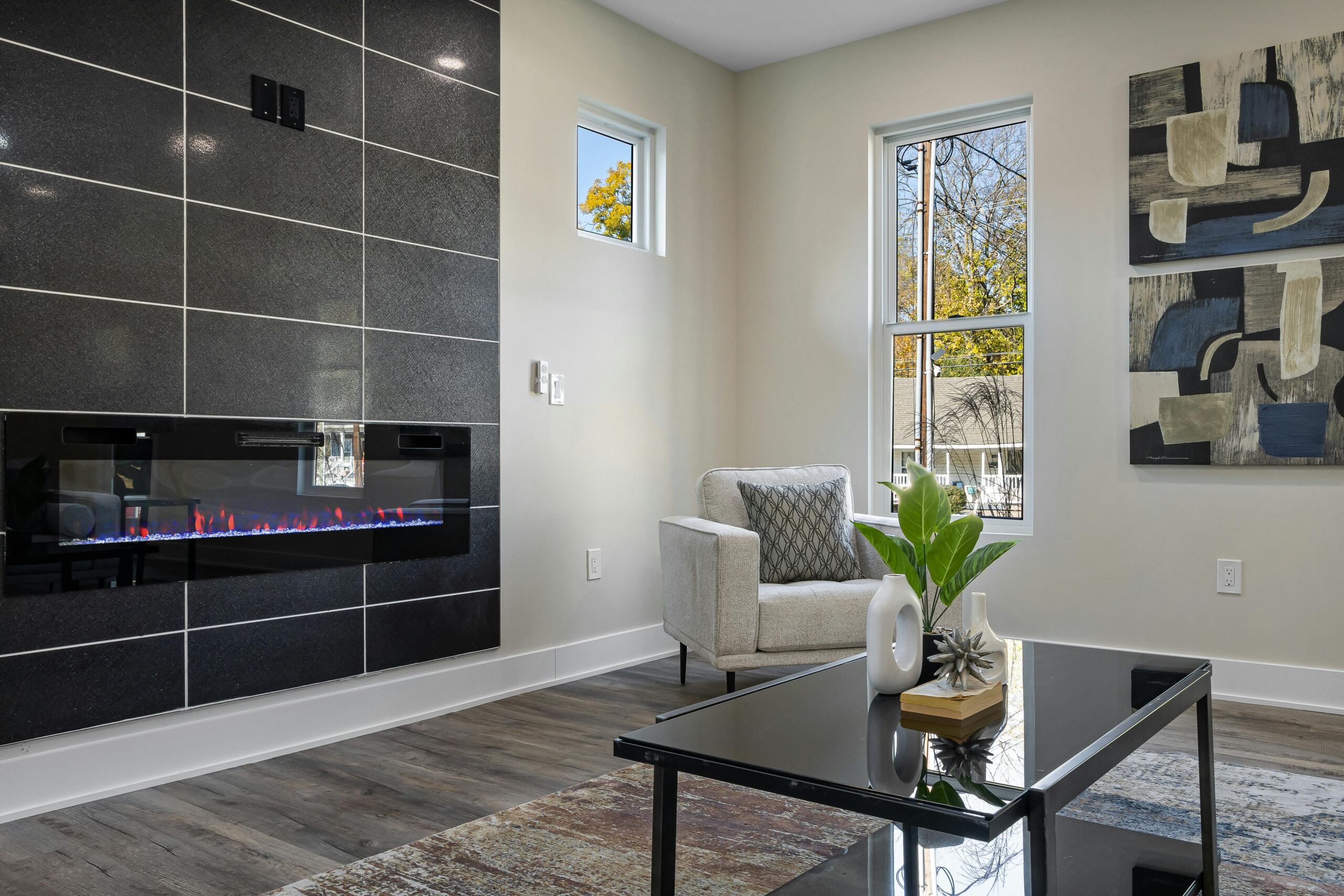
| Electric Fireplace (plug-in or insert) | $750 – $2,500 |
| Electric Fireplace (recessed/built-in) | $1,800 – $3,800 |
| Gas Fireplace (direct vent) | $3,500 – $8,000 |
| Gas Fireplace (ventless, where code-compliant) | $2,800 – $5,800 |
| Wood-Burning Insert (existing fireplace) | $3,800 – $7,500 |
| Zero-Clearance Wood Fireplace (new installation) | $8,000 – $15,000 |
| Pellet Stove (EPA-certified) | $3,200 – $6,500 |
| Custom Masonry Fireplace | $12,000 – $28,000+ |
These ranges represent typical installations based on common North Valleys scenarios. Your actual project costs will depend on specific home conditions, equipment choices, and contractor pricing.
Key Factors Influencing Pricing
Several variables significantly affect fireplace installation costs. Equipment selection represents the largest single expense—high-efficiency units with advanced features, larger viewing areas, or premium finishes cost substantially more than basic models, though they often provide better long-term value through improved efficiency and durability. Venting requirements have major cost implications; direct-vent gas fireplaces require exterior wall penetration, venting pipe, and termination caps, while wood-burning installations involve the highest venting costs due to insulated chimney systems that must extend well above the roofline with proper clearances. Labor complexity increases with structural modifications, extensive framing work for recessed units, challenging access locations, or installations requiring coordination with other trades. Finish materials including mantels, surrounds, hearth construction, and custom trim work add to total project costs but provide personalization opportunities. Permit fees and inspection costs are standardized but multiple permit types may be required depending on installation scope.
North Valleys-Specific Cost Considerations
Several local factors influence fireplace installation costs in the North Valleys. Natural gas availability varies throughout the region—while many developed areas have gas service, rural properties and outlying locations often rely on propane, which requires tank installation and potentially affects long-term fuel costs. Longer gas line runs from the meter to the installation location on larger properties increase material and labor expenses. Older homes in established areas may need electrical service upgrades to support electric fireplaces or gas fireplace blower systems. Rural properties might face additional costs for site access if contractors need to bring equipment or materials across unpaved areas or through gates. The requirement for Air Quality Management Division review for wood-burning installations adds a permitting step that contractors factor into timelines and costs. Winter installation scheduling can affect both contractor availability and working conditions, as cold weather complicates certain installation steps. Travel time to North Valleys locations may be reflected in service call fees compared to more central Reno areas.
Transparent Estimates and Project Planning
Reputable fireplace contractors provide comprehensive, itemized estimates that clearly break down equipment costs, labor charges, permit fees, venting materials, gas line work, electrical components, and any necessary structural modifications or finish work. Quality estimates are based on in-home evaluations where contractors assess existing utilities, structural conditions, venting pathways, and your specific installation goals. Be wary of contractors who provide quotes without visiting your property or who are vague about what is and isn’t included in their pricing. For North Valleys properties, good contractors will verify gas service availability, confirm lot size eligibility for wood-burning options, evaluate venting pathways given your home’s construction, and discuss how property characteristics affect installation approach. Obtaining multiple estimates allows you to compare not only pricing but also contractor communication quality, proposed solutions, equipment recommendations, warranty terms, and overall professionalism. Don’t automatically choose the lowest bid—consider the complete value proposition including contractor experience, communication, and long-term support.
What Makes Our Contractor Network Different
Experience with Washoe County Permitting
Contractors in our network have established familiarity with Washoe County Building & Safety procedures and understand the county’s permitting requirements, which differ in some respects from city processes in Reno or Sparks. They know how to navigate the ONE Regional portal, what documentation the county expects for various fireplace types, and how to coordinate with the Air Quality Management Division when required for wood-burning installations. This experience reduces the likelihood of application delays, correction requests, or inspection issues that can extend project timelines. Experienced local contractors stay current on changes to adopted codes and local amendments, understand county inspection schedules and procedures, and maintain working relationships with building officials that facilitate smooth project completion.
Understanding of Rural and Suburban Property Characteristics
Local contractors recognize the distinct characteristics of different North Valleys communities and property types. They understand that Lemmon Valley properties may have horse facilities and larger setbacks, that Golden Valley offers mix of lot sizes and ages, that Stead includes both older established homes and newer developments, and that Cold Springs features rural residential character. This familiarity allows contractors to anticipate installation challenges specific to your property type, recommend fireplace options that suit your home’s construction and your lifestyle, and plan installations that account for factors like propane service, longer utility runs, or wind exposure common in open valley locations. A contractor who regularly works in the North Valleys knows where to expect natural gas service versus propane, how older rural homes were typically built, and which areas have HOA requirements.
High-Desert Climate Installation Expertise
Our contractors have substantial experience installing fireplaces that perform reliably in Northern Nevada’s demanding climate. They understand the importance of proper sealing and insulation in our dry environment, know how to specify venting systems that handle winter snow loads and temperature extremes, and can recommend units appropriately sized for the North Valleys’ extended heating season. Climate-appropriate installation includes attention to thermal expansion in venting components, protection against moisture intrusion during spring weather, wind resistance for exterior venting, and proper clearances accounting for both summer heat and winter conditions. This experience results in fireplace systems that maintain efficiency, safety, and reliability across the significant temperature swings and weather conditions characteristic of the high desert.
Knowledge of Air Quality Regulations
Contractors familiar with the North Valleys understand Washoe County’s air quality regulations governing wood-burning devices and can help homeowners determine what options are available for their specific property. They know the lot size requirements that determine wood-burning eligibility, understand the permitting process with the Air Quality Management Division, and can explain the differences between traditional wood fireplaces, EPA-certified wood stoves, pellet stoves, and gas alternatives. This knowledge prevents homeowners from investing in equipment that isn’t permitted for their location and ensures installations comply with both building codes and air quality regulations. Contractors experienced in this area can also advise on high-efficiency options that maximize heating performance while meeting environmental standards.
Relationships with Local Suppliers and Trades
Contractors working regularly in the Reno-Sparks area maintain relationships with regional suppliers, distributors, and specialized trades that can benefit your project. These connections provide access to quality equipment, competitive pricing on materials, and faster availability when standard or special-order items are needed. Local suppliers familiar with Northern Nevada conditions can recommend products proven to perform well in our climate. For complex installations requiring coordination with other trades—such as electricians for dedicated circuits or masons for hearth construction—established contractors have trusted networks that streamline scheduling and ensure quality work across all aspects of your project.
Post-Installation Support and Accountability
Working with local contractors means ongoing accessibility after your fireplace installation is complete. If you have questions about operation, need routine maintenance, experience any performance issues, or require service down the road, contractors invested in the North Valleys community remain available and motivated to support their work. Local businesses depend on reputation within a defined service area, creating strong incentive to ensure customer satisfaction and stand behind completed projects. This local accountability is particularly valuable for fireplace systems that require seasonal use, occasional cleaning or service, and may benefit from the contractor who understands your specific installation and property conditions.
Licensed & Insured Contractors Only
Every contractor in our network maintains an active Nevada State Contractor’s License and carries both general liability and workers’ compensation insurance. We verify these credentials before making referrals to homeowners. For North Valleys residents, this means protection from liability if accidents occur during installation, confidence that work will meet state and county code requirements, and recourse through the Nevada State Contractors Board if issues arise. Insurance coverage protects your property during the construction process and provides financial protection against unforeseen circumstances. We only connect homeowners with contractors who have documented these essential qualifications and maintain them in good standing.
Need Help?
Frequently Asked Questions About Fireplace in North Valleys
Below are some of the most common questions Our Network get about Fireplace. If you have any other questions contact us!
How long does fireplace installation take?
Most installations complete in 1-3 days. Simple electric units: 4-8 hours. Direct-vent gas fireplaces: 1-2 days. Gas inserts: 1-2 days. New wood-burning with chimney: 3-7 days. Custom surrounds add 1-3 days. Permits and product delivery add time before installation.
What's the most efficient fireplace type?
Direct-vent gas fireplaces and wood-burning inserts offer highest efficiency (70-85%). Pellet stoves also very efficient (70-85%). Electric fireplaces convert electricity to heat efficiently but electricity costs more than gas. Traditional masonry fireplaces least efficient (10-30%).
Do gas fireplaces work during power outages?
Some do, some don’t. Millivolt ignition systems operate without electricity—pilot light ignites main burner. Electronic ignition systems require electricity. Battery backup systems available for some models. Discuss with installer if power-outage operation important.
How much does it cost to operate a gas fireplace?
Natural gas: approximately $0.50–$1.50 per hour at current Reno rates depending on BTU rating. Propane: roughly double natural gas cost. Electric: $0.15–$0.30 per hour. Wood: varies by wood cost and efficiency. Actual costs depend on usage patterns and fuel prices.
Talk to a Fireplace Installer in North Valleys
Whether you’re in Stead, Lemmon Valley, Golden Valley, Cold Springs, or anywhere throughout the greater North Valleys area, we connect you with qualified fireplace installation contractors who understand both your community and your specific project needs. Our referral process is straightforward and carries no obligation—we provide information about available contractors based on your project requirements, you decide who to contact, and you maintain complete control over the selection and contracting process. There’s no pressure to proceed until you find a contractor who meets your expectations for communication, pricing, and approach.