
Professional Patio Installation in North Valleys, NV
Looking for patio installation in North Valleys, NV? Your dream patio is waiting. Let's make it happen. Because every family deserves a backyard they actually want to use — and every hardworking contractor deserves to be found.
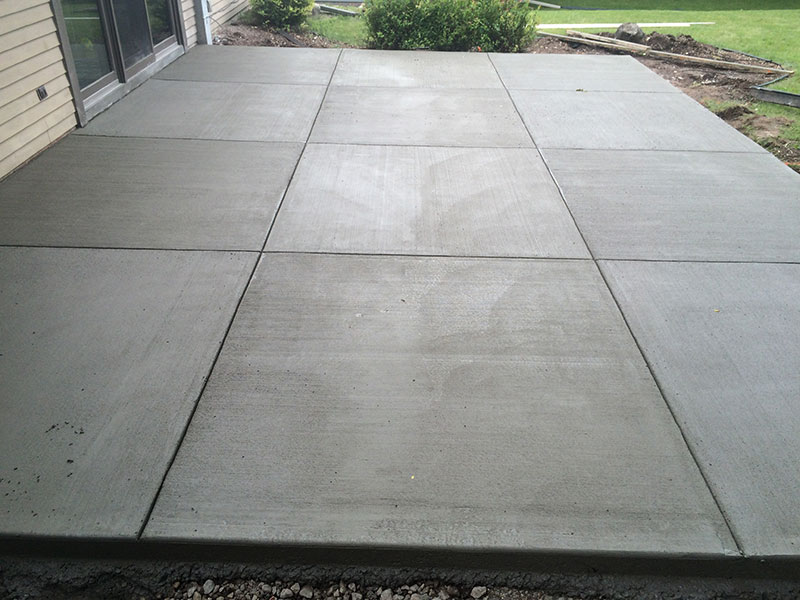
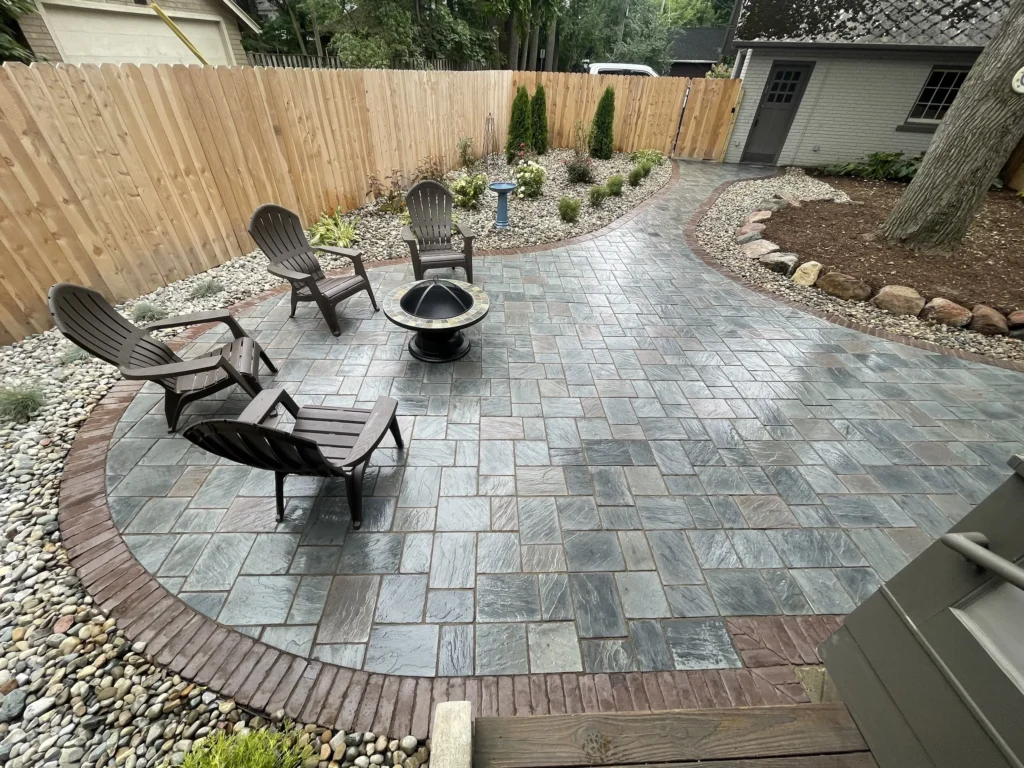
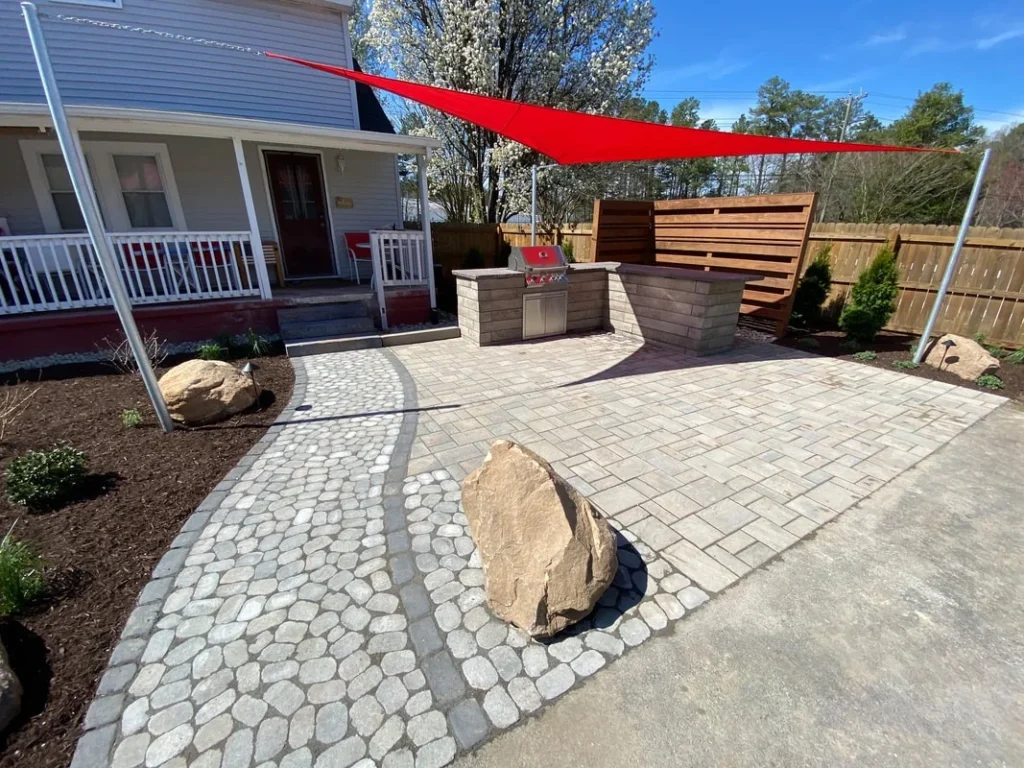
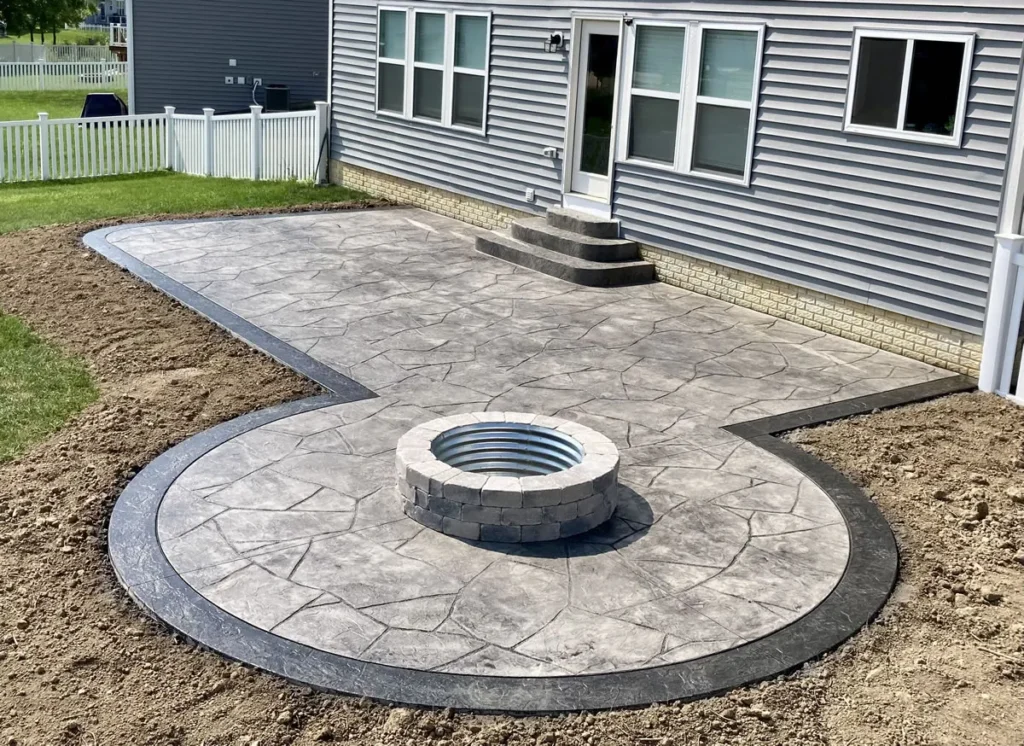
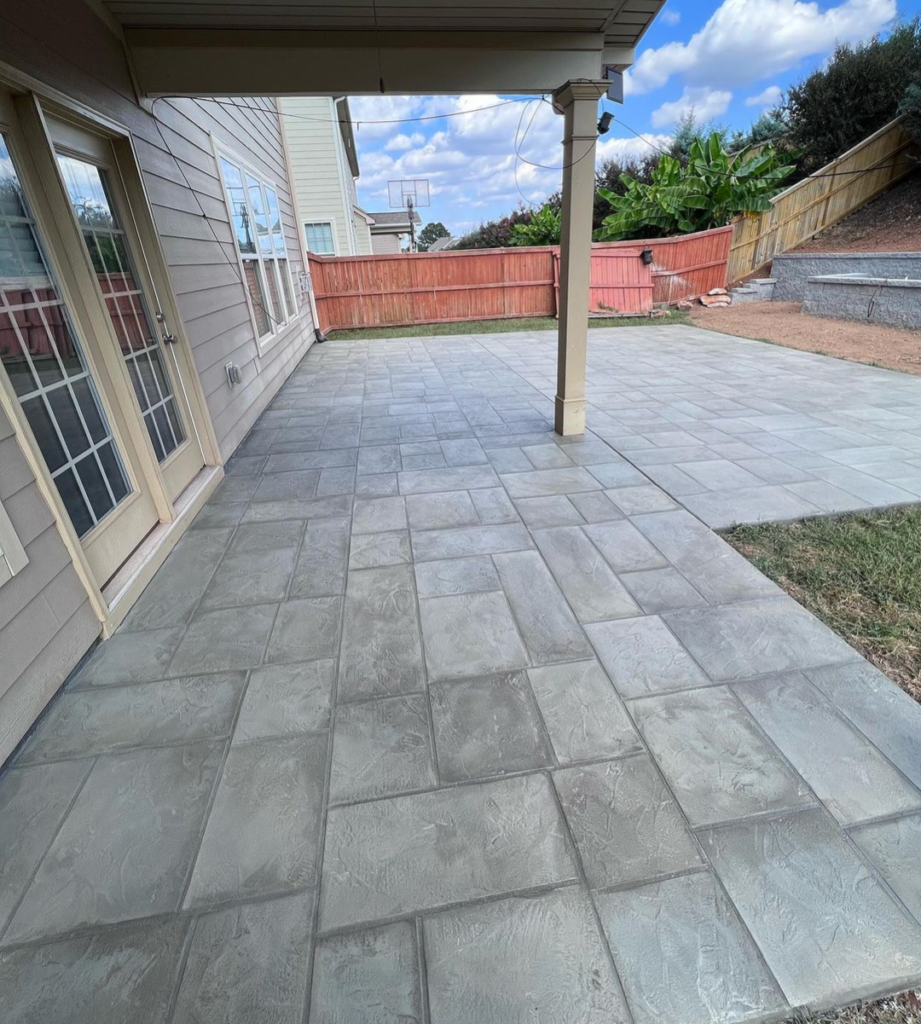
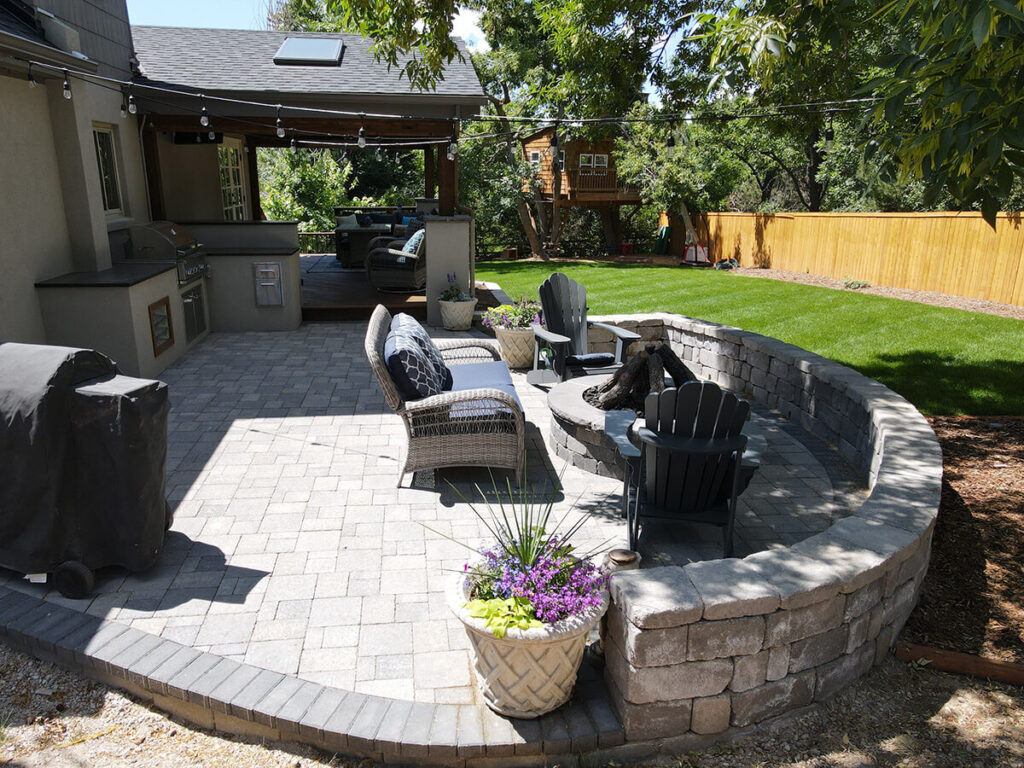
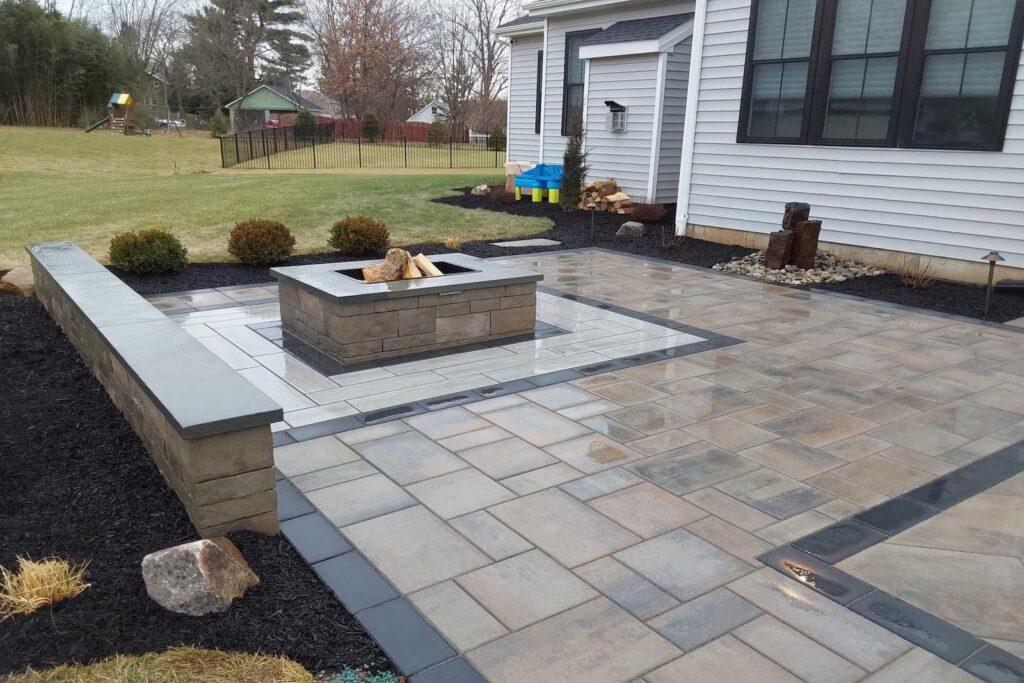
Popular Patio Installation Services in North Valleys
Our Patio Installation Process
1. Initial Consultation & Goals
We discuss your outdoor space goals, preferred materials, budget parameters, and how you plan to use the patio.
2. Site Evaluation
Installers evaluate your yard including soil conditions, drainage patterns, sun exposure, access for equipment, and existing landscaping.
3. Design & Scope Definition
Installers create patio design showing dimensions, material specifications, drainage plan, and integration with existing landscape features.
4. Contractor Matching
We connect you with experienced, insured patio installers. You receive multiple detailed quotes comparing materials, approaches, and pricing.
5. Permits & Construction
If required, installers obtain permits and utility clearances. They schedule work and order materials.
6. Final Inspection & Walkthrough
Installers review completed work, demonstrate proper care and maintenance, and address any questions. You receive guidance on sealing schedules and long-term care.
Patio Installation in North Valleys — What Homeowners Should Know
Housing Patterns and Growth
The North Valleys has experienced significant residential growth over the past two decades, transforming from a primarily rural area into a mix of established neighborhoods and newer developments. Cold Springs and Stead have seen substantial new construction since the early 2000s, with many homes built between 2010 and the present. Older homes from the 1970s through 1990s exist throughout the area, particularly in Lemmon Valley and parts of Golden Valley. The region’s expansion has been driven partly by warehouse and distribution center development, bringing new residents seeking affordable housing with larger lots compared to central Reno. Home styles range from traditional ranch designs to contemporary single-story layouts, many featuring the larger parcels that attracted residents to the area originally.
Jurisdictional Considerations
Understanding which government agency has jurisdiction over your property is critical before starting any patio project. The North Valleys includes properties within both Reno city limits and unincorporated Washoe County, and these jurisdictions have different permitting processes and requirements. Properties within Reno city limits follow Reno’s building codes and permitting procedures through the City of Reno Development Services Department. Properties in unincorporated Washoe County work with Washoe County Building and Planning divisions. The Washoe Regional Mapping System provides an easy way to determine your property’s jurisdiction by entering your address or parcel number. This jurisdictional clarity matters because it determines which agency reviews your plans, which codes apply, and where you submit permit applications.
Climate and Environmental Factors
North Valleys sits in a high desert climate similar to the broader Reno-Sparks area but with some distinct characteristics. Summer temperatures regularly reach the 90s and can exceed 100 degrees during peak July and August heat, while winter brings freezing temperatures and occasional snowfall. The area receives minimal annual precipitation, though winter storms can bring heavy snow that accumulates differently than in lower elevations. The region’s proximity to Peavine Mountain creates unique wind patterns, and areas closer to the foothills may experience different microclimates than valley floor locations. These conditions require thoughtful material selection for patio installations, particularly regarding thermal expansion, freeze-thaw durability, and drainage design to handle the occasional heavy precipitation events despite generally dry conditions.
Lot Characteristics and Rural Character
One of the North Valleys’ defining features is the availability of larger lot sizes compared to more urban Reno neighborhoods. Many properties, especially in areas like Lemmon Valley and parts of Stead, sit on parcels ranging from half-acre to several acres. This rural character means some homeowners maintain horses, livestock, or recreational vehicles on their properties. Newer developments in Cold Springs and Golden Valley may have smaller lots with HOA oversight, while older areas often have minimal or no HOA restrictions. The varied topography includes both relatively flat valley floor locations and hillside properties with sloping terrain, particularly near Peavine Mountain’s eastern foothills. These lot characteristics affect patio design possibilities, from intimate spaces near the home to expansive outdoor living areas that take advantage of mountain and valley views.
Building Codes and Permitting Requirements
Both Reno and Washoe County have adopted the 2024 International Building Codes and 2023 National Electrical Code, effective July 1, 2025. Through December 31, 2025, applicants can use either 2018 or 2024 code editions, though starting January 1, 2026, only the 2024 codes will be accepted for new applications. Most patio installations require building permits, though requirements vary by project scope and jurisdiction. The City of Reno uses the ONE Regional Licensing and Permits portal (Accela) for electronic permit submittals. Washoe County uses its own permitting system for unincorporated areas. Contractors must maintain both Nevada state contractor licenses and local business licenses. Understanding these code transitions and permitting processes helps avoid project delays and ensures compliance from the start.
Patio Installation Costs in North Valleys
Budget planning for your patio project requires understanding both general construction costs and the location-specific factors that influence pricing in the North Valleys. Material choices, site conditions, and project complexity all contribute to your final investment.
Typical Project Cost Ranges
| Project Type | Size Range | Typical Cost Range |
|---|---|---|
| Basic Concrete Patio | 200-400 sq ft | $3,000 – $7,500 |
| Stamped/Decorative Concrete | 200-400 sq ft | $4,500 – $11,500 |
| Concrete Paver Patio | 200-400 sq ft | $4,800 – $14,000 |
| Natural Stone Patio | 200-400 sq ft | $7,500 – $15,500 |
| Covered Patio Addition | Various | $2,000 – $6,000 |
These ranges represent typical residential projects in the North Valleys area. Your specific costs depend on site conditions, material selections, design complexity, and current market factors. Properties with challenging access or unique site requirements may fall outside these ranges.
Key Factors That Influence Pricing
Site Preparation and Access: Many North Valleys properties feature rocky, sandy soil typical of high desert environments. Excavation through this material may require specialized equipment, particularly when encountering substantial rock deposits. Larger lots can mean longer material haul distances from the street to the construction site. Properties on sloped terrain may need additional grading work or retaining wall construction to create level outdoor living areas. Tree removal, existing hardscape demolition, or underground utility considerations also affect site preparation costs.
Material Selection and Performance: The climate extremes in North Valleys favor certain material choices. Concrete must be properly mixed and cured to handle temperature swings from freezing winters to hot summers. Quality pavers rated for freeze-thaw cycles provide durability despite our relatively dry climate. Natural stone offers premium aesthetics and excellent durability but requires higher material and installation costs. Lighter-colored materials help reflect summer heat and create more comfortable outdoor spaces during peak temperatures. Each material type has different installation labor requirements that affect overall project pricing.
Design Complexity and Features: Straightforward rectangular or square layouts minimize material waste and installation time. Curved edges, multiple elevation changes, integrated planters, or custom patterns increase both labor hours and material costs. Features like built-in fire pits, outdoor kitchens, pergola structures, or integrated lighting systems add functionality but increase the overall investment. The size and scope of your project significantly impact final costs—larger patios require more materials and labor but often provide better per-square-foot value than very small installations.
Permitting and Code Compliance: Building permit fees vary by jurisdiction and project scope. Projects in Reno city limits follow different fee structures than those in unincorporated Washoe County. Professional design drawings may be required for complex projects or those involving structural elements. Ensuring code compliance from the planning stage prevents costly modifications during construction or inspection phases.
North Valleys-Specific Cost Considerations
Jurisdictional Factors: Your property’s location within either Reno city limits or unincorporated Washoe County affects which permitting authority you work with and associated fees. Understanding this upfront helps contractors provide accurate estimates and prevents surprise costs during the permitting process.
HOA Requirements in Newer Developments: Some North Valleys neighborhoods, particularly newer developments in Cold Springs and Golden Valley, have HOA guidelines that affect exterior modifications. These associations may require design approval before construction begins, and some have specific material or color requirements. Understanding these guidelines early prevents project delays and ensures your patio meets community standards.
Seasonal Timing: While patio installation can occur throughout the year in Northern Nevada, extreme temperature periods can affect concrete curing and installation schedules. Winter cold snaps or summer heat waves may create brief weather delays. Contractor availability and pricing can vary seasonally based on regional demand.
Rural Property Considerations: Larger lots in areas like Lemmon Valley or Stead may offer more design flexibility but can increase costs for material delivery and equipment mobilization. However, fewer restrictions on noise and working hours can make scheduling more flexible compared to dense residential areas.
Importance of Detailed, Transparent Estimates
Professional contractors should provide itemized estimates that separate material costs, labor, site preparation, permits, and additional features. This transparency allows you to understand exactly what you’re paying for and makes comparing proposals from different contractors more straightforward. Detailed estimates also establish clear project scope expectations, protecting both you and the contractor from misunderstandings. When reviewing estimates, ask questions about any items you don’t understand and ensure contingency plans exist for dealing with unexpected site conditions like hidden rock deposits or unidentified utilities.
What Makes Our Contractor Network Different
Local Permitting Knowledge
Contractors in our network understand the distinction between Reno and Washoe County jurisdictions and know which requirements apply to your specific property location. They’re familiar with the electronic submittal systems used by both the City of Reno (ONE Regional Licensing and Permits portal) and Washoe County’s permitting process. This expertise helps ensure applications are complete and accurate, reducing delays from rejected submittals or missing information. When building codes change—like the recent transition to 2024 ICC codes—our contractors stay current and ensure projects meet applicable requirements.
Experience with Regional Home Styles
From newer construction in Cold Springs to established properties in Lemmon Valley, North Valleys features diverse architectural styles and lot configurations. Our contractors understand how to design patios that complement existing home aesthetics rather than appearing as afterthoughts. They consider factors like existing rooflines, exterior materials, and property characteristics when planning outdoor spaces. This design sensitivity helps maintain your home’s overall appeal and creates cohesive indoor-outdoor living transitions.
High Desert Construction Expertise
Building in Northern Nevada’s high desert environment requires specialized knowledge that our contractors bring to every project. They understand proper drainage design to handle both the region’s general dry conditions and occasional heavy precipitation events. They know which concrete mixes and installation techniques perform best in our temperature extremes. Their experience with local soil conditions—the rocky, sandy terrain common throughout North Valleys—means they anticipate excavation challenges and plan accordingly. This expertise translates to outdoor living spaces that look great initially and maintain their integrity over years of seasonal temperature swings.
Understanding of Rural Property Considerations
Many North Valleys properties feature larger lots, and some homeowners maintain horses, livestock, or significant recreational vehicle storage. Our contractors understand these rural property characteristics and can design patios that integrate well with existing land uses. They consider sight lines, access patterns, and how outdoor living spaces function on properties with substantial acreage. This rural construction experience means fewer surprises during the project and better integration with how you actually use your property.
Established Local Presence
Contractors who regularly work in the North Valleys maintain relationships with local material suppliers, equipment providers, and specialized subcontractors. These connections can lead to better material pricing, more efficient project timelines, and access to quality resources appropriate for our climate. They understand local site challenges, common soil conditions, and the most reliable suppliers for climate-appropriate materials. Their established presence in the community creates natural accountability—they have reputations to maintain and businesses to protect in the area where they live and work.
Licensed & Insured Contractors Only
Every contractor in the Reno Home Remodel network maintains active Nevada contractor licensing and carries appropriate insurance coverage. We verify licensing status and insurance certificates before making referrals, protecting you from risks associated with unlicensed work. This verification process provides confidence that you’re working with legitimate professionals who meet state and local requirements. Proper licensing also means contractors have demonstrated knowledge of building codes, safety practices, and professional construction standards.
Let's Start Your Patio Installation in North Valleys!
Imagine having your own outdoor room where you can eat dinner under the stars, host BBQs with friends, or just relax with morning coffee. We connect families with honest, skilled patio contractors who make that dream real.
Need Help?
Frequently Asked Questions About Patio Installation in North Valleys
Below are some of the most common questions Our Network get from families about Patio remodel. If you have any other questions contact us!
How long does patio installation take?
Most patios install in 3-7 days depending on size and material. Concrete patios require 3-5 days including curing time. Paver and stone patios typically take 3-7 days. Site preparation, weather, and complexity affect timeline.
What's the best patio material for North Valleys?
No single “best” material—choices depend on budget, aesthetic preferences, and priorities. Pavers offer excellent durability and accommodate ground movement. Concrete provides cost-effective durability. Natural stone offers premium appearance. Discuss specific needs with installers.
How long do patios last?
Properly installed patios last decades. Concrete patios: 25-50+ years. Pavers: 30-50+ years with minimal maintenance. Natural stone: 50+ years. Lifespan depends on installation quality, maintenance, and site conditions.
Do patios need maintenance?
Maintenance varies by material. Concrete patios should be resealed every 3-5 years. Paver patios need occasional joint sand replenishment and cleaning. Stone patios benefit from periodic sealing. All patios need occasional cleaning and weed control in joints.
When is the best time to install a patio?
Spring through fall offers ideal conditions in Reno. Summer heat doesn’t prevent installation but affects concrete curing. Winter installation is possible during mild periods but not ideal. Most homeowners install spring or early fall for completion before peak outdoor season.
Talk to a Patio Installer in North Valleys
Whether your property is in Stead, Cold Springs, Lemmon Valley, Golden Valley, or any other North Valleys community, creating the right outdoor living space starts with a contractor who understands your area’s unique characteristics. Our network includes professionals who know the difference between Reno and Washoe County permitting, understand high desert construction requirements, and deliver quality work that enhances your home’s functionality and value.