
Professional Outdoor Kitchen Contractors in Reno, NV
Looking for outdoor kitchen contractor in Reno? Imagine grilling burgers while chatting with friends, making pizza in your own outdoor oven, or hosting epic backyard parties where you never have to run inside for anything.
Popular Outdoor Kitchen Services in Reno
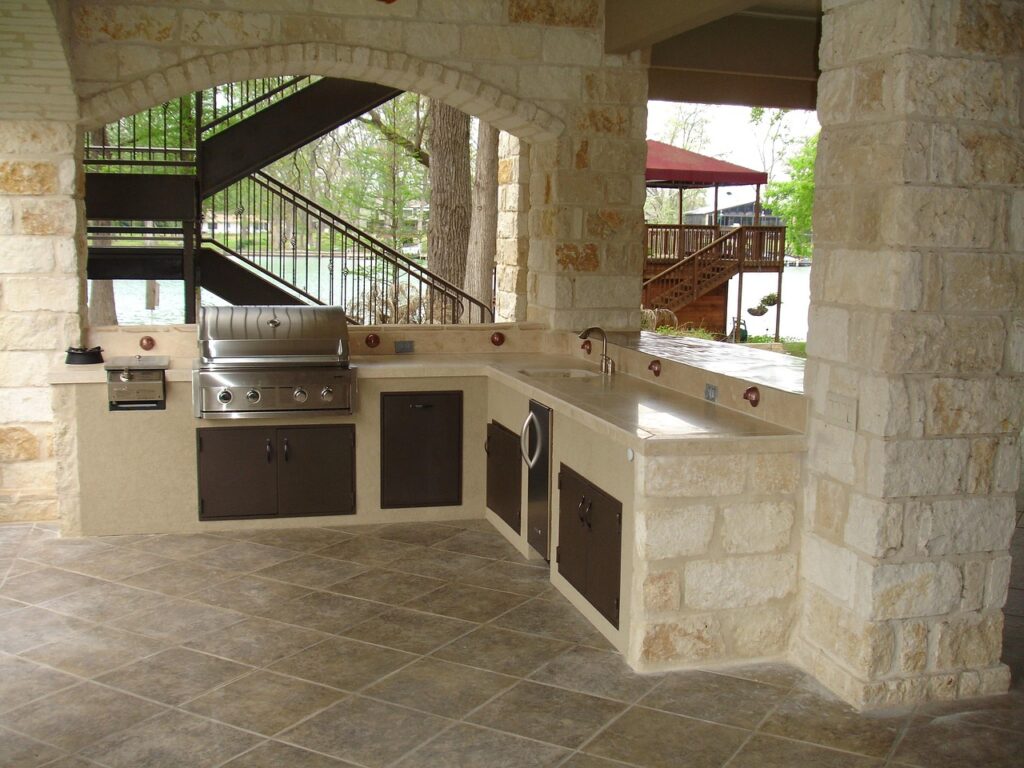
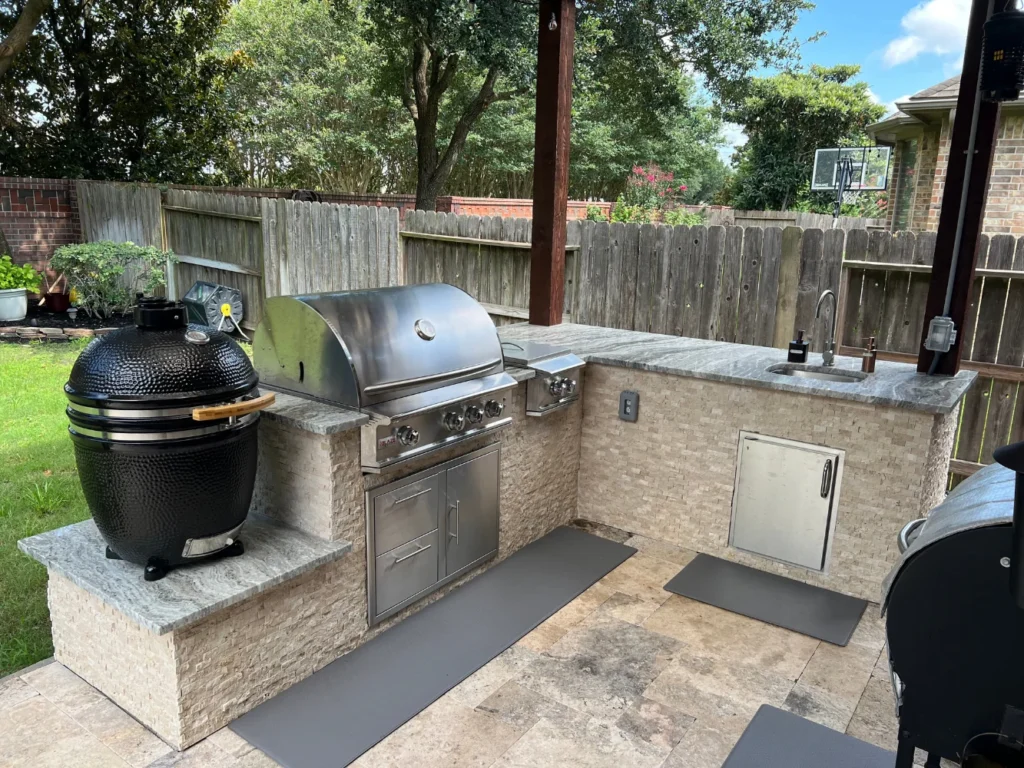
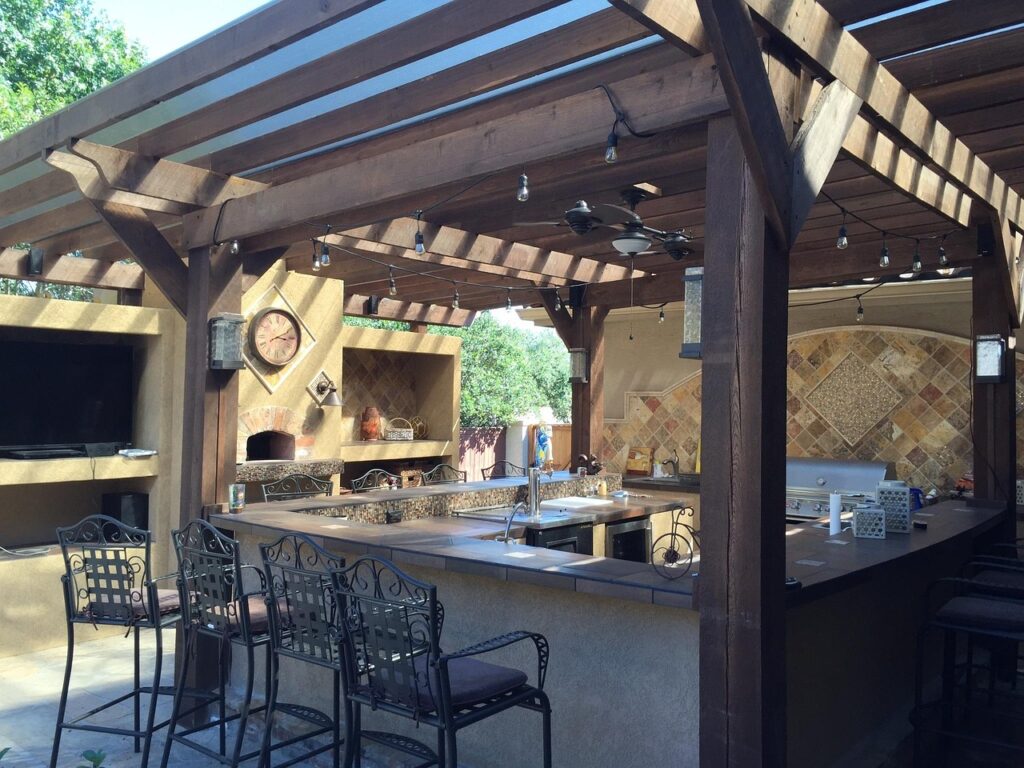
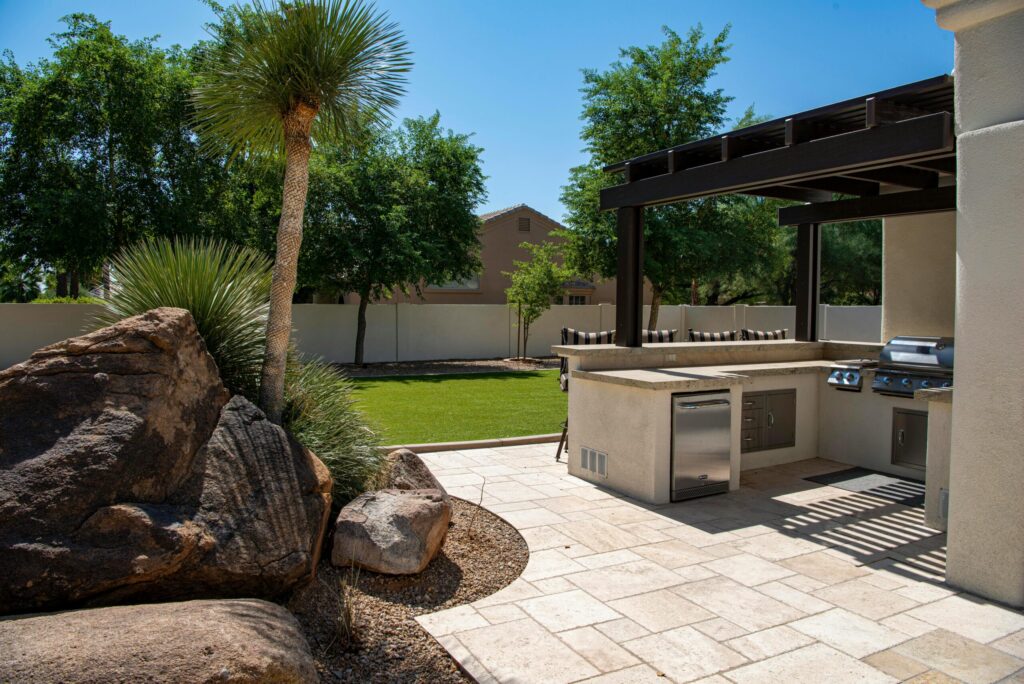
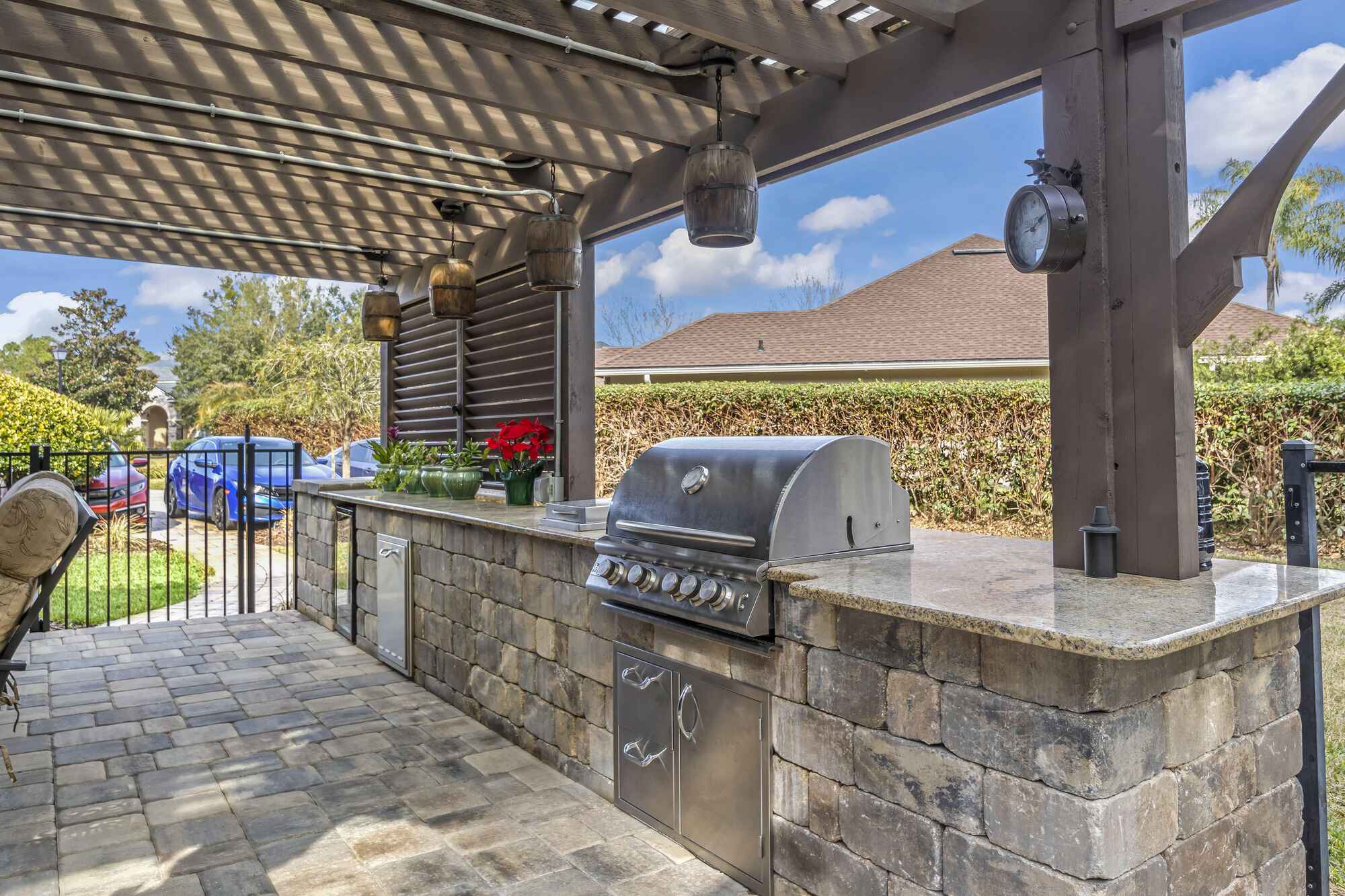
Built-In Grill & BBQ Island Installation
Custom masonry or prefabricated grill enclosures
Our Outdoor Kitchen Project Process
1. Initial Consultation & Goals
We discuss your cooking habits, entertainment needs, budget parameters, and desired features for your outdoor kitchen.
2. Site Evaluation
Contractors assess your yard including existing utilities, access for gas/electric/plumbing, optimal placement considering wind and sun, and structural requirements.
3. Design & Scope Definition
Contractors create detailed plans showing layout, appliance placement, utility routing, material specifications, and integration with existing outdoor spaces.
4. Contractor Matching
We connect you with licensed, insured contractors experienced in outdoor kitchen construction. You review multiple proposals comparing designs, materials, and pricing.
5. Permits & Construction
Your contractor prepares and submits permit applications for building, electrical, gas, and plumbing work. They obtain HOA approval if required.
6. Final Inspection & Walkthrough
All work undergoes required inspections. Your contractor demonstrates appliance operation, provides maintenance guidance, and ensures all systems function properly.
Outdoor Kitchens in Reno — What Homeowners Should Know
Climate Impact on Materials and Design
Reno’s high-desert climate significantly affects outdoor kitchen construction:
Temperature extremes — Summer days exceed 95°F while winter nights drop below freezing. Materials must withstand this range without cracking, warping, or degrading. Metal components expand and contract with temperature changes.
UV exposure — At 4,500 feet elevation, intense UV radiation degrades finishes, fades colors, and breaks down plastics faster than at lower elevations. Stainless steel quality matters for preventing discoloration.
Low humidity — Reno’s dry climate (approximately 7.5 inches annual precipitation) reduces moisture issues but increases dust accumulation and can dry out certain materials.
Wind exposure — Open outdoor areas experience significant wind, affecting flame control on grills and requiring proper windscreens for some cooking applications.
Winter considerations — While many Reno homeowners use outdoor kitchens year-round, winter weather requires weatherproof materials and protection for sensitive appliances.
Material Selection for Reno’s Climate
Stainless steel — Premium 304-grade stainless performs best in Reno’s conditions. Lower grades may discolor or corrode. All outdoor appliances should be outdoor-rated with proper weatherproofing.
Masonry and stone — Concrete block, natural stone, and brick provide durable, weather-resistant structure. Proper sealing protects against staining and moisture absorption.
Countertop materials:
- Granite — Excellent durability and heat resistance. Requires periodic sealing.
- Concrete — Custom options with integral color. Requires regular sealing in Reno’s UV-intense environment.
- Tile — Durable and customizable. Grout requires sealing and maintenance.
- Porcelain slab — Low maintenance with excellent weather resistance.
Cabinetry — Must be specifically rated for outdoor use. Marine-grade polymer or stainless steel construction. Standard indoor cabinets fail quickly outdoors.
Utility Requirements
Gas lines — Natural gas or propane connections require licensed installation and permits. Proper sizing ensures adequate BTU delivery for multiple appliances. Shut-off valves required near each appliance.
Electrical — GFCI-protected circuits required for outdoor locations. Weatherproof receptacles and proper conduit installations. LED lighting systems for task and ambient illumination.
Plumbing — Water supply lines must be protected from freezing or designed for seasonal winterization. Drainage requires proper slope and connection to sewer or approved disposal system.
Ventilation — While outdoor cooking provides natural ventilation, covered outdoor kitchens may require additional exhaust considerations.
Structural Considerations
Foundation — Permanent outdoor kitchens require proper foundations to support weight of masonry, countertops, and appliances. Concrete footings typically necessary.
Roof integration — Outdoor kitchens attached to homes or under roof structures require proper structural support and weather protection.
Base construction — CMU block, poured concrete, or steel framing provide structure. Design must account for utility chases and appliance placement.
Placement and Design
Wind direction — Position cooking areas considering prevailing winds to direct smoke away from seating areas and home entrances.
Sun exposure — Consider afternoon sun on cooking stations. Some shade improves comfort but adequate light necessary for evening use.
Distance from home — Balance convenience with building codes requiring minimum distances from structures for gas appliances.
Traffic flow — Design efficient work triangle between prep, cooking, and serving areas similar to indoor kitchens.
Permits, Inspections & Code Requirements
When Permits Are Required
Outdoor kitchen construction typically requires multiple permits in Reno:
Building permits required for:
- Permanent structures including foundations and walls
- Roof structures or covers over cooking areas
- Any structural work attached to existing buildings
Electrical permits required for:
- New circuits and outdoor receptacles
- Permanent lighting installations
- Any electrical work beyond replacing existing fixtures
Gas permits required for:
- Natural gas line extensions
- Propane system installations
- All gas appliance connections
Plumbing permits required for:
- Water supply line installations
- Drain line connections
- Sink installations
Code Requirements
Gas installations:
- Licensed plumber or gas fitter required
- Proper pipe sizing for BTU demand
- Shut-off valves at each appliance
- Pressure testing before approval
- Minimum clearances from structures
Electrical installations:
- GFCI protection required
- Weatherproof enclosures
- Proper wire gauge for loads
- Adequate circuit capacity
Structural requirements:
- Proper footings and foundations
- Wind load calculations for roof structures
- Seismic bracing where applicable
Clearances:
- Minimum distances from property lines
- Clearances from combustible materials
- Ventilation space around appliances
Inspection Process
Outdoor kitchen projects undergo inspections at multiple stages:
- Foundation inspection
- Gas line pressure test
- Electrical rough-in inspection
- Plumbing rough-in inspection
- Final inspection of completed installation
Licensed contractors schedule and coordinate all required inspections.
HOA Requirements
Many Reno neighborhoods have HOA restrictions on:
- Structure size, height, and location
- Material colors and finishes
- Equipment visibility and screening
- Design approval processes
Professional contractors verify and obtain HOA approvals before construction.
How Much Do Outdoor Kitchens Cost in Reno?
Outdoor kitchen costs vary significantly based on size, materials, appliances, and features.
Cost Factors
Several elements determine project costs:
Appliances and equipment — Built-in grills range from $1,500 to $10,000+. Additional appliances like refrigerators, side burners, and warming drawers add costs.
Structure and materials — Masonry construction, countertop materials, and cabinetry quality significantly impact costs.
Utility installations — Gas line extensions, electrical circuits, and plumbing add $2,000-$5,000+ depending on distance and complexity.
Size and complexity — Larger kitchens with multiple stations cost more. L-shaped or island configurations require more materials.
Countertop area — More counter space increases material and installation costs.
Site preparation — Level sites cost less than locations requiring grading, retaining walls, or patio work.
Roof structures — Adding pergolas, ramadas, or solid covers increases costs substantially.
Cost by Project Scope
Basic grill island (6-8 linear feet):
- Masonry structure with built-in grill
- Basic countertop
- Minimal storage
- Gas line connection
- Cost: $8,000–$15,000
Mid-range outdoor kitchen (10-12 linear feet):
- Built-in grill (good quality)
- Granite or concrete countertop
- Side burner
- Outdoor-rated refrigerator
- Storage cabinets
- Sink with plumbing
- Gas and electrical installations
- Cost: $20,000–$40,000
Premium outdoor kitchen (12-16+ linear feet):
- High-end built-in grill
- Premium countertop materials
- Multiple cooking stations
- Refrigerator and beverage center
- Extensive storage
- Sink with hot water
- Bar seating area
- Comprehensive lighting
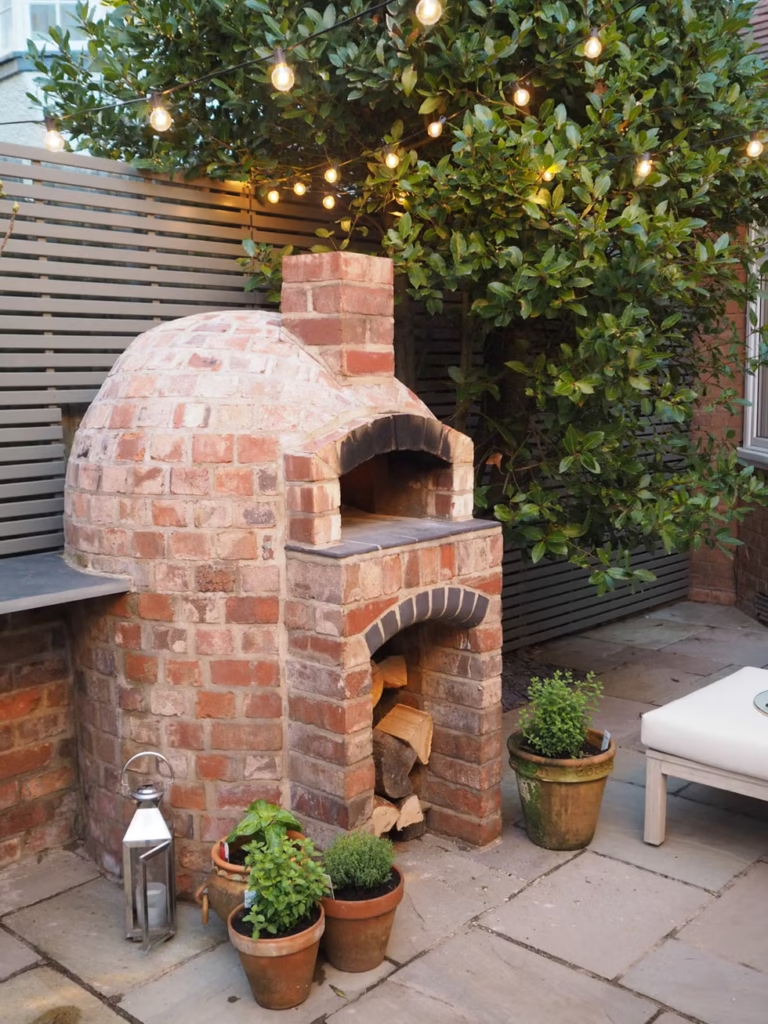
- Pizza oven or smoker
- Cost: $40,000–$80,000+
Individual Component Costs
Appliances:
- Built-in grill (mid-range): $2,000–$5,000
- Built-in grill (premium): $5,000–$10,000+
- Outdoor refrigerator: $1,000–$3,000
- Side burner: $300–$800
- Pizza oven: $3,000–$8,000
- Warming drawer: $800–$2,000
Structure and finishes:
- Masonry structure: $75–$150 per linear foot
- Granite countertop: $60–$100 per square foot
- Concrete countertop: $75–$150 per square foot
- Outdoor cabinetry: $200–$500 per linear foot
- Tile backsplash: $15–$30 per square foot
Utilities:
- Gas line extension: $500–$2,000
- Electrical circuit installation: $500–$1,500
- Plumbing installation: $1,000–$2,500
- Lighting system: $500–$2,000
Why Work With Our Network Of Local Contractors
Understanding of Climate Requirements
Reno contractors know which materials and appliances perform reliably in our temperature extremes and UV-intense environment. They specify appropriate grades of stainless steel and weather-resistant materials.
Experience With Local Codes
Local contractors understand Reno’s permitting requirements, gas code specifications, electrical standards, and inspection processes. This knowledge prevents delays and ensures compliance.
Established Trade Relationships
Outdoor kitchen construction requires coordination of multiple trades—masons, electricians, plumbers, and gas fitters. Local contractors have relationships with qualified specialists.
Knowledge of Utility Infrastructure
Experienced Reno contractors know how to locate and extend existing utilities efficiently. They understand local utility requirements and proper installation methods.
Ongoing Service and Support
Local contractors remain available for maintenance questions, warranty work, seasonal winterization guidance, or future additions. Their local presence provides accountability.
About Reno Home Remodel
Reno Home Remodel connects homeowners with licensed, insured local contractors who deliver quality outdoor kitchen construction and professional service. We carefully review contractors in our network to ensure they have proper licensing for gas and electrical work, understand local building codes, and maintain high standards of craftsmanship. Our focus is helping homeowners find skilled professionals who build outdoor kitchens that function reliably and last.
Ready to Build Your Dream Outdoor Kitchen?
Let’s chat about your ideas! Getting started is easy – simply reach out with details about your Outdoor Kitchen project, and we’ll connect you with qualified, licensed contractors.
Need Help?
Frequently Asked Questions About Outdoor Kitchen in Reno
Below are some of the most common questions Our Network get from families about Outdoor Kitchen. If you have any other questions contact us!
How long does outdoor kitchen construction take?
Most outdoor kitchens take 4-8 weeks from permit to completion. Basic grill islands: 3-5 weeks. Complete kitchens with multiple utilities: 6-10 weeks. Design, permitting, and material lead times add time before construction begins.
Can I use my outdoor kitchen year-round in Reno?
Many Reno homeowners use outdoor kitchens year-round. Weather-resistant materials and appliances handle winter conditions. Some features like refrigerators may need winterization during extended cold periods. Covered outdoor kitchens with heating extend comfortable usage.
What appliances should be in an outdoor kitchen?
Minimum functional outdoor kitchen includes built-in grill and counter space. Popular additions include side burners, refrigerator, sink, storage cabinets, and warming drawers. Your cooking style and entertainment needs determine optimal appliance selection.
Do outdoor kitchens need to be covered?
Covers aren’t required but offer significant benefits. Pergolas or solid roof structures provide shade, weather protection, and extend usability. Uncovered kitchens work well but require appliances rated for full weather exposure. Many homeowners add covers later.
What maintenance do outdoor kitchens require?
Regular cleaning of appliances and surfaces. Stainless steel requires periodic cleaning with appropriate products. Stone countertops need resealing every 1-3 years. Gas connections should be inspected annually. Cover or winterize sensitive appliances during extended cold periods.
Should I use natural gas or propane?
If natural gas is available at your home, it’s typically more convenient—no tank refills needed. Propane works well where natural gas isn’t available. Both fuel types require professional installation and permits. Consider fuel availability and cost when deciding.
REAL STORIES FROM SATISFIED CUSTOMERS


We provide services in the following cities:
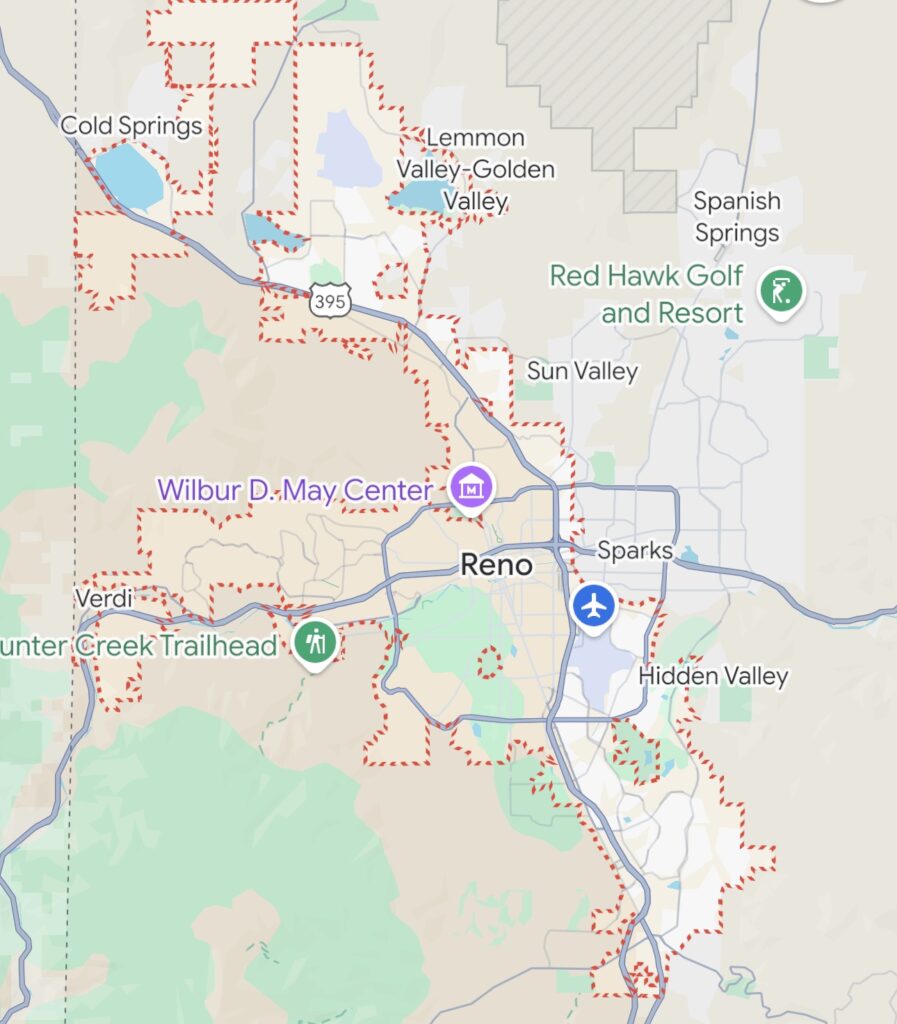
- Montreux, NV
- Virginia City Highlands, NV
- Washoe Valley, NV
- Fernley, NV
- Dayton, NV
- Silver Springs, NV
- Cold Springs, NV
- Stead, NV
- St. James Village, NV
- Steamboat, NV
- Hidden Valley, NV
- Panther Valley, NV
- Wadsworth, NV
- Empire, NV
Talk to an Outdoor Kitchen Contractor in Reno
Ready to create your outdoor cooking space? Connect with experienced local contractors who understand Reno’s climate requirements and building codes. Get detailed site evaluations, design options, and transparent pricing for your outdoor kitchen project.