
Professional Patio Installers in Reno, NV
Your dream patio is waiting. Let's make it happen. Because every family deserves a backyard they actually want to use — and every hardworking contractor deserves to be found.
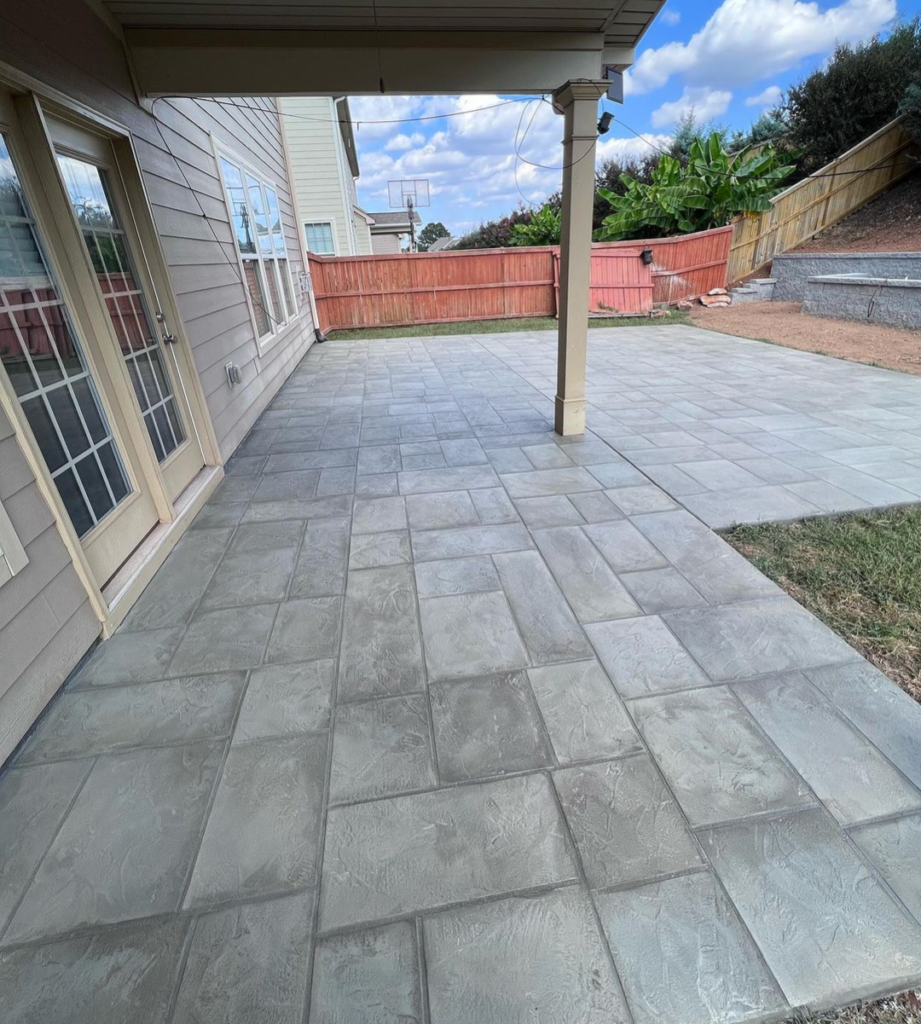
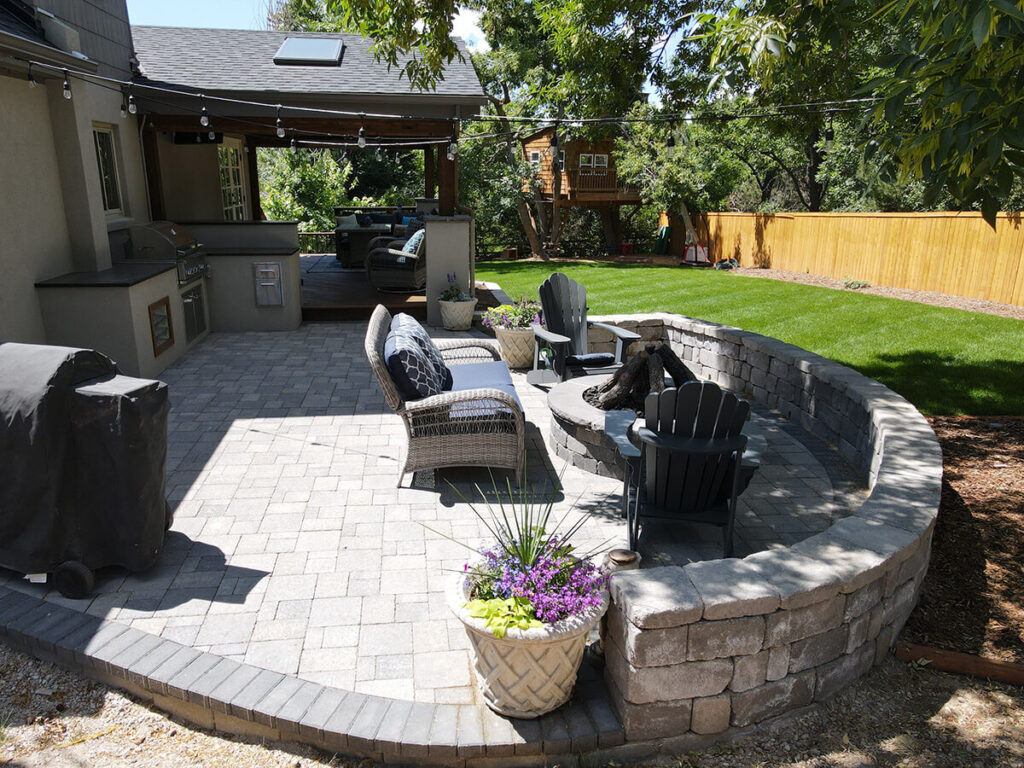
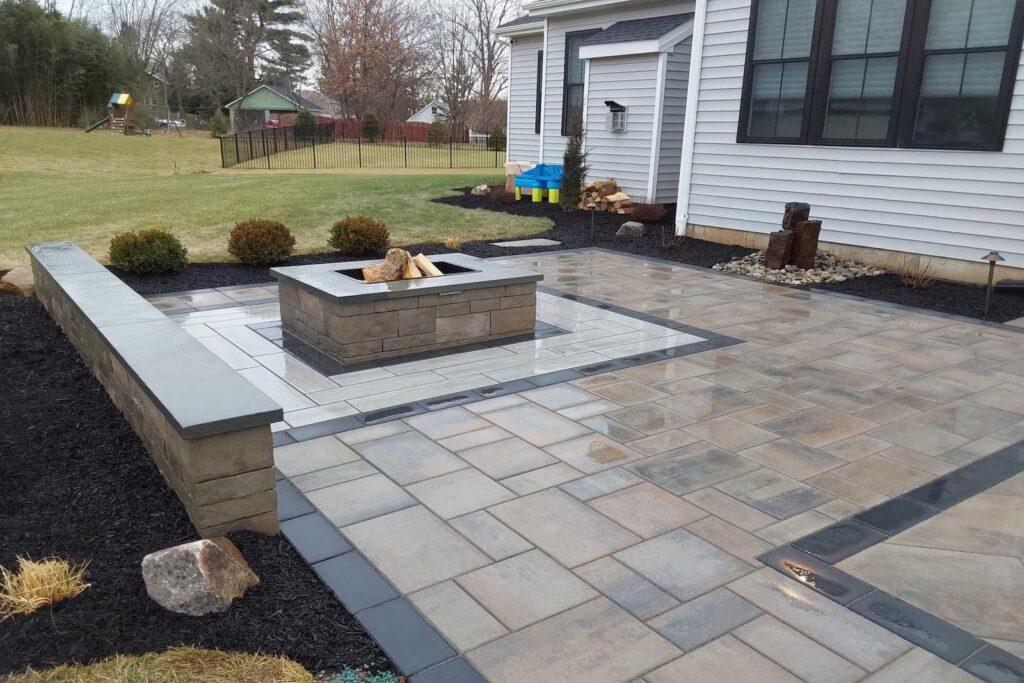
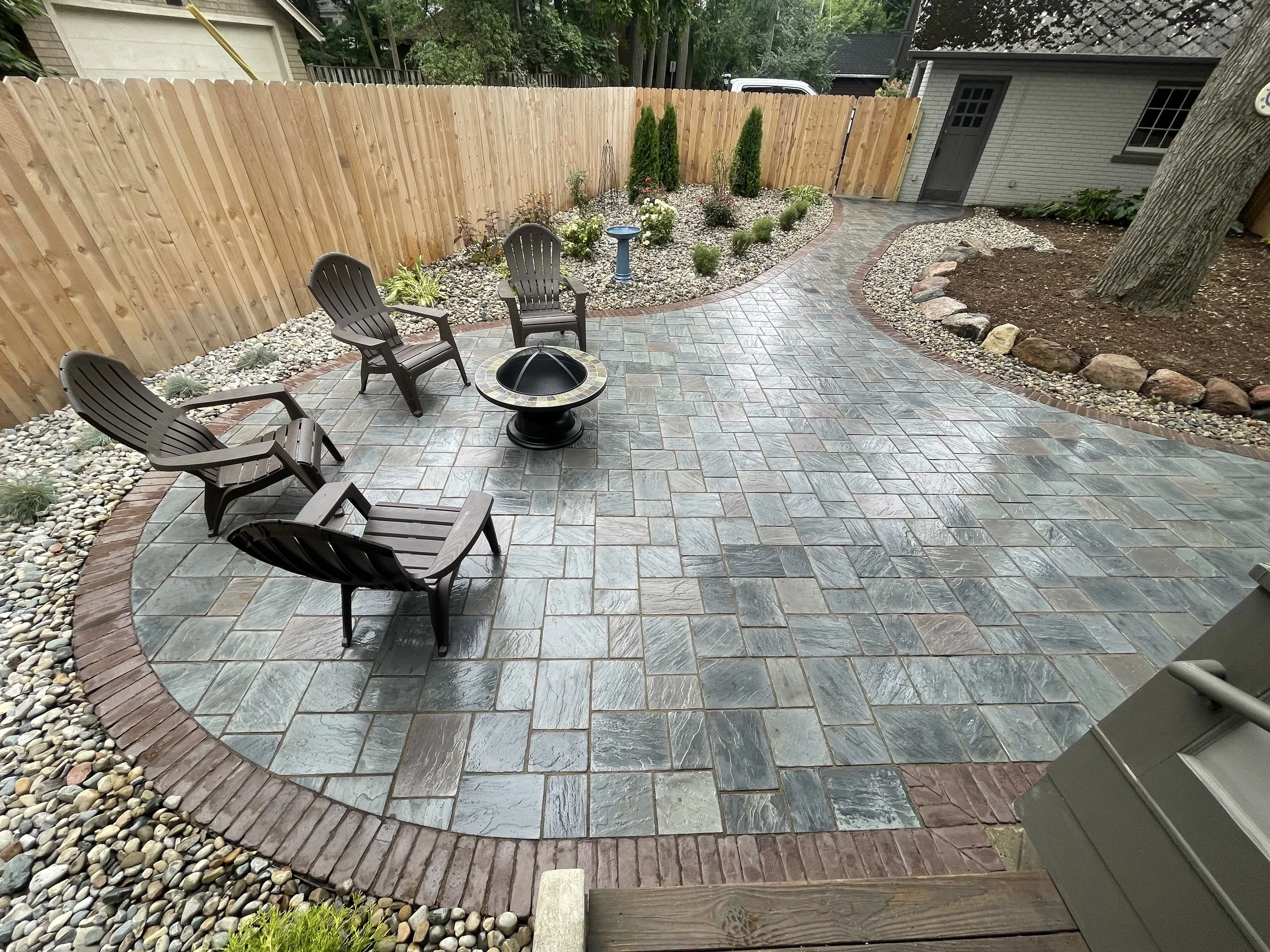
Popular Patio Installation Services in Reno
Our Patio Installation Process
1. Initial Consultation & Goals
We discuss your outdoor space goals, preferred materials, budget parameters, and how you plan to use the patio.
2. Site Evaluation
Installers evaluate your yard including soil conditions, drainage patterns, sun exposure, access for equipment, and existing landscaping.
3. Design & Scope Definition
Installers create patio design showing dimensions, material specifications, drainage plan, and integration with existing landscape features.
4. Contractor Matching
We connect you with experienced, insured patio installers. You receive multiple detailed quotes comparing materials, approaches, and pricing.
5. Permits & Construction
If required, installers obtain permits and utility clearances. They schedule work and order materials.
6. Final Inspection & Walkthrough
Installers review completed work, demonstrate proper care and maintenance, and address any questions. You receive guidance on sealing schedules and long-term care.
Patio Installation in Reno — What Homeowners Should Know
Soil Conditions and Base Preparation
Reno’s soil composition varies significantly and directly affects patio longevity:
Clay soils — Common in many Reno areas. Clay expands when wet and contracts when dry, causing movement beneath patios. Proper base preparation with compacted gravel minimizes this effect.
Sandy soils — Provide better natural drainage but require proper compaction to prevent settling.
Mixed composition — Many Reno properties have varied soil types. Professional installers assess soil conditions and design appropriate base systems.
Proper base preparation includes:
- Excavation to appropriate depth (typically 6-8 inches)
- Compacted gravel base (typically 4-6 inches)
- Leveling sand layer for pavers
- Proper grading for drainage
Climate Considerations
Reno’s high-desert climate impacts patio materials and installation:
Freeze-thaw cycles — Winter temperatures drop below freezing while days may warm above freezing. This cycling can cause concrete cracking and paver movement without proper installation.
Temperature extremes — Summer surface temperatures on concrete and pavers can exceed 120°F in direct sun. Material selection affects comfort and usability.
UV exposure — At 4,500 feet elevation, UV radiation degrades sealers and color faster than at lower elevations. Quality sealers and UV-resistant materials perform better.
Low precipitation — Reno’s 7.5 inches annual precipitation means less water-related issues, but occasional heavy rain and spring snowmelt require proper drainage.
Drainage Requirements
Even in Reno’s dry climate, proper drainage prevents problems:
- Patios must slope away from home foundations (minimum 1/4 inch per foot)
- Low areas require drainage solutions
- French drains or catch basins may be necessary
- Permeable pavers can reduce runoff in some applications
- Proper grading prevents water pooling
Material Performance in Reno
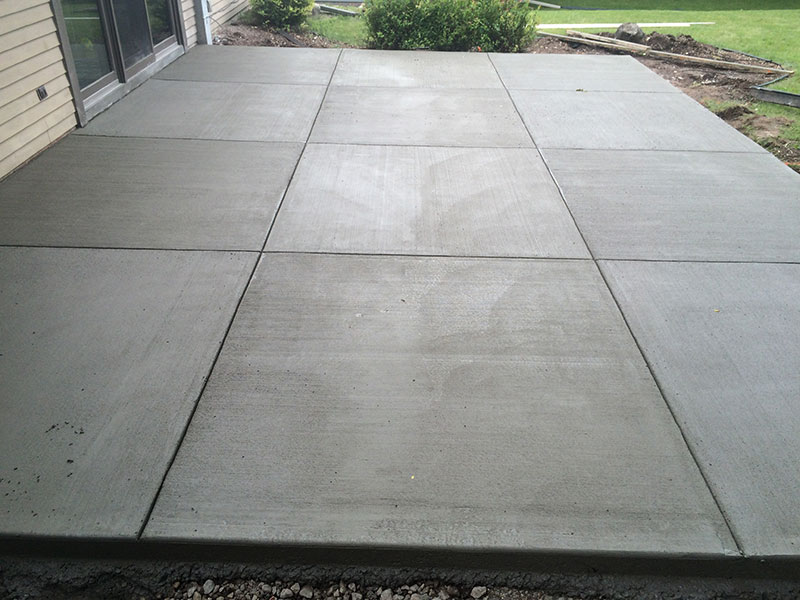
Concrete — Durable and cost-effective. Requires control joints every 8-10 feet to control cracking from temperature movement. Sealing recommended for stain resistance and longevity.
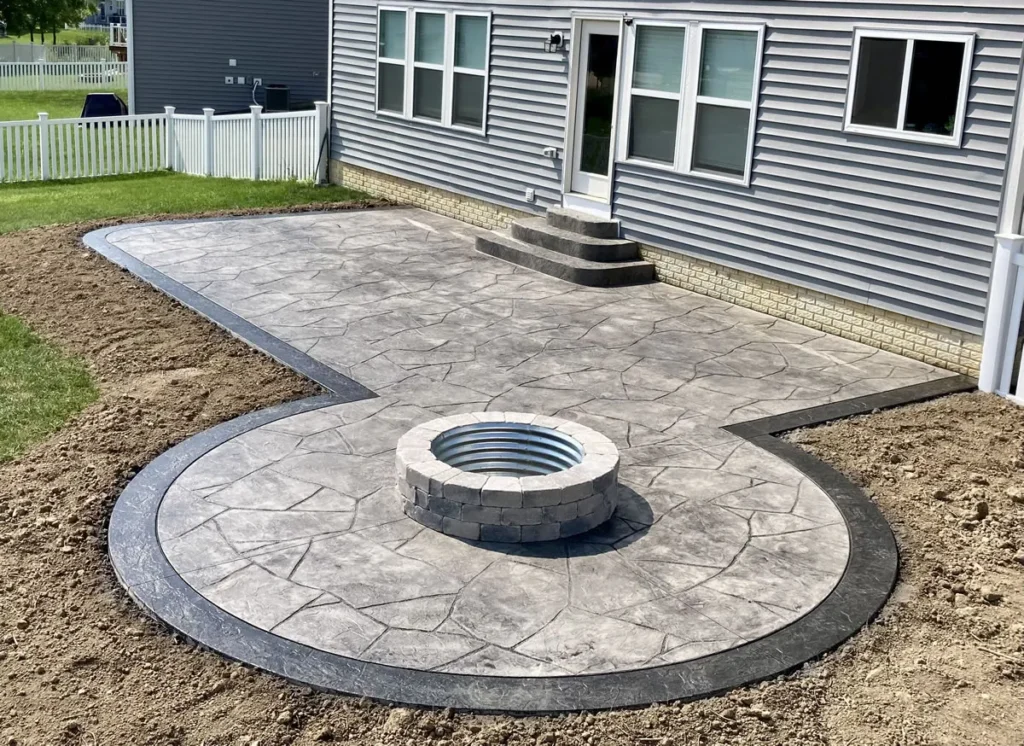
Stamped concrete — Provides decorative appearance. Same durability as regular concrete with added aesthetic options. Requires resealing every 2-3 years.
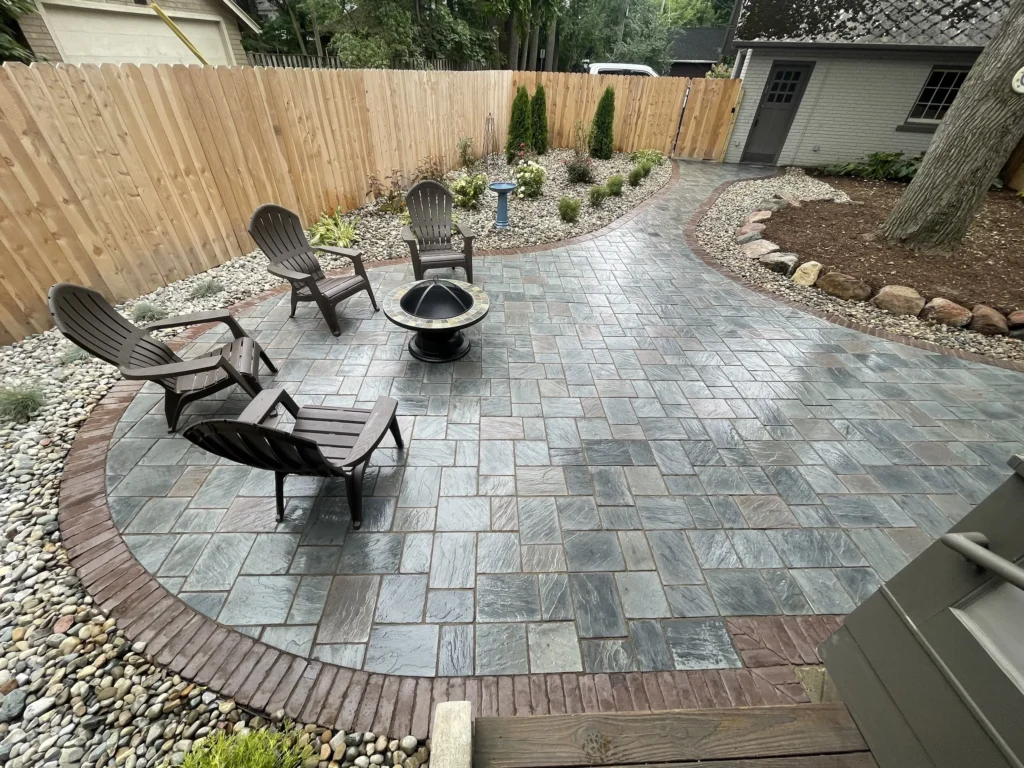
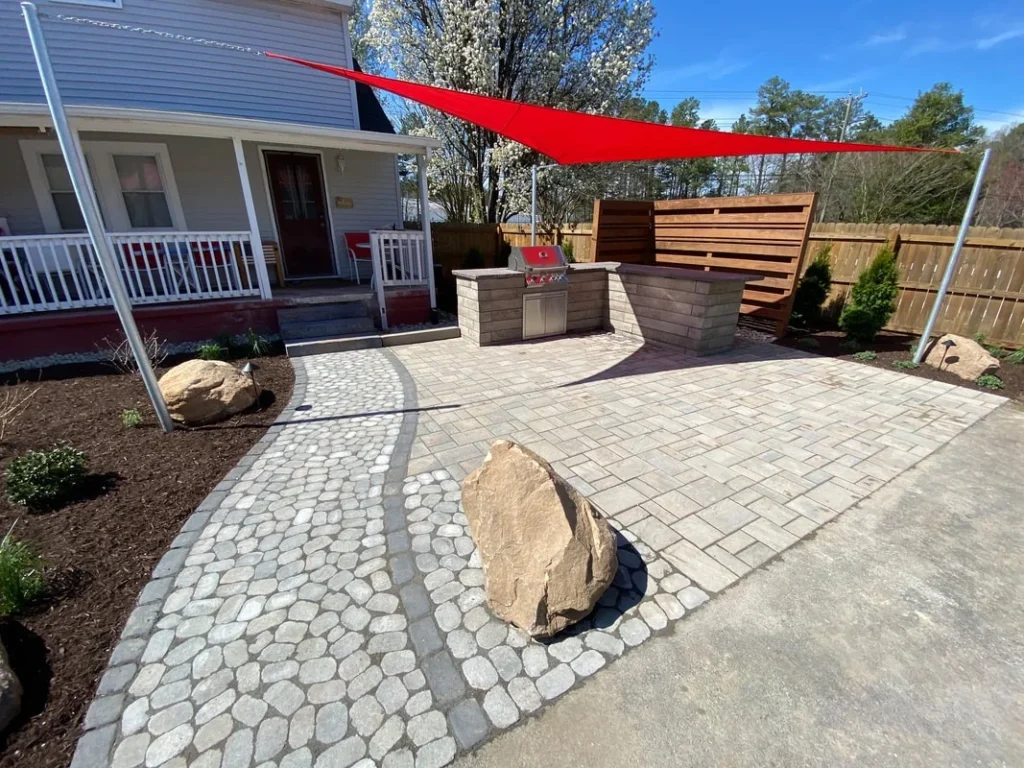
Concrete pavers — Excellent for Reno’s climate. Individual units accommodate ground movement better than solid concrete. Wide variety of colors, shapes, and patterns. Minimal maintenance.
Natural stone (flagstone) — Performs well in Reno’s conditions. Natural appearance with irregular shapes. Cooler surface temperature than concrete. Higher initial cost.
Brick — Traditional appearance. Durable in Reno’s climate. Limited color options compared to pavers. Requires proper base preparation.
Sun Exposure and Orientation
Patio location affects usability:
- West-facing patios receive intense afternoon sun
- South-facing areas get maximum sun year-round
- North-facing spaces remain cooler but shadier
- Consider shade structures for summer comfort
- Morning sun locations more comfortable for summer use
Permits, Inspections & Code Requirements
When Permits Are Required
Ground-level patios typically don’t require building permits in Reno. However, permits may be required for:
- Patios with attached structures (pergolas, covers)
- Retaining walls over 4 feet associated with patio
- Electrical work for patio lighting
- Gas lines for fire features
- Significant grading or drainage modifications
Setback Requirements
Patios must maintain required distances from property lines. Requirements vary by zoning but typically:
- 5-10 feet from side and rear property lines
- Greater setbacks for front yards
- HOA restrictions may be more stringent
Professional installers verify specific requirements for your property.
HOA Requirements
Many Reno neighborhoods have HOA restrictions on:
- Patio materials and colors
- Size and location limitations
- Screening or landscaping requirements
- Approval process before construction
Installers help navigate HOA requirements and obtain necessary approvals.
Utility Clearance
Before excavation, installers verify underground utility locations through Nevada 811. This free service marks buried gas, electric, water, and communication lines to prevent damage during installation.
How Much Do Patios Cost in Reno?
Patio installation costs vary based on material selection, size, site conditions, and complexity.
Cost by Material Type
Poured concrete:
- Basic finish: $8–$12 per square foot
- Decorative finish: $10–$15 per square foot
- Includes excavation, base, and installation
Stamped concrete:
- Single color/pattern: $12–$18 per square foot
- Multiple colors/complex patterns: $15–$25 per square foot
- Includes excavation, base, stamping, and sealing
Concrete pavers:
- Standard pavers: $12–$18 per square foot
- Premium pavers: $15–$25 per square foot
- Includes excavation, base, pavers, and installation
Natural stone (flagstone):
- Basic flagstone: $15–$25 per square foot
- Premium stone: $20–$35 per square foot
- Includes excavation, base, stone, and installation
Brick:
- Standard brick: $15–$22 per square foot
- Includes excavation, base, brick, and installation
Common Patio Sizes and Total Costs
Small patio (10×10 / 100 sq ft):
- Concrete: $800–$1,500
- Pavers: $1,200–$2,500
- Flagstone: $1,500–$3,500
Medium patio (12×16 / 192 sq ft):
- Concrete: $1,500–$2,900
- Stamped concrete: $2,300–$4,800
- Pavers: $2,300–$4,800
- Flagstone: $2,900–$6,700
Large patio (16×20 / 320 sq ft):
- Concrete: $2,500–$4,800
- Stamped concrete: $3,800–$8,000
- Pavers: $3,800–$8,000
- Flagstone: $4,800–$11,200
Additional Cost Factors
Site preparation:
- Steep slopes requiring grading: $500–$2,000+
- Tree or shrub removal: $200–$1,000+ per tree
- Demolition of existing patio: $2–$4 per square foot
Drainage solutions:
- French drains: $25–$50 per linear foot
- Catch basins: $200–$500 each
- Downspout extensions: $100–$300
Extras:
- Patio sealing: $1–$3 per square foot
- Border/edging materials: $8–$20 per linear foot
- Built-in seating walls: $30–$60 per linear foot
- Steps and transitions: $200–$800 per step
Why Work With Our Local Installers Network
Understanding of Local Soil Conditions
Reno installers know our varied soil composition and how it affects patio stability. They design appropriate base systems and drainage solutions for long-term performance.
Experience With Climate Challenges
Local installers understand how Reno’s freeze-thaw cycles, temperature extremes, and UV exposure affect different materials. They recommend options suited to our climate.
Knowledge of Local Suppliers
Established Reno installers have relationships with local material suppliers, ensuring access to appropriate products, competitive pricing, and consistent availability.
Familiarity With Common Issues
Local installers regularly address Reno-specific challenges like clay soil movement, drainage during snowmelt, and UV degradation. Experience with these issues produces better results.
Ongoing Availability
Local installers remain available for future maintenance questions, sealing services, or repairs. Their local presence provides accountability and continued service.
About Reno Home Remodel
Reno Home Remodel connects homeowners with experienced, insured local patio installers who deliver quality installation and professional service. We carefully review installers in our network to ensure they follow proper installation techniques, understand local soil and climate conditions, and maintain high standards of workmanship. Our focus is helping homeowners find skilled professionals who build patios that last.
Let's Start Your Patio Installation!
Imagine having your own outdoor room where you can eat dinner under the stars, host BBQs with friends, or just relax with morning coffee. We connect families with honest, skilled patio contractors who make that dream real.
Need Help?
Frequently Asked Questions About Patio Installation in Reno
Below are some of the most common questions Our Network get from families about Patio remodel. If you have any other questions contact us!
How long does patio installation take?
Most patios install in 3-7 days depending on size and material. Concrete patios require 3-5 days including curing time. Paver and stone patios typically take 3-7 days. Site preparation, weather, and complexity affect timeline.
What's the best patio material for Reno?
No single “best” material—choices depend on budget, aesthetic preferences, and priorities. Pavers offer excellent durability and accommodate ground movement. Concrete provides cost-effective durability. Natural stone offers premium appearance. Discuss specific needs with installers.
How long do patios last?
Properly installed patios last decades. Concrete patios: 25-50+ years. Pavers: 30-50+ years with minimal maintenance. Natural stone: 50+ years. Lifespan depends on installation quality, maintenance, and site conditions.
Do patios need maintenance?
Maintenance varies by material. Concrete patios should be resealed every 3-5 years. Paver patios need occasional joint sand replenishment and cleaning. Stone patios benefit from periodic sealing. All patios need occasional cleaning and weed control in joints.
When is the best time to install a patio?
Spring through fall offers ideal conditions in Reno. Summer heat doesn’t prevent installation but affects concrete curing. Winter installation is possible during mild periods but not ideal. Most homeowners install spring or early fall for completion before peak outdoor season.
REAL STORIES FROM SATISFIED CUSTOMERS
We provide services in the following cities:
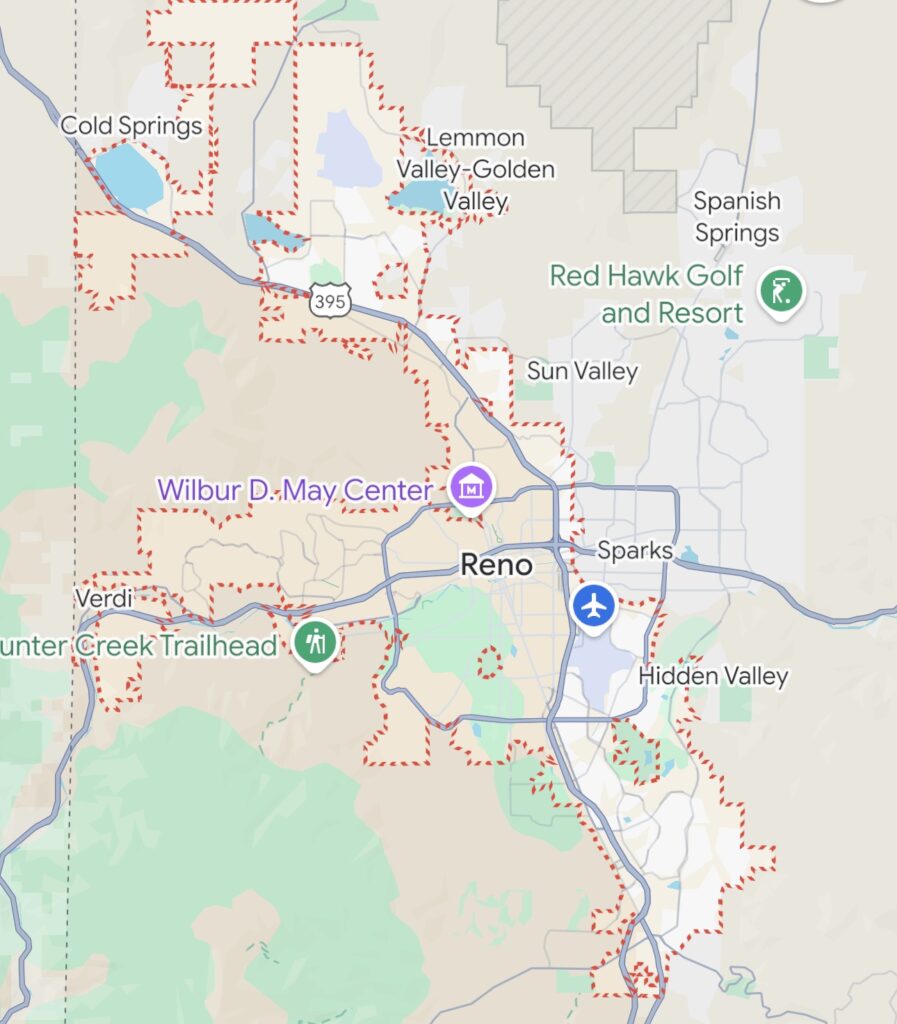
- Montreux, NV
- Virginia City Highlands, NV
- Washoe Valley, NV
- Fernley, NV
- Dayton, NV
- Silver Springs, NV
- Cold Springs, NV
- Stead, NV
- St. James Village, NV
- Steamboat, NV
- Hidden Valley, NV
- Panther Valley, NV
- Wadsworth, NV
- Empire, NV
Talk to a Patio Installer in Reno
Ready to expand your outdoor living space? Connect with experienced local patio installers who understand Reno’s soil conditions and climate. Get detailed site assessments, material recommendations, and transparent pricing for your patio project.