
Deck Installation in Pleasant Valley, NV
Looking for expert deck installers in Pleasant Valley? We connect you with experienced local deck installers for custom designs, composite & wood decks.We work with licensed, insured professionals who deliver quality deck installations.
Popular Deck Installation Services in Pleasant Valley
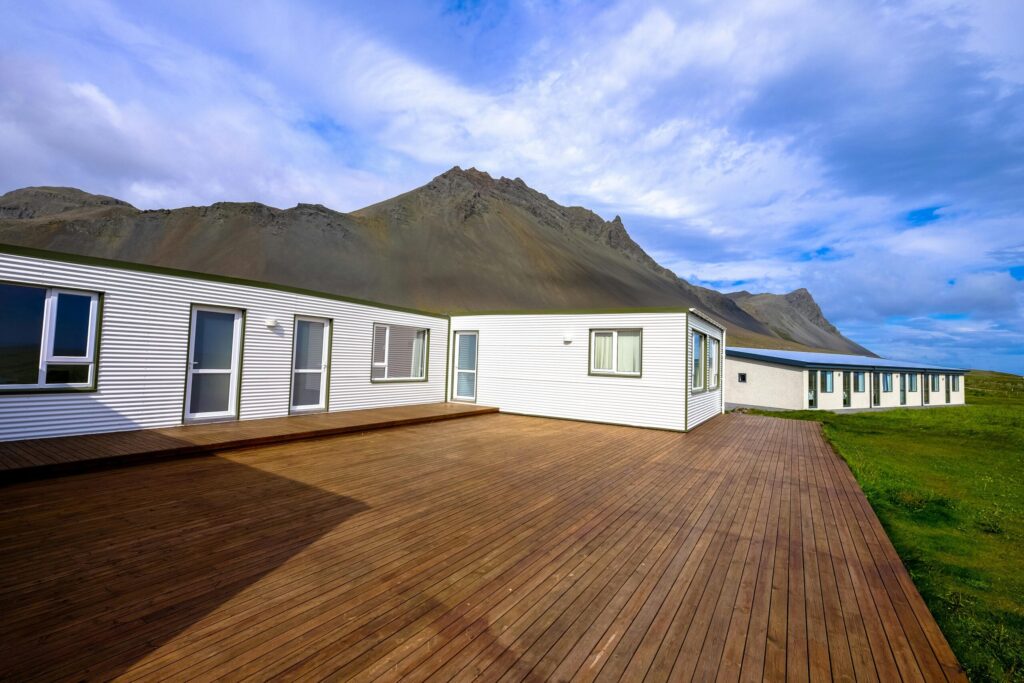
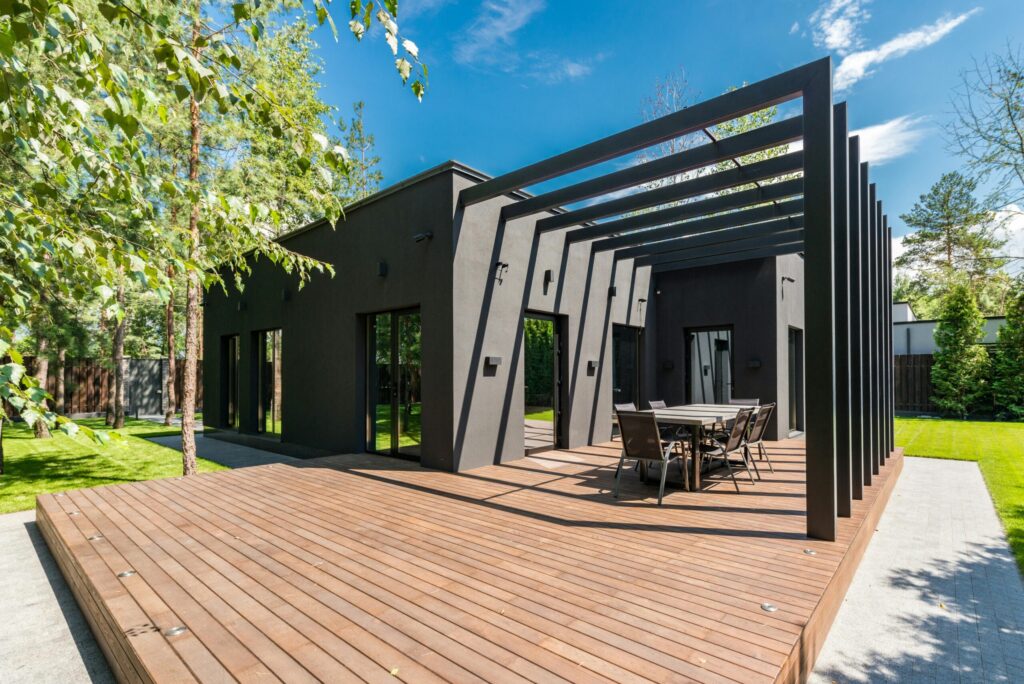

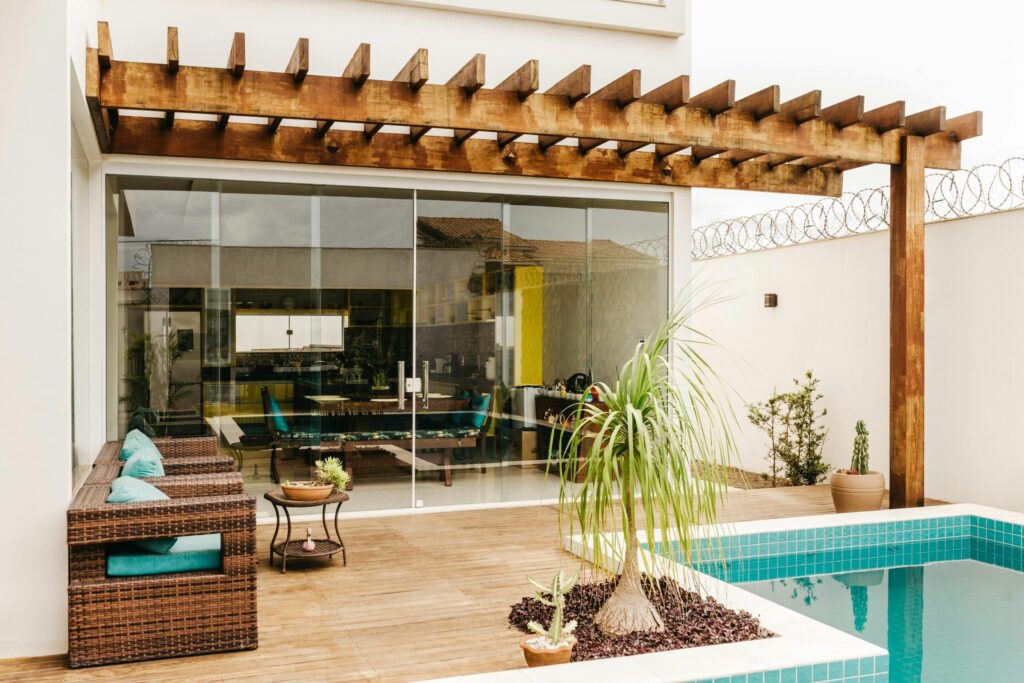
Our Deck Installation Process
1. Initial Consultation & Goals
We discuss your outdoor space goals, preferred materials, budget parameters, and how you plan to use the deck.
2. Site Evaluation
Installers evaluate your property including soil conditions, terrain slope, access for materials, existing structures, and optimal deck placement.
3. Design & Scope Definition
Installers create deck plans showing dimensions, structural details, material specifications, and integration with your home. Designs meet building codes and engineering requirements.
4. Contractor Matching
We connect you with experienced, insured deck installers. You receive multiple detailed quotes comparing materials, designs, and pricing.
5. Permits & Construction
Contractors prepare permit applications, submit plans to building department, and schedule work once approvals obtained.
6. Final Inspection & Walkthrough
All work undergoes required inspections. Contractors review completed deck, provide maintenance guidance specific to your material choice, and address any questions.
Deck Installation in Pleasant Valley — What Homeowners Should Know
Rural Character and Property Characteristics
Pleasant Valley is a distinctive neighborhood tucked between Reno and Carson City along Highway 395, offering a rare blend of country living with convenient access to urban amenities. Properties here typically sit on larger lots—generally between half an acre to a full acre or more—providing the space and privacy that define this area’s appeal. The neighborhood has a rural residential feel with ranch-style homes being particularly common, many of which date from the 1970s through the 2000s, though there’s been continued development in recent years. What makes Pleasant Valley special is its zoning, which often permits residents to keep horses, sheep, goats, chickens, and other animals—a significant draw for families seeking that lifestyle. Mature trees dot many properties, offering natural privacy and shade. Homes often feature views of Washoe Valley to the south and Mount Rose to the west, taking advantage of the area’s elevated position in the Virginia Range foothills.
Location and Access to Amenities
Pleasant Valley occupies a prime position along Highway 395, providing easy access both north to South Reno’s shopping and dining (about 5 miles to The Summit shopping center) and south toward Carson City. Residents appreciate living away from dense suburban development while remaining within reasonable commuting distance—downtown Reno is roughly 15-17 miles north, and Carson City about 15 miles south. The neighborhood is served by well-regarded schools including Pleasant Valley Elementary within the community, and Marce Herz Middle School and Galena High School to the north. For recreation, residents have access to nearby Damonte Ranch Park and South Valleys Regional Park, with Davis Creek Regional Park about 5 miles south offering hiking trails, equestrian paths, and fishing ponds. Little Washoe Lake sits just 2.5 miles south, providing additional water recreation opportunities. This combination of rural atmosphere with proximity to services explains why many residents chose Pleasant Valley specifically.
Minimal HOA Restrictions and Zoning Flexibility
One of Pleasant Valley’s most significant advantages for homeowners planning deck projects is the general absence of restrictive HOAs compared to master-planned South Reno communities. While some newer Pleasant Valley subdivisions may have homeowners associations, much of the neighborhood features minimal or no HOA oversight, meaning no architectural review committees to navigate and no lengthy approval processes for exterior improvements. This provides substantially more freedom in design choices—material selection, colors, railing styles, and deck configurations can reflect your personal preferences rather than committee mandates. However, this doesn’t mean building without guidelines. Washoe County still maintains zoning regulations, setback requirements, and building codes that apply to all construction. The key difference is homeowner autonomy: if it meets county requirements, you generally have freedom to proceed without the additional layer of HOA architectural review common in areas like ArrowCreek or Damonte Ranch.
Washoe County Permitting Requirements
Pleasant Valley is in unincorporated Washoe County, which means all building permits come through the county building department rather than a city. Washoe County handles permits through their online portal at onenv.us, and most deck projects require building permits unless they’re very small (under 200 square feet) and less than 18 inches above grade. The permitting process requires submission of plans showing dimensions, structural details, attachment to the home, and compliance with setback requirements. Setbacks in Pleasant Valley can vary based on your specific parcel zoning—properties zoned for larger lots or agricultural use may have different setback rules than standard residential parcels. The county typically requires inspections at footing, framing, and final stages. Because Pleasant Valley sits at higher elevation than central Reno (roughly 5,000-5,200 feet), snow load requirements factor into structural design, affecting joist spacing, beam sizing, and overall framing. For larger or more complex decks, stamped engineering calculations from a Nevada licensed structural engineer may be required.
High Desert Foothill Climate Considerations
Pleasant Valley’s position in the Virginia Range foothills creates specific climate conditions that affect deck construction and longevity. The area sits at roughly 5,000-5,200 feet elevation, experiencing high desert conditions with distinct seasons. Summers bring intense sunshine with temperatures regularly reaching the 90s, while winters deliver snow—typically more than downtown Reno receives due to the higher elevation, though less than true mountain areas. Average annual snowfall in the general Reno area runs around 21-22 inches, but Pleasant Valley’s elevation means somewhat higher accumulations during winter storms. The combination of intense UV exposure, dry air, temperature extremes, and seasonal moisture creates demanding conditions for deck materials. Wood decking faces rapid weathering, fading, and potential cracking without regular maintenance including annual or biennial staining and sealing. Many contractors working in Pleasant Valley now recommend composite decking specifically because it handles high-altitude UV exposure, temperature swings, and moisture cycling better than traditional lumber with far less maintenance.
Large Lot Advantages and Considerations
The larger lot sizes common in Pleasant Valley present both advantages and considerations for deck projects. Generous property sizes mean more flexibility in deck placement, size, and configuration compared to compact suburban lots. You have room to create expansive outdoor living spaces, multi-level deck systems, or decks positioned to maximize privacy and views without feeling cramped by neighboring structures. Access for contractors is typically easier with more staging room and fewer concerns about tight clearances. However, larger lots may also mean longer utility runs if you’re adding electrical service, more extensive landscaping to work around, and sometimes septic system locations that need consideration. Many Pleasant Valley properties have septic systems rather than connection to municipal sewer, and Washoe County requires specific setbacks from septic components including tanks and leach fields. During the permitting process, properties with septic systems require plan review by the county health district to ensure deck footings and construction don’t interfere with septic system function.
Deck Installation Costs in Pleasant Valley
Typical Project Cost Ranges
Deck installation costs in Pleasant Valley reflect the area’s rural character, larger properties, and county permitting requirements. Here are realistic ranges for common project types:
| Deck Type | Size | Material | Typical Cost Range |
|---|---|---|---|
| Small Ground-Level Deck | 100-200 sq ft | Pressure-Treated Pine | $1,800 – $4,200 |
| Medium Standard Deck | 300-400 sq ft | Pressure-Treated Pine | $5,200 – $8,500 |
| Medium Standard Deck | 300-400 sq ft | Composite | $10,500 – $15,000 |
| Large Deck | 500-600 sq ft | Pressure-Treated Pine | $8,700 – $12,500 |
| Large Deck | 500-600 sq ft | Composite | $17,000 – $23,000 |
| Expansive Ranch-Style Deck | 700-900 sq ft | Composite with Quality Railings | $24,000 – $35,000 |
| Multi-Level View Deck | 800-1000 sq ft | Composite with Built-In Features | $32,000 – $50,000 |
These ranges include materials, labor, standard railings, stairs, and Washoe County permits. They assume typical site conditions on relatively level terrain with straightforward access.
Key Factors That Influence Pricing
Several variables beyond square footage affect your final deck cost. Material selection remains the primary driver—pressure-treated lumber typically runs $18-$21 per square foot installed in Pleasant Valley, while composite decking ranges from $34-$40 per square foot depending on brand and quality level. Premium composite brands like Trex Transcend or TimberTech Azek can reach $45-$50 per square foot. Cedar offers a middle option at $28-$38 per square foot, providing natural beauty and better weather resistance than pressure-treated pine but requiring regular maintenance similar to any wood product. Railing systems vary significantly, from basic pressure-treated wood at $32-$42 per linear foot to aluminum systems at $75-$110 per linear foot to cable railings at $85-$130 per linear foot. Built-in features like benches, planters, pergola structures, or integrated lighting add cost but create the kind of functional outdoor spaces many Pleasant Valley residents desire. Deck complexity matters—multi-level designs, wrap-around configurations, or decks with multiple stairs cost more than simple rectangular platforms due to additional framing, increased material needs, and more labor-intensive construction.
Pleasant Valley-Specific Cost Considerations
Several factors unique to Pleasant Valley can affect your deck project budget. The area’s elevation means more robust snow load requirements than lower Reno neighborhoods, which translates to closer joist spacing or larger dimensional lumber—adding to material costs. Properties on larger lots may incur slightly higher delivery fees as Pleasant Valley sits farther from central Reno lumber yards, though this is typically modest. The general absence of HOA fees and architectural review costs in Pleasant Valley means you save money compared to master-planned communities—no submittal fees, no HOA deposits, and no architect preparation costs for review committee approval. This savings can be substantial, often $1,000-$3,000 or more compared to HOA-controlled neighborhoods. Properties with septic systems may need additional site evaluation or documentation during permitting, which could add minor costs but is usually straightforward. Pleasant Valley’s rural character sometimes means properties have established landscaping, mature trees, or animal facilities that need consideration during construction—protecting existing features or working around barns, corrals, or fencing may require additional care but is manageable with experienced contractors.
Material Selection for Pleasant Valley’s Climate
When evaluating costs, consider how materials perform in Pleasant Valley’s specific conditions. The area’s elevation exposes decks to intense UV radiation that accelerates wood degradation. Traditional pressure-treated lumber requires diligent maintenance—cleaning, staining, and sealing every one to two years at a cost of $400-$1,200 per application depending on deck size. Over a 15-20 year period, these maintenance costs add substantially to total ownership expense. Composite decking costs significantly more upfront but eliminates most maintenance beyond occasional cleaning, making it cost-competitive over the deck’s lifespan. At Pleasant Valley’s elevation, UV-resistant composite formulations are particularly valuable as they resist fading better than standard products. Quality fastener systems prevent the rust staining common on decks exposed to snowmelt and seasonal moisture. For homeowners planning to stay in their Pleasant Valley homes long-term, investing in quality materials that handle the climate with minimal maintenance often provides better value than choosing the lowest initial cost.
Transparent Estimates and Value
Contractors in our network provide detailed, itemized estimates that break down every aspect of your project. A quality estimate specifies materials by category—decking boards with brand and product line, structural lumber dimensions, fastener systems, railing details, and any built-in features. It clearly states labor costs, permit fees, and any engineering requirements. For Pleasant Valley projects, look for estimates that address site-specific factors like snow loads, septic system setbacks if applicable, and any access or staging considerations for your property. Good contractors discuss material options and help you understand not just costs but performance characteristics given Pleasant Valley’s climate. They explain tradeoffs between initial expense and long-term value, enabling informed decisions that balance your budget with realistic expectations for how different materials will perform in this environment.
What Makes Our Contractor Network Different
Rural and Large Lot Construction Experience
Our contractors have extensive experience building on Pleasant Valley’s larger properties and understand the specific considerations this brings. They know how to work on spacious lots with established landscaping, mature trees, and sometimes animal facilities. They’re accustomed to designing decks that take advantage of the generous space these properties provide—creating expansive outdoor rooms, positioning decks for optimal views and privacy, and integrating with the ranch-style architecture common in the area. They understand that many Pleasant Valley homeowners chose this neighborhood specifically for its country feel and design decks that complement rather than conflict with that lifestyle. Whether your property overlooks Washoe Valley, features horse corrals, or simply provides the open space and privacy that defines Pleasant Valley, they approach each project with appreciation for what makes this neighborhood unique.
Washoe County Permitting Expertise
Contractors in our network work regularly with Washoe County’s building department and understand the specific submission requirements, review processes, and inspection procedures for unincorporated areas. They know how to properly document snow load calculations for Pleasant Valley’s elevation, understand setback requirements for various parcel zonings, and know what details county reviewers commonly evaluate. For properties with septic systems, they understand the health district review requirements and how to document proper setbacks from septic components. This familiarity means smoother permitting, fewer delays from plan revisions, and efficient inspection scheduling. They also recognize that without HOA architectural review, the permitting process in Pleasant Valley is typically more straightforward than in master-planned communities—once county requirements are met, you’re generally approved to proceed.
High Elevation Climate Construction Methods
Building decks that perform well at Pleasant Valley’s elevation requires specific knowledge. Our contractors understand that snow loads at 5,000+ feet necessitate proper structural design with appropriate joist spacing and beam sizing. They use UV-resistant fasteners and hardware rated for high-altitude sun exposure. They know the importance of proper flashing where decks attach to homes, preventing water intrusion during spring snowmelts. They understand drainage design to prevent water pooling in winter and ice formation on deck surfaces. They’re familiar with which wood treatments hold up best in this climate if you choose natural materials, and which composite brands resist both UV degradation and cold-weather brittleness. Their experience building at this elevation means they’ve seen how different materials and construction methods perform over years of exposure to Pleasant Valley’s demanding conditions.
Septic System and Rural Infrastructure Knowledge
Many Pleasant Valley properties have septic systems, and our contractors understand the implications for deck construction. They know county requirements for setbacks from septic tanks and leach fields and can help locate these components on your property if you’re uncertain where they are. They understand that deck footings must be placed to avoid interfering with septic system function. They’re experienced working on properties with wells, horse facilities, and other rural infrastructure elements common in Pleasant Valley. This knowledge prevents costly mistakes—like inadvertently placing footings where they’d interfere with your septic system or failing to account for drainage patterns that could affect leach field performance.
Understanding the No-HOA Advantage
Our contractors appreciate that Pleasant Valley homeowners value the freedom that comes with minimal HOA restrictions. They understand that without architectural review committees, the design process can focus on your preferences and functional needs rather than navigating community standards. They’re prepared to offer more design creativity and flexibility, knowing that projects won’t be constrained by committee aesthetic mandates. This doesn’t mean they disregard design quality—quite the opposite. It means they can focus on creating decks that truly reflect your lifestyle and preferences while meeting county building requirements. Whether you want traditional ranch-style railings, contemporary cable systems, rustic timber posts, or any other design approach, they can help you achieve it as long as it meets code and performs well in Pleasant Valley’s climate.
Licensed & Insured Contractors Only
Every contractor in the Reno Home Remodel network maintains active Nevada state contractor licensing, demonstrating they’ve met experience requirements, passed technical examinations, and maintain mandatory bonds. They carry current general liability insurance and workers’ compensation coverage, protecting you from financial risk during construction. We verify license status through the Nevada State Contractors Board and confirm insurance is current before making any referrals. In Pleasant Valley, where properties represent significant investments and where the rural setting might tempt some homeowners to work with unlicensed contractors, having properly licensed and insured professionals is essential. This protects you legally, ensures work meets code requirements, and provides recourse if problems arise.
Let's Start Your Deck Installation in Pleasant Valley!
Let’s chat about your ideas! Getting started is easy – simply reach out with details about your Deck project, and we’ll connect you with qualified, licensed Deck contractors.
Need Help?
Frequently Asked Questions About Deck Installation in Pleasant Valley
Below are some of the most common questions Our Network get from families about Deck Projects. If you have any other questions contact us!
How long does deck installation take?
Most residential decks take 1-3 weeks from permit to completion. Small simple decks: 3-7 days. Medium decks: 1-2 weeks. Large or multi-level decks: 2-4 weeks. Design, permitting, and material lead times add time before construction begins.
What's the best decking material?
No single “best” material—choices depend on budget, maintenance preferences, and priorities. Composite and PVC require minimal maintenance and handle Reno’s climate well. Cedar offers natural beauty with moderate maintenance. Pressure-treated pine is economical but requires regular maintenance. Discuss specific needs with installers.
How long do decks last?
Lifespan varies by material and maintenance. Pressure-treated: 15-20 years with regular maintenance. Cedar: 20-25 years. Composite: 25-30 years. PVC: 30-50 years. Proper installation and maintenance significantly impact longevity in Reno’s climate.
Do decks need maintenance?
Maintenance varies by material. Wood decks require annual cleaning and sealing/staining. Composite and PVC need occasional cleaning but no sealing. All decks benefit from inspection of structure and fasteners every few years. Reno’s UV exposure makes regular care important for wood.
How high can a deck be without railings?
Building codes require railings for decks more than 30 inches above grade. This is a safety requirement, not optional. All elevated decks need code-compliant railings.
Talk to a Deck Installer in Pleasant Valley
Whether your property features mountain views, equestrian facilities, mature landscaping, or simply the space and privacy that make Pleasant Valley special, finding the right contractor for your deck project is straightforward with Reno Home Remodel. The contractors we connect you with understand this neighborhood’s unique character—its rural feel, generous lot sizes, and the lifestyle that drew you here. They know how to navigate Washoe County’s permitting process, build for the area’s elevation and climate, and create outdoor spaces that complement Pleasant Valley’s country atmosphere while meeting your functional needs.