
Professional Pool Contractors in Pleasant Valley, NV
Looking for trusted Swimming Pool Builders in Pleasant Valley? We connect families with expert pool contractors who turn ordinary backyards into extraordinary outdoor resorts!
Popular Pool Services in Pleasant Valley
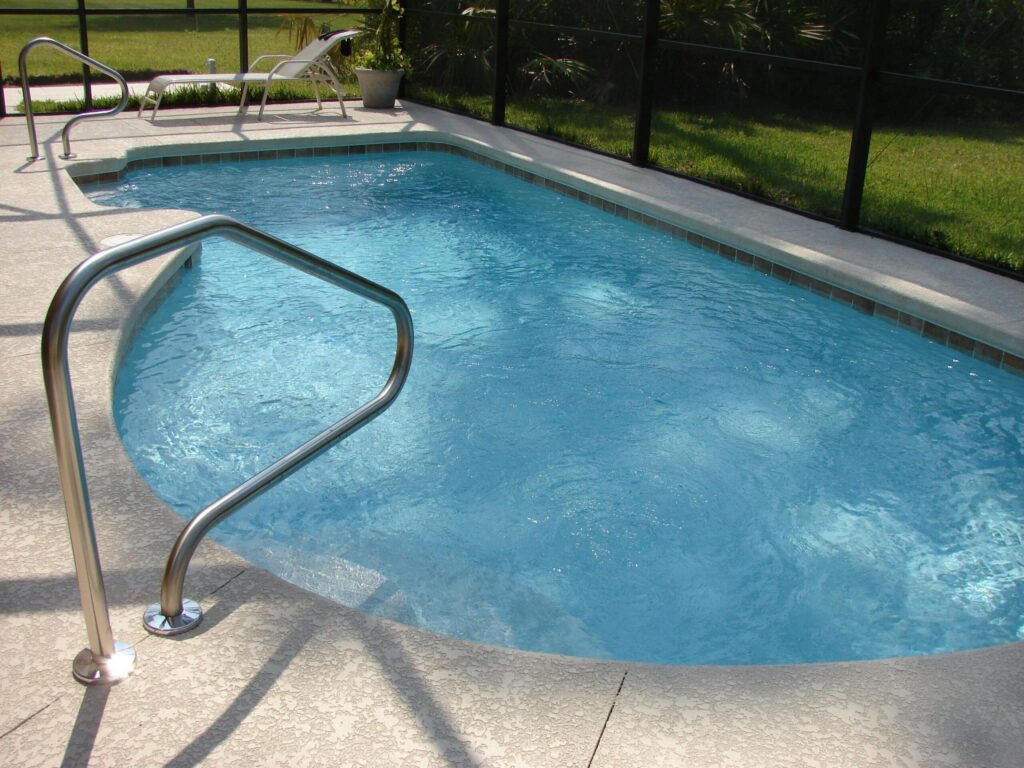
Custom Pool Design
Professional designers work with you to create the PERFECT pool for your family and your yard.
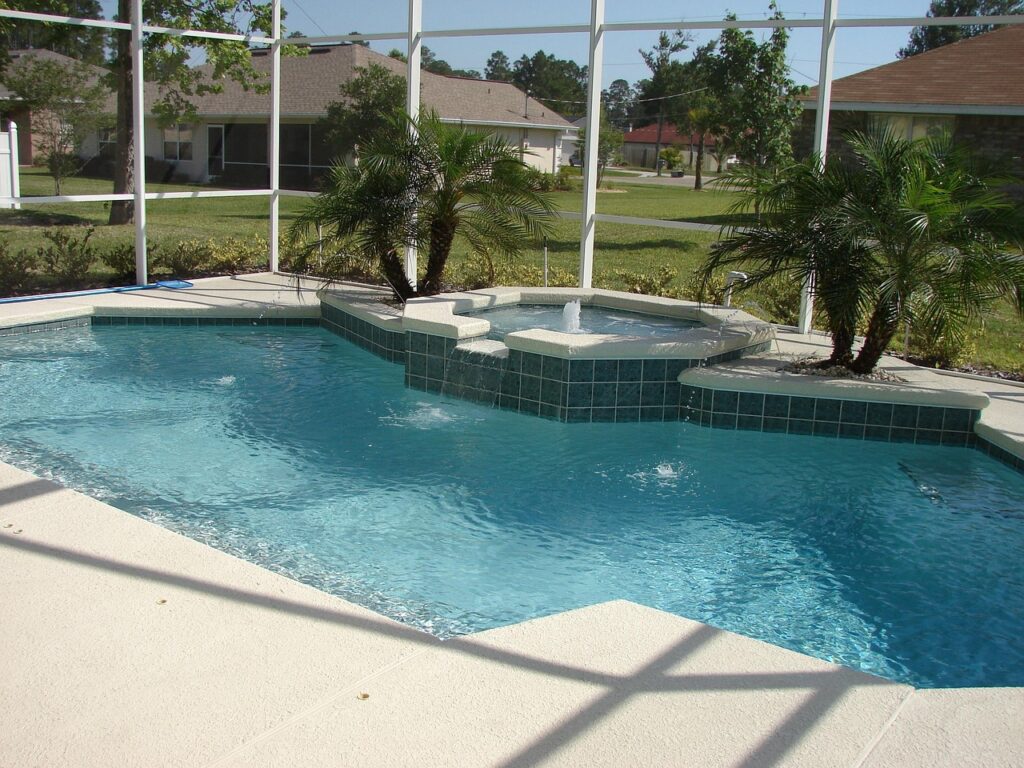
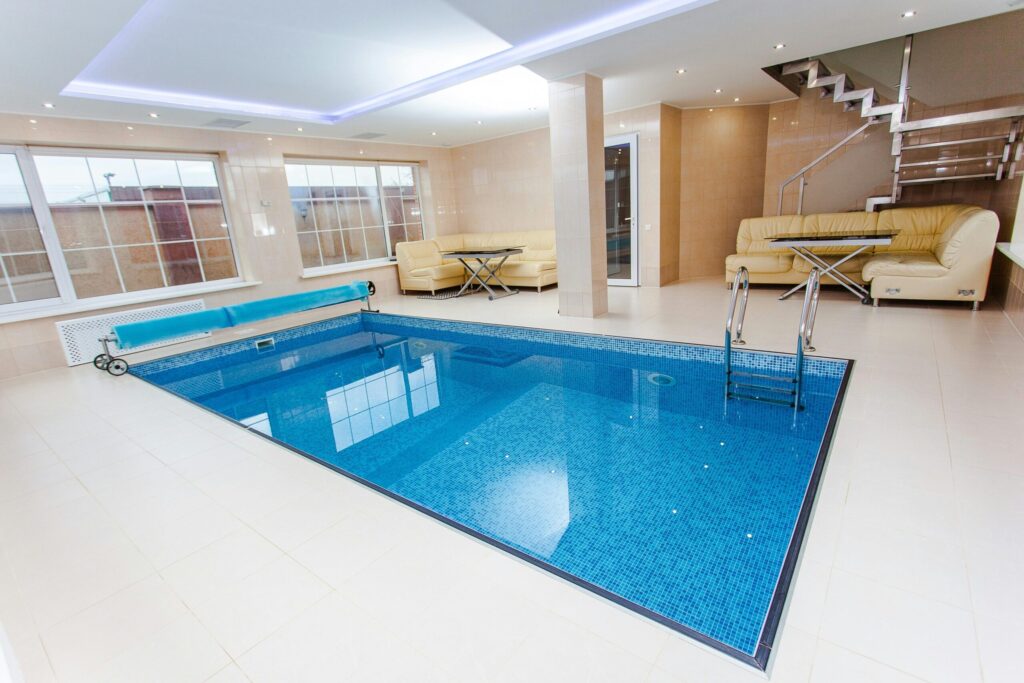
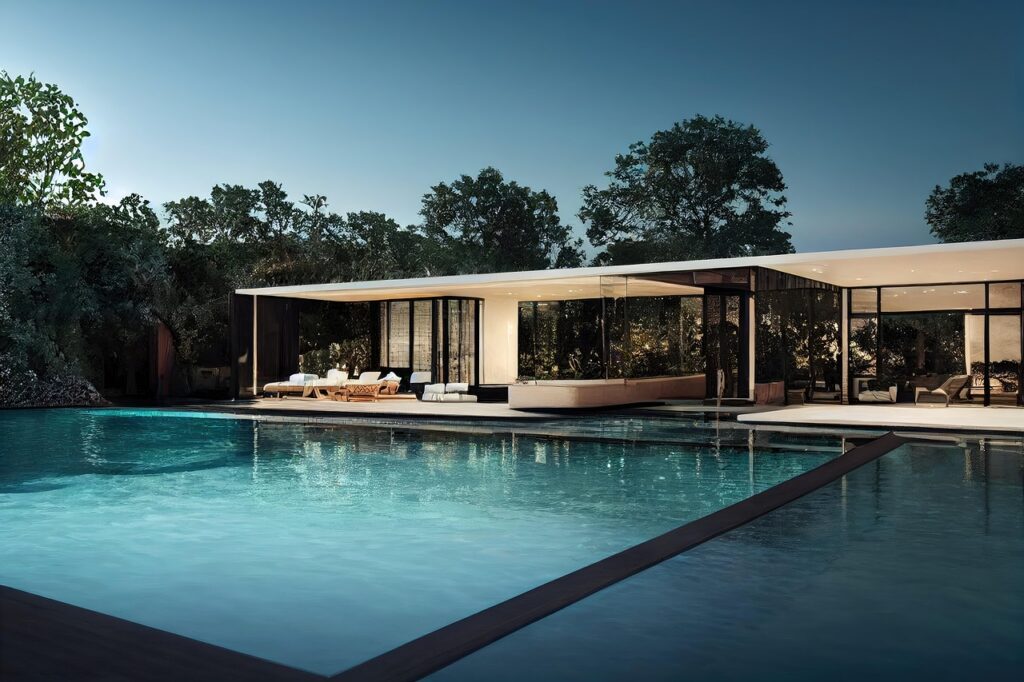
Our Pool Construction Process
1. Initial Consultation & Goals
We discuss your pool vision, budget, intended use, and property characteristics. Understanding your goals helps match you with appropriate pool contractors.
2. Site Evaluation
Contractors visit to assess your property including yard size and slope, soil conditions, sun exposure, access for equipment, utility locations, and drainage.
3. Design & Scope Definition
Contractors create pool designs showing shape, size, depth, equipment placement, and integration with outdoor space. Engineering addresses structural requirements and site-specific conditions.
4. Contractor Matching
We connect you with experienced, licensed pool contractors. You receive multiple detailed proposals comparing designs, materials, features, and pricing.
5. Permits & Construction
Work proceeds in phases:Excavation and site preparation Plumbing and electrical rough-in Steel installation (gunite) or shell placement (fiberglass/vinyl) Gunite application (if applicable) Equipment installation Decking and coping Tile and finishing Fill and startup
6. Final Inspection & Walkthrough
All work undergoes required inspections. Contractors provide equipment operation training, chemical maintenance guidance, and winterization procedures specific to Reno's climate.
Pool Construction in Pleasant Valley — What Homeowners Should Know
Rural Community Character and Housing Landscape
Pleasant Valley is a small, unincorporated community in Washoe County located along Highway 395 and Interstate 580, approximately 10-15 miles south of downtown Reno and about 15 miles north of Carson City. With just over 300 residents, the community maintains a distinctly rural character that appeals to homeowners seeking tranquility, open space, and a slower pace while remaining close to urban amenities. The area is known for its surprisingly green landscape—fed by deep aquifers and high water tables that create a verdant oasis in northern Nevada’s high desert. Mature trees, established lawns, and flowing creeks give the valley a lush feel uncommon in the region. Housing consists primarily of single-family homes on generous lots, with many properties ranging from half an acre to over an acre. Ranch-style homes from the 1970s through 1990s are common, along with newer construction and custom builds that take advantage of the valley’s scenic mountain views. The community attracts families, retirees, outdoor enthusiasts, and anyone who appreciates country living while maintaining easy access to Reno’s employment centers and Carson City’s government services.
Property Characteristics and Lot Advantages
One of Pleasant Valley’s greatest appeals is property size. Standard lots typically range from half an acre to over an acre, with some properties exceeding two acres—far more space than typical suburban neighborhoods. These larger parcels provide exceptional opportunities for pool installations with room for extensive decking, outdoor kitchens, fire features, landscaping, and recreational areas. Many homeowners keep horses, chickens, or other livestock, requiring thoughtful pool design that integrates with barns, corrals, and pastures. Most properties operate on well water rather than municipal supply, which typically means minimal costs for filling pools but also requires consideration of water quality and mineral content. Many homes use septic systems rather than sewer connections, which affects placement of pool equipment, drainage systems, and landscape features. The community has minimal HOA oversight—Pleasant Valley’s rural character means homeowners enjoy considerable freedom in design choices while also bearing greater responsibility for ensuring compliance with county regulations. Properties often feature mature trees that provide privacy and shade, though they also contribute to seasonal maintenance with falling leaves and needles.
Washoe County Permitting Process
Pleasant Valley falls under Washoe County jurisdiction for building permits and code enforcement. Pool construction requires building permits submitted through the ONE Regional Licensing and Permits portal at www.onenv.us, which serves northern Nevada’s multiple jurisdictions. Washoe County uses the 2024 International Building Codes, and pool projects must comply with building, electrical, plumbing, and safety barrier requirements. The permitting process involves plan review that typically takes several weeks depending on project complexity and reviewer workload. Properties undergo multiple inspections throughout construction—excavation, plumbing rough-in, electrical rough-in, decking, fencing, and final inspection. Contractors experienced with Washoe County’s specific requirements and inspection protocols help projects move efficiently through approvals without unnecessary delays. It’s worth confirming your property’s exact jurisdiction early in planning, as some areas near Pleasant Valley’s boundaries may fall under different regulatory authorities depending on precise location. Working with contractors who regularly navigate county permitting prevents delays and ensures your project meets all regulatory standards.
Unique Climate Conditions
Pleasant Valley enjoys a microclimate somewhat different from surrounding areas due to its topography and geology. The valley’s high water table and deep aquifers create a noticeably greener environment with more vegetation and slightly cooler summer temperatures compared to drier areas of Reno. Summer daytime temperatures typically reach the upper 80s to low 90s, with pleasant cool evenings dropping into the 50s and 60s—ideal for evening pool use. Winters are cold, with temperatures frequently dropping into the 20s at night and occasional periods of subfreezing conditions. The area receives approximately 7-10 inches of precipitation annually, slightly more than central Reno due to its southern location closer to the Sierra Nevada influence. Snow falls regularly in winter, though accumulation is typically modest compared to higher elevations. The area enjoys over 300 days of sunshine annually, creating excellent pool weather from May through September. The slightly cooler temperatures compared to hotter desert areas make summer pool use more comfortable, though heaters remain valuable for homeowners wanting to extend the swimming season into spring and fall. Freeze protection is essential—pool plumbing and equipment must be properly winterized or protected with insulation and heating to prevent damage during cold months.
Soil Conditions and Site Preparation
Pleasant Valley’s soil conditions benefit from the area’s unique geology and high water table. Soils are generally well-draining sandy or gravelly compositions typical of Nevada valleys, which is advantageous for pool construction since poor drainage creates long-term structural problems. However, proper compaction and base preparation remain critical to prevent settling over time. The area’s water-rich environment means groundwater can be encountered during excavation, particularly during spring when snowmelt and precipitation raise water tables. Contractors experienced with local conditions understand how to manage groundwater during construction and design appropriate drainage systems. Some properties may have clay deposits that expand and contract with moisture changes, requiring engineered solutions like reinforced pool shells or specialized backfill materials. Rocky subsurface conditions vary by specific location—some properties excavate easily while others encounter larger rocks or hardpan layers that require additional equipment and time. Well water is nearly universal in Pleasant Valley, and while it’s ideal for filling pools at minimal cost compared to municipal water, mineral content should be tested as it can affect pool surfaces and equipment longevity. The valley’s mature vegetation and flowing creeks create a picturesque setting but also mean pool covers or regular maintenance may be needed to manage leaves, needles, and organic debris.
Pool Contractor Costs in Pleasant Valley
Understanding typical pool costs in Pleasant Valley helps homeowners plan realistic budgets while accounting for the unique factors that affect rural property construction.
Typical Project Cost Ranges
| Pool Type | Size Range | Typical Cost Range |
|---|---|---|
| Basic Vinyl Liner (In-Ground) | 14′ x 28′ to 16′ x 32′ | $35,000 – $55,000 |
| Fiberglass Pool (In-Ground) | 12′ x 24′ to 16′ x 36′ | $50,000 – $80,000 |
| Concrete/Gunite Pool (In-Ground) | 15′ x 30′ to 18′ x 36′ | $65,000 – $120,000+ |
| Above-Ground Pool (Installed) | 18′ to 24′ diameter | $5,000 – $15,000 |
These ranges represent complete installations including excavation, pool shell, standard equipment, and basic concrete decking. Pleasant Valley’s larger properties often encourage homeowners to invest in more elaborate outdoor living spaces, and the rural setting provides flexibility for features like natural stone hardscaping, extensive decking, and integrated landscaping that might be constrained in more compact neighborhoods.
Key Factors That Influence Pool Pricing
Multiple variables significantly affect final pool costs in Pleasant Valley. Pool size and depth remain primary drivers—larger pools require more materials, excavation, and equipment capacity. Site access can affect costs; while Pleasant Valley’s larger lots typically provide good equipment access, properties with long driveways, gates, or challenging terrain may incur additional labor charges for equipment mobilization. Soil conditions directly impact excavation complexity—properties with groundwater, rocky areas, or clay deposits may see excavation costs increase compared to ideal conditions. Equipment selection affects both immediate investment and long-term operating costs; variable-speed pumps, energy-efficient heaters, salt chlorination systems, and automated controls cost more upfront but provide value through reduced utility bills and easier maintenance. Well water integration may require additional plumbing or water treatment systems if mineral content is high. Septic system locations influence pool placement and drainage design, occasionally requiring creative solutions that add modest costs. Permitting and inspection fees through Washoe County typically range from several hundred to over a thousand dollars depending on project scope.
Pleasant Valley-Specific Cost Considerations
Several factors unique to Pleasant Valley and rural properties affect pool installation costs. Travel distance from Reno or Carson City for contractors and material delivery may add modest costs compared to urban projects, though most established contractors factor this routinely into pricing for the area. Well water is typically adequate for filling pools at minimal cost—often $50 to $200 depending on well capacity and pool size—far less than municipal water charges. However, water testing and potential treatment for high mineral content should be budgeted, as untreated well water can damage pool surfaces and equipment over time. Groundwater management during excavation may require dewatering systems or specialized construction timing, potentially adding $1,000 to $3,000 to base costs in properties with high water tables. The area’s slightly cooler climate encourages investment in heating systems for homeowners wanting extended swim seasons—gas heaters range from $3,000 to $6,000, while heat pumps cost $5,000 to $9,000. Pool covers become essential investments, adding $500 to $3,000 depending on type and whether manual or automated. Freeze protection equipment—heated equipment pads, insulated plumbing enclosures, or winterization systems—represents necessary additions, typically $1,500 to $4,000. The rural setting’s mature trees and vegetation may influence homeowners to invest in quality covers or automated cleaning systems to manage organic debris. Larger lot sizes often inspire more ambitious projects with extended decking, outdoor kitchens, and fire features that increase total investment but create truly exceptional outdoor living environments.
The Importance of Transparent, Itemized Estimates
Reputable pool contractors provide comprehensive written estimates that clearly break down all costs—site preparation and excavation including any groundwater management, pool shell with specified materials and finishes, plumbing systems including well water integration if applicable, electrical work, equipment with brands and models specified, decking with materials clearly noted, fencing meeting code requirements, permits and fees, and any site-specific requirements like septic system considerations or drainage systems. This transparency allows you to understand exactly where your investment goes and provides opportunity to make informed decisions about priorities and upgrades. For Pleasant Valley properties, estimates should specifically address how well water, septic systems, and larger lot sizes affect pricing and planning. Ask about contingencies for unexpected groundwater or soil conditions and how the contractor handles situations that differ from initial site assessments. Request references from recent rural or large-lot projects, ideally in Pleasant Valley or similar communities, to verify the contractor’s experience with conditions like yours. Be cautious of unusually low bids that lack detail or don’t adequately address site-specific challenges—they may exclude necessary components, underestimate rural property requirements, or indicate contractors unfamiliar with this type of work. Quality contractors will visit your property, assess soil conditions and water table depth if relevant, evaluate site access, discuss your vision and budget honestly, explain what’s realistic for your specific site, and provide detailed estimates that reflect true costs of building a pool that performs well in Pleasant Valley’s unique environment.
What Makes Our Contractor Network Different
Reno Home Remodel connects Pleasant Valley homeowners with pool contractors who bring specific advantages essential for rural properties. Here’s what sets our network apart.
Rural Property and Large Lot Expertise
Contractors in our network have extensive experience working with rural properties and understand the unique considerations of Pleasant Valley’s large-lot settings. They know how to design pools that integrate naturally with expansive properties, working around existing features like barns, corrals, mature trees, and agricultural uses. They understand septic system placement and how to route pool drainage appropriately. They know how to manage well water systems, test mineral content, and design water treatment solutions if needed. They recognize that rural homeowners often prioritize privacy, natural aesthetics, and integration with the landscape rather than formal, manicured designs common in urban neighborhoods. This experience ensures your pool enhances your property’s character rather than feeling out of place.
Washoe County Permitting Knowledge
Our contractors regularly work with Washoe County Building Division and understand the specific requirements for permits in unincorporated areas. They know how to prepare compliant plans, navigate the ONE Regional Licensing and Permits portal efficiently, and address review comments quickly. They understand which inspections to expect and how to schedule them to keep projects moving forward. They’re familiar with county regulations regarding setbacks, barriers, and safety requirements that apply to rural properties. This expertise prevents delays and ensures your project meets all county regulations without unnecessary complications.
Groundwater and Site Management Experience
Pleasant Valley’s high water table and unique geology require contractors who understand how to work with these conditions. Our contractors know when groundwater management is necessary during excavation, how to design proper drainage systems that handle both surface runoff and subsurface water movement, and how to construct pools that perform reliably despite seasonal water table fluctuations. They understand the valley’s soil conditions and can assess sites accurately to provide realistic estimates and appropriate construction methods.
Well Water System Integration
Working with well water requires specific knowledge that urban-focused contractors may lack. Our contractors understand how to integrate pool filling systems with residential wells, test water quality and mineral content, recommend treatment systems when beneficial, and design equipment that handles well water without premature wear. They know that while well water provides cost-effective pool filling, untreated high-mineral water can damage surfaces and equipment, so they plan appropriately from the start.
Understanding of Country Living Values
Pleasant Valley attracts homeowners who value rural living, open space, and community character. Our contractors respect these values and design pools that enhance rather than compromise them. They understand that homeowners here often prioritize functionality, durability, and natural integration over trendy design. They maintain clean, organized work sites and minimize disruption to neighbors in this small, tight-knit community where reputation matters. They appreciate that rural homeowners often keep animals, have working properties, and need contractors who respect ongoing agricultural or equestrian activities during construction.
Established Regional Relationships
Contractors in our network maintain strong relationships with northern Nevada suppliers who stock materials proven to perform well in local conditions. These connections mean competitive pricing, reliable delivery to Pleasant Valley’s location between Reno and Carson City, and access to equipment suited to rural properties and well water systems. If specialized parts or equipment are needed during installation or for future service, regional relationships ensure reasonable lead times rather than lengthy waits for items shipped from distant locations.
Long-Term Local Availability
Working with established regional contractors means they’re available for ongoing service, warranty work, seasonal opening and closing guidance, and future maintenance or upgrades. Pool ownership in a rural setting with well water and septic systems requires contractors who understand these systems and remain available to address questions or service needs. Because they maintain reputations throughout northern Nevada’s rural communities, they’re accountable for quality workmanship and responsive service. They stand behind their work because their business depends on satisfied customers and positive referrals in small communities like Pleasant Valley where word travels quickly.
Licensed and Insured Contractors Only
Every contractor in our network holds active Nevada state licensing through the Nevada State Contractors Board and maintains appropriate liability insurance and workers’ compensation coverage. We verify licensing status before making referrals, ensuring you work only with properly qualified professionals. Licensed contractors must meet continuing education requirements, follow state regulations, and maintain accountability through the licensing board. This protects you from unlicensed operators who may lack proper training, insurance, or recourse if problems arise. Insurance coverage protects your property during construction and provides peace of mind that you’re covered if accidents occur. Working with licensed, insured professionals gives you confidence that your investment meets legal standards and that you have protections if issues develop.
Let's Start Your Pool Project in Pleasant Valley!
Getting started is easy – simply reach out with details about your Pool project, and we’ll connect you with qualified, licensed contractors.
Need Help?
Frequently Asked Questions About Pool in Pleasant Valley
Below are some of the most common questions our network get families about Pool. If you have any other questions contact us!
How long does pool construction take?
Timeline varies by pool type. Fiberglass: 1-2 weeks. Vinyl liner: 2-4 weeks. Gunite: 8-14 weeks depending on size and features. Weather, permits, and inspections can extend timelines. Design and permitting add 4-8 weeks before construction.
What's the best pool type for Reno's climate?
All pool types work in Reno with proper winterization. Gunite offers most design flexibility and durability. Fiberglass provides quick installation and smooth surface. Vinyl liner costs less initially but requires periodic liner replacement. Choice depends on budget, desired features, and priorities.
Can I use my pool year-round in Reno area?
Not practically without significant heating expense. Comfortable outdoor swimming season: late May through early September. Heating extends to April-October but costs substantial. Winter use requires enclosure and continuous heating—very expensive.
Do I need a fence around my pool?
Yes, building codes require barriers preventing unsupervised child access. Fence must be 4-5 feet high with self-closing, self-latching gate. House can serve as one barrier side if doors have alarms. This is a legal requirement, not optional.
Talk to a Pool Contractor in Pleasant Valley
Whether you’re planning a family pool on your acre property with room for play areas and outdoor living, designing a natural-looking pool that integrates with your valley’s green landscape, working with a horse property where the pool needs to complement existing agricultural features, or envisioning any pool project that enhances your Pleasant Valley lifestyle, Reno Home Remodel connects you with experienced contractors who understand this unique community and rural property dynamics.