
Professional Pool Contractors in Reno, NV
Looking for trusted Swimming Pool Builders in Reno? We connect families with expert pool contractors who turn ordinary backyards into extraordinary outdoor resorts!
Popular Pool Services in Reno
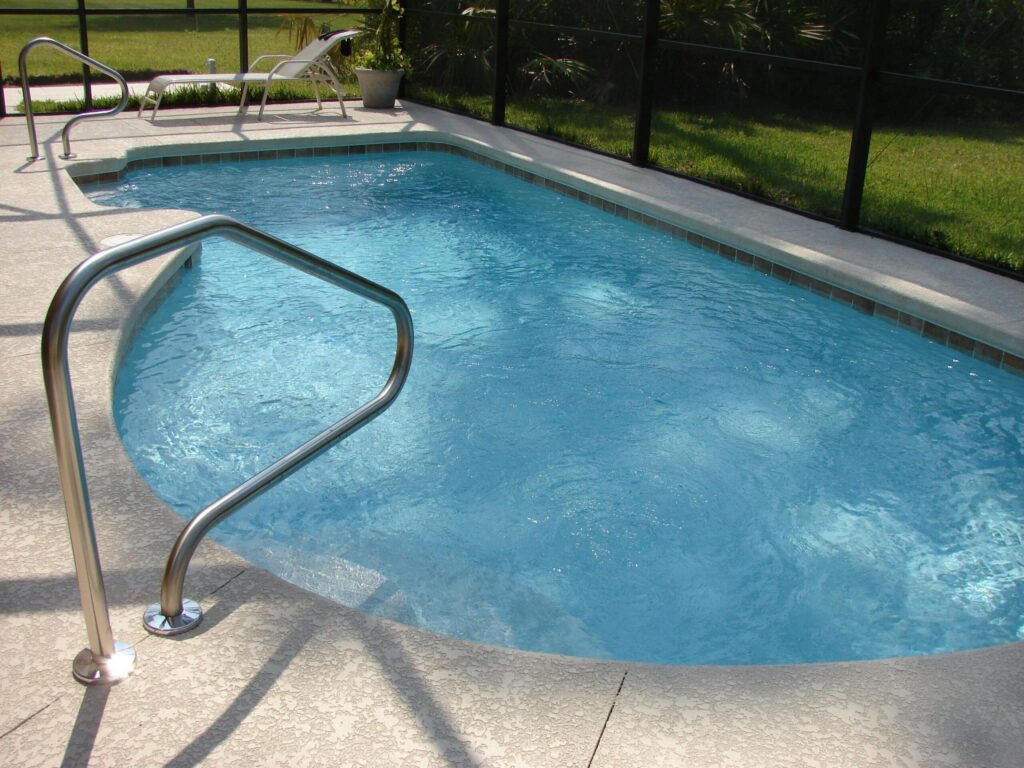
Custom Pool Design
Professional designers work with you to create the PERFECT pool for your family and your yard.
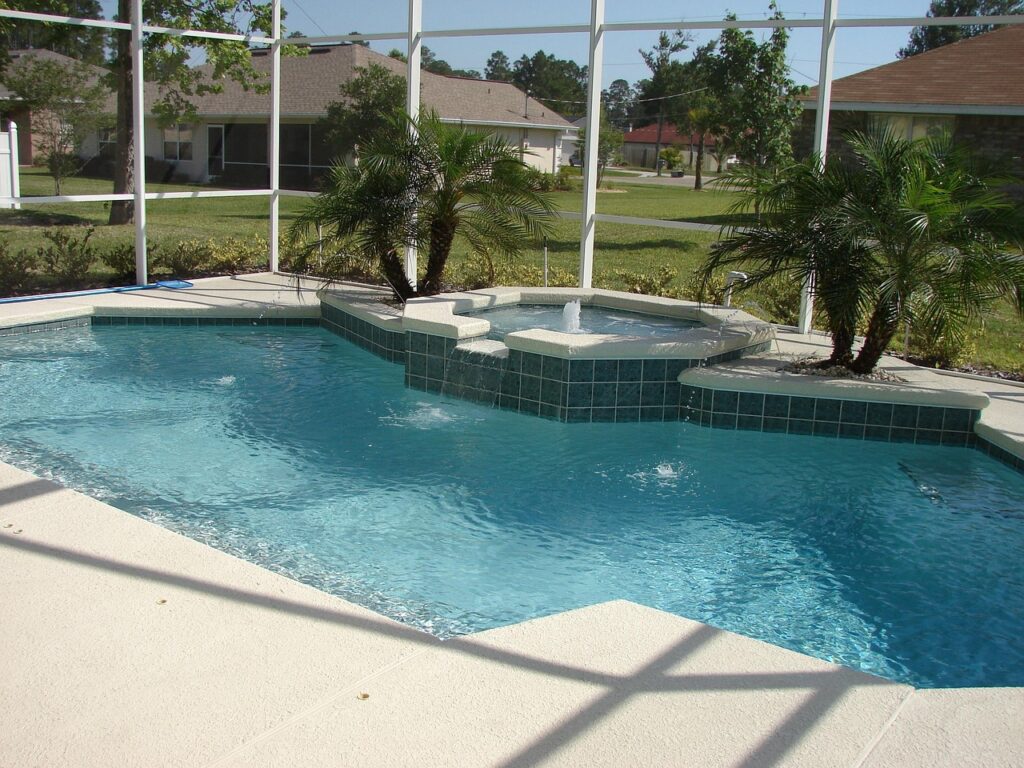
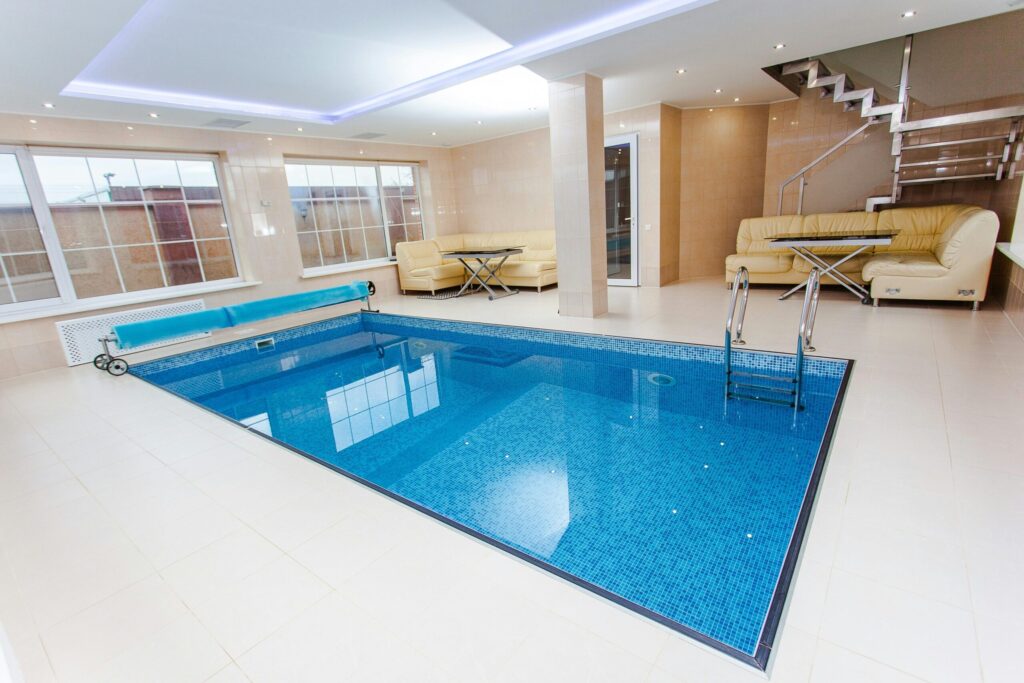
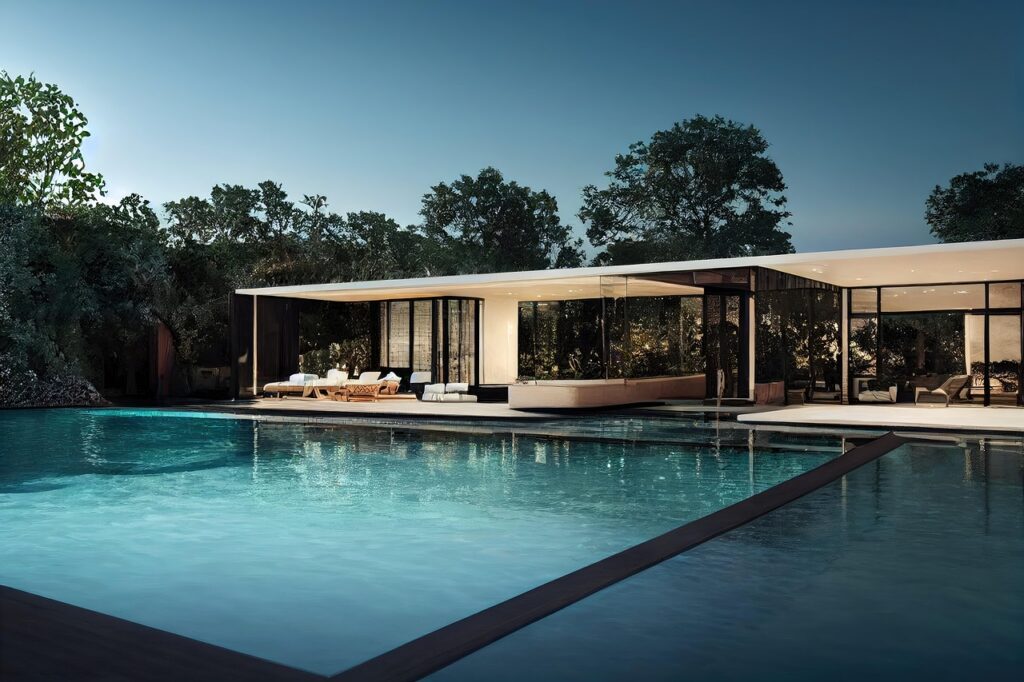
Our Pool Construction Process
1. Initial Consultation & Goals
We discuss your pool vision, budget, intended use, and property characteristics. Understanding your goals helps match you with appropriate pool contractors.
2. Site Evaluation
Contractors visit to assess your property including yard size and slope, soil conditions, sun exposure, access for equipment, utility locations, and drainage.
3. Design & Scope Definition
Contractors create pool designs showing shape, size, depth, equipment placement, and integration with outdoor space. Engineering addresses structural requirements and site-specific conditions.
4. Contractor Matching
We connect you with experienced, licensed pool contractors. You receive multiple detailed proposals comparing designs, materials, features, and pricing.
5. Permits & Construction
Work proceeds in phases:Excavation and site preparation Plumbing and electrical rough-in Steel installation (gunite) or shell placement (fiberglass/vinyl) Gunite application (if applicable) Equipment installation Decking and coping Tile and finishing Fill and startup
6. Final Inspection & Walkthrough
All work undergoes required inspections. Contractors provide equipment operation training, chemical maintenance guidance, and winterization procedures specific to Reno's climate.
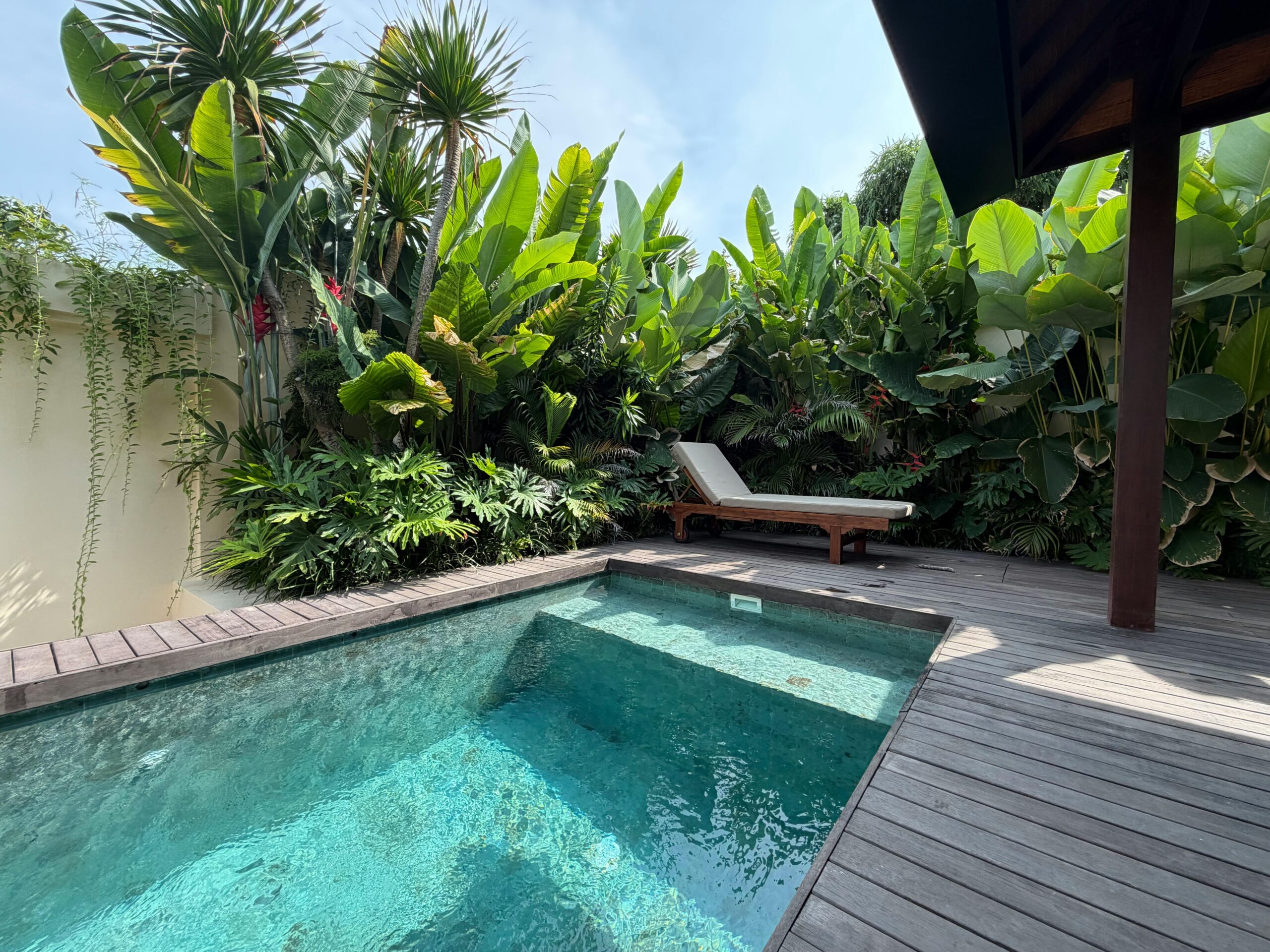
Pool Construction in Reno — What Homeowners Should Know
Climate Considerations for Pools
Reno’s high-desert climate significantly impacts pool design and operation:
Freeze-thaw cycles — Winter temperatures regularly drop below freezing. Pools require proper winterization including draining equipment, adding antifreeze to lines, and protecting exposed plumbing. Pool structure must be designed to handle freeze-thaw conditions.
Short swimming season — Reno’s comfortable outdoor swimming season typically runs late May through early September without heating. Pool heaters extend season but increase operating costs significantly.
Low humidity and evaporation — Reno’s dry climate causes high evaporation rates—pools can lose 1/4 inch or more of water daily in summer. Automatic fill systems and pool covers help manage water loss.
Temperature extremes — Summer heat aids pool warming but winter cold requires winterization. Equipment must function reliably in temperature extremes.
UV exposure — At 4,500 feet elevation, intense UV radiation degrades pool chemicals faster and can fade pool surfaces and equipment. Quality materials and consistent maintenance important.
Wind and debris — Open areas experience wind that deposits dust and debris into pools. Regular cleaning necessary. Windbreaks or landscaping can help.
Soil Conditions and Excavation
Reno’s varied soil composition affects pool installation:
Rocky soil — Common in foothill areas. Rock excavation increases installation costs but provides stable base. May require specialized equipment.
Clay soils — Expand when wet, contract when dry. Proper backfill and compaction critical. Engineering may specify particular backfill materials.
Sandy soils — Good drainage but require proper compaction. May need additional structural support.
Groundwater — Generally not an issue in Reno’s dry climate, but occasional high water tables in some areas affect excavation and construction timing.
Pool Types and Performance
Gunite/shotcrete pools — Most popular for custom designs. Concrete sprayed over rebar framework. Highly durable and versatile. Can be any shape or size. Requires periodic resurfacing (10-15 years). Most expensive option. Lifespan: 50-100+ years with maintenance.
Vinyl liner pools — Steel, aluminum, or polymer walls with vinyl liner. More affordable than gunite. Limited to certain shapes. Liner replacement needed every 7-12 years. Less durable surface than concrete. Lifespan: 20-30 years (structure longer, liner periodic replacement).
Fiberglass pools — Pre-manufactured shells installed in excavation. Quick installation (days vs. weeks). Smooth non-porous surface. Limited to available sizes and shapes. Durable and low maintenance. Lifespan: 30-50+ years.
Heating Options for Extended Season
Reno’s climate makes heating valuable for extended use:
Gas heaters — Fast heating, works in any weather. Higher operating costs. Natural gas or propane. Good for occasional use or spas.
Electric heat pumps — Energy efficient in moderate temperatures. Less effective when ambient temperature drops below 50°F. Lower operating costs than gas. Good for extending shoulder seasons.
Solar heating — Lowest operating costs. Effective in Reno’s sunny climate but limited heating capacity. Works well for maintaining temperature. Requires roof or ground space for panels.
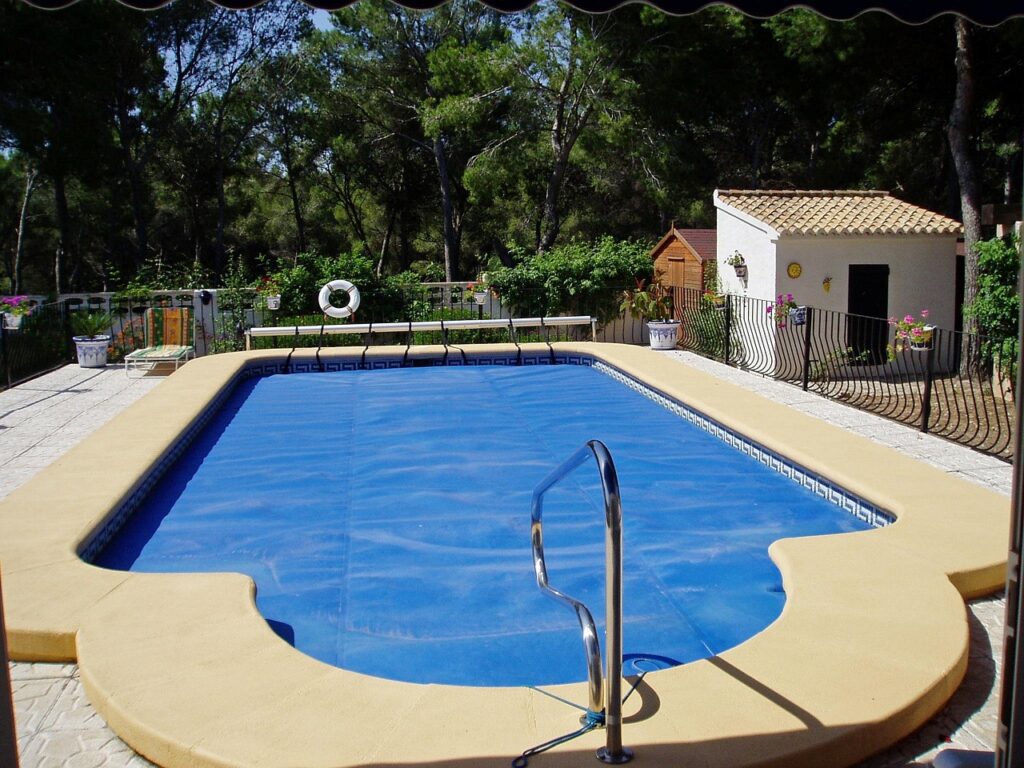
Pool covers — Reduce heat loss and evaporation significantly. Solar covers provide some passive heating. Safety covers required in many jurisdictions.
Equipment Considerations
Altitude adjustments — Reno’s 4,500-foot elevation affects some pool equipment. Heaters may require high-altitude modifications. Pumps perform adequately but verify specifications.
Freeze protection — Equipment in outdoor locations requires freeze protection or seasonal draining. Some automation systems include freeze protection features.
Energy efficiency — Variable-speed pumps significantly reduce operating costs. LED lighting uses less energy than traditional pool lights.
Permits, Safety & Code Requirements
When Permits Are Required
All in-ground pool installations in Reno require building permits:
Permits required for:
- Any in-ground pool installation
- Pool equipment installation
- Pool decking and hardscaping
- Electrical work for pool systems
- Gas lines for heaters
Code Requirements
Nevada building codes and local ordinances specify:
Barrier requirements (safety fencing):
- Pools must have barrier preventing unsupervised child access
- Minimum fence height: 4-5 feet (varies by jurisdiction)
- Self-closing, self-latching gates
- Barriers must surround pool with no gaps larger than 4 inches
- House wall can serve as one barrier side if doors have alarms
Electrical requirements:
- GFCI protection for all pool electrical
- Bonding of all metal components
- Proper grounding of equipment
- Licensed electrician required
Setback requirements:
- Minimum distance from property lines (typically 5-10 feet)
- Clearance from utility easements
- Separation from septic systems (if applicable)
Equipment requirements:
- Anti-entrapment drain covers
- Emergency shut-off accessible from pool area
- Proper equipment pad placement
Inspection Process
Pool construction requires multiple inspections:
- Pre-excavation utility clearance
- Rebar/steel inspection before gunite
- Electrical rough-in inspection
- Plumbing inspection
- Barrier/fence inspection
- Final inspection before pool filling
Licensed contractors schedule and coordinate all required inspections.
HOA Requirements
Many Reno neighborhoods have additional restrictions:
- Pool size limitations
- Location on property
- Fencing style and color
- Equipment screening requirements
- Noise restrictions for pumps
Professional contractors navigate HOA approval processes.
How Much Do Pools Cost in Reno?
Pool costs vary significantly based on type, size, features, and site conditions.
Cost by Pool Type
| Pool Type | Size | Cost Range | Installation Time |
|---|---|---|---|
| Vinyl liner | 12×24 (288 sq ft) | $35,000–$50,000 | 2-4 weeks |
| Vinyl liner | 16×32 (512 sq ft) | $45,000–$65,000 | 2-4 weeks |
| Fiberglass | Small (12×24) | $45,000–$65,000 | 1-2 weeks |
| Fiberglass | Medium (14×28) | $55,000–$75,000 | 1-2 weeks |
| Gunite | 12×24 (288 sq ft) | $60,000–$85,000 | 8-12 weeks |
| Gunite | 16×32 (512 sq ft) | $75,000–$110,000 | 8-12 weeks |
| Gunite | 18×36 (648 sq ft) | $90,000–$135,000 | 10-14 weeks |
| Gunite (custom/luxury) | 20×40+ (800+ sq ft) | $120,000–$250,000+ | 12-16 weeks |
Cost Breakdown Components
| Component | Cost Range |
|---|---|
| Basic pool shell (vinyl liner) | $25,000–$40,000 |
| Basic pool shell (fiberglass) | $30,000–$50,000 |
| Basic pool shell (gunite) | $40,000–$80,000 |
| Pool equipment (pump, filter, heater) | $8,000–$15,000 |
| Standard pool deck (concrete) | $4,000–$10,000 |
| Premium pool deck (pavers/stone) | $10,000–$25,000 |
| Pool fencing (4 ft chain link) | $1,500–$3,000 |
| Pool fencing (decorative iron) | $4,000–$8,000 |
| Basic lighting | $1,000–$3,000 |
| LED color-changing lighting | $2,500–$6,000 |
| Pool heater (gas) | $3,000–$6,000 |
| Pool heater (electric heat pump) | $3,500–$7,000 |
| Solar heating system | $4,000–$8,000 |
| Salt system | $1,500–$3,000 |
| Automation system | $2,000–$5,000 |
| Water features (basic) | $2,000–$8,000 |
| Water features (elaborate) | $8,000–$25,000+ |
Additional Cost Factors
Site conditions:
- Level yard: Included in base cost
- Sloped terrain: $3,000–$10,000 additional
- Rocky soil excavation: $5,000–$15,000+ additional
- Difficult access requiring smaller equipment: $2,000–$8,000
- Removal of existing structures: $2,000–$10,000
Upgrades and features:
- Spa/hot tub integration: $8,000–$20,000
- Beach entry/tanning ledge: $5,000–$15,000
- Infinity edge: $15,000–$40,000
- Grottos or caves: $10,000–$50,000+
- Fire features: $3,000–$15,000
- Outdoor kitchen near pool: $15,000–$50,000+
Permits and engineering:
- Building permits: $500–$2,000
- Structural engineering (if needed): $1,500–$4,000
- Electrical permits and inspection: $200–$600
- Soil analysis (if needed): $500–$1,500
Why Work With Local Reno Pool Contractors
Understanding of Climate Requirements
Reno contractors know proper winterization procedures, appropriate equipment for our elevation, and construction techniques that withstand freeze-thaw cycles.
Experience With Soil Conditions
Local contractors regularly work with Reno’s varied soils—from rocky foothill terrain to valley clay. They know appropriate excavation methods and structural requirements.
Knowledge of Local Codes
Reno pool contractors understand barrier requirements, setback regulations, and inspection processes. They design pools that meet safety standards and pass inspections.
Established Trade Relationships
Pool construction requires coordination of excavation, steel workers, plumbers, electricians, and concrete specialists. Local contractors have relationships with qualified trades.
Ongoing Service and Support
Local contractors remain available for equipment service, seasonal opening/closing, renovation work, and maintenance questions. Their presence provides accountability.
About Reno Home Remodel
Reno Home Remodel connects homeowners with experienced, licensed pool contractors who deliver quality construction and professional service. We carefully review contractors in our network to ensure they understand local climate requirements, follow proper construction techniques, and maintain high standards throughout complex pool projects. Our focus is helping homeowners find skilled professionals who build pools that provide reliable enjoyment for years.
Ready to Start Your Pool Project in Reno?
Let’s chat about your ideas! Getting started is easy – simply reach out with details about your Pool project, and we’ll connect you with qualified, licensed contractors.
Need Help?
Frequently Asked Questions About Pool in Reno
Below are some of the most common questions our network get families about Pool. If you have any other questions contact us!
How long does pool construction take?
Timeline varies by pool type. Fiberglass: 1-2 weeks. Vinyl liner: 2-4 weeks. Gunite: 8-14 weeks depending on size and features. Weather, permits, and inspections can extend timelines. Design and permitting add 4-8 weeks before construction.
What's the best pool type for Reno's climate?
All pool types work in Reno with proper winterization. Gunite offers most design flexibility and durability. Fiberglass provides quick installation and smooth surface. Vinyl liner costs less initially but requires periodic liner replacement. Choice depends on budget, desired features, and priorities.
Can I use my pool year-round in Reno?
Not practically without significant heating expense. Comfortable outdoor swimming season: late May through early September. Heating extends to April-October but costs substantial. Winter use requires enclosure and continuous heating—very expensive.
What happens to the pool in winter?
Pools must be winterized in Reno. Process includes lowering water level, draining equipment and lines, adding antifreeze to remaining lines, removing and storing accessories, and covering pool. Some keep pools partially filled with cover. Professional winterization recommended.
Do I need a fence around my pool?
Yes, building codes require barriers preventing unsupervised child access. Fence must be 4-5 feet high with self-closing, self-latching gate. House can serve as one barrier side if doors have alarms. This is a legal requirement, not optional.
We provide services in the following cities:
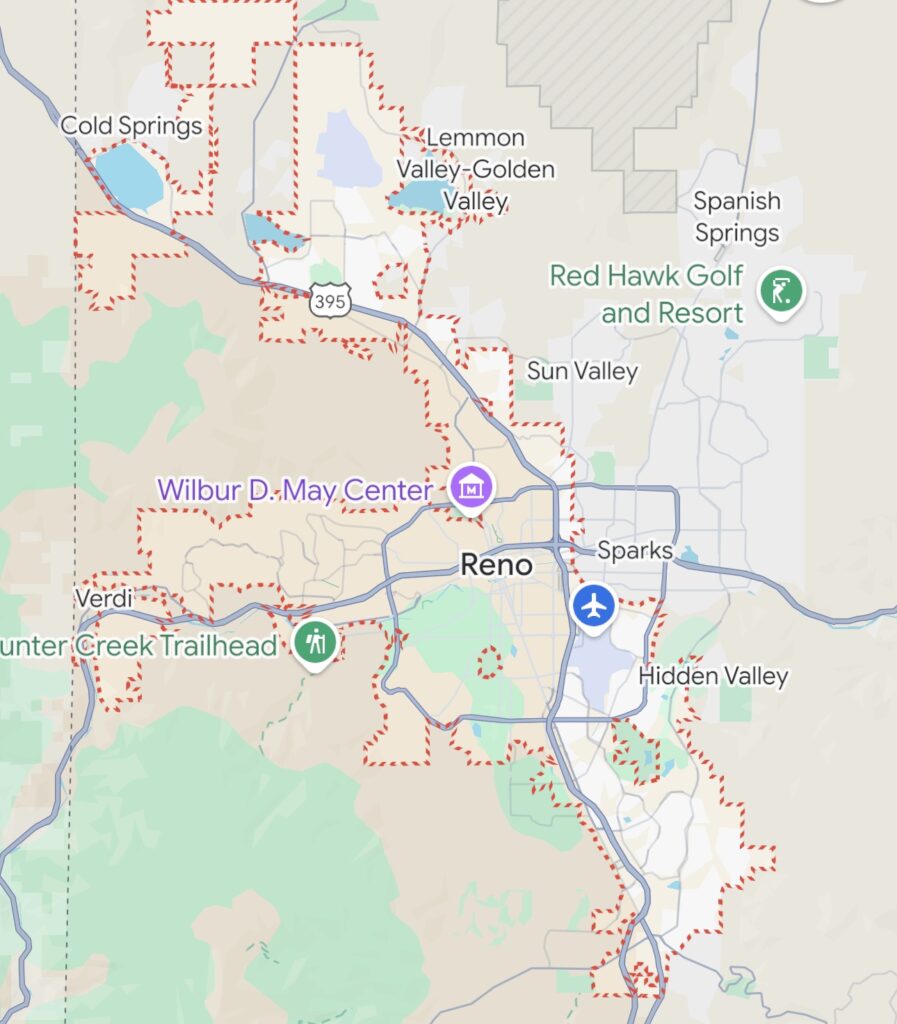
- Montreux, NV
- Virginia City Highlands, NV
- Washoe Valley, NV
- Fernley, NV
- Dayton, NV
- Silver Springs, NV
- Cold Springs, NV
- Stead, NV
- St. James Village, NV
- Steamboat, NV
- Hidden Valley, NV
- Panther Valley, NV
- Wadsworth, NV
- Empire, NV
Talk to a Pool Contractor in Reno
Ready to add a pool to your property? Connect with experienced local pool contractors who understand Reno’s climate requirements and deliver quality installations. Get site evaluations, custom designs, and transparent pricing for your pool project.