
Professional Patio Installation in Silver Springs, NV
Looking for patio installation in Silver Springs, NV? Your dream patio is waiting. Let's make it happen. Because every family deserves a backyard they actually want to use — and every hardworking contractor deserves to be found.
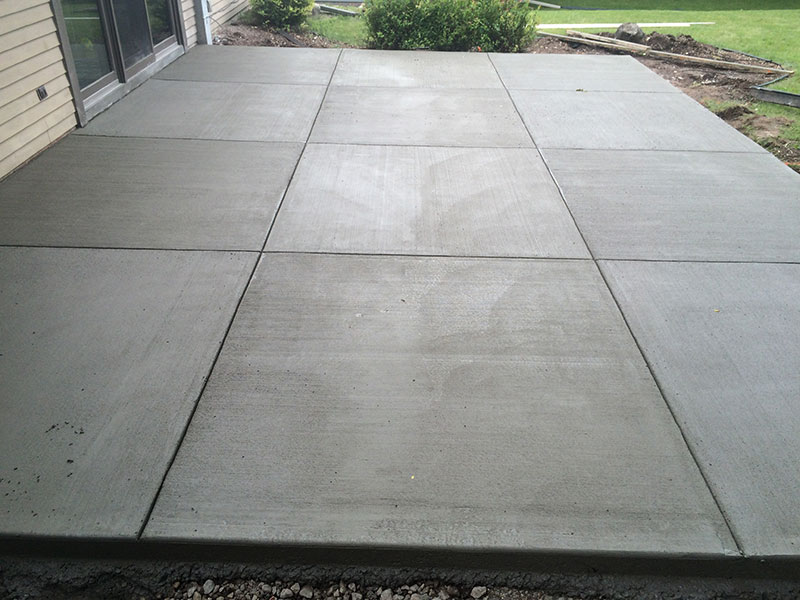
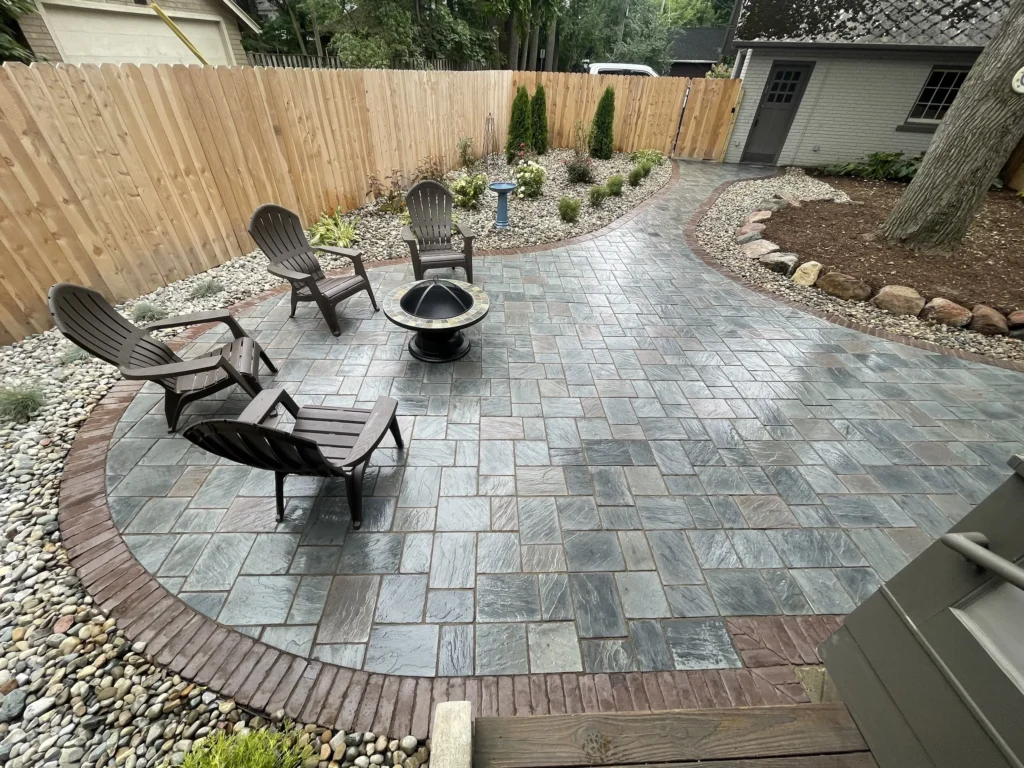
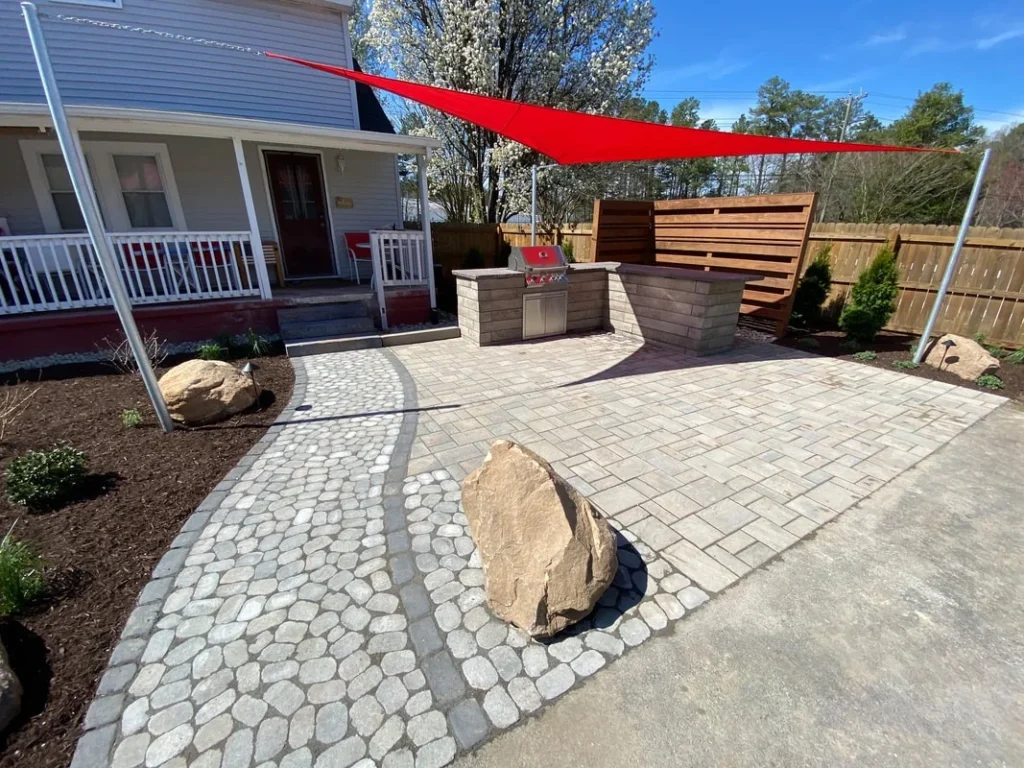
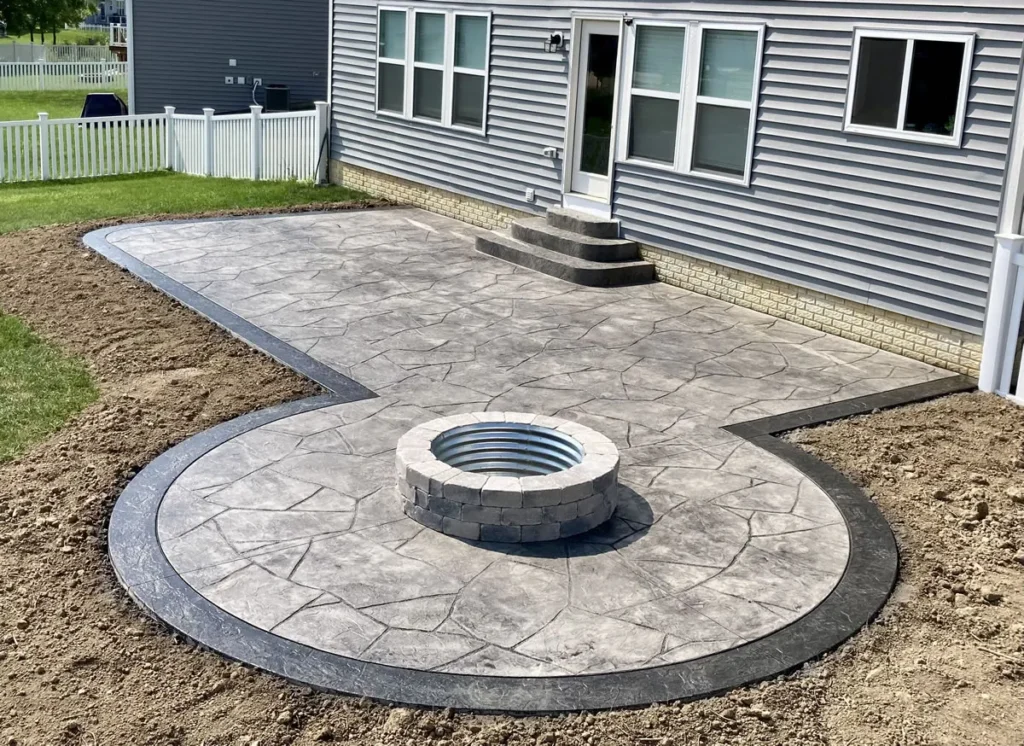
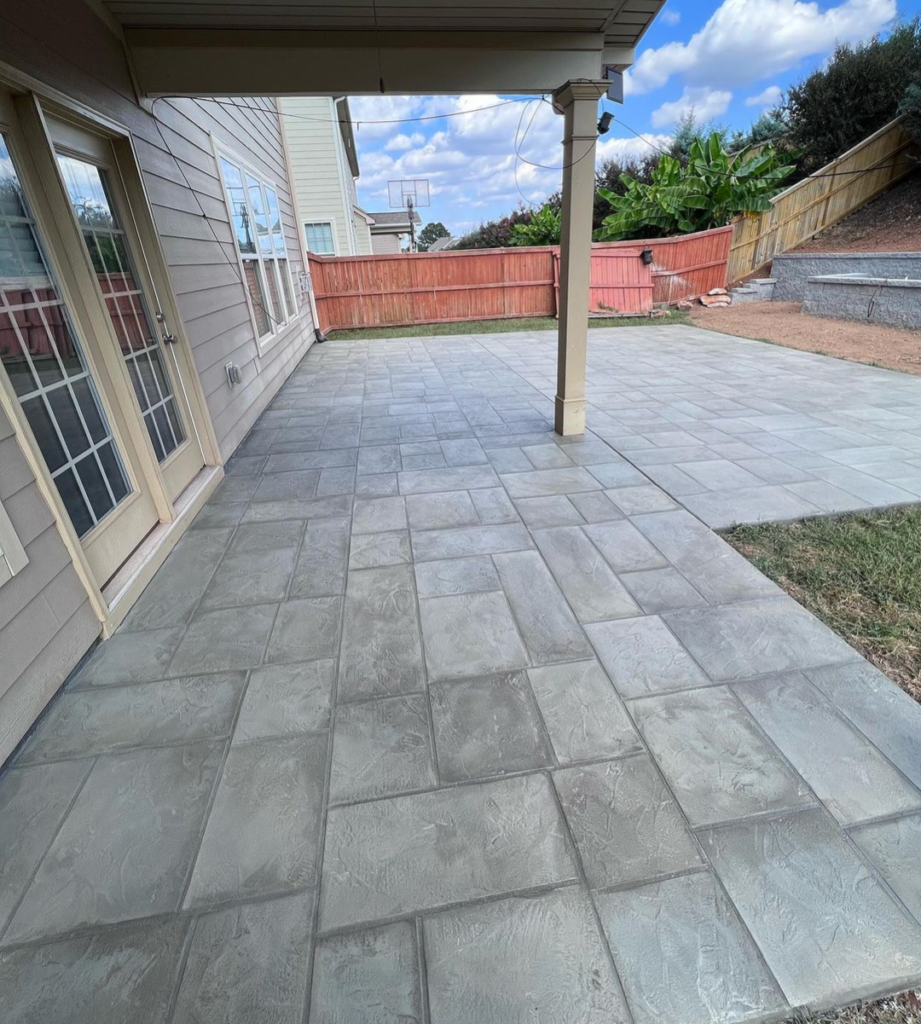
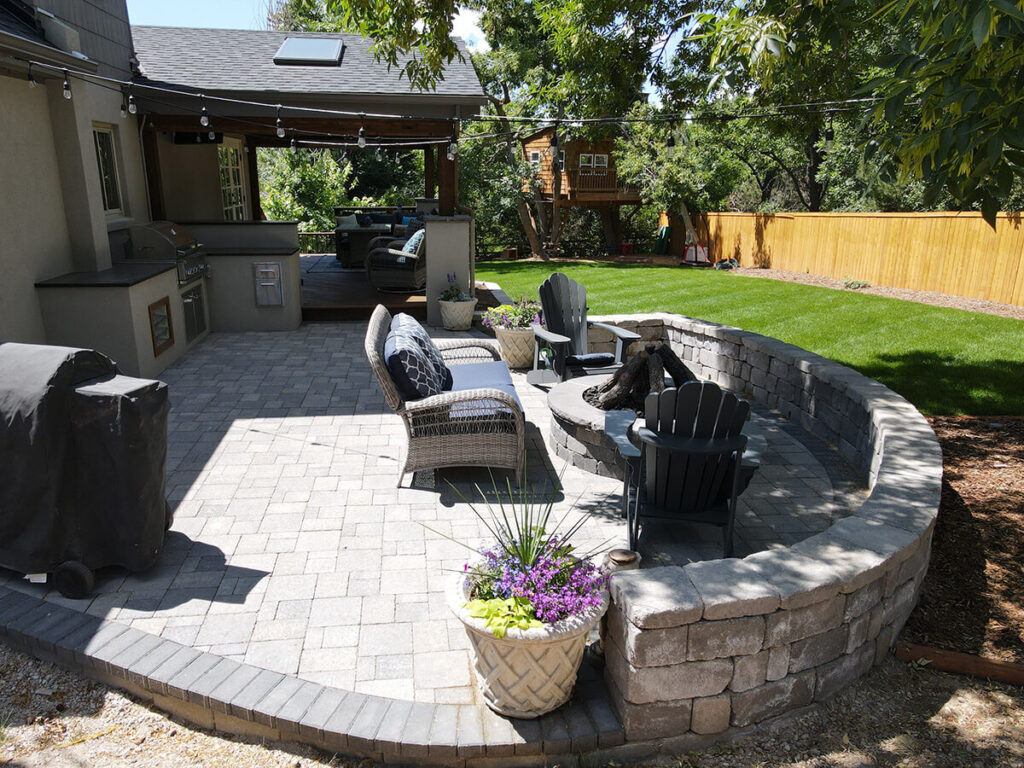
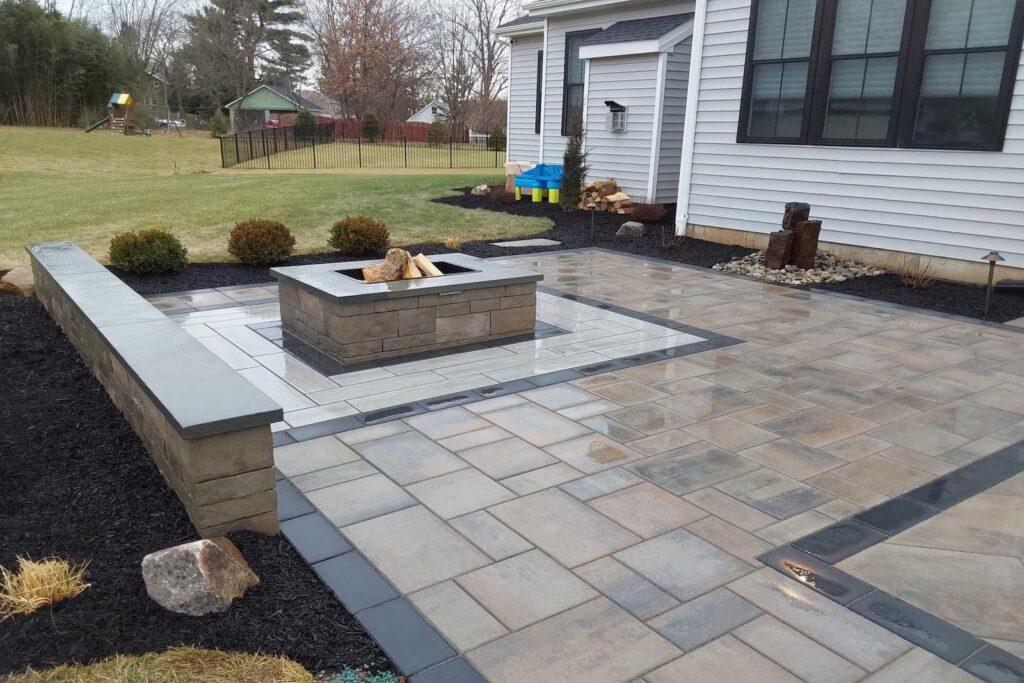
Popular Patio Installation Services in Silver Springs
Our Patio Installation Process
1. Initial Consultation & Goals
We discuss your outdoor space goals, preferred materials, budget parameters, and how you plan to use the patio.
2. Site Evaluation
Installers evaluate your yard including soil conditions, drainage patterns, sun exposure, access for equipment, and existing landscaping.
3. Design & Scope Definition
Installers create patio design showing dimensions, material specifications, drainage plan, and integration with existing landscape features.
4. Contractor Matching
We connect you with experienced, insured patio installers. You receive multiple detailed quotes comparing materials, approaches, and pricing.
5. Permits & Construction
If required, installers obtain permits and utility clearances. They schedule work and order materials.
6. Final Inspection & Walkthrough
Installers review completed work, demonstrate proper care and maintenance, and address any questions. You receive guidance on sealing schedules and long-term care.
Patio Installation in Silver Springs — What Homeowners Should Know
A Quiet Rural Community at the Crossroads
Silver Springs is an unincorporated census-designated place in Lyon County with a population of approximately 5,500 residents, located at 4,191 feet elevation where U.S. Route 50 (the historic California Trail) intersects with U.S. Route 95A. The community sits equidistant between Fernley (15 miles north) and Yerington (32 miles south), with Carson City 36 miles west and Fallon 26 miles east. This central location along major highways makes Silver Springs accessible while maintaining a distinctly rural, quiet character.
The area’s greatest recreational assets are its two nearby state parks: Lahontan State Recreation Area, centered around the 10,000-acre Lahontan Reservoir, offers boating, fishing, camping, and water sports, while Fort Churchill State Historic Park preserves the ruins of a U.S. Army post established in 1860 during Nevada’s early territorial period. These parks bring outdoor enthusiasts to the area and create a lifestyle focused on recreation and open space.
Silver Springs has grown from about 2,250 residents in 1990 to over 5,500 today, with development spreading across a large geographic area of 72 square miles. The low population density—only about 73 people per square mile—creates a spread-out, rural atmosphere quite different from urban or even suburban neighborhoods. Properties tend to be larger parcels, often ranging from half-acre lots to multi-acre parcels, providing space for desert landscaping, workshops, RV storage, and extensive outdoor living areas.
Homes in Silver Springs reflect the community’s evolution from a small crossroads settlement to an established residential area. You’ll find everything from older mobile homes and modest ranch houses to newer stick-built construction, with architectural styles emphasizing practical desert living rather than architectural statements. The median home value around $258,000 remains substantially lower than Reno or Carson City, attracting buyers seeking affordability and space.
Lyon County Permitting Requirements
All construction in Silver Springs falls under Lyon County jurisdiction for building permits, handled through the Lyon County Building Department headquartered in Yerington. Ground-level concrete patios may be exempt from formal permitting depending on size and placement, but most covered structures, elevated decks over 30 inches high, and projects involving electrical or plumbing typically require county approval.
Plans must be prepared appropriately, with contractors needing active business licenses to pull permits. Lyon County follows current International Building Codes and conducts inspections at key construction phases to ensure code compliance. Complete permit applications can be submitted by mail or in person, with plan review deposits required for most projects.
Contractors experienced in Lyon County understand the department’s procedures and can navigate the permitting and inspection process efficiently. For a rural community like Silver Springs where properties may be spread out and vary widely in configuration, working with contractors familiar with county requirements helps ensure smooth project execution.
High-Desert Climate Realities
Silver Springs experiences a cold desert climate (Köppen classification BWk) with hot, dry summers and cold winters typical of high-desert locations. Summer temperatures regularly reach into the low to mid-90s, with occasional peaks near or above 100°F during heat waves. Evenings provide significant relief as temperatures drop into the 40s and 50s. Winter lows average around 23°F, with occasional dips into the teens, and the area receives approximately 10 inches of snow annually—enough to consider but far less than mountain communities.
The area is extremely dry, receiving only about 5 inches of precipitation per year, with most falling as snow in winter. With approximately 251 sunny days annually, outdoor living spaces are functional most of the year when properly designed. Wind is a notable factor in Silver Springs, particularly during spring months, and the area can experience dust and sand during windy conditions due to the surrounding desert terrain.
This climate creates specific requirements for patio construction. Materials must handle freeze-thaw cycles during winter months, UV exposure at this elevation is intense requiring proper sealing and UV-resistant products, and temperature swings of 30-40 degrees between day and night affect material expansion and contraction. Covered patios provide genuine value, offering essential shade from summer sun and creating usable space during shoulder seasons.
Working with Desert Terrain
Silver Springs sits on relatively flat to gently rolling high-desert terrain typical of the Great Basin. Most properties have minimal to moderate slope, though some parcels on the edges of the community may have more pronounced grade changes. The soil composition is predominantly sandy desert soil with excellent drainage characteristics—beneficial for patio construction as water doesn’t pool or create drainage problems common in clay-heavy soils.
The desert landscape features sagebrush, native grasses, and scattered vegetation adapted to arid conditions. Many properties embrace desert xeriscaping with rock gardens and drought-tolerant plantings. Thoughtful patio design integrates with these natural features rather than fighting them. The flat terrain and larger lot sizes provide flexibility in patio placement and size that homeowners in more constrained urban settings don’t enjoy.
Utility infrastructure varies throughout Silver Springs. Some areas have access to municipal water and sewer services, while other properties rely on domestic wells for water and septic systems for wastewater. Understanding your property’s utility configuration is important before planning patio features requiring water or drainage, such as outdoor kitchens or sinks.
Understanding the Community Character
Silver Springs attracts residents seeking affordability, space, and a quieter lifestyle away from urban density. The median age of 52.8 years reflects a community with many retirees and established families. The area appeals to people who value wide-open spaces, recreational opportunities at nearby state parks, and the ability to live on larger parcels without HOA restrictions that would limit how they use their property.
This rural character means neighbors are typically spread out, properties have room for outdoor activities, and the pace of life is noticeably slower than in cities. For patio planning, this translates to freedom in design choices—you’re not typically constrained by close neighbors or restrictive covenants, allowing for more creative and expansive outdoor spaces.
Patio Installation Costs in Silver Springs
Typical Project Cost Ranges
Patio construction costs in Silver Springs reflect the area’s rural character, straightforward terrain, and position as one of the most affordable communities in the region. Here are realistic ranges for common projects:
| Project Type | Typical Cost Range | Notes |
|---|---|---|
| Basic Concrete Patio (200-300 sq ft) | $3,000 – $6,000 | Flat terrain keeps costs reasonable |
| Stamped/Decorative Concrete Patio | $7 – $16 per sq ft | Desert climate works well |
| Paver Patio Installation | $11 – $22 per sq ft | Various quality levels available |
| Natural Stone Patio (Flagstone) | $15 – $30 per sq ft | Fits desert aesthetic |
| Basic Covered Patio/Pergola | $7,000 – $15,000 | Shade highly valuable here |
| Covered Patio Structure | $11,000 – $26,000+ | Size and materials vary |
| Deck Construction (per sq ft) | $25 – $50 per sq ft | Less common on flat terrain |
| Outdoor Kitchen Setup | $9,000 – $25,000+ | Propane typical |
| Fire Pit Installation | $1,200 – $5,000 | Popular for cool desert evenings |
These ranges include materials, labor, permits, and standard site preparation. Your actual costs depend on project size, material selections, and site-specific conditions.
Key Factors That Influence Pricing
Several elements specific to Silver Springs properties can affect your project cost:
Distance from major supply centers — Silver Springs is about 36 miles from Carson City and 50 miles from Reno, which can affect material delivery costs and contractor travel time. Some contractors factor this distance into their pricing, though the impact varies by contractor and project size. Local suppliers exist for basic materials, but specialty items typically come from larger urban centers.
Lot size and placement flexibility — The larger parcels common in Silver Springs provide significant flexibility in patio placement. You can often site patios to minimize site work, avoid utility conflicts, or integrate with existing features. This flexibility can reduce preparation costs, though properties with longer setbacks from roads may involve more material hauling during construction.
Sandy desert soil conditions — While Silver Springs’ sandy soil provides excellent drainage, footings for patio covers and structural elements need appropriate sizing for the soil bearing capacity. Experienced contractors understand these requirements and design foundations accordingly. This isn’t typically a major cost factor but does require proper planning.
UV exposure and material durability — The intense high-desert sun exposure and only 5 inches of annual precipitation create specific material requirements. Products need UV-resistant formulations or protective coatings to maintain appearance and performance. Quality materials designed for extreme desert climates cost somewhat more than standard products but deliver better long-term value.
Utility configuration variations — Properties with municipal water and sewer connections simplify outdoor kitchen or water feature installations compared to properties on wells and septic systems. Understanding your utility setup helps contractors provide accurate estimates for features requiring plumbing or drainage connections.
Silver Springs-Specific Cost Considerations
The community’s rural character and minimal regulation mean you have more design freedom than in heavily governed communities. There are typically no HOA architectural reviews, no restrictive covenants limiting outdoor structures, and more flexibility in how you use your property. This freedom can allow for more creative or ambitious designs without needing multiple approval layers.
Wind exposure in the open desert terrain means covered structures benefit from appropriate anchoring and wind load considerations. While engineering requirements are less stringent than in mountain communities, structures still need to withstand spring winds common to the high desert. Contractors experienced in the area understand these considerations and build accordingly.
The extremely dry climate means materials don’t face the moisture-related challenges common in humid regions, but winter freezing still affects concrete and outdoor plumbing. The temperature extremes—from occasional 100°F+ summer days to teens in winter—create stress on materials that affects long-term performance. Local contractors know which products hold up well in these conditions.
Understanding Value in Rural Construction
Reliable contractors will visit your property to assess specific site conditions, discuss Lyon County’s permitting requirements, and provide itemized estimates that clearly break down material and labor costs. For rural properties that may vary significantly in access, utilities, and terrain, this site visit is essential for accurate pricing.
Be cautious of estimates that seem significantly lower than others without clear explanation. They may not include county permit fees, may not account for travel distance to your location, or may propose lower-quality materials that won’t hold up in Silver Springs’ harsh desert climate. The lowest bid isn’t always the best value, particularly when you’re investing in a long-term improvement to your property.
What Makes Our Contractor Network Different
Experience in Rural Lyon County
The contractors in our network work regularly throughout Lyon County’s rural communities, from Silver Springs to Fernley, Dayton, and surrounding areas. They understand the realities of building in spread-out, unincorporated areas—from managing travel to remote properties to coordinating inspections with county departments that may require advance scheduling. This rural construction experience prevents delays and surprises that can occur when contractors unfamiliar with unincorporated areas encounter unexpected challenges.
Knowledge of Lyon County Permitting
Contractors familiar with Lyon County understand the Building Department’s procedures headquartered in Yerington, know what documentation is required, and recognize when projects need formal permits versus when they may be exempt. They maintain active business licenses and can navigate the application and inspection process efficiently, helping ensure your project meets code standards throughout.
Understanding High-Desert Construction
Building in a cold desert climate at over 4,100 feet elevation with extreme temperature swings, intense UV exposure, and occasional harsh winds requires specific knowledge. Local contractors have seen which materials and construction methods hold up well in Silver Springs’ climate and which tend to fail prematurely. Their recommendations are based on actual long-term performance in similar desert conditions, not just product claims.
Ability to Work with Varied Property Configurations
Rural properties in Silver Springs vary significantly—some have municipal services while others rely on wells and septic, some are relatively flat while others have grade changes, and access conditions differ from property to property. Contractors experienced in the area can adapt their approach to your specific situation rather than assuming standardized suburban conditions that may not apply.
Established Relationships in the Region
Local contractors have relationships with suppliers throughout Carson City, Fernley, and the greater region who can deliver materials efficiently to Silver Springs. They understand Lyon County’s inspection processes and can coordinate required site visits. They’re invested in maintaining their reputation in a close-knit rural community where word travels and future work depends on satisfied customers.
Licensed & Insured Contractors Only
Every contractor in our network maintains active Nevada contractor licensing and carries appropriate liability insurance and workers’ compensation coverage. We verify these credentials before making referrals. This protects you from liability if someone is injured during construction on your property and ensures you’re working with professionals who meet state standards. In rural areas where emergency response may take longer and properties may have unique hazards, proper contractor insurance is essential for your protection.
Let's Start Your Patio Installation in Silver Springs!
Imagine having your own outdoor room where you can eat dinner under the stars, host BBQs with friends, or just relax with morning coffee. We connect families with honest, skilled patio contractors who make that dream real.
Need Help?
Frequently Asked Questions About Patio Installation in Silver Springs
Below are some of the most common questions Our Network get from families about Patio remodel. If you have any other questions contact us!
How long does patio installation take?
Most patios install in 3-7 days depending on size and material. Concrete patios require 3-5 days including curing time. Paver and stone patios typically take 3-7 days. Site preparation, weather, and complexity affect timeline.
How long do patios last?
Properly installed patios last decades. Concrete patios: 25-50+ years. Pavers: 30-50+ years with minimal maintenance. Natural stone: 50+ years. Lifespan depends on installation quality, maintenance, and site conditions.
Do patios need maintenance?
Maintenance varies by material. Concrete patios should be resealed every 3-5 years. Paver patios need occasional joint sand replenishment and cleaning. Stone patios benefit from periodic sealing. All patios need occasional cleaning and weed control in joints.
When is the best time to install a patio?
Spring through fall offers ideal conditions in Reno. Summer heat doesn’t prevent installation but affects concrete curing. Winter installation is possible during mild periods but not ideal. Most homeowners install spring or early fall for completion before peak outdoor season.
Talk to a Patio Installer in Silver Springs
Whether your property offers views of Lahontan Reservoir, sits along the highway corridors, or provides quiet desert living on a multi-acre parcel, creating an outdoor living space that works with the high-desert climate and enhances your property requires contractors who understand rural construction. Our contractor network includes professionals experienced throughout Lyon County and the greater region, from Silver Springs to nearby Fernley, Fallon, Dayton, and the surrounding areas between Reno and Yerington.