
Professional Patio Installation in Spanish Springs, NV
Looking for patio installation in Spanish Springs, NV? Your dream patio is waiting. Let's make it happen. Because every family deserves a backyard they actually want to use — and every hardworking contractor deserves to be found.
Popular Patio Installation Services in Spanish Springs
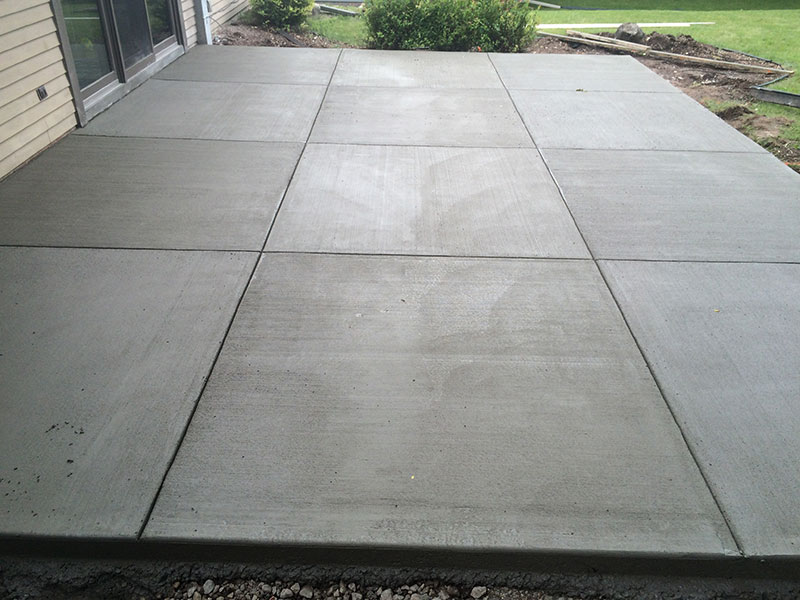
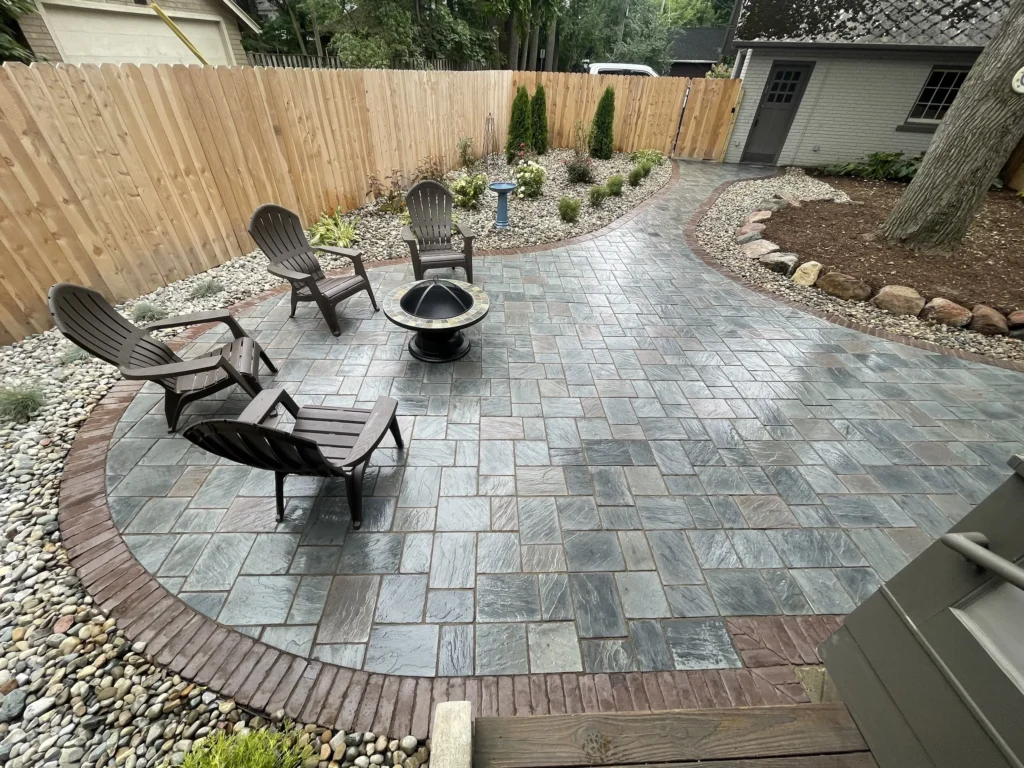
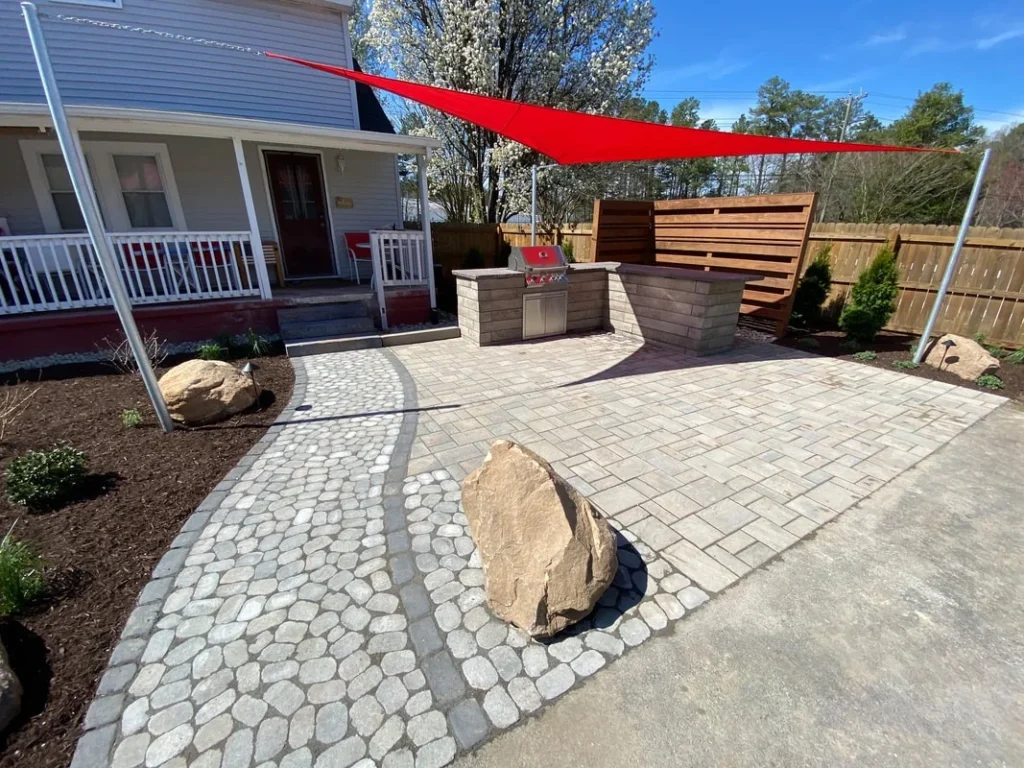
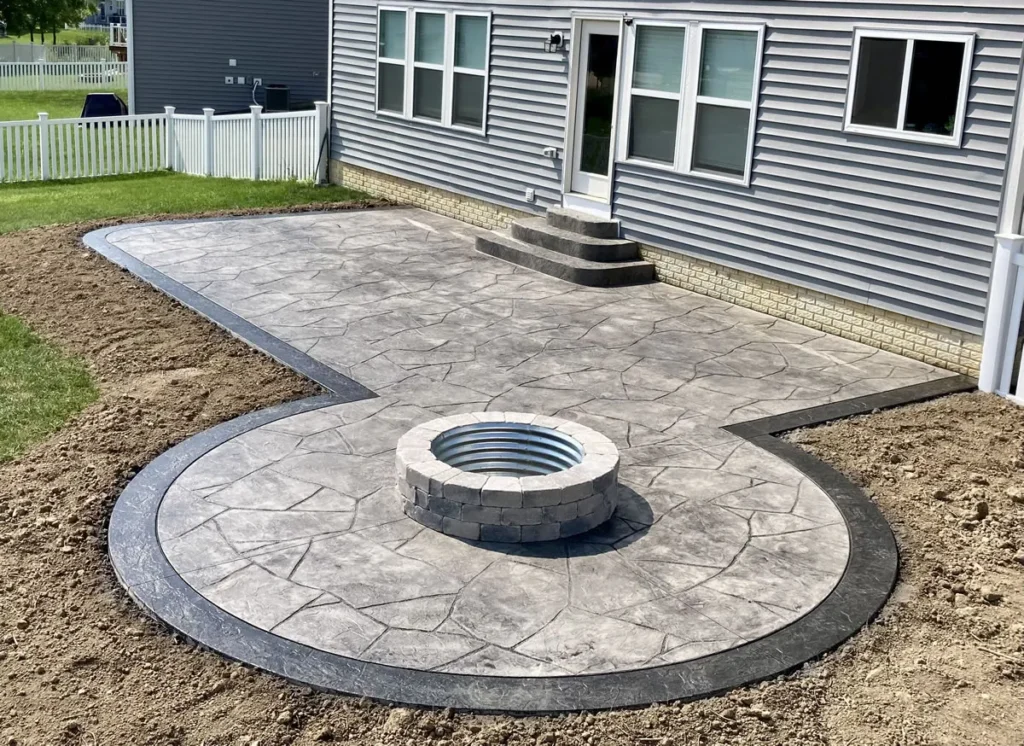
Our Patio Installation Process
1. Initial Consultation & Goals
We discuss your outdoor space goals, preferred materials, budget parameters, and how you plan to use the patio.
2. Site Evaluation
Installers evaluate your yard including soil conditions, drainage patterns, sun exposure, access for equipment, and existing landscaping.
3. Design & Scope Definition
Installers create patio design showing dimensions, material specifications, drainage plan, and integration with existing landscape features.
4. Contractor Matching
We connect you with experienced, insured patio installers. You receive multiple detailed quotes comparing materials, approaches, and pricing.
5. Permits & Construction
If required, installers obtain permits and utility clearances. They schedule work and order materials.
6. Final Inspection & Walkthrough
Installers review completed work, demonstrate proper care and maintenance, and address any questions. You receive guidance on sealing schedules and long-term care.
Patio Installation in Spanish Springs — What Homeowners Should Know
Housing Styles and Development Patterns
Spanish Springs has experienced substantial growth since 2000, with most homes built between 1995 and the present day. The community is characterized by single-family residences on larger lots compared to central Reno or Sparks, with many neighborhoods featuring spacious yards that accommodate RV parking, boat storage, and outdoor living spaces. Housing styles range from entry-level suburban homes in communities like Sky Ranch to custom properties in areas like Wingfield Springs near Red Hawk Golf & Resort. Most homes are wood-frame construction on concrete slab foundations, typical of modern Nevada suburban development.
Lot Sizes and Zoning Considerations
Spanish Springs properties generally offer more generous lot sizes than you’ll find in older Reno neighborhoods, which provides flexibility for patio installations. However, setback requirements still apply, and homeowners should verify their property lines before planning any hardscape projects. Some neighborhoods have homeowner association guidelines that address outdoor structures, materials, and design elements. If your property is part of an HOA, architectural committee approval may be required before starting your patio project, so checking these requirements early can help avoid delays.
Permitting Authority and Approval Process
As an unincorporated area of Washoe County, Spanish Springs falls under county jurisdiction for building permits. Patios that remain at grade level (less than 30 inches above the ground) and don’t include covers or roofs typically don’t require permits. However, covered patios, raised patios, or projects that involve electrical work will generally need permits from the Washoe County Building Program. The permitting process involves submitting plans and may require review by multiple county departments. Working with contractors familiar with local procedures can streamline this process considerably.
Climate Impacts on Materials and Construction
Spanish Springs sits at approximately 4,500 feet elevation in Nevada’s high desert, experiencing hot, dry summers with temperatures regularly reaching the low-to-mid 90s, and cold winters where temperatures can drop into the 20s. The area receives minimal precipitation—around 8 inches annually—with occasional winter snow. This climate influences material selection in several ways. Concrete can experience thermal expansion and contraction, making proper control joints important. Pavers offer some advantages in managing temperature fluctuations since individual units can shift slightly without cracking. UV exposure is intense year-round, which affects certain materials and finishes over time. The dry climate and temperature swings also mean proper base preparation is crucial for long-term stability.
Soil Conditions and Base Preparation
The Spanish Springs area features typical high desert soil composition with caliche (a hardened calcium carbonate layer) common beneath the surface in some locations. Proper excavation and base preparation are essential for patio longevity. Most installations require removing existing soil to a depth of 6-8 inches, then installing a compacted gravel base with appropriate drainage considerations. In areas where caliche is present, additional excavation effort may be needed. The expansive clay soils found in some parts of the region can shift with moisture changes, making proper drainage and base compaction even more important.
HOA Considerations in Established Neighborhoods
Communities like Wingfield Springs, Pyramid Ranch, and Sky Ranch often have architectural review requirements. These may include restrictions on materials, colors, height limitations, or design guidelines intended to maintain neighborhood aesthetics. Some HOAs require formal application processes with drawings or photos of proposed work. Timeline for approvals varies, but homeowners should factor in several weeks for review in most cases. Working with contractors experienced in your specific neighborhood can help ensure your design meets local guidelines.
Patio Installation Costs in Spanish Springs
Typical Project Cost Ranges
Patio installation costs in Spanish Springs vary based on materials, size, and design complexity. Below are general ranges for common patio types:
| Patio Type | Cost Range (per sq ft) | 200 sq ft Patio | 400 sq ft Patio |
|---|---|---|---|
| Basic Concrete (broom finish) | $8 – $12 | $1,600 – $2,400 | $3,200 – $4,800 |
| Stamped/Decorative Concrete | $12 – $18 | $2,400 – $3,600 | $4,800 – $7,200 |
| Concrete Pavers | $15 – $25 | $3,000 – $5,000 | $6,000 – $10,000 |
| Natural Stone Pavers | $20 – $35 | $4,000 – $7,000 | $8,000 – $14,000 |
| Covered Patio (addition) | $2,000 – $8,000 | Additional cost depending on size and materials |
These figures represent complete installed costs including materials, labor, base preparation, and standard site work. Actual costs will vary based on your specific property conditions and project requirements.
Key Factors That Influence Pricing
Several variables affect the final cost of a patio installation in Spanish Springs. Site accessibility matters—properties with limited access for equipment or materials may incur additional labor costs. The existing grade and drainage conditions influence how much excavation and base preparation work is needed. If your yard slopes significantly or has drainage issues, costs will be higher to address these conditions properly.
Material selection is obviously a major cost driver. Basic concrete offers the most economical option, while natural stone represents the premium end of the spectrum. Pavers fall in the middle range but offer advantages in terms of repairability and design flexibility. Pattern complexity also affects labor costs—intricate designs require more time and precision than simple layouts.
The current condition of your yard matters too. If there’s existing hardscape that needs removal, vegetation that requires clearing, or sprinkler lines that need relocation, these will add to your total project cost. Projects that require coordination with other trades, such as electricians for lighting or gas fitters for fire features, will naturally involve additional expense.
Spanish Springs-Specific Considerations
Spanish Springs’ high desert location creates some cost considerations specific to the area. Soil conditions vary throughout the community, and properties in areas with significant caliche may require more excavation labor, potentially adding several hundred dollars to project costs. The dry climate is generally favorable for construction scheduling, but summer heat can affect concrete curing and require additional measures for quality results.
Permitting costs through Washoe County are relatively straightforward, though projects requiring structural engineering for covered patios will incur those professional fees. For properties within HOA boundaries, some neighborhoods charge application or review fees, though these are typically modest.
Distance from material suppliers in Reno and Sparks is minimal, so delivery costs aren’t typically inflated. Labor rates in Spanish Springs are generally comparable to the broader Reno-Sparks area, though scheduling may be easier during off-peak seasons (fall and early spring) when contractors have more availability.
Transparent Estimates and Project Planning
Reputable contractors will provide itemized estimates that break down material costs, labor, site preparation, and any additional work. This transparency helps you understand exactly what you’re paying for and makes it easier to adjust the project scope if needed. Estimates should specify the materials by type and quality, installation methods, timeline, and warranty information.
Be cautious of unusually low bids that may indicate shortcuts in base preparation or material quality. Similarly, be wary of contractors who can’t or won’t provide detailed written estimates. The middle range of bids you receive will typically represent fair market value, assuming the contractors are all properly licensed and insured.
What Makes Our Contractor Network Different
Local Permitting Familiarity
The contractors in our network have established working relationships with Washoe County’s Building Program and understand the specific requirements for projects in Spanish Springs. They know which patio configurations require permits, what documentation the county expects, and how to navigate the submittal process efficiently. This familiarity translates to fewer delays and surprises during your project. They can also advise you honestly about what does and doesn’t need formal approval, helping you make informed decisions about your design.
Knowledge of Neighborhood Housing Styles
Spanish Springs encompasses several distinct neighborhoods, each with its own character and common architectural themes. Contractors familiar with the area understand these local patterns—whether it’s the contemporary aesthetic common in newer Sky Ranch homes or the more established look of Wingfield Springs properties. This local knowledge helps ensure your patio design complements your home’s style and fits appropriately within the neighborhood context. They’ve worked on similar homes and understand what designs tend to work well with local housing types.
Climate-Appropriate Construction Experience
Building outdoor structures in Nevada’s high desert requires understanding how materials perform in intense sun, low humidity, and significant temperature swings. The contractors we connect you with have years of experience working in these conditions. They know how to properly prepare bases for our soil types, which concrete mix designs cure well in our climate, and how to detail projects for long-term durability. They understand the importance of proper drainage in an area where occasional heavy rainstorms can overwhelm inadequate systems, and they know how to build patios that will maintain their appearance and integrity through many seasons of extreme weather.
Established Relationships with Local Suppliers
Contractors who regularly work in Spanish Springs have developed relationships with material suppliers in the Reno-Sparks area. These relationships can benefit you through reliable material availability, consistent quality, and sometimes better pricing than one-off purchases. When you work with an established local contractor, you’re also benefiting from their ability to quickly source materials and address any material-related issues that might arise during construction. They know which local suppliers stock quality products and stand behind their materials.
Accountability and Ongoing Availability
One advantage of working with local contractors is their continued presence in the community after your project is completed. They maintain their reputation through quality work and service, which creates a strong incentive for customer satisfaction. If you have questions after installation or need occasional guidance on maintenance, you’re working with someone accessible and invested in their local standing. This ongoing accountability provides peace of mind that’s harder to find with contractors who work primarily outside the area or focus on quick one-time projects.
Licensed & Insured Contractors Only
Every contractor in the Reno Home Remodel network maintains active Nevada contractor licensing and carries appropriate insurance coverage. We verify these credentials before making referrals, which protects you from the liability and quality risks associated with unlicensed work. Nevada contractor licenses indicate that the contractor has demonstrated competency in their trade and maintains bonding and insurance as required by state law. This verification step provides an important layer of protection and confidence as you move forward with your project.
Let's Start Your Patio Installation in Spanish Springs!
Imagine having your own outdoor room where you can eat dinner under the stars, host BBQs with friends, or just relax with morning coffee. We connect families with honest, skilled patio contractors who make that dream real.
Need Help?
Frequently Asked Questions About Patio Installation in Spanish Springs
Below are some of the most common questions Our Network get from families about Patio remodel. If you have any other questions contact us!
How long does patio installation take?
Most patios install in 3-7 days depending on size and material. Concrete patios require 3-5 days including curing time. Paver and stone patios typically take 3-7 days. Site preparation, weather, and complexity affect timeline.
How long do patios last?
Properly installed patios last decades. Concrete patios: 25-50+ years. Pavers: 30-50+ years with minimal maintenance. Natural stone: 50+ years. Lifespan depends on installation quality, maintenance, and site conditions.
Do patios need maintenance?
Maintenance varies by material. Concrete patios should be resealed every 3-5 years. Paver patios need occasional joint sand replenishment and cleaning. Stone patios benefit from periodic sealing. All patios need occasional cleaning and weed control in joints.
When is the best time to install a patio?
Spring through fall offers ideal conditions in Reno. Summer heat doesn’t prevent installation but affects concrete curing. Winter installation is possible during mild periods but not ideal. Most homeowners install spring or early fall for completion before peak outdoor season.
Talk to a Patio Installer in Spanish Springs
Whether you’re in Sky Ranch, Wingfield Springs, along Calle De La Plata, or anywhere else in the Spanish Springs area, connecting with the right contractor makes all the difference in how your patio project unfolds. The contractors in our network understand local conditions, work regularly with Washoe County’s building department, and have completed numerous projects throughout neighborhoods near Red Hawk and Eagle Canyon. We’re here to connect you with professionals who can evaluate your property, discuss design options, and provide transparent pricing—all with no pressure and no obligation on your part.