
Professional Landscaping Contractors in Sparks, NV
Looking for a landscaping contractors in Sparks? Want a yard that makes you smile every time you come home? We help families find the right landscape contractor — someone who really cares about your outdoor space and treats it like their own.
Popular Landscaping Services in Sparks
Our Landscaping Project Process
1. Initial Consultation & Goals
We discuss your landscape goals, preferred style, water conservation priorities, budget, and how you use your outdoor space.
2. Site Evaluation
Contractors visit to evaluate your property including sun exposure, drainage, soil conditions, existing plants, irrigation systems, and property constraints.
3. Design & Scope Definition
Contractors create landscape plans showing plant placement, hardscape elements, irrigation design, and material specifications. Designs consider Reno's climate and water efficiency.
4. Contractor Matching
We connect you with experienced, licensed landscaping contractors. You receive multiple detailed proposals comparing designs, materials, and pricing.
5. Permits & Construction
Work proceeds in phases:Site clearing and preparation Grading and drainage work Irrigation system installation Hardscape construction Soil preparation and amendment Planting installation Mulch and finishing touches System testing and adjustment
6. Final Inspection & Walkthrough
All work is inspected for code compliance, followed by a final walkthrough to ensure everything meets expectations before project completion.
Let's Start Your Landscape Project Today!
You deserve an outdoor space that makes you proud. Whether you need weekly maintenance, a complete yard makeover, or anything in between, we’ll connect you with Reno’s best landscaping professionals.
Landscaping in Sparks — What Homeowners Should Know
High Desert Climate and Growing Conditions
Sparks sits in the high desert at approximately 4,400 feet elevation, creating specific challenges and opportunities for landscaping. The area receives only 7-8 inches of precipitation annually, with hot, dry summers reaching the mid-90s and cold winters dropping below freezing. This climate makes water-efficient landscaping not just environmentally responsible but economically smart for homeowners.
Northern Nevada’s semi-arid climate features intense sun exposure, low humidity, temperature extremes from below 20°F to above 95°F, and unpredictable precipitation patterns. Traditional grass lawns require substantial irrigation during the summer months—often the single largest water expense for Sparks homeowners. Water-smart landscaping using drought-tolerant plants, efficient irrigation, and xeriscape principles can reduce outdoor water use by 30-70% while creating attractive, low-maintenance yards.
The Truckee Meadows’ clay-rich soils present additional considerations. These soils hold moisture longer than sandy soils but drain poorly, requiring amendments with organic matter like compost to improve drainage and plant health. Understanding your soil’s characteristics is essential for selecting appropriate plants and designing effective irrigation systems.
Water Conservation and Xeriscape Principles
Water conservation is a priority throughout Northern Nevada, and Sparks homeowners increasingly embrace xeriscape landscaping—not “zeroscaping” with bare rock and minimal plants, but thoughtfully designed landscapes using drought-tolerant plants, efficient irrigation, and sustainable practices. The term “xeriscape” comes from the Greek word “xeros” meaning dry, combined with landscape.
Successful xeriscape design incorporates seven key principles: planning and design focused on water conservation and aesthetics, soil improvement through organic amendments, limited turf areas sized for actual use rather than tradition, drought-tolerant plant selection grouped by water needs (hydrozones), efficient irrigation with drip systems and smart controllers, mulching to reduce evaporation and improve soil quality, and appropriate maintenance practices.
Plants native to Northern Nevada or similar high desert climates (Idaho, Utah, Colorado) typically perform best in Sparks. Native plants are climate-adapted to hot, dry summers and freezing winters, requiring minimal supplemental water once established. However, being native doesn’t automatically mean low-water—some natives like aspen trees require substantial moisture and aren’t appropriate for water-efficient landscapes.
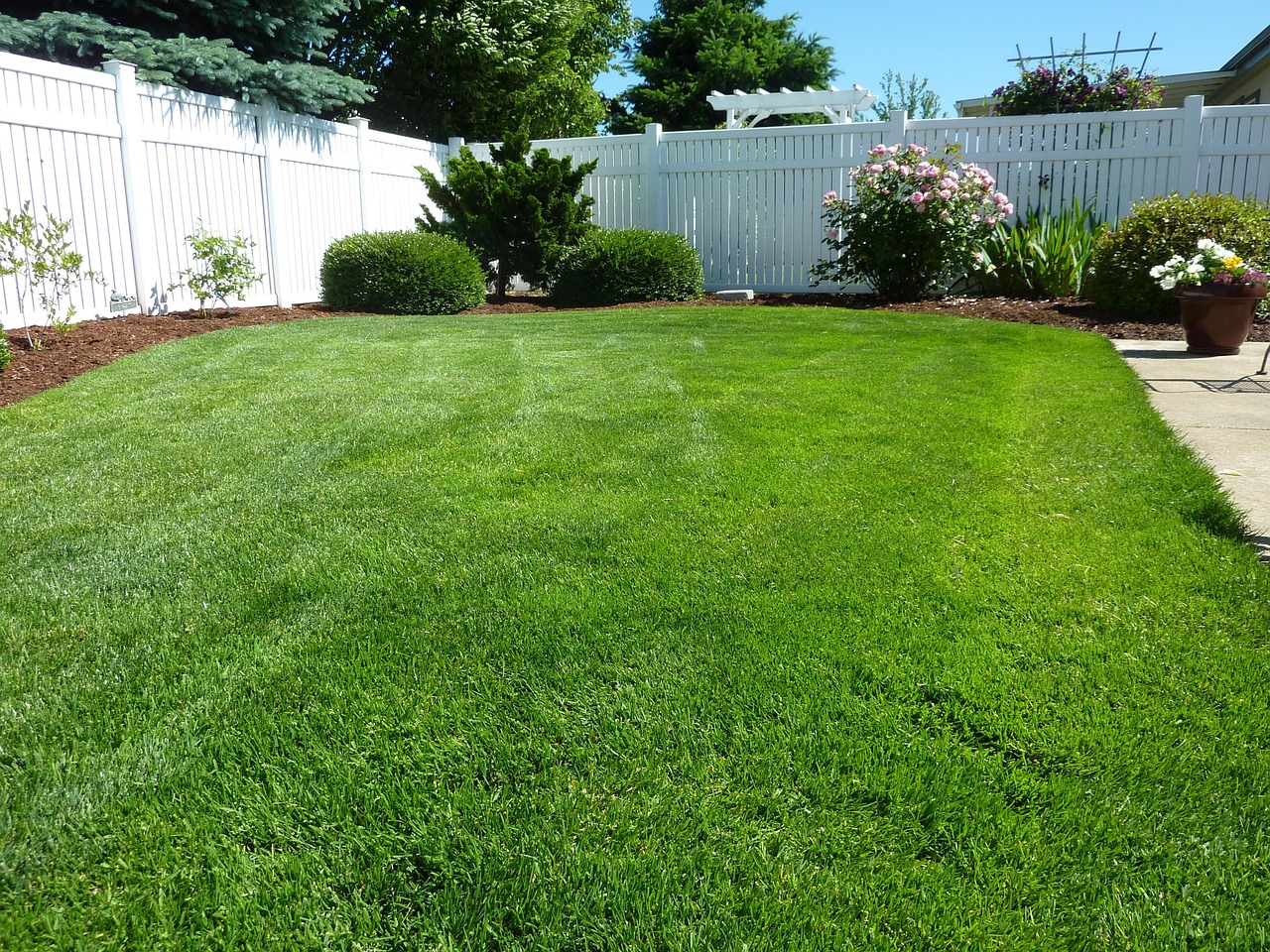
Turf grass can be part of water-smart landscaping when sized appropriately. Rather than covering entire yards with thirsty grass, consider functional lawn areas for children’s play, pet use, or visual cooling, then surround these spaces with drought-tolerant plants and hardscaping. New irrigation technologies like subsurface systems and smart controllers make lawn watering more efficient when turf is desired.
City of Sparks Regulations and Requirements
The City of Sparks Building and Safety Division handles permits for landscape-related construction including retaining walls, drainage structures, and significant grading. While basic landscape installation typically doesn’t require permits, projects involving structures, drainage changes, or significant earthwork may need approval.
Many Sparks neighborhoods, particularly planned communities like Wingfield Springs, Spanish Springs subdivisions, and D’Andrea, have homeowners associations with landscape requirements. Some HOAs mandate water-efficient landscaping, specify approved plant lists, require front yard maintenance standards, or limit turf grass percentages. Understanding your HOA’s requirements before designing your landscape prevents costly mistakes and delays.
City of Sparks regulations also address water runoff and drainage. All irrigation water should be retained on-site rather than running into streets or neighboring properties. Properties may need swales, catch basins, or drainage systems to manage water appropriately, particularly on sloped lots.
Neighborhood Characteristics and Property Types
Sparks encompasses diverse neighborhoods with different landscaping needs and opportunities. Spanish Springs features newer developments on larger lots, often with natural desert surroundings that inspire xeriscape designs. Wingfield Springs near the golf course has established landscaping with mature trees and more traditional aesthetic expectations. Victorian Square offers older homes with smaller lots where space-efficient design matters.
Properties throughout Sparks range from compact urban lots to spacious suburban parcels. Lot size affects landscape design approaches—smaller yards may benefit from vertical gardens and carefully selected focal plants, while larger properties can incorporate expansive xeriscape gardens, multiple outdoor living zones, and functional turf areas.
Understanding your property’s sun exposure, drainage patterns, and microclimates helps create landscapes that work with natural conditions rather than fighting them. South and west exposures receive intense sun requiring heat-tolerant plants, while north-facing areas stay cooler and retain moisture longer.
Growing Season and Maintenance Considerations
Sparks’ growing season typically runs from late April through October, with the last spring frost around mid-May and first fall frost in late September to early October. This relatively short season influences plant selection and planting timing. Many drought-tolerant perennials, shrubs, and trees need establishment time before winter, making spring and early summer ideal for major landscape installations.
All landscapes require some maintenance, including water-efficient xeriscapes. While drought-tolerant landscapes need less water and mowing than traditional lawns, they still benefit from seasonal pruning, weed control, mulch refreshment, and irrigation system maintenance. Setting realistic expectations about maintenance requirements helps homeowners choose appropriate landscape styles for their lifestyle and available time.
Landscaping Costs in Sparks
Typical Project Cost Ranges
| Project Scope | Estimated Cost Range |
|---|---|
| Small yard basic design (400 sq ft) | $3,500 – $7,000 |
| Medium yard standard landscaping (1,500 sq ft) | $10,000 – $22,000 |
| Large yard premium design (3,000+ sq ft) | $25,000 – $60,000 |
| Standard xeriscape installation | $5,000 – $12,000 |
| Premium xeriscape with features | $12,000 – $30,000 |
| Deluxe xeriscape with hardscaping | $30,000 – $75,000+ |
These ranges reflect typical landscaping projects in Sparks and include design, materials, plants, irrigation, and installation labor. Actual costs depend on specific project factors, property size, and desired features.
Design and Planning Costs
Professional landscape design ensures your investment delivers lasting results. Basic design services for smaller yards typically cost $500-2,500, including site evaluation, design sketches, and plant recommendations. Mid-range design for medium properties runs $3,000-8,000 with detailed plans, grading specifications, and irrigation layouts. High-end landscape architecture for larger or complex properties can exceed $10,000, providing comprehensive plans, material specifications, and construction documents.
Many Sparks landscape contractors include basic design services with installation projects, while others charge separately for design work. Investing in quality design upfront prevents costly mistakes and creates cohesive, functional outdoor spaces that enhance property value.
Xeriscape vs. Traditional Landscaping Costs
Initial installation costs for xeriscape and traditional landscaping can be comparable, though long-term expenses differ dramatically. A standard xeriscape installation starting around $5,500 might include drought-tolerant plants, rock or decomposed granite mulch, and drip irrigation. Premium xeriscape at $12,500 adds dry creek beds, diverse shrub selections, and accent boulders. Deluxe projects starting at $30,000 incorporate paver walkways, landscape lighting, and custom hardscaping features.
Traditional landscaping with sod, conventional plants, and spray irrigation might have similar or slightly lower initial costs but requires substantially more water, fertilizer, and maintenance over time. Many Sparks homeowners find xeriscape delivers better long-term value through reduced water bills and lower maintenance requirements.
Key Cost Factors
Property size is the primary cost driver—larger areas require more materials, plants, and labor. Soil conditions affect costs significantly. Sparks’ clay soils often need amendment with compost or planting mix to improve drainage and plant health. Poor soil quality requiring extensive amendment increases material and labor expenses.
Site accessibility affects costs. Properties with narrow gates, limited equipment access, or challenging terrain may require more hand work, increasing labor expenses. Existing landscaping removal and disposal adds costs if your project involves replacing old plants, removing turf, or hauling away rock or debris.
Plant selection influences both initial and long-term costs. Large specimen trees and mature shrubs cost more upfront but provide immediate visual impact. Smaller plants cost less initially but take years to reach full size. Rare or specialty plants typically cost more than common drought-tolerant varieties.
Irrigation system complexity affects pricing. Basic drip irrigation for xeriscape beds costs less than comprehensive systems with multiple zones, smart controllers, and spray irrigation for turf areas. Quality irrigation components designed for efficiency cost more initially but reduce water waste and maintenance issues.
Hardscaping elements like patios, walkways, retaining walls, fire pits, or water features substantially increase project costs but also extend usable outdoor living space and enhance property value.
Sparks-Specific Considerations
Many Sparks neighborhoods have HOAs requiring architectural approval for landscape changes. Factor approval timeline (typically 2-4 weeks) into project scheduling. Some HOAs have specific requirements that affect design choices and costs.
The construction season in Sparks runs primarily spring through fall. Summer heat can stress newly planted materials, making spring and fall ideal for installation. Winter projects are possible but may face weather delays.
Spanish Springs properties often feature larger lots allowing expansive xeriscape designs that maximize water savings. Wingfield Springs neighborhoods near the golf course may have specific aesthetic standards affecting plant and material selections. Properties in older Sparks neighborhoods might require more existing landscaping removal and soil amendment.
Understanding Your Estimate
Quality landscape contractors provide detailed written estimates breaking down design fees, materials with specific plant varieties and quantities, irrigation components, hardscaping elements, soil amendments, labor for installation and cleanup, and warranty terms. The estimate should specify plant sizes, irrigation system details, hardscape materials, and realistic project timeline.
Be cautious of estimates significantly lower than others—they may use inferior materials, smaller plants, inadequate irrigation, or insufficient soil preparation. Ask contractors specifically about their plant selections for Sparks’ climate, irrigation efficiency provisions, and warranty coverage for plant establishment.
Good contractors explain their approach to water efficiency, how they’ll prepare Sparks’ clay soils for optimal drainage, and what maintenance the landscape will require. They should also clarify warranty terms—most quality contractors warranty plant establishment for at least one growing season when homeowners follow maintenance guidelines.
What Makes Our Contractor Network Different
Deep Understanding of High Desert Landscaping
Contractors in our network have extensive experience creating landscapes that thrive in Sparks’ high desert climate. They understand which plants perform well in intense sun, freezing winters, and minimal rainfall. They know how to design irrigation systems that deliver water efficiently without waste, and how to amend clay soils for optimal plant health.
This climate-specific expertise matters because contractors from more temperate regions often don’t recognize the unique challenges of Northern Nevada landscaping. Plants that thrive elsewhere may fail in Sparks’ conditions, and irrigation approaches successful in humid climates waste water in the desert.
Expertise in Water-Efficient Xeriscape Design
Our contractors specialize in xeriscape landscaping that conserves water while creating beautiful, functional outdoor spaces. They understand the seven xeriscape principles and apply them thoughtfully rather than simply covering yards with rock and minimal plants. They create attractive gardens with diverse plant selections, appropriate turf areas, efficient irrigation, and sustainable practices.
They can design xeriscapes ranging from traditional desert aesthetics to lush, colorful gardens that happen to use minimal water. This design flexibility ensures your landscape reflects your preferences while conserving resources.
Familiarity with City of Sparks Requirements
Our contractors work regularly throughout Sparks and understand local regulations, common HOA requirements in various neighborhoods, and permitting needs for projects involving structures or drainage. This local knowledge prevents delays and ensures projects meet all applicable standards.
They also understand the building code requirements that apply when landscape projects include retaining walls, substantial grading, or drainage structures, ensuring these elements are designed and built correctly.
Experience Across Sparks Neighborhoods
Whether your property is in Spanish Springs, Wingfield Springs, D’Andrea, Victorian Square, Cimarron, or any other Sparks neighborhood, our contractors have worked throughout the area. They understand the different characteristics across these communities—from newer developments with specific HOA standards to established neighborhoods with mature trees and existing drainage patterns.
This neighborhood familiarity helps them design landscapes appropriate for each area’s character and requirements.
Commitment to Sustainable Practices
Our contractors emphasize sustainable landscaping practices that benefit both homeowners and the environment. They prioritize native and climate-adapted plants, design efficient irrigation systems that minimize water waste, recommend organic soil amendments that improve long-term soil health, and create landscapes that require minimal fertilizers and pesticides.
This commitment to sustainability aligns with Sparks homeowners’ increasing interest in environmental responsibility and water conservation.
Licensed & Insured Contractors Only
Every contractor in our network maintains active Nevada state contractor licenses and carries appropriate liability insurance and workers’ compensation coverage. We verify these credentials before making referrals. This protects you from liability if someone is injured during construction and ensures you’re working with properly qualified professionals.
For projects involving irrigation systems, proper licensing ensures contractors understand plumbing codes, backflow prevention requirements, and water-efficient design principles mandated by water authorities.
Need Help?
Frequently Asked Questions About Landscaping in Sparks
Below are some of the most common questions Our Network get from families about landscaping. If you have any other questions contact us!
How long does landscape installation take?
Timeline varies by scope. Small front yard xeriscape: 3-7 days. Complete backyard landscape: 1-3 weeks. Large custom landscapes: 3-6 weeks. Design development, permits, and plant availability add time before installation begins.
What plants work best in Reno?
Native and adapted drought-tolerant plants suited to Zone 6b-7a perform best. Sagebrush, rabbitbrush, penstemon, pinyon pine, and junipers are excellent choices. Avoid plants requiring acidic soil or excessive water. Consult with contractors for specific recommendations.
How much water does landscaping use?
Varies dramatically by plant selection. Traditional lawns: very high water use. Xeriscape with native plants: 50-75% less water. Established drought-tolerant landscapes require minimal supplemental irrigation. Smart controllers optimize water use based on weather.
When is the best time for landscaping in Reno?
Spring (April-May) and fall (September-October) optimal for planting—moderate temperatures, less heat stress. Irrigation installation and hardscape work possible spring through fall. Winter limits planting but allows hardscape construction during mild periods.
Talk to a Landscaping Contractor in Sparks
Whether you’re creating a new water-smart xeriscape, updating traditional landscaping for better efficiency, installing outdoor living spaces, or refreshing your yard’s appearance, connecting with the right contractor ensures your landscape thrives in Sparks’ high desert climate while conserving water and reducing maintenance. Local professionals understand Northern Nevada’s unique conditions—the limited rainfall, temperature extremes, clay soils, and water conservation priorities that define successful landscaping in this region.