
Professional Pool Contractors in Stead, NV
Looking for trusted Swimming Pool Builders in Stead? We connect families with expert pool contractors who turn ordinary backyards into extraordinary outdoor resorts!
Popular Pool Services in Stead
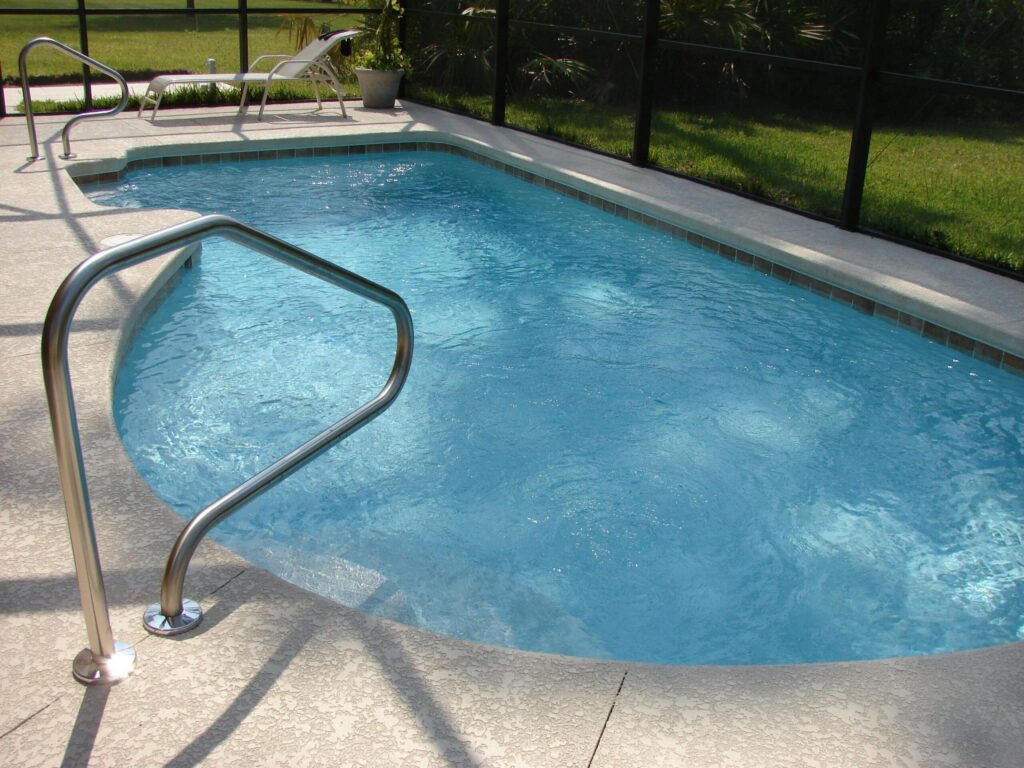
Custom Pool Design
Professional designers work with you to create the PERFECT pool for your family and your yard.
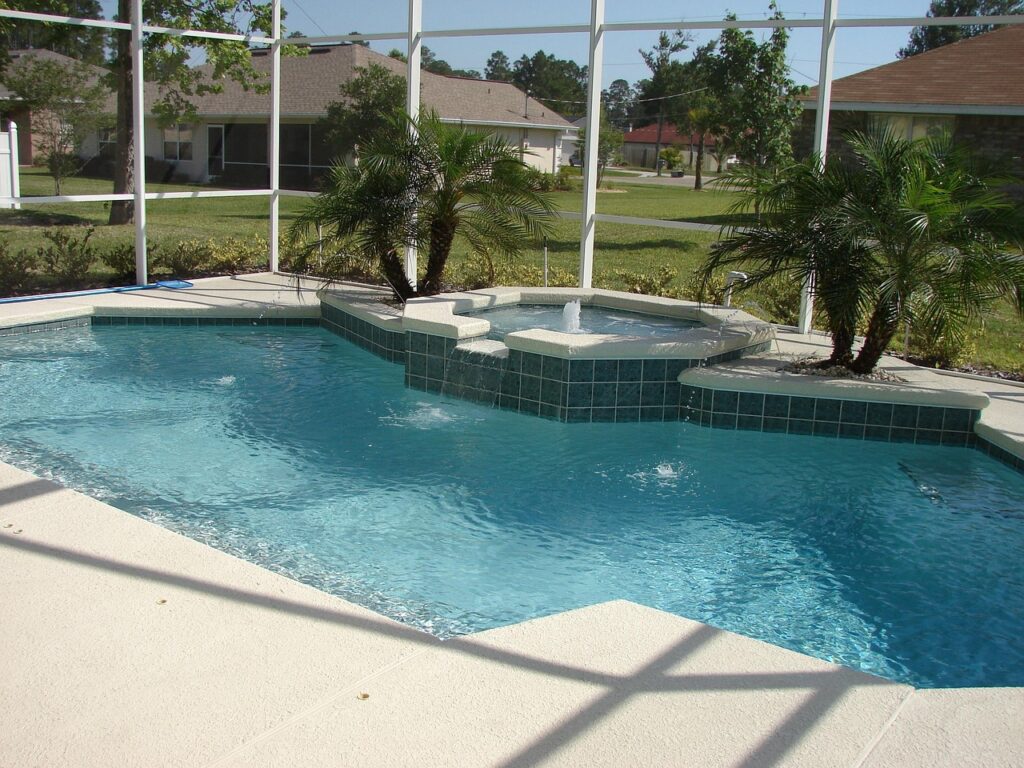
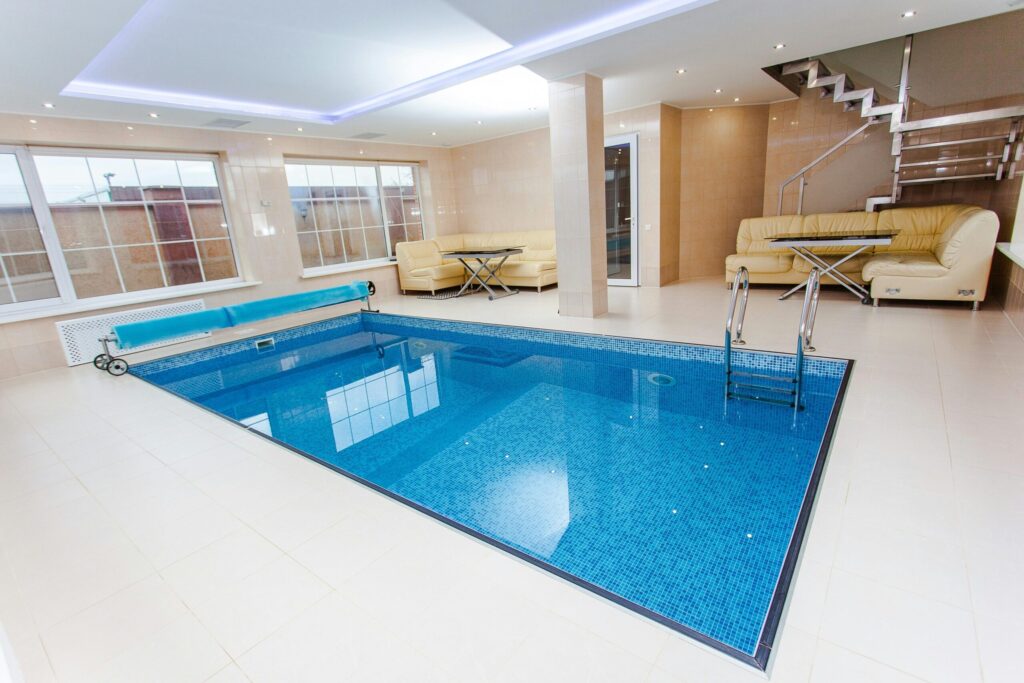
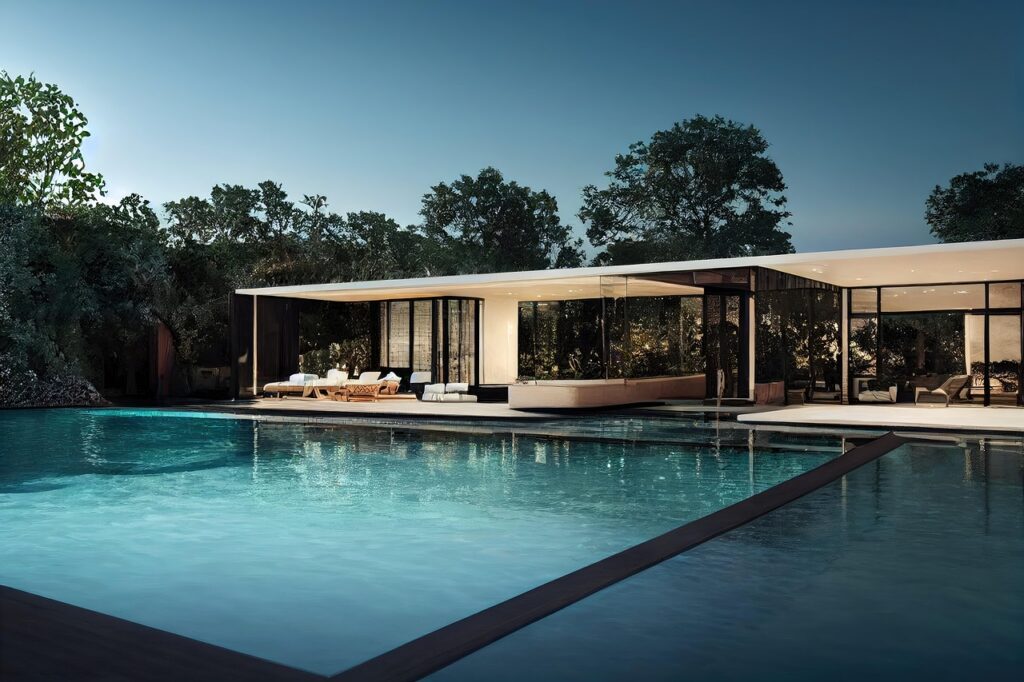
Our Pool Construction Process
1. Initial Consultation & Goals
We discuss your pool vision, budget, intended use, and property characteristics. Understanding your goals helps match you with appropriate pool contractors.
2. Site Evaluation
Contractors visit to assess your property including yard size and slope, soil conditions, sun exposure, access for equipment, utility locations, and drainage.
3. Design & Scope Definition
Contractors create pool designs showing shape, size, depth, equipment placement, and integration with outdoor space. Engineering addresses structural requirements and site-specific conditions.
4. Contractor Matching
We connect you with experienced, licensed pool contractors. You receive multiple detailed proposals comparing designs, materials, features, and pricing.
5. Permits & Construction
Work proceeds in phases:Excavation and site preparation Plumbing and electrical rough-in Steel installation (gunite) or shell placement (fiberglass/vinyl) Gunite application (if applicable) Equipment installation Decking and coping Tile and finishing Fill and startup
6. Final Inspection & Walkthrough
All work undergoes required inspections. Contractors provide equipment operation training, chemical maintenance guidance, and winterization procedures specific to Reno's climate.
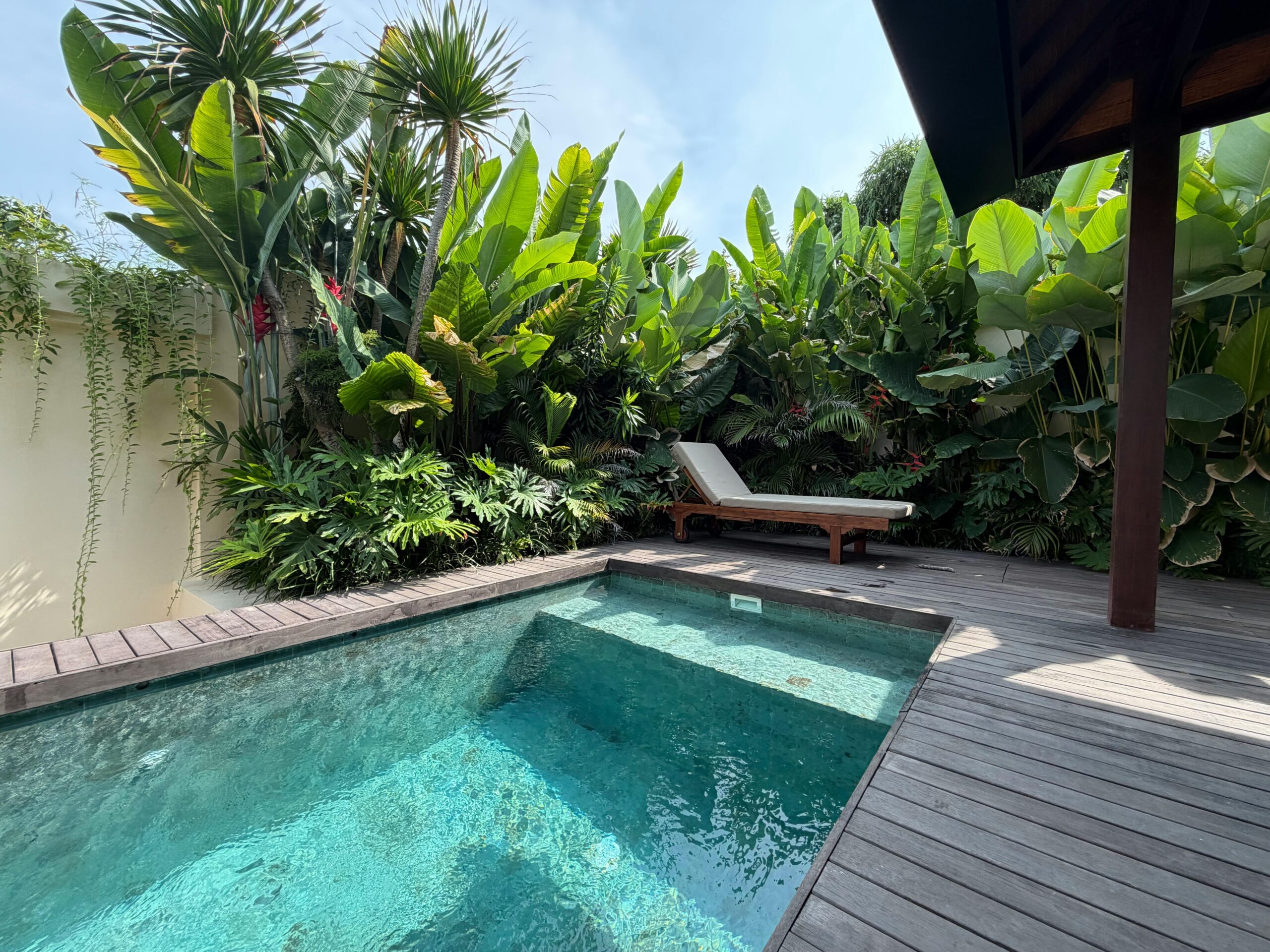
Pool Construction in Stead — What Homeowners Should Know
Understanding Stead’s Location and Jurisdiction
Stead sits in the North Valleys area of Reno, approximately 15 minutes north of downtown, at an elevation of just over 5,000 feet. While Stead is part of the City of Reno, it maintains its own distinct character as a developing suburban community near Reno-Stead Airport. For building permits and pool construction, homeowners work through the City of Reno’s building department rather than Washoe County, though some properties in the broader North Valleys area may fall under county jurisdiction. Verifying your specific jurisdiction before beginning the permitting process helps avoid delays.
Neighborhood Development and Lot Characteristics
The area features a mix of newer construction developments with homes built primarily from the 1990s through today, alongside established neighborhoods with older properties. Many lots in Stead offer generous yard space compared to more densely developed parts of Reno, which gives homeowners flexibility when planning pool installations. Some neighborhoods have homeowners associations with their own design guidelines, setback requirements, and approval processes that run parallel to city permits. Reviewing both HOA restrictions and city codes early in the planning phase prevents unexpected complications.
Permitting Through the City of Reno
Pool construction in Stead requires permits through the City of Reno’s building department, which uses the ONE Regional Licensing and Permits online system. The process typically includes plan review, engineering approval for structural components, and multiple inspections during construction. Nevada pool contractors familiar with local permitting can help navigate plan submittal requirements, including site plans, barrier specifications, and equipment placement. The timeline for permit approval varies based on plan complexity and current review volume, so experienced contractors build appropriate lead time into project schedules.
High Desert Climate Considerations
Northern Nevada’s high desert climate significantly impacts pool design and operation. Summer temperatures regularly exceed 95°F while winter nights can drop well below freezing. The area receives minimal annual rainfall—typically under 10 inches—which creates dry conditions and intense sun exposure. These factors influence material selection, equipment sizing, and winterization planning. Pools here experience substantial evaporation during summer months, and contractors experienced with desert conditions specify appropriate covers, heating systems, and circulation equipment designed for temperature extremes and low humidity.
Soil and Foundation Considerations
Stead’s soil conditions reflect the high desert environment, with many areas featuring clay-heavy soils, variable compaction, and alkaline pH levels. Some locations may have layers of caliche—a hard, cement-like calcium carbonate deposit common in arid regions—that requires excavation planning. Washoe County and City of Reno building codes typically require geotechnical investigation for pool construction to assess soil bearing capacity and provide recommendations for structural design. Contractors familiar with Northern Nevada’s geology understand how local soil conditions affect excavation, structural engineering, and long-term stability.
Safety Barriers and Nevada Requirements
Nevada enforces specific pool barrier requirements designed to prevent accidental drownings. Pools must have barriers at least 48 inches high with limited clearance at the bottom and restricted spacing between vertical elements. Gates require self-closing and self-latching mechanisms. Alternative safety measures like power safety covers or door alarms may satisfy certain requirements. These safety features are inspected during the permitting process and must be installed before the pool can be filled. Contractors experienced with Nevada pool code ensure compliance during design rather than requiring costly modifications after installation.
Pool Construction Costs in Stead
Pool installation represents a significant investment, and costs in the Reno area reflect both national pricing trends and local factors specific to Northern Nevada. Understanding the typical cost ranges and what influences final pricing helps homeowners plan realistic budgets and make informed decisions about pool features, materials, and timing.
Typical Project Cost Ranges
| Pool Type | Typical Cost Range | Key Characteristics |
|---|---|---|
| Above-Ground Pool | $2,500 – $8,000 | Includes basic installation, pump, and filtration; limited customization |
| Vinyl Liner In-Ground | $35,000 – $65,000 | Lower initial cost; liner replacement needed every 7-10 years |
| Fiberglass In-Ground | $45,000 – $85,000 | Quick installation, low maintenance, limited shape options |
| Gunite/Concrete In-Ground | $60,000 – $120,000+ | Fully customizable, longer construction time, highest durability |
These ranges represent the pool structure, basic equipment, and standard installation. Additional features, extensive excavation, complex site conditions, or premium finishes move projects toward the higher end of each range or beyond.
Key Factors That Influence Pricing
Site Preparation Requirements: Stead’s variable terrain and soil conditions mean excavation complexity varies significantly from property to property. Sites with sloping grades, hard soil layers, or limited access for equipment require additional site work that affects labor costs. Some locations need soil removal and compaction to create stable foundations, particularly where native soils don’t meet engineering specifications.
Equipment and Heating Needs: Northern Nevada’s climate influences equipment selection and sizing. Variable-speed pumps improve energy efficiency during Reno’s long swimming season. Many homeowners add heating systems to extend usability into spring and fall when temperatures drop. Solar heating leverages the area’s abundant sunshine, while gas and electric heaters provide faster temperature control. Equipment choices significantly impact both upfront costs and long-term operating expenses.
Safety Features and Compliance: Nevada’s barrier requirements add to project costs but are non-negotiable code requirements. Fencing materials range from basic chain-link to decorative wrought iron or transparent panels. Self-closing gates, alarms, and safety covers each carry their own costs. Some homeowners integrate these safety features into overall landscape design, which affects both aesthetics and pricing.
Decking and Hardscaping: The area around the pool often represents a substantial portion of total project cost. Concrete decking provides the most economical option, while pavers, natural stone, or decorative concrete increase costs but offer enhanced aesthetics. Northern Nevada’s freeze-thaw cycles require proper installation techniques and materials suitable for temperature fluctuations. Many contractors recommend larger deck areas to accommodate furniture and circulation, which extends the usable outdoor living space but adds to the investment.
Stead-Specific Considerations That Affect Cost
Properties in newer Stead developments often have more predictable site conditions compared to established areas, which can simplify excavation and reduce unexpected costs. However, HOA requirements in some neighborhoods may mandate specific materials, colors, or design elements that influence material selection and pricing. Understanding these requirements before finalizing plans prevents costly redesigns.
Access to the backyard affects equipment delivery and material staging. Some Stead properties have side yards wide enough for excavators and concrete trucks, while others require smaller equipment or creative access solutions that can add labor time. Contractors familiar with the area’s typical lot configurations can assess access during initial site visits and factor this into estimates.
Permit fees, inspection costs, and engineering requirements add to the bottom line, though these typically represent a relatively small percentage of total project cost. Working with contractors who maintain current knowledge of City of Reno requirements helps ensure these costs are accurately projected upfront rather than discovered mid-project.
The Importance of Transparent, Itemized Estimates
Quality pool contractors provide detailed, written estimates that break down costs by category—excavation, materials, equipment, labor, permits, and features. This transparency helps homeowners understand where their money goes and makes it easier to adjust the project scope if needed. Itemized estimates also protect both parties by establishing clear expectations about what’s included and what might trigger additional charges.
Be cautious of estimates that seem significantly lower than others without clear explanation. Extremely low bids sometimes reflect incomplete scopes, substandard materials, or contractors who lack proper licensing and insurance. The investment in a quality pool installation is substantial, and selecting contractors based primarily on lowest price can lead to disappointing results or costly repairs down the road.
What Makes Our Contractor Network Different
Reno Home Remodel carefully vets the pool contractors in our network to ensure homeowners in Stead connect with professionals who bring both technical expertise and local market knowledge. We focus on contractors who demonstrate consistent quality, maintain proper credentials, and have proven track records working in Northern Nevada’s unique environment.
Deep Understanding of Local Permitting Requirements
Contractors in our network have extensive experience with the City of Reno’s permitting process and understand how to prepare complete plan sets that move through review efficiently. They know which details reviewers look for, how to address common questions proactively, and what supporting documentation helps expedite approval. This familiarity reduces delays and prevents the frustration of multiple revision cycles. They also understand the timing of inspections and schedule construction phases to align with inspection availability, keeping projects on track.
Experience with North Valleys Construction Conditions
Building pools in Stead and the broader North Valleys area requires understanding the region’s specific challenges. Our network contractors have worked with the area’s soil conditions, elevation considerations, and lot characteristics enough times to anticipate potential issues before they become problems. They can assess a Stead property and provide realistic guidance about excavation requirements, equipment access, and site preparation based on actual experience in similar neighborhoods.
Climate-Appropriate Design and Equipment Selection
Northern Nevada’s high desert climate demands different approaches than coastal or humid regions. Network contractors understand how intense sun exposure affects material selection, why proper pool covers matter in low-humidity environments, and how to size equipment for temperature extremes ranging from summer highs near 100°F to winter lows well below freezing. They specify materials that handle UV exposure without premature degradation and recommend equipment that operates efficiently despite the region’s demanding conditions.
Established Relationships with Local Suppliers and Trades
Contractors who work regularly in the Reno area have developed relationships with local suppliers, equipment vendors, and specialized subcontractors. These connections translate to several practical benefits for homeowners—better access to materials during supply constraints, competitive pricing through established accounts, and coordination with qualified electrical and plumbing professionals familiar with pool installations. Local relationships also mean faster response times if equipment needs service or replacement parts after installation.
Continued Availability After Project Completion
One advantage of working with established local contractors is their continued presence in the community after your pool is complete. If questions arise during startup, if you need guidance on winterization, or if minor adjustments are needed after the first season, locally-based contractors remain accessible. They have reputations to maintain within the Reno market and incentive to ensure long-term customer satisfaction. This ongoing accountability provides reassurance that isn’t available when working with contractors from outside the region who complete the job and move on.
Licensed & Insured Contractors Only
Every contractor in the Reno Home Remodel network maintains current Nevada contractor licensing appropriate for pool construction. We verify active licenses through the Nevada State Contractors Board and confirm that insurance coverage—both general liability and workers’ compensation—meets industry standards and protects homeowners from potential liability. This verification happens before contractors enter our network, not after homeowners have already started working with them.
Proper licensing ensures contractors have demonstrated competency in pool construction, understand applicable building codes, and maintain accountability through state oversight. Insurance protection means that if someone is injured on your property during construction, or if work causes damage, coverage responds rather than leaving you exposed. While license and insurance verification might seem like basic due diligence, the number of unlicensed or underinsured contractors working in the construction industry makes this pre-screening genuinely valuable.
Let's Start Your Pool Project in Stead!
Getting started is easy – simply reach out with details about your Pool project, and we’ll connect you with qualified, licensed contractors.
Need Help?
Frequently Asked Questions About Pool in Stead
Below are some of the most common questions our network get families about Pool. If you have any other questions contact us!
How long does pool construction take?
Timeline varies by pool type. Fiberglass: 1-2 weeks. Vinyl liner: 2-4 weeks. Gunite: 8-14 weeks depending on size and features. Weather, permits, and inspections can extend timelines. Design and permitting add 4-8 weeks before construction.
What's the best pool type for Reno's climate?
All pool types work in Reno with proper winterization. Gunite offers most design flexibility and durability. Fiberglass provides quick installation and smooth surface. Vinyl liner costs less initially but requires periodic liner replacement. Choice depends on budget, desired features, and priorities.
Can I use my pool year-round in Reno area?
Not practically without significant heating expense. Comfortable outdoor swimming season: late May through early September. Heating extends to April-October but costs substantial. Winter use requires enclosure and continuous heating—very expensive.
Do I need a fence around my pool?
Yes, building codes require barriers preventing unsupervised child access. Fence must be 4-5 feet high with self-closing, self-latching gate. House can serve as one barrier side if doors have alarms. This is a legal requirement, not optional.
Talk to a Pool Contractor in Stead
Whether you’re in the established neighborhoods near Silver Lake, the newer developments along the North Valleys corridor, or anywhere in the Stead area, connecting with the right pool contractor makes the difference between a smooth project and a frustrating experience. Reno Home Remodel’s network includes contractors who have completed successful installations throughout Lemmon Valley, Golden Valley, Cold Springs, and neighboring communities across the North Valleys region.