
Professional ADU Builders in Sun Valley, NV
Looking for a trusted ADU builders in Sun Valley ,NV? Want extra income every month? Need space for aging parents or adult kids? An ADU (Accessory Dwelling Unit) could be your answer!
Popular ADU Services in Sun Valley
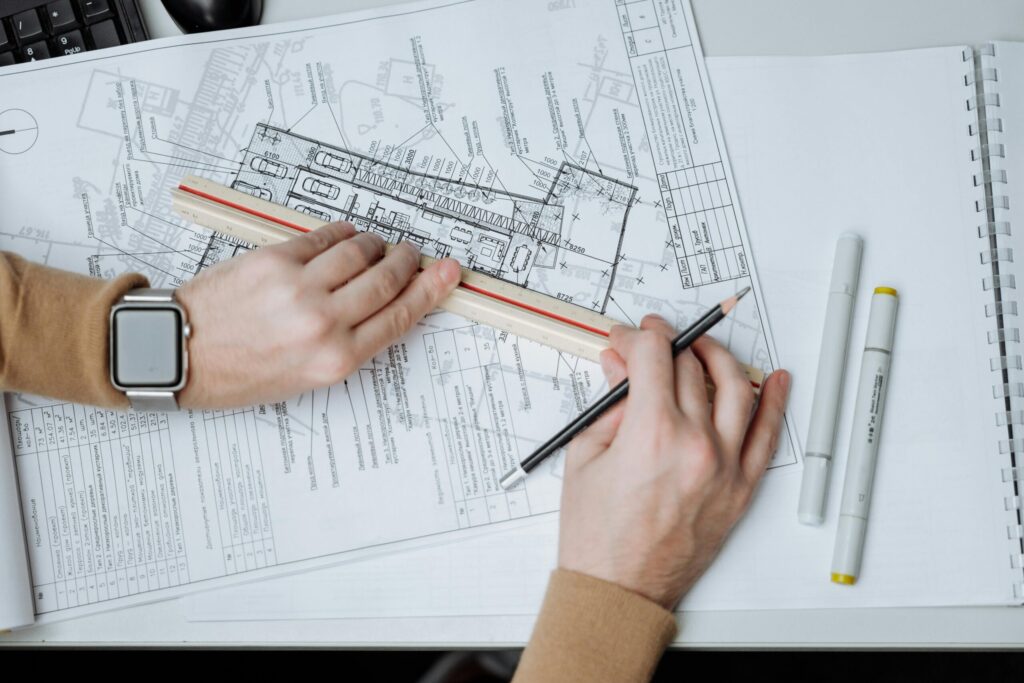
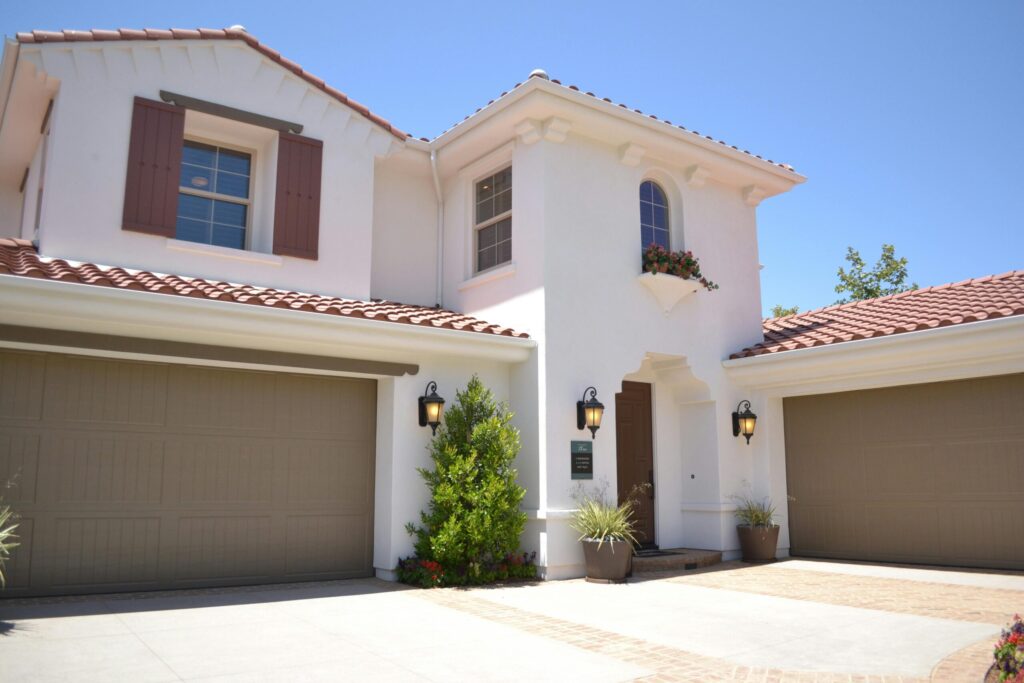
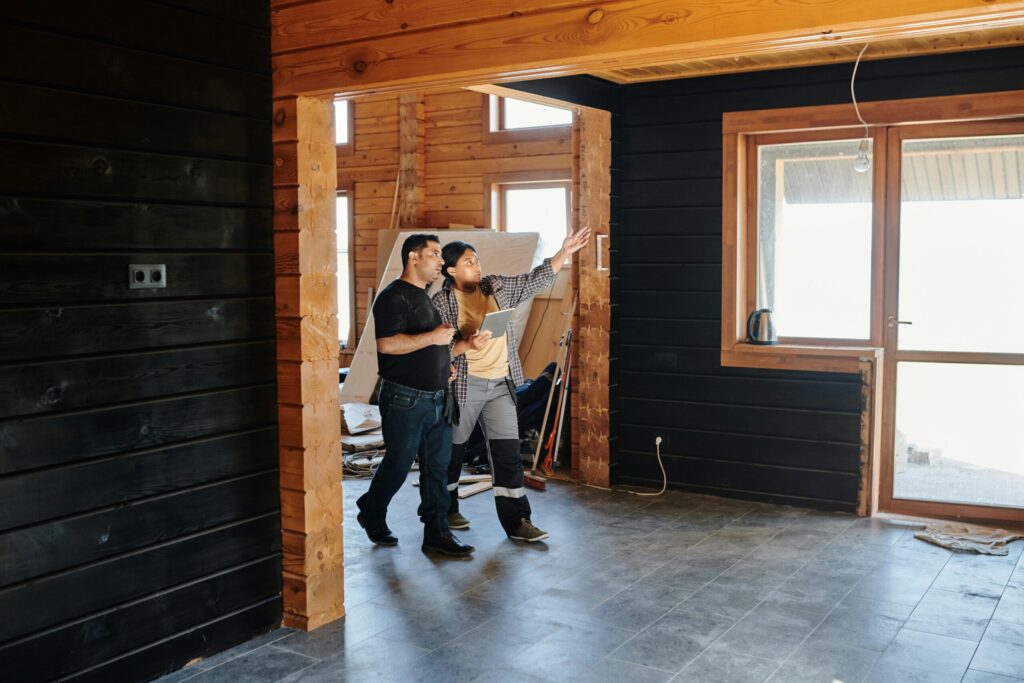
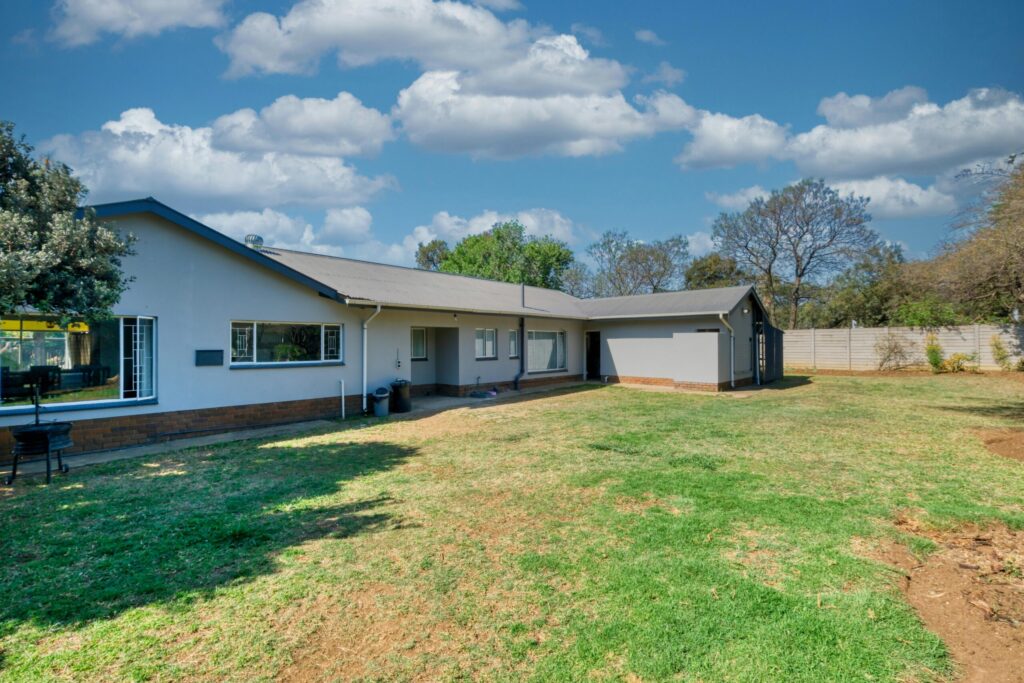
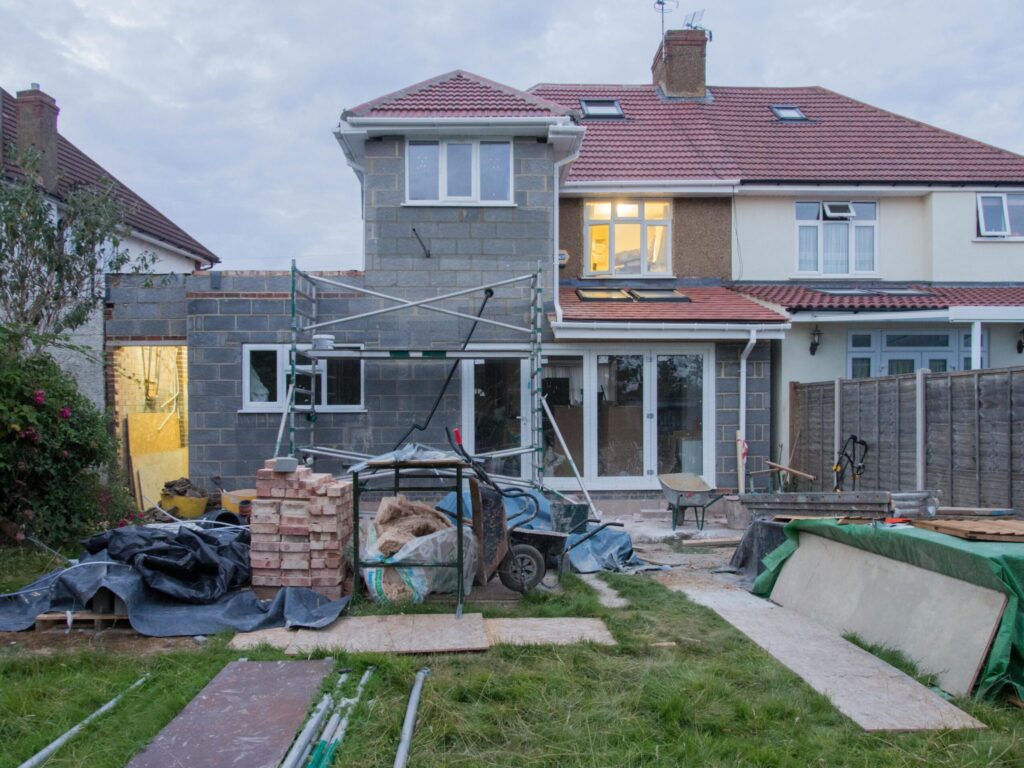

Our ADU Process
Step 1: Tell Us Your Goals
Share your ADU vision, budget, and property details through our simple online form or give us a call.
Step 2: We Match You With Local Builders
We connect you with vetted ADU contractors who have experience, understand Washoe County's permitting process, and can work with your neighborhood's characteristics.
Step 3: Get Free Design Ideas & Quotes
Receive detailed proposals and initial design concepts at no cost or obligation. Contractors will visit your property to assess lot layout, utilities, and site conditions.
Step 4: Choose Your Builder
Compare your options, review portfolios of completed ADU projects, and select the contractor who's the best fit for your project and budget.
Step 5: Navigate Permits Together
Your builder handles Washoe County permits and, if applicable, HOA architectural approvals, keeping you informed throughout the approval process.
Step 6: Watch Your ADU Come to Life
Your chosen builder handles all aspects of construction—foundation, framing, utilities, finishes, inspections, and final walk-through—while keeping you informed every step of the way.
Let's Start Your ADU Project in Sun Valley
Let’s chat about your ideas! Getting started is easy – simply reach out with details about your ADU project, and we’ll connect you with qualified, licensed contractors.

ADUs in Sun Valley — What Homeowners Should Know
A Diverse, Growing Community
Sun Valley is a census-designated place located approximately three miles north of Reno, with a current population of approximately 23,600 residents. The community offers a suburban-rural mix character with a diverse population and housing stock that includes everything from manufactured homes to traditional site-built residences. With a homeownership rate exceeding 72 percent, Sun Valley attracts families, first-time buyers, and homeowners seeking more affordable options compared to denser Reno neighborhoods. The median household income has grown significantly in recent years, reaching approximately $76,000, while median home values have increased to around $321,000. The community’s diversity is reflected in its housing types—many properties feature larger lots compared to urban Reno, with a substantial portion of homes being manufactured or mobile homes on owned land, alongside traditional stick-built homes in various subdivisions. This variety creates different opportunities and considerations for ADU construction.
Understanding Washoe County ADU Regulations
Accessory dwelling units in Sun Valley fall under Washoe County jurisdiction and must comply with the county’s ADU regulations. An ADU—sometimes called a granny flat, in-law unit, or secondary dwelling—is an additional living unit on a property with a primary residence. Washoe County allows ADUs in residential zones through an administrative review process, which is more streamlined than a full public hearing. Key regulations include that an ADU may be up to 50 percent of the size of the primary dwelling, with an overall maximum of 1,500 square feet. The minimum lot size for an ADU is 12,000 square feet. ADUs can be detached structures, attached additions, or conversions of existing structures like garages. One additional off-street parking space is typically required. Importantly, Washoe County does not restrict ADU occupancy to family members—you can rent your ADU as a long-term rental, providing both housing for the community and income for your household.
ADU Feasibility in Sun Valley
Sun Valley properties present varied opportunities for ADU construction. Many lots offer generous space compared to denser neighborhoods, providing room for detached ADUs without the constraints found in more compact areas. However, homeowners should understand that ADU feasibility depends on several factors including lot size, existing structures, setback requirements, and whether your property meets the minimum 12,000-square-foot requirement. Properties with manufactured or mobile homes as the primary dwelling can add ADUs, though contractors must carefully evaluate how to calculate the size limitation based on the primary home’s footprint. Traditional site-built homes typically offer more straightforward ADU planning. Lot configuration, access, and utility locations all affect ADU positioning and costs. Experienced contractors can evaluate your specific property and determine the best ADU approach for your situation.
Permitting and Approval Process
Building an ADU in Sun Valley requires navigating Washoe County’s administrative review process. This involves submitting site plans showing the ADU location relative to property lines and the primary dwelling, architectural drawings, and ensuring compliance with development standards. The county reviews applications to verify setback requirements, building coverage limits, and that the ADU meets size restrictions relative to the primary residence. Building permits are required for construction, and the project must pass inspections at various stages including foundation, framing, electrical rough-in, plumbing rough-in, and final inspection. Washoe County has developed an ADU Hub with resources to guide homeowners through the process, including preapproved plan designs that can expedite permitting. Experienced ADU contractors familiar with county processes can handle much of the administrative work, ensuring applications are complete and moving efficiently through review.
Climate and Construction Considerations
At approximately 4,754 feet elevation, Sun Valley experiences a high desert climate with hot, dry summers and cold winters. Summer temperatures regularly reach the 90s, while winter lows drop into the 20s with occasional snow. This climate affects ADU construction and design decisions. Proper insulation is critical for both heating efficiency in winter and cooling efficiency in summer. HVAC systems must be appropriately sized for the high desert environment’s temperature swings. The extremely dry air affects material selection and construction methods—experienced contractors understand which materials perform reliably in low-humidity conditions. Energy-efficient windows, proper sealing, and modern construction techniques help ensure ADUs remain comfortable year-round while keeping utility costs reasonable. Most ADU construction happens throughout the year, though contractors may adjust schedules during extreme temperature periods.
ADU Construction Costs in Sun Valley
Understanding the investment required for an ADU helps you plan effectively and evaluate your options. ADU costs in Sun Valley reflect both typical Northern Nevada construction rates and factors specific to the community’s character and property types.
Typical ADU Cost Ranges
Here are general cost ranges for ADU projects in Sun Valley based on current market conditions:
| ADU Type | Typical Cost Range | Timeline |
|---|---|---|
| Garage Conversion (basic) | $55,000 – $110,000 | 3-6 months |
| Detached ADU (custom, basic finishes) | $140,000 – $230,000 | 6-12 months |
| Detached ADU (custom, quality finishes) | $230,000 – $380,000+ | 9-18 months |
| Manufactured/Modular ADU (including site work) | $110,000 – $200,000 | 4-8 months |
| Attached ADU/Addition | $170,000 – $330,000+ | 8-14 months |
These ranges include design, permitting, site preparation, construction, utilities, and finishing. Your specific cost depends on ADU size, finish quality, site conditions, utility connections required, primary home type, and whether you’re building from scratch or converting existing space.
Key Factors That Influence ADU Costs
Several elements significantly affect ADU construction costs:
Primary home type and condition influences ADU planning. Properties with traditional site-built homes often have straightforward utility connections and standard lot configurations. Properties with manufactured homes may require additional evaluation to ensure proper ADU sizing calculations and may need utility upgrades to support additional dwelling units. The age and condition of existing utilities on your property affect how easily they can be extended to serve an ADU.
ADU size and design complexity directly impact costs. A 500-square-foot studio layout costs considerably less than a 1,200-square-foot unit with two bedrooms and full kitchen. Custom architectural designs cost more than using preapproved plans from Washoe County’s plan gallery. Complex rooflines, high ceilings, or unique features add to both design and construction costs.
Site preparation requirements vary significantly by property. Level lots with good drainage and easy access for equipment require minimal site work. Properties with slopes, poor drainage, or access constraints need more extensive preparation. Utility connections—extending water, sewer, electrical, and gas lines from the main house—represent significant costs. The distance from existing utilities to the ADU location directly affects costs.
Foundation type affects both cost and suitability. Concrete slab foundations work well for level sites and cost less than raised foundations. Properties with slopes or drainage issues may need more complex foundation systems. Crawl space foundations cost more but may be necessary depending on site conditions and local frost depth requirements.
Finish quality and fixtures span a wide range. Basic finishes with standard fixtures keep costs lower and may be appropriate for rental-focused ADUs. Mid-range finishes balance quality and cost effectively for most situations. Higher-end finishes with quality fixtures and custom details command corresponding prices but may be appropriate if matching your primary home’s quality or maximizing rental income potential.
Sun Valley-Specific Considerations
Several local factors affect ADU construction costs in Sun Valley:
The community’s location just north of Reno means contractors and suppliers operate from the Reno-Sparks area, keeping logistics straightforward. Sun Valley’s accessible location helps maintain competitive pricing and good contractor availability.
Many Sun Valley properties have generous lot sizes that can accommodate ADUs without space constraints, though the 12,000-square-foot minimum lot size requirement means not all properties qualify. Contractors can evaluate your lot and quickly determine feasibility.
Most properties connect to county utilities, which simplifies utility extensions for ADUs compared to rural properties on wells and septic systems. However, some older properties may have utility services that need upgrading to support an additional dwelling unit. Electrical panel capacity, water service line size, and sewer lateral capacity all require evaluation.
The diversity of housing stock in Sun Valley means ADU projects can vary significantly. Some homeowners build ADUs that match their primary home’s style, while others prioritize function and cost-effectiveness for rental purposes. Contractors experienced with Sun Valley understand this range and can design appropriate ADUs for different situations.
Return on Investment Potential
ADUs can increase property values and generate rental income. In Sun Valley’s growing housing market, well-designed ADUs that comply with county standards typically add value, though the return varies based on primary home type and overall property condition. Rental potential is significant—studio to one-bedroom ADUs can command monthly rents from $1,000 to $1,600 or more depending on size and finishes, while larger two-bedroom units may rent for $1,600 to $2,200 monthly. Long-term rental income can help offset construction financing and provide ongoing cash flow. The strong demand for affordable housing in the Reno area creates consistent rental demand for appropriately priced ADUs.
What Makes Our ADU Contractor Network Different
Specialized ADU Experience
Contractors in our network have specific experience building accessory dwelling units and understand the unique considerations that differ from traditional home construction or remodeling. They know how to maximize livable space within size constraints, design efficient layouts, and create units that feel like complete homes despite smaller footprints. They’ve completed ADU projects throughout Sun Valley and surrounding areas, giving them practical knowledge of what works well with different property types.
Deep Understanding of Washoe County ADU Regulations
Local contractors familiar with Sun Valley understand Washoe County’s ADU requirements thoroughly. They know the administrative review process, size limitations, setback requirements, and parking standards. They can evaluate your property and quickly determine ADU feasibility, including whether your lot meets the minimum size requirement and how your primary home’s characteristics affect ADU sizing. They prepare complete permit applications that move efficiently through county review, avoiding delays from missing information or non-compliant designs.
Experience with Diverse Property Types
Sun Valley’s varied housing stock means contractors working in the area have experience with different property types—from manufactured homes on larger lots to traditional site-built homes in subdivisions. They understand the unique considerations each property type presents for ADU construction, including how to work with existing utilities of different ages and capacities, how to design ADUs that complement various architectural styles, and how to navigate challenges specific to different construction types.
Knowledge of Efficient ADU Design
Building ADUs requires expertise in creating functional living spaces within size constraints. Experienced contractors know how to design efficient floor plans that don’t feel cramped, incorporate clever storage solutions, use natural light effectively, and create separate living areas within open concepts. They understand which space-saving features and fixtures work well, how to make small kitchens functional, and how to ensure ADUs meet building codes while feeling spacious and comfortable.
Established Regional Networks
Contractors who regularly build ADUs in Sun Valley maintain strong relationships with material suppliers, specialty trades, and inspection staff throughout Washoe County. These connections provide access to competitive material pricing, efficient scheduling for specialty work, and smooth inspection processes. They know which suppliers stock ADU-appropriate fixtures and materials, which trades are experienced with smaller-scale construction, and how to coordinate all elements efficiently.
Focus on Cost-Effective Solutions
Professional ADU contractors understand that Sun Valley homeowners often seek practical, cost-effective solutions that provide good value. They can help you make informed decisions about where to invest and where to economize, ensuring your ADU meets your needs within your budget. They offer guidance on finish selections, fixture choices, and design elements that balance quality with affordability.
Licensed & Insured Contractors Only
Every contractor in the Reno Home Remodel network holds active Nevada contractor licensing and carries appropriate general liability and workers’ compensation insurance. We verify these credentials before making referrals, giving you confidence that the professionals building your ADU meet state requirements and that you’re protected throughout construction. This vetting eliminates the risk of working with unlicensed contractors and ensures you’re hiring qualified professionals accountable to state oversight.
Need Help?
Frequently Asked Questions About ADU in Sun Valley
Below are some of the most common questions Our Network get from families about ADU. If you have any other questions contact us!
How long does it take to build an ADU?
Timeline varies by ADU type:
- Garage conversion: 3-5 months (including permits)
- Detached new construction ADU: 6-10 months (including permits)
- Basement ADU: 3-6 months (including permits)
Washoe County permitting typically takes 4-8 weeks. Construction time depends on size, complexity, weather, and material availability.
Can I build an ADU if I'm in an HOA?
It depends on your specific HOA’s CC&Rs (Covenants, Conditions & Restrictions). Some Sparks HOAs, particularly in newer master-planned communities, have restrictions on detached structures or require architectural approval. Your contractor can help review your HOA documents and navigate the approval process if allowed.
How much rent can I charge for an ADU?
ADU rental rates typically range from $1,200–$2,000+ per month depending on:
- Size (studio vs. 1-2 bedroom)
- Finishes and amenities
- Location within Sparks
- Market conditions
Spanish Springs ADUs often command higher rents than older neighborhoods due to the area’s desirability and newer construction.
Do I need to upgrade my electrical panel?
Many older Sparks homes (pre-1990) have 100-150 amp electrical service. Adding an ADU typically requires upgrading to 200 amp service to handle the additional load. Newer homes may already have adequate capacity. Your contractor evaluates this during initial planning.
REAL STORIES FROM SATISFIED CUSTOMERS

Talk to an ADU Builder in Sun Valley Today
Whether your property features a traditional site-built home or a manufactured home on owned land, whether you have a generous lot or are closer to the minimum size requirement, building an ADU starts with understanding your options and the process. An accessory dwelling unit can provide space for family members, generate rental income to help with mortgage payments, or simply increase your property’s value and flexibility. Contractors experienced in Sun Valley also serve neighboring communities including Stead, Lemmon Valley, Golden Valley, and throughout the North Valleys and greater Reno area. There’s no pressure and no obligation—our service simply connects you with licensed professionals who can visit your property, evaluate ADU feasibility based on your specific lot and primary home characteristics, discuss design options, explain the permitting process, answer your questions, and provide detailed written estimates for your project.