
Professional Fence Installation in Virginia City Highlands, NV
Looking for fence installation in Virginia City Highlands who show up on time, do quality work, and charge fair prices? You've found the right place. We work with licensed, insured professionals who deliver quality fence installations.
Popular Fencing Installation Services in Virginia City Highlands


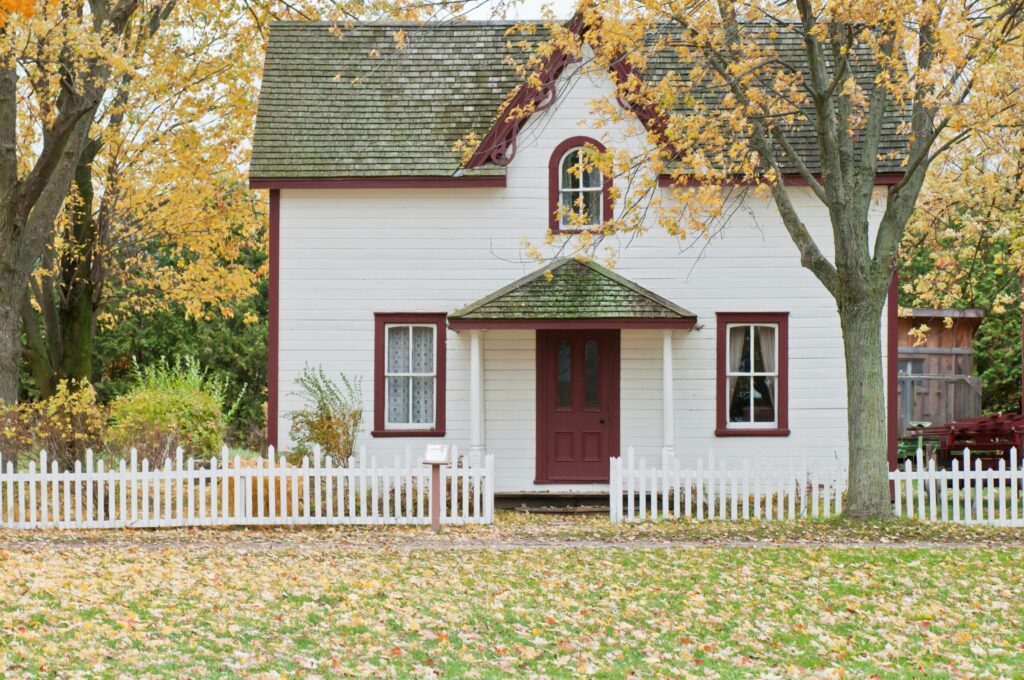
Our Fence Installation Process
1. Initial Consultation & Goals
We discuss your fencing needs including privacy requirements, property boundaries, preferred materials, and budget parameters.
2. Site Evaluation
Installers visit your property to measure fence line, assess soil conditions, identify obstacles, verify property lines, and check access for equipment.
3. Design & Scope Definition
Installers provide fence design options, material recommendations for Reno's climate, gate placement suggestions, and detailed cost estimates.
4. Contractor Matching
We connect you with experienced, insured fencing installers. You receive multiple detailed quotes comparing materials, approaches, and pricing.
5. Permits & Construction
Work proceeds systematically:Property line verification and layout marking, Post hole excavation, Post setting in concrete, Rail and panel installation, Gate installation and adjustment, Final cleanup.Most residential fence installations complete in 1-3 days depending on length and complexity.
6. Final Inspection & Walkthrough
Installers review completed fence, demonstrate gate operation, provide maintenance guidance specific to your material, and address any questions.
Fence Installation in Virginia City Highlands — What Homeowners Should Know
Rural Estate Community Character
Virginia City Highlands is an unincorporated community located several miles north of historic Virginia City and approximately 10 miles east of Reno, situated on the high plateau of the Virginia Range at an elevation around 5,984 feet. This peaceful rural area consists of widely dispersed residences on 1-acre, 10-acre, and 40-acre estate lots, accessed primarily via Cartwright Road and Lousetown Road off State Route 341. The community is home to approximately 1,400 residents who value country living, open space, and the spectacular views of surrounding mountains, hills, and valleys. Properties feature custom and semi-custom homes with diverse architectural styles ranging from traditional ranch houses to contemporary mountain retreats, many with barns, outbuildings, or equestrian facilities. The rolling hills are dotted with pinion pines and native high desert vegetation, creating a natural landscape that attracts homeowners seeking privacy and a connection to Nevada’s high desert character.
Large Lot Considerations and Property Management
The defining characteristic of Virginia City Highlands is the size of its lots—properties range from one acre at minimum to 40 acres in the Virginia Ranches section. These larger parcels offer homeowners exceptional privacy and space but also present unique fencing considerations. Many residents fence entire property perimeters for livestock containment or wildlife management, which can mean fence runs of hundreds or even thousands of linear feet. Others fence smaller areas around homes for pet containment, pool enclosure, or privacy while leaving much of their acreage open. The area is managed mostly by homeowners associations for the 1 and 10-acre lots, while the 40-acre Virginia Ranches lots are privately managed. Understanding your property’s specific HOA requirements—if applicable—is important before beginning a fence project, as some associations have guidelines regarding materials, placement, or designs.
Dual County Jurisdiction
Virginia City Highlands uniquely straddles the border between Storey County and Washoe County, which means the permitting authority for your fence installation depends on which county your property falls within. Properties in the Storey County portion follow Storey County building permit requirements and processes, while properties on the Washoe County side adhere to Washoe County regulations. Generally, both counties require permits for fences over six feet in height, though specific requirements may vary. It’s essential to verify which county has jurisdiction over your property before beginning a fence project. Contractors experienced in Virginia City Highlands understand this dual-county situation and can navigate the appropriate permitting process for your specific location, whether that means working with Storey County’s Community Development Department in Virginia City or Washoe County’s Building and Safety Division.
Terrain and Natural Features
The Virginia Range plateau where Virginia City Highlands sits features rolling terrain with pinion pine coverage, rocky outcroppings, and natural grade changes. Properties may have relatively level building sites with sloped perimeter areas, or they may feature significant elevation changes throughout. This varied terrain affects fence installation planning and costs. Sloped sections require either stepped fence panels that create horizontal sections following the terrain or racked panels that angle with the grade. Both approaches add complexity compared to level installations. The rocky nature of the soil—common throughout the area—can make post hole digging challenging and may require specialized drilling equipment. Many properties have mature pinion pines and native vegetation that homeowners want to preserve, requiring careful fence routing and post placement to avoid unnecessary tree removal.
High Desert Plateau Climate
At nearly 6,000 feet elevation, Virginia City Highlands experiences a high desert climate with four distinct seasons and significant temperature variation. Summers are warm and dry, with daytime temperatures reaching the upper 80s to low 90s and cool evenings. Winters are cold with regular snowfall—the elevation ensures consistent snow accumulation throughout the season, and temperatures can drop well below freezing. Annual precipitation averages around 12 inches, mostly falling as winter snow. These conditions significantly influence fence material selection and installation. Wood fences require UV-resistant sealants and regular maintenance to combat intense sun exposure and low humidity that can cause drying and cracking. Vinyl materials must be rated for extreme temperature fluctuations to prevent brittleness in cold or warping in heat. Metal fencing needs protective coatings to withstand weather exposure. The combination of elevation, sun intensity, winter snow, and freeze-thaw cycles means choosing appropriate materials and proper installation techniques are critical for long-term performance.
Water and Soil Considerations
Virginia City Highlands residents rely exclusively on domestic wells for water supply, with well depths ranging from 75 to over 1,000 feet below land surface. The volcanic-rock aquifer system that supplies these wells has experienced declining water tables in recent decades, which is an important consideration for anyone building or improving property in the area. From a fence installation perspective, the rocky volcanic soils common throughout Virginia City Highlands present both challenges and advantages. Rocky substrates make post hole digging difficult and often require specialized auger equipment, but the well-draining nature of these soils is beneficial for fence longevity as it reduces moisture retention around posts that could lead to rot or concrete deterioration. Contractors experienced in the area come prepared with appropriate equipment for drilling through rocky soils and realistic expectations about installation timelines.
Fence Installation Costs in Virginia City Highlands
Typical Project Cost Ranges
Fence installation costs in Virginia City Highlands reflect both standard Northern Nevada pricing and the unique considerations of rural estate properties. The table below provides realistic ranges based on current market conditions:
| Fence Type | Cost Per Linear Foot | 100 Linear Feet | 500 Linear Feet |
|---|---|---|---|
| Barbed Wire (4-strand) | $2 – $5 | $200 – $500 | $1,000 – $2,500 |
| Woven Wire (Field Fence) | $3 – $7 | $300 – $700 | $1,500 – $3,500 |
| Chain Link (4-6 ft) | $8 – $18 | $800 – $1,800 | $4,000 – $9,000 |
| Wood Privacy (6 ft) | $18 – $35 | $1,800 – $3,500 | $9,000 – $17,500 |
| Vinyl/PVC (6 ft) | $22 – $40 | $2,200 – $4,000 | $11,000 – $20,000 |
| Split Rail (3-rail) | $12 – $25 | $1,200 – $2,500 | $6,000 – $12,500 |
| Ornamental Aluminum/Steel | $28 – $55 | $2,800 – $5,500 | $14,000 – $27,500 |
Key Factors That Influence Pricing
Several variables beyond basic per-foot material costs affect fence installation expenses in Virginia City Highlands. Property size is often the most significant factor—fencing the perimeter of a 10 or 40-acre lot represents a substantial project with thousands of linear feet. However, larger projects often benefit from economies of scale with better per-foot pricing. Terrain and slope significantly impact costs, as properties with rolling hills or significant elevation changes require stepped or racked fence panels. Rocky soil conditions are nearly universal in the area and typically add to labor costs through the need for specialized drilling equipment and additional installation time. Access considerations matter—properties with long driveways or challenging entry points affect material delivery costs. Distance from Reno may result in contractors factoring additional travel time into their pricing. Gate installations vary from simple farm gates at $200 to $500 to larger automated drive gates costing several thousand dollars.
Purpose-Driven Material Selection
Material choice in Virginia City Highlands often depends on the fence’s primary purpose. For livestock containment on larger acreage, barbed wire or woven wire field fencing offers cost-effective solutions for long perimeter runs, though these require careful installation around terrain features. For horse properties, specific equestrian fencing like V-mesh wire or board fencing prevents hoof entrapment while providing visibility. For pet containment around homes, chain link or privacy fencing works well. Split rail fencing complements the rural aesthetic and works for property delineation or creating paddocks. For privacy around residences, wood or vinyl privacy fencing provides screening while materials like ornamental metal balance security with viewshed preservation. Many Virginia City Highlands properties use different fence types in different areas—agricultural fencing for perimeter boundaries and higher-quality materials around the immediate home site.
Virginia City Highlands-Specific Considerations
Certain characteristics unique to Virginia City Highlands properties affect fence costs and planning. Wildlife is abundant—deer, wild horses, coyotes, and smaller animals regularly move through the area. Fences intended to exclude deer need to be at least seven to eight feet high, while horse containment requires appropriate height and construction to prevent jumping or breaking through. The area’s historical wild horse population means some homeowners specifically design fencing with wildlife corridors in mind. Winter snow accumulation at this elevation can be substantial, and fence designs should account for snow loading and drifting. Properties near or adjacent to Bureau of Land Management land may have specific requirements or restrictions. Some properties have existing older fencing that needs removal, adding to project costs. The rural nature means response times for repairs or issues may be longer, making quality initial installation particularly important.
Transparent, Itemized Estimates
Quality contractors provide comprehensive written estimates that clearly itemize all costs. For Virginia City Highlands properties, a proper estimate should break down materials by type, grade, and total quantity needed for your specific linear footage, separate labor charges with realistic time estimates for rocky soil conditions, include permit fees for the applicable county jurisdiction, account for terrain-related charges such as slope installation or rocky soil surcharges, note old fence removal costs if relevant, and specify any access-related charges or material delivery fees. Beyond pricing, estimates should detail the project timeline from permitting through completion, specify exact materials by brand and grade to ensure appropriate quality for high desert conditions, explain warranty coverage, and clarify how unexpected conditions like hitting rock or encountering obstacles will be handled. This transparency is particularly important on larger rural properties where small per-foot variations can result in significant total cost differences.
What Makes Our Contractor Network Different
Dual County Permitting Expertise
Contractors in our network understand the unique jurisdictional situation in Virginia City Highlands and can quickly determine which county—Storey or Washoe—has authority over your property. They stay current with both counties’ building codes and permit requirements, know the specific processes and documentation each county expects, and can navigate the appropriate approval pathway efficiently. This expertise prevents the confusion and delays that can occur when homeowners aren’t sure which jurisdiction applies to their property. They handle permit applications and coordinate any necessary inspections, ensuring your fence project meets all applicable county standards regardless of which side of the county line you’re on.
Rural Estate and Large Acreage Experience
Working on Virginia City Highlands properties requires specific expertise in rural estate fencing. Our network professionals are experienced with planning and executing large-scale fence projects covering hundreds or thousands of linear feet, efficiently managing materials and labor for extensive perimeter fencing, working with varied terrain and significant elevation changes across large parcels, understanding different fencing needs for residential versus agricultural areas of properties, and coordinating multiple fence types and styles within a single property. They recognize that a 40-acre lot presents entirely different challenges than a suburban quarter-acre, and they bring the equipment, experience, and project management capabilities needed for successful completion of extensive rural fence installations.
Rocky Soil and Challenging Terrain Expertise
Virginia City Highlands’ volcanic-rock soils and rolling terrain require contractors who come prepared with appropriate equipment and realistic expectations. Our network professionals understand how to work efficiently with rocky substrates using specialized auger bits and drilling equipment, install fences on sloped terrain using stepped or racked panel techniques, navigate properties with natural features like outcroppings or arroyos, and plan fence routes that work with terrain rather than requiring extensive land modification. They know that post holes in rocky volcanic soils take longer to dig than in softer soils and factor this into their timelines and pricing. This specialized expertise ensures your project progresses smoothly despite challenging site conditions.
High Desert Climate and Elevation Understanding
Northern Nevada’s high desert climate at elevation demands construction approaches specific to these conditions. Our network professionals understand how to select materials rated for extreme temperature swings from hot summers to below-freezing winters, choose UV-resistant finishes and sealants appropriate for intense sun exposure at elevation, account for snow loads and wind exposure in fence design and post depth, and work with freeze-thaw cycles that affect post stability and concrete curing. They know that materials and techniques appropriate for lower elevations may not perform well at 6,000 feet with Virginia City Highlands’ climate extremes. This knowledge ensures your fence withstands the demanding conditions and performs reliably for years.
Agricultural and Livestock Fencing Knowledge
Many Virginia City Highlands properties include livestock, horses, or agricultural uses that require specific fencing expertise. Contractors in our network understand proper fence specifications for different animals—horses, cattle, goats, sheep, llamas, and more, appropriate materials and heights for livestock containment and safety, gate and panel configurations for pasture management and animal handling, and fence designs that allow for agricultural equipment access and movement. Whether you’re fencing horse paddocks, creating rotational grazing areas, protecting gardens from wildlife, or establishing property boundaries on working land, they bring agricultural fencing knowledge that suburban contractors typically lack. This expertise ensures your fence serves its intended purpose effectively and safely.
Established Local Supplier Relationships
Contractors who regularly work in rural Northern Nevada maintain relationships with suppliers who can provide agricultural and ranch fencing materials. These connections translate to access to livestock fencing materials like woven wire, V-mesh, and T-posts, quality wood products appropriate for large-scale projects, durable hardware and gates suitable for agricultural use, and specialty items for equestrian facilities or specific livestock needs. When you need materials for extensive fence runs or agricultural applications, established contractors can source what’s necessary more efficiently and often more affordably than those unfamiliar with rural fencing requirements. These relationships benefit you through both cost savings and access to appropriate materials.
Long-Term Rural Accountability
Working with contractors who regularly serve rural Northern Nevada communities means partnering with professionals who understand the importance of quality work in areas where repairs or issues can be more challenging to address. They recognize that in Virginia City Highlands, you’re not dealing with a small backyard fence that’s easily fixed—you may have hundreds of feet of fencing across challenging terrain. They build relationships through quality work that withstands harsh conditions and stand behind their installations. If you need warranty service, gate adjustments, or help with issues months or years later, contractors who work regularly in rural areas remain accessible. This accountability is particularly valuable in communities like Virginia City Highlands where word-of-mouth matters and neighbors know each other.
Licensed & Insured Contractors Only
Every contractor in our network maintains active Nevada contractor licensing and carries both comprehensive general liability insurance and workers’ compensation coverage. We verify these credentials before making any referrals to homeowners. This protects you from liability if someone is injured on your property during installation—particularly important on large rural properties where installation may take weeks, ensures contractors meet professional competency standards and regulatory requirements, provides recourse if workmanship issues arise, and demonstrates the contractor’s commitment to operating professionally. On Virginia City Highlands’ large estate properties where fence projects can represent significant investments, working with properly licensed and insured contractors is essential. You can move forward with confidence knowing the people working on your property have the qualifications and coverage to handle substantial rural fence installations.
Let's Start Your Fencing Installation in Virginia City Highlands!
Let’s chat about your ideas! Getting started is easy – simply reach out with details about your flooring project, and we’ll connect you with qualified, licensed flooring contractors.
Need Help?
Frequently Asked Questions About Fencing Installation in Virginia City Highlands
Below are some of the most common questions Our Network get from families about Fencing installation. If you have any other questions contact us!
How long does fence installation take?
Most residential fence installations complete in 1-3 days. Simple straight runs: 1-2 days. Fences with slopes, curves, or multiple gates: 2-4 days. Very long fences or complex terrain may take longer. Weather and permit delays can extend timelines.
How long do fences last?
Lifespan varies by material and maintenance. Pressure-treated wood: 15-20 years with maintenance. Cedar: 20-25 years. Vinyl: 20-30 years. Chain link: 20-30+ years. Ornamental metal: 30-50+ years with care. Proper installation and maintenance significantly impact longevity.
Can I install a fence on the property line?
Generally yes, but verify exact property boundaries first. Survey recommended if boundaries uncertain. Some areas require setbacks from property lines. Check for easements that may restrict fence placement. Good practice to communicate plans with neighbors.
How deep should fence posts be?
Minimum 24 inches deep in Reno, deeper for taller fences or challenging soil conditions. Standard recommendation: bury one-third of post length. Six-foot fence requires posts buried 2-3 feet. Eight-foot fence requires 3+ feet depth. Installers adjust based on soil and wind exposure.
Talk to a Fence Installer in Virginia City Highlands Today
Whether your property is in Virginia Ranches, Highland Ranches, or another section of Virginia City Highlands, and whether you’re working with 1, 10, or 40 acres, connecting with the right fence contractor doesn’t have to be complicated. The contractors we refer understand Virginia City Highlands’ unique characteristics—they’ve worked throughout this rural community and in nearby areas like Virginia City, Gold Hill, Storey County, and eastern Washoe County. They’re experienced with both Storey and Washoe County permitting processes, skilled at working with large acreage and challenging terrain, knowledgeable about agricultural and livestock fencing needs, and equipped to handle the rocky soil conditions and high desert climate that define this area.