
Professional Patio Installation in Virginia City Highlands, NV
Looking for patio installation in Virginia City Highlands, NV? Your dream patio is waiting. Let's make it happen. Because every family deserves a backyard they actually want to use — and every hardworking contractor deserves to be found.
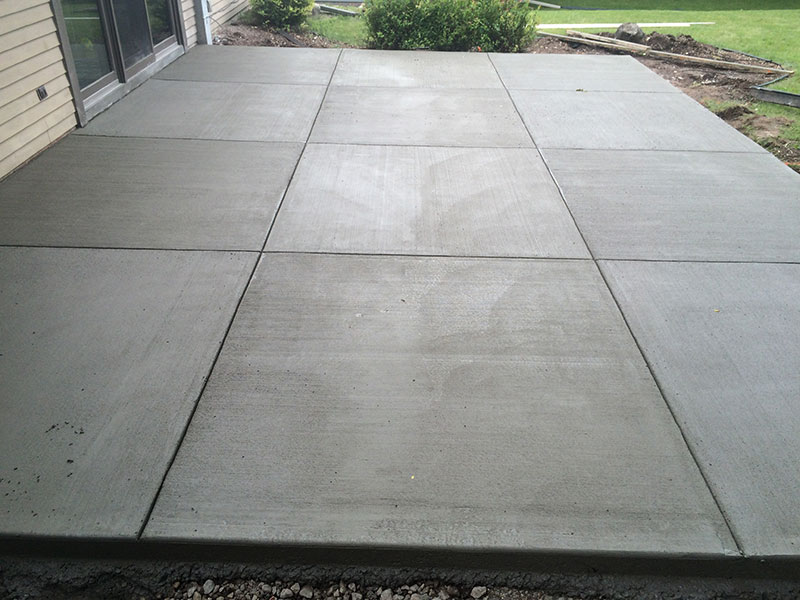
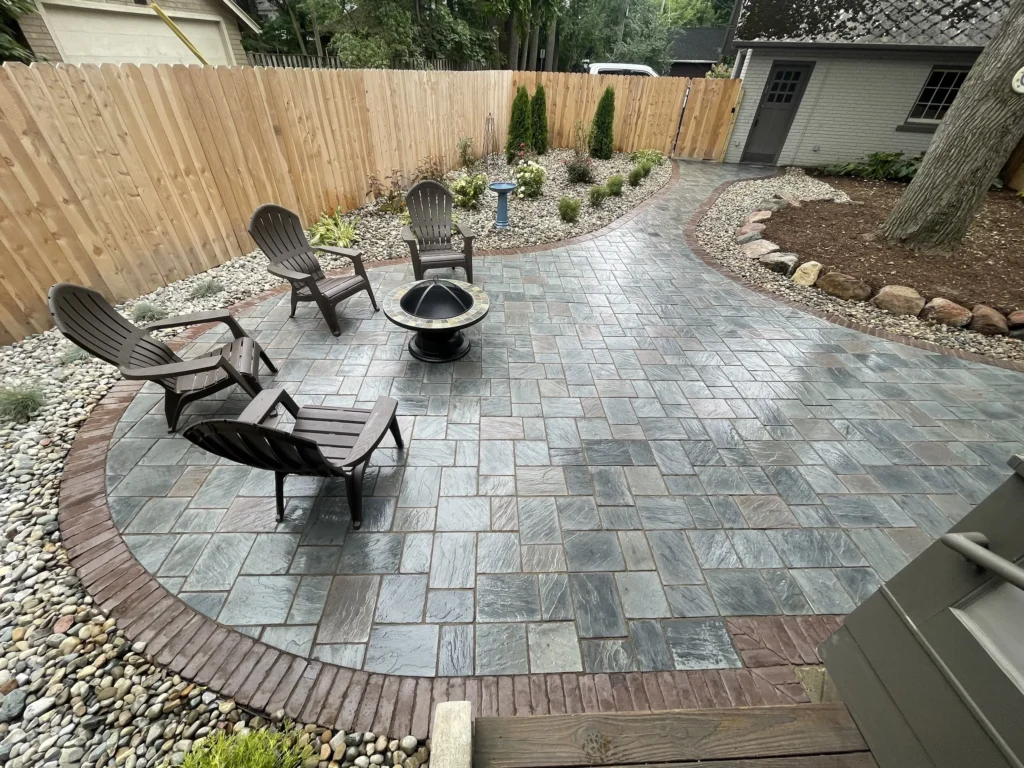
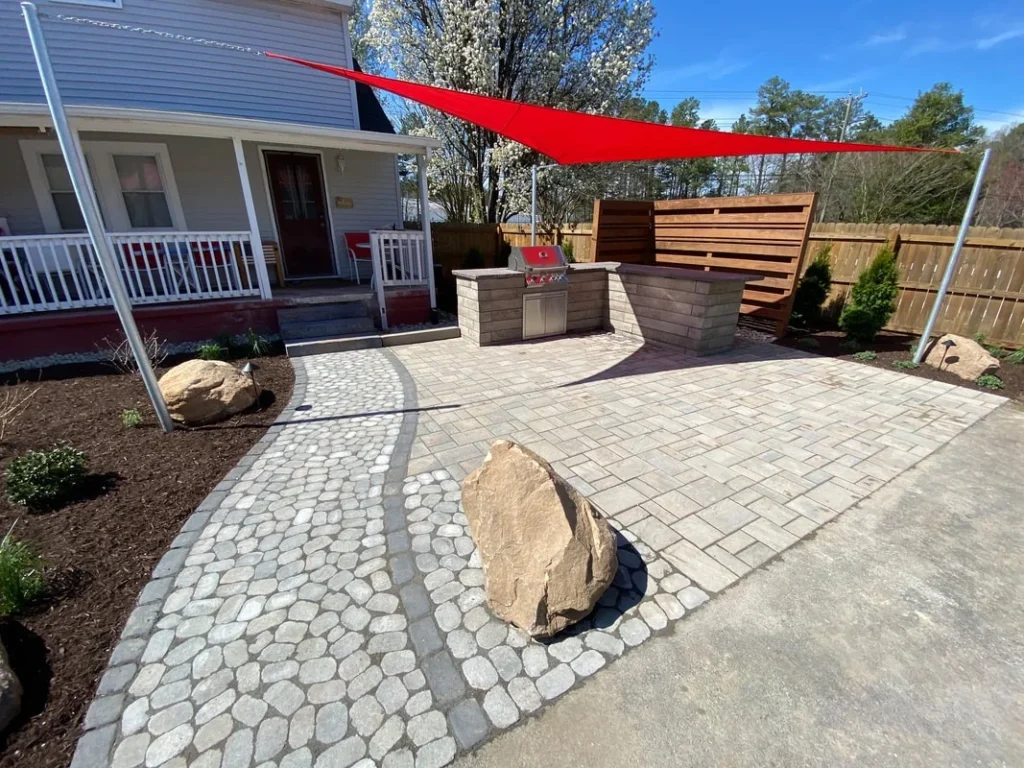
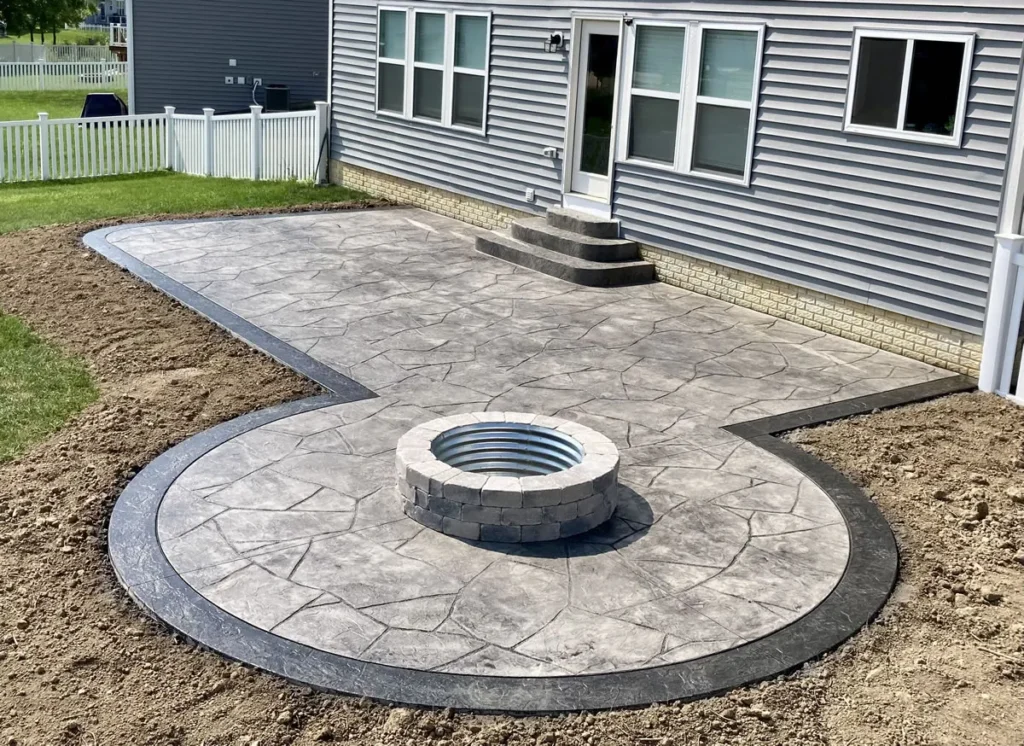
Popular Patio Installation Services in Virginia City Highlands
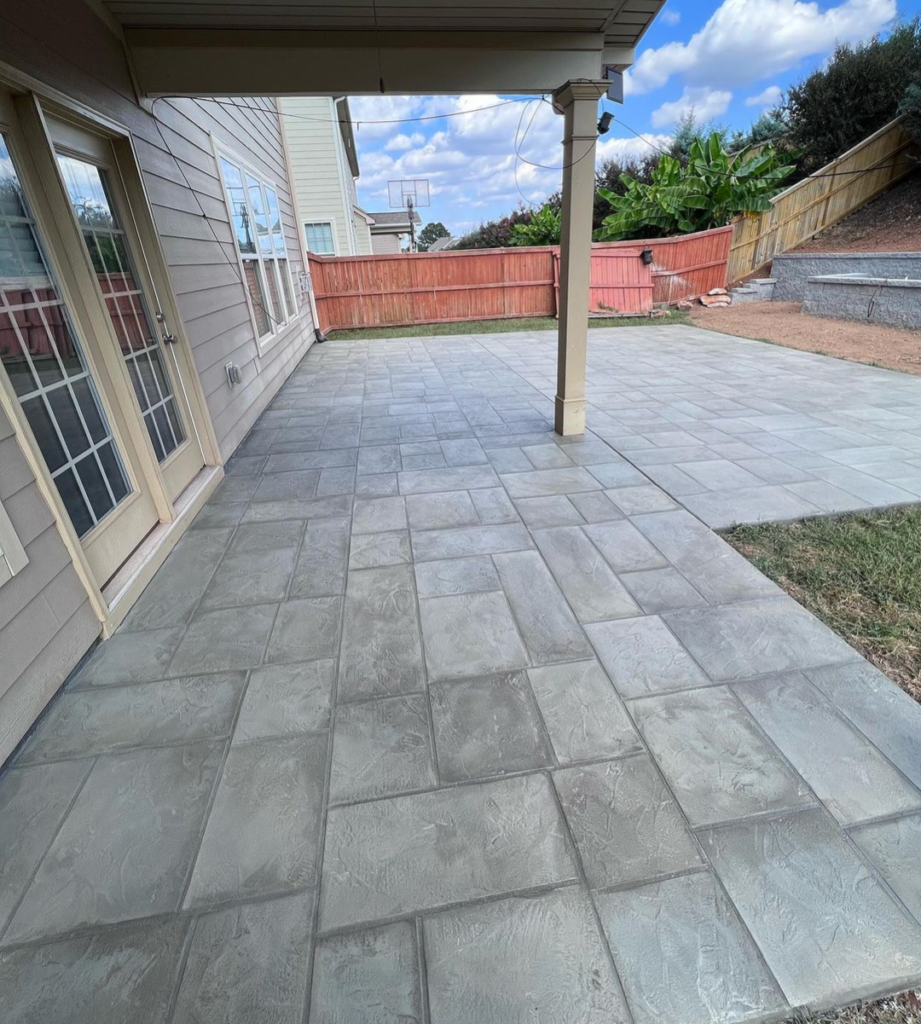
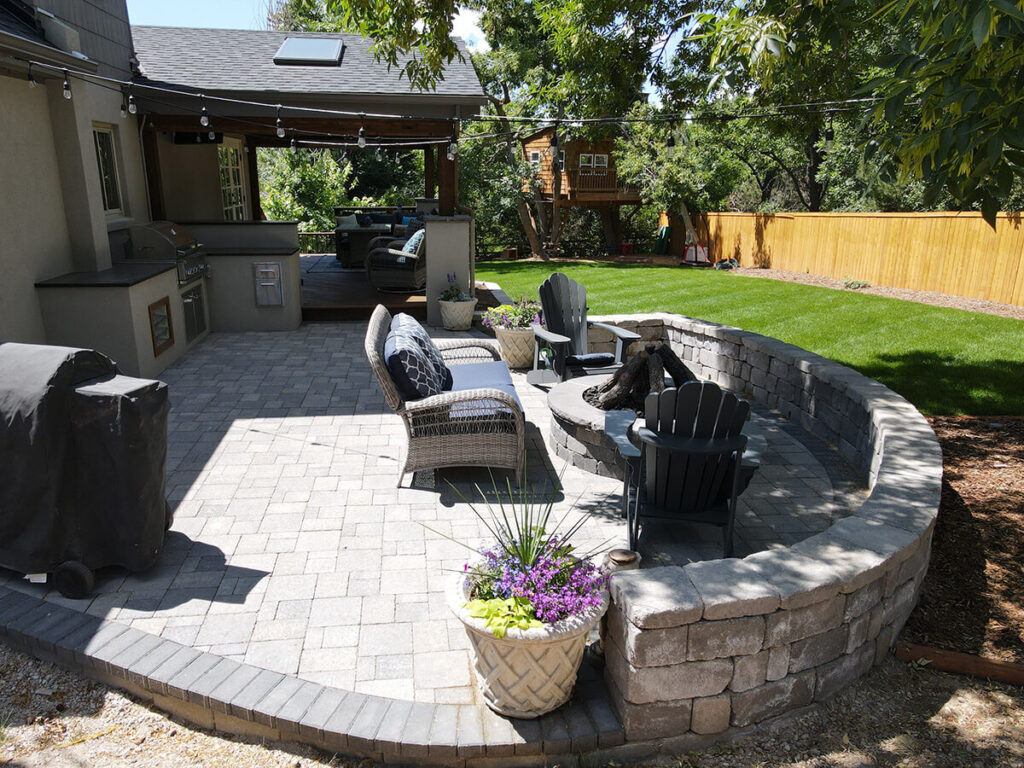
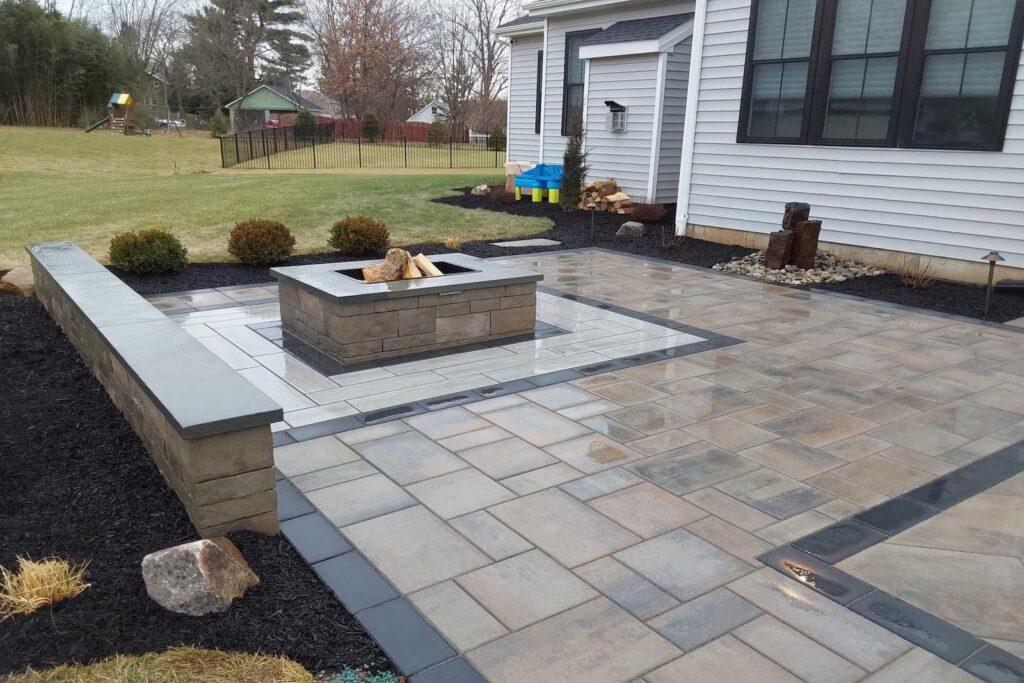
Our Patio Installation Process
1. Initial Consultation & Goals
We discuss your outdoor space goals, preferred materials, budget parameters, and how you plan to use the patio.
2. Site Evaluation
Installers evaluate your yard including soil conditions, drainage patterns, sun exposure, access for equipment, and existing landscaping.
3. Design & Scope Definition
Installers create patio design showing dimensions, material specifications, drainage plan, and integration with existing landscape features.
4. Contractor Matching
We connect you with experienced, insured patio installers. You receive multiple detailed quotes comparing materials, approaches, and pricing.
5. Permits & Construction
If required, installers obtain permits and utility clearances. They schedule work and order materials.
6. Final Inspection & Walkthrough
Installers review completed work, demonstrate proper care and maintenance, and address any questions. You receive guidance on sealing schedules and long-term care.
Patio Installation in Virginia City Highlands — What Homeowners Should Know
A Rural Community with Expansive Properties
Virginia City Highlands is an unincorporated community located approximately five miles north of historic Virginia City, straddling the Storey County and Washoe County border. Sitting at roughly 5,990 feet elevation on the ridge of the Virginia Range, the area consists of widely dispersed residences on large lots ranging from one acre to 40 acres or more. Development began in the early 1970s following the subdivision of former rangeland, and today the community includes approximately 1,600 lots with a mix of rustic ranch homes, country estates, custom builds, and vacant land.
The appeal of Virginia City Highlands lies in its rural character, privacy, and stunning views of surrounding mountains, hills, and valleys including the Truckee Valley below. Properties here offer a genuine country lifestyle with space for horses, outbuildings, and outdoor activities while remaining within 20 minutes of Reno. The community features pinion pines and native vegetation scattered across its rolling terrain, and wildlife sightings are common. Nearby Geiger Lookout Point provides breathtaking vistas and sits roughly 1,000 feet above the valley floor.
Homes in Virginia City Highlands reflect the area’s evolution from a rural retreat to an established residential community. You’ll find everything from modest older structures in need of updating to recently built custom homes, with architectural styles ranging from western ranch to contemporary mountain designs. The common thread is properties that embrace rather than fight the natural desert-mountain setting.
Understanding Your Property’s County Jurisdiction
Because Virginia City Highlands straddles the county line, your specific property will fall under either Storey County or Washoe County jurisdiction for permitting and regulations. This is an important distinction—the two counties have different building departments, permit processes, fee structures, and code requirements. Before planning any patio construction, you need to confirm which county has jurisdiction over your parcel.
Most of the community’s one-acre lots fall within Storey County, while some properties may be in Washoe County. Contractors experienced in Virginia City Highlands are familiar with both jurisdictions and can help you navigate the appropriate process. The permitting requirements, inspection schedules, and even what does or doesn’t need a permit can differ between the two counties.
HOA Considerations in the One-Acre Association
Properties on one-acre lots in Virginia City Highlands generally fall under the Virginia City Highlands Property Owners Association (VCHPOA), which maintains roads and provides some community services. The association has an Architectural Committee that meets monthly to review proposed exterior modifications including patios and outdoor structures.
While the architectural review process is less formal than in more developed communities, homeowners are expected to submit plans for committee review. This helps maintain community standards and ensures projects don’t negatively impact neighbors or shared resources. The committee’s primary concerns are typically setbacks from property lines, visual compatibility with the rural character, and proper drainage considerations.
Properties on larger lots or in different sections of Virginia City Highlands may not have HOA requirements, but it’s important to verify your property’s status before beginning any construction project.
High-Desert Mountain Climate Realities
Virginia City Highlands experiences a semi-arid mountain climate with significant temperature variation throughout the year. Summer days can reach into the 90s, though cool evening temperatures provide relief. Winter temperatures regularly drop into the 20s and teens, with occasional dips near zero. The area receives approximately 12 inches of precipitation annually, with most falling as snow—typically 50 to 60 inches per year.
This climate creates specific requirements for patio construction. Materials must handle freeze-thaw cycles throughout the winter months. Snow loads on covered structures need to be calculated for the elevation, though they’re generally less severe than communities higher in the Sierra. Wind exposure on the open ridgetop terrain affects the design of any overhead structures, and proper anchoring becomes critical.
The intense high-altitude sun exposure means UV-resistant materials and proper sealing are important for longevity. The temperature swings between day and night—sometimes 40 degrees or more—affect material expansion and contraction. Local contractors who work regularly at this elevation understand which products hold up well and which tend to fail prematurely.
Working with Desert Terrain and Natural Features
The Virginia Range terrain in this area is characterized by rolling hills, rocky substrate, and high-desert vegetation. Many properties have natural grade changes that need to be addressed in patio design through grading, retaining walls, or elevated deck construction. The rocky soil typical of the area provides excellent drainage but can make excavation more challenging and time-consuming than in valley locations with softer soils.
Native pinion pines and juniper trees dot many properties, and thoughtful patio design incorporates these features rather than removing them unnecessarily. The trees provide valuable shade and wind protection while contributing to the natural aesthetic that defines the area. Working around established trees requires understanding root protection zones and proper construction techniques to avoid damage.
Drainage planning is particularly important on sloped lots where seasonal snowmelt and occasional summer thunderstorms can create runoff. Patios need to direct water away from structures and avoid concentrating flow in ways that cause erosion on your property or neighboring parcels.
Water Considerations for Rural Properties
Virginia City Highlands relies entirely on domestic wells for water supply, with well depths ranging from 75 feet to over 1,100 feet. The area’s volcanic rock aquifer has experienced water level declines over recent decades as development has increased. While this doesn’t directly affect patio construction, it’s worth understanding that the community’s water supply comes from individual wells rather than municipal systems.
If your patio project includes features requiring water—such as outdoor kitchens with sinks or water features—you’ll be drawing from your domestic well. This is perfectly feasible, but contractors need to coordinate any plumbing work with your existing well system and ensure proper freeze protection for any outdoor water lines given the winter temperatures.
Patio Installation Costs in Virginia City Highlands
Typical Project Cost Ranges
Patio construction costs in Virginia City Highlands reflect both the rural nature of the area and the additional considerations of building at elevation on larger properties. Here are realistic ranges for common projects:
| Project Type | Typical Cost Range | Notes |
|---|---|---|
| Basic Concrete Patio (200-300 sq ft) | $3,500 – $7,500 | Site grading often needed |
| Stamped/Decorative Concrete Patio | $9 – $20 per sq ft | Pattern, color, sealing included |
| Paver Patio Installation | $12 – $28 per sq ft | Quality varies widely |
| Natural Flagstone Patio | $18 – $38 per sq ft | Fits desert aesthetic well |
| Basic Patio Cover/Pergola | $8,000 – $18,000 | Wind and snow considerations |
| Covered Patio with Engineering | $14,000 – $35,000+ | May be required at this elevation |
| Deck Construction (elevated) | $30 – $60 per sq ft | Common on sloped properties |
| Outdoor Fire Pit (Stone) | $2,500 – $8,000 | Popular in this climate |
| Retaining Wall (per linear foot) | $40 – $100+ | Often needed on slopes |
These ranges include materials, labor, permits, and basic site preparation. Your actual cost depends on site conditions, county jurisdiction, and project complexity.
Key Factors That Influence Pricing
Several elements specific to Virginia City Highlands properties affect project costs:
Site access and distance from town — Being located in a rural, unincorporated area means contractors may factor in additional travel time and fuel costs. Properties accessed by unmaintained dirt roads or with limited equipment turnaround space can require smaller equipment or more manual labor, both of which increase costs.
Rocky terrain and excavation challenges — The volcanic rock substrate common throughout the area makes excavation more time-consuming than working in softer valley soils. Contractors experienced in the area factor this into their estimates, but properties with particularly rocky conditions may encounter additional costs during excavation for footings or utilities.
Sloped lots and drainage requirements — Many Virginia City Highlands properties have natural grade changes requiring retaining walls, terracing, or drainage systems. Creating a level patio area on a slope involves engineering and construction work that significantly impacts total cost but is necessary for a stable, functional outdoor space.
County jurisdiction differences — Permit fees and requirements vary between Storey and Washoe counties. Storey County is generally viewed as more accommodating for rural construction, but fees, review timelines, and inspection requirements differ. Contractors need to account for which county has jurisdiction over your property.
Distance from utilities and services — Rural properties may require longer runs for electrical service to patios, and propane rather than natural gas is the norm. These factors affect costs for outdoor kitchens, lighting, or fire features. Material delivery to remote areas may also incur additional charges.
Virginia City Highlands-Specific Cost Considerations
The rural, high-desert setting creates both opportunities and challenges that affect pricing. The elevation and climate mean covered patios provide genuine value—shade from intense summer sun and protection from occasional storms. However, structures need to be built to withstand wind exposure and winter weather, which may require more robust construction than in sheltered valley locations.
Large lot sizes mean you have flexibility in patio placement and design that homeowners in more densely developed areas don’t enjoy. You can site your patio to maximize views, capture breezes, or integrate with natural features without worrying about neighbor sight lines. This freedom allows for more creative and ambitious designs but also means you’re responsible for all site work and utilities without the shared infrastructure available in subdivisions.
The community’s rural character and property values mean there’s a wide range of appropriate investment levels. A basic, functional patio meets needs for some homeowners, while others invest in high-end materials and features that match custom homes and create genuine outdoor rooms. Both approaches are acceptable—what matters is that the project suits your home, budget, and lifestyle goals.
Understanding Value and Transparency in Estimates
Reliable contractors will visit your property before providing estimates, assess the specific terrain and access conditions, discuss your county’s requirements, and provide itemized pricing that breaks down major cost components. This transparency helps you understand exactly what you’re paying for and allows you to make informed decisions about project scope or phasing.
Be cautious of estimates that seem significantly lower than others without clear explanation. They may not account for travel to your location, may assume easier site conditions than actually exist, or may not include permit costs. The lowest bid isn’t always the best value, particularly in rural areas where experience with remote sites and challenging terrain makes a substantial difference in execution.
For properties requiring substantial site work like grading, retaining walls, or drainage systems, consider getting separate bids for site preparation versus patio construction. This helps you understand the cost breakdown and may allow you to phase work if needed.
What Makes Our Contractor Network Different
Experience in Rural and Unincorporated Areas
The contractors in our network work regularly in Virginia City Highlands and similar unincorporated communities throughout Storey and Washoe counties. They understand the realities of building in rural areas—from managing access on unmaintained roads to coordinating inspections with county departments that may require advance scheduling. This experience prevents delays and surprises that can occur when contractors unfamiliar with rural construction encounter unexpected challenges.
Knowledge of Multiple County Jurisdictions
Because Virginia City Highlands spans two counties, local contractors are familiar with both Storey County and Washoe County permitting processes, requirements, and inspection protocols. They know which department has jurisdiction based on your property location and can navigate the appropriate process efficiently. This dual-county experience is valuable in an area where neighboring properties may fall under different regulatory authorities.
Understanding High-Desert Construction Requirements
Building at nearly 6,000 feet elevation in a semi-arid climate requires specific knowledge about material performance, weather considerations, and engineering requirements. Contractors experienced in the area have seen how different products hold up to temperature extremes, intense UV exposure, and freeze-thaw cycles. They understand wind loads for overhead structures and snow load calculations appropriate to the elevation.
Ability to Work with Rural Site Conditions
Large lots with sloped terrain, rocky substrate, and limited infrastructure require different approaches than standard suburban construction. Local contractors know how to work efficiently with these conditions—managing excavation in rocky soil, designing drainage for properties without storm sewers, protecting native vegetation, and creating outdoor spaces that feel appropriate to the high-desert mountain setting rather than imported from suburban contexts.
Established Relationships in the Community
Contractors who work regularly in Virginia City Highlands understand the community character, know local suppliers who can deliver materials to the area, and have relationships with county officials in both jurisdictions. They’re invested in maintaining their reputation in a close-knit rural community where word travels and future work depends on satisfied customers. They’re available and responsive if warranty issues arise because they’re part of the local professional community.
Licensed & Insured Contractors Only
Every contractor in our network maintains active Nevada contractor licensing and carries appropriate liability insurance and workers’ compensation coverage. We verify these credentials before making referrals. This protects you from liability if someone is injured during construction on your property and ensures you’re working with professionals who meet state standards. In rural areas where properties may have unique hazards and insurance response can be slower, proper contractor insurance becomes even more important for your protection.
Let's Start Your Patio Installation in Virginia City Highlands!
Imagine having your own outdoor room where you can eat dinner under the stars, host BBQs with friends, or just relax with morning coffee. We connect families with honest, skilled patio contractors who make that dream real.
Need Help?
Frequently Asked Questions About Patio Installation in Virginia City Highlands
Below are some of the most common questions Our Network get from families about Patio remodel. If you have any other questions contact us!
How long does patio installation take?
Most patios install in 3-7 days depending on size and material. Concrete patios require 3-5 days including curing time. Paver and stone patios typically take 3-7 days. Site preparation, weather, and complexity affect timeline.
How long do patios last?
Properly installed patios last decades. Concrete patios: 25-50+ years. Pavers: 30-50+ years with minimal maintenance. Natural stone: 50+ years. Lifespan depends on installation quality, maintenance, and site conditions.
Do patios need maintenance?
Maintenance varies by material. Concrete patios should be resealed every 3-5 years. Paver patios need occasional joint sand replenishment and cleaning. Stone patios benefit from periodic sealing. All patios need occasional cleaning and weed control in joints.
When is the best time to install a patio?
Spring through fall offers ideal conditions in Reno. Summer heat doesn’t prevent installation but affects concrete curing. Winter installation is possible during mild periods but not ideal. Most homeowners install spring or early fall for completion before peak outdoor season.
Talk to a Patio Installer in Virginia City Highlands
Whether your property offers views of Geiger Lookout Point, sits among the pinions in a forested section, or overlooks the valleys and mountains of the Virginia Range, creating an outdoor living space that works with your rural setting requires contractors who understand both the opportunities and challenges of building in unincorporated areas. Our contractor network includes professionals experienced throughout the greater Reno area’s rural communities, from Virginia City Highlands to nearby Lockwood, Red Rock, and the surrounding high-desert areas.