
Professional Roofing Contractors In Virginia City Highlands, NV
Looking for professional roofing contractors in Virginia City Highlands, NV? We work with licensed, insured professionals who deliver quality workmanship and stand behind their installations.
Popular Roofing Services in Virginia City Highlands



Our Roofing Project Process
1. Initial Consultation
We discuss your roofing needs—replacement, repair, or new construction. Understanding your situation helps us connect you with appropriate contractors.
2. Roof Inspection and Assessment
Contractors inspect your roof's current condition, measure square footage, evaluate decking, assess ventilation, and identify any structural concerns.
3. Material Selection and Proposal
Contractors present material options suitable for Reno's climate, discuss pros and cons of each, and provide detailed quotes including materials, labor, warranties, and timeline.
4. Contractor Matching
We connect you with licensed, insured roofing contractors experienced with your specific roof type and material preferences. You compare multiple proposals.
5. Scheduling and Permits
Your selected contractor schedules the project, obtains necessary permits, orders materials, and coordinates with HOA if required.
6. Roof Installation
Contractors complete tear-off (if applicable), inspect and repair decking, install underlayment and roofing materials, install flashing and edge protection, and ensure proper ventilation. Most residential roofs complete in 1-3 days depending on size and complexity.
6. Cleanup and Final Inspection
Thorough cleanup removes all debris and nails. Final inspection ensures code compliance. Contractor provides warranty documentation and care instructions.
Roofing in Virginia City Highlands — What Homeowners Should Know
Rural Properties and Varied Lot Sizes
The community features everything from one-acre parcels to expansive 40-acre estates, many with multiple structures including primary homes, barns, stables, and outbuildings. This development pattern emerged from the 1970s when the area transitioned from private rangeland to residential use. Properties are widely dispersed with significant distances between homes, offering the privacy and space that draws many residents to the area. For roofing projects, this spacing means contractors need to plan carefully for equipment access and material staging on properties where the nearest neighbor might be hundreds of yards away.
Ranch Homes and Country Estates
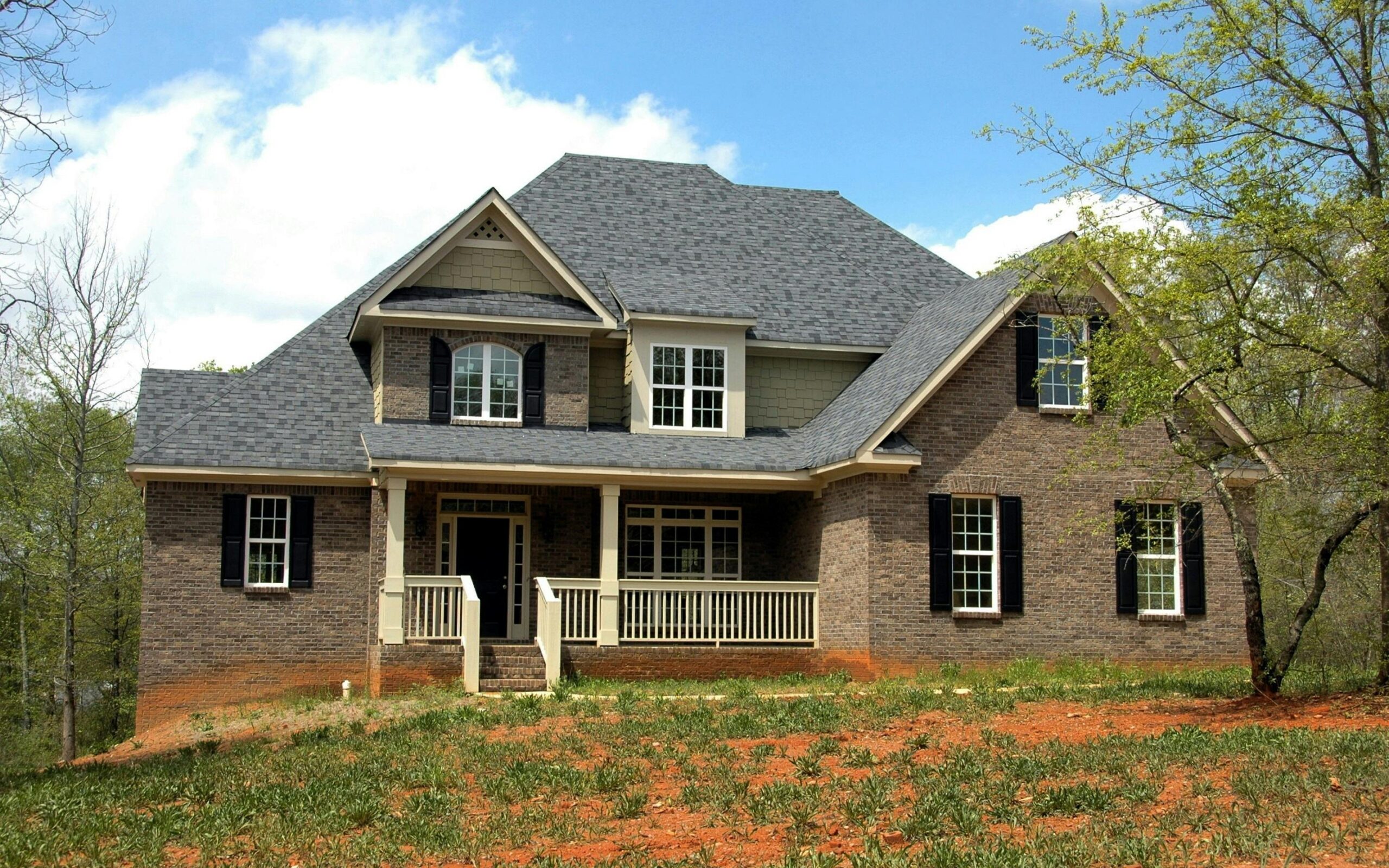
Housing styles range from rustic ranch homes built in the 1970s and 1980s to more contemporary country estates developed over the past two decades. Many properties include detached garages, shops, and agricultural buildings that also require roofing maintenance and eventual replacement. The architectural diversity means contractors encounter everything from simple gable roofs to complex hip designs with dormers and multiple roof planes. Older homes may have original roofing systems approaching or exceeding their design life, while newer construction often features more complex roof geometries.
Storey County and Washoe County Jurisdiction
Virginia City Highlands straddles the Storey County and Washoe County border, which affects permitting requirements depending on your exact property location. Storey County properties work through the Community Development office in Virginia City, while Washoe County properties follow that jurisdiction’s process. Most roofing projects require permits regardless of which county you’re in. Contractors familiar with both systems can navigate the appropriate approval process efficiently. It’s worth confirming which county your property falls under before starting permit applications, as requirements and timelines differ between the two jurisdictions.
High Desert Climate at Elevation
At roughly 6,000 feet elevation, Virginia City Highlands experiences cooler summers and more pronounced winters than the Truckee Meadows below. Strong winds are common throughout the year, putting stress on roofing materials and requiring proper fastening techniques. Winter can bring significant snowfall, and the elevation means snow lingers longer than in lower areas. Temperature swings from summer highs in the 80s to winter lows well below freezing create expansion and contraction cycles that wear on roofing materials over time. The intense high-elevation UV exposure also degrades shingles faster than at lower elevations, affecting material longevity.
Access and Logistics on Rural Properties
Many properties in Virginia City Highlands are accessed via unpaved roads, and driveways can be long and steep. This affects how contractors deliver materials and position equipment. Mobile homes and manufactured structures are common in some areas, requiring specialized roofing approaches. The rural setting means longer travel times from suppliers in Reno, which can affect project scheduling and material delivery coordination. Contractors need to plan for these logistical considerations to keep projects on schedule.
Water Source and Well Considerations
Most properties in Virginia City Highlands rely on private wells rather than municipal water. While this doesn’t directly affect roofing work, it’s part of the broader context of rural property ownership that contractors working in the area understand. The area’s geology and water table depth influenced historical lot size requirements, and properties often include water storage tanks and pumping systems that may be roof-mounted or require consideration during roofing projects.
Roofing Costs in Virginia City Highlands
Typical Project Cost Ranges
| Project Type | Typical Cost Range |
|---|---|
| Asphalt Shingle Roof (2,000 sq ft) | $7,800 – $12,000 |
| Asphalt Shingle Roof (3,000 sq ft) | $11,700 – $18,000 |
| Metal Roofing (2,500 sq ft) | $18,000 – $35,000 |
| Premium/Architectural Shingles (2,500 sq ft) | $12,500 – $20,000 |
| Barn or Outbuilding Re-roof (1,200 sq ft) | $4,500 – $9,000 |
| Roof Repair (Storm Damage) | $800 – $3,500 |
| Mobile Home Roof Coating/Repair | $2,500 – $6,000 |
Note: Costs reflect 2024-2025 market conditions and vary based on specific project details and access considerations.
Key Factors That Influence Pricing
Several variables affect roofing costs in Virginia City Highlands. Property access plays a significant role—longer driveways, steeper approaches, and unpaved roads can increase labor costs and material delivery fees. The distance from Reno suppliers means contractors account for travel time and multiple trips for material deliveries. Roof pitch and complexity matter, with steeper or more intricate roof designs requiring more labor and safety equipment. Material selection ranges from basic three-tab shingles to architectural shingles, metal roofing, or specialty products, each with different price points and expected lifespans. The condition of existing roof decking affects whether repairs or replacement are needed during tear-off. Finally, multiple structures on a property might offer some economies of scale if addressed together.
Virginia City Highlands-Specific Considerations
The rural, elevated location creates cost factors specific to this area. Higher wind loads at elevation may require upgraded fastening systems and additional underlayment, adding to material costs. The longer distance from suppliers in Reno means delivery fees can be more significant than for in-town projects. Unpaved road access may limit the size of delivery trucks or require material transfer at accessible points. Properties with outbuildings, barns, or multiple structures often need coordinated roofing work, which can be scheduled together for efficiency. Weather windows are narrower at this elevation—snow arrives earlier and stays later than in Reno proper, which can affect project timing and scheduling.
Transparent Estimates and Rural Property Considerations
Quality contractors provide detailed written estimates that account for the specific challenges of working in Virginia City Highlands. Estimates should clearly show material costs, labor, disposal fees, permit fees, and any access-related surcharges. Expect line items for travel time or delivery fees given the distance from Reno. The estimate should specify whether costs cover just the primary residence or include outbuildings and secondary structures. Ask about scheduling flexibility—contractors working in rural areas often batch projects to manage travel efficiency, which might affect your timeline. Verify that disposal costs account for the distance to dump facilities, as this is typically farther than for urban projects.
What Makes Our Contractor Network Different
Experience with Rural Property Access
Contractors in our network regularly work on rural properties and understand the logistics of navigating long driveways, unpaved roads, and properties with limited turnaround space for large vehicles. They plan material deliveries and equipment staging appropriate for these conditions. This experience means fewer surprises and delays related to access challenges that might catch less experienced contractors off guard.
Dual-County Permitting Knowledge
Our referred contractors work in both Storey County and Washoe County regularly and can navigate either jurisdiction’s permitting process. They understand the differences in requirements and approval timelines between the two counties. This familiarity helps ensure your project moves forward smoothly regardless of which side of the county line your property falls on.
High-Elevation Construction Understanding
Working at nearly 6,000 feet elevation requires understanding wind load requirements, snow load specifications, and material performance at altitude. Our contractors specify materials and installation techniques appropriate for the high desert climate with significant temperature swings. They understand ventilation needs for homes at elevation and how to prevent ice damming in areas that receive more snow than lower Reno neighborhoods.
Multiple Structure Experience
Many Virginia City Highlands properties include barns, shops, stables, and other outbuildings that also need roofing maintenance. Our contractors have experience working on both residential and agricultural structures, understanding the different performance requirements and budget considerations for each. They can provide comprehensive assessments and prioritize work across multiple buildings on your property.
Weather-Appropriate Scheduling
Contractors familiar with Virginia City Highlands understand the seasonal weather patterns at elevation and plan projects accordingly. They know that the working season can be shorter than in lower elevations and schedule appropriately to complete work during favorable weather windows. This local knowledge helps avoid delays and ensures work is completed when conditions are suitable for proper installation.
Licensed & Insured Contractors Only
Every contractor in the Reno Home Remodel network holds active Nevada contractor licensing and maintains current general liability and workers’ compensation insurance. We verify these credentials before making any referrals. This is especially important for rural properties where response times for issues could be longer and where you need confidence that contractors will stand behind their work. Nevada licensing requirements protect homeowners, and our verification process adds an additional layer of confidence.

Need Help?
Frequently Asked Questions About Roofing in Virginia City Highlands
Below are some of the most common questions Our Network get from families about Roofing. If you have any other questions contact us!
How long does roof replacement take?
Timeline depends on size and complexity:
- Simple ranch home (1,500 sq ft): 1-2 days
- Average two-story home (2,000-2,500 sq ft): 2-3 days
- Complex roof (multiple planes, steep pitch): 3-5 days
- Tile roof replacement: 4-7+ days
Weather delays can extend timelines. Reputable contractors protect your home with tarps if work spans multiple days.
Do I need to remove old shingles or can I roof over them?
Best practice: Remove old shingles (tear-off) for several reasons:
- Allows inspection of roof decking for damage
- Reduces weight on structure
- Provides better warranty coverage
- Prevents moisture trapped between layers
- Required if already two layers exist
Overlay may work when:
- Only one existing layer
- Decking is in good condition
- Budget is extremely tight
- Roof is simple with no valleys
Most quality contractors recommend full tear-off for longest-lasting results.
What roof color should I choose?
Consider these factors:
Climate performance:
- Lighter colors reflect heat (reduce cooling costs)
- Darker colors absorb heat (slight heating benefit in winter)
HOA requirements:
- Spanish Springs and similar communities restrict colors
- Earth tones, browns, grays most commonly approved
Home style:
- Match or complement siding/stucco
- Consider architectural style
- View neighborhood trends
Resale considerations:
- Neutral colors appeal to more buyers
- Avoid extreme colors that date quickly
Your contractor can show samples and help you choose.
How long does a roof last?
Lifespan varies by material and maintenance:
- 3-tab asphalt shingles: 15-20 years
- Architectural shingles: 20-30 years
- Premium shingles: 30-40 years
- Tile roofing: 40-50+ years
- Metal roofing: 40-70+ year
Talk to a Professional Roofing Contractor in Virginia City Highlands
Whether your property overlooks the Truckee Meadows from the heights near Geiger Grade, sits among the pines on a multi-acre parcel, or includes a working ranch with multiple structures, protecting your investment with proper roofing is essential. Homeowners throughout Virginia City Highlands, nearby historic Virginia City, and the broader southeast Reno area rely on Reno Home Remodel to connect them with contractors who understand rural property challenges and high-elevation construction requirements.