
Professional Patio Installation in Washoe Valley, NV
Looking for patio installation in Washoe Valley, NV? Your dream patio is waiting. Let's make it happen. Because every family deserves a backyard they actually want to use — and every hardworking contractor deserves to be found.
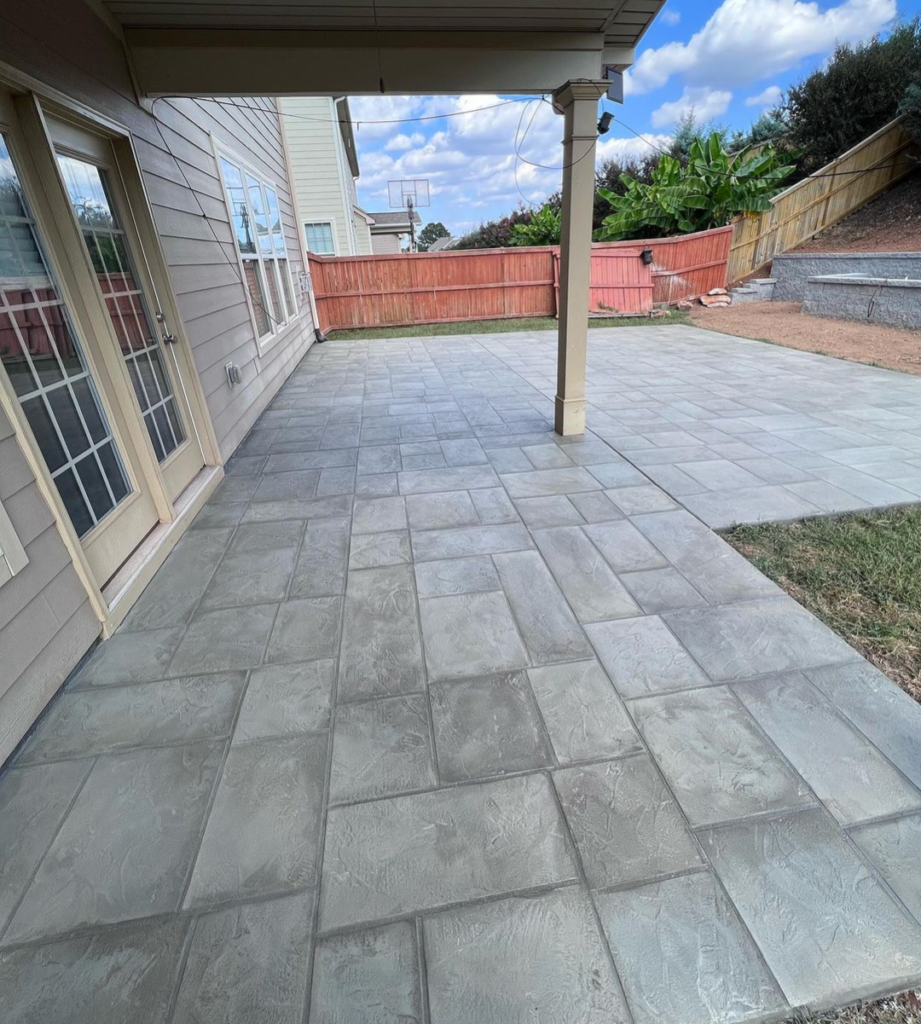
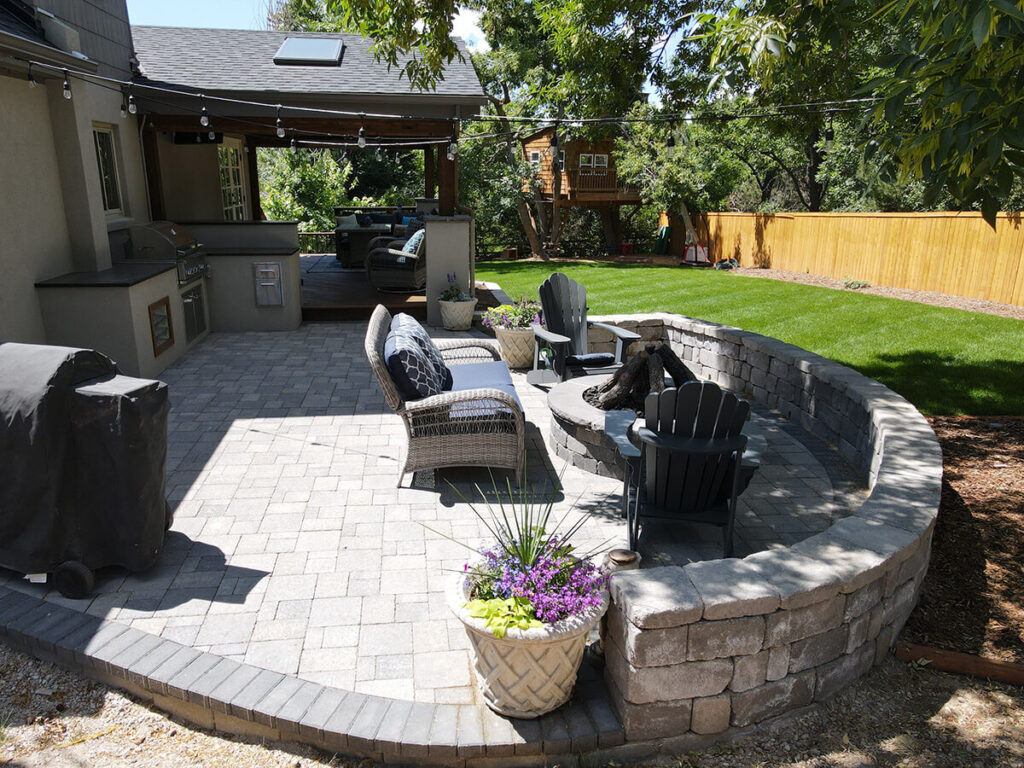
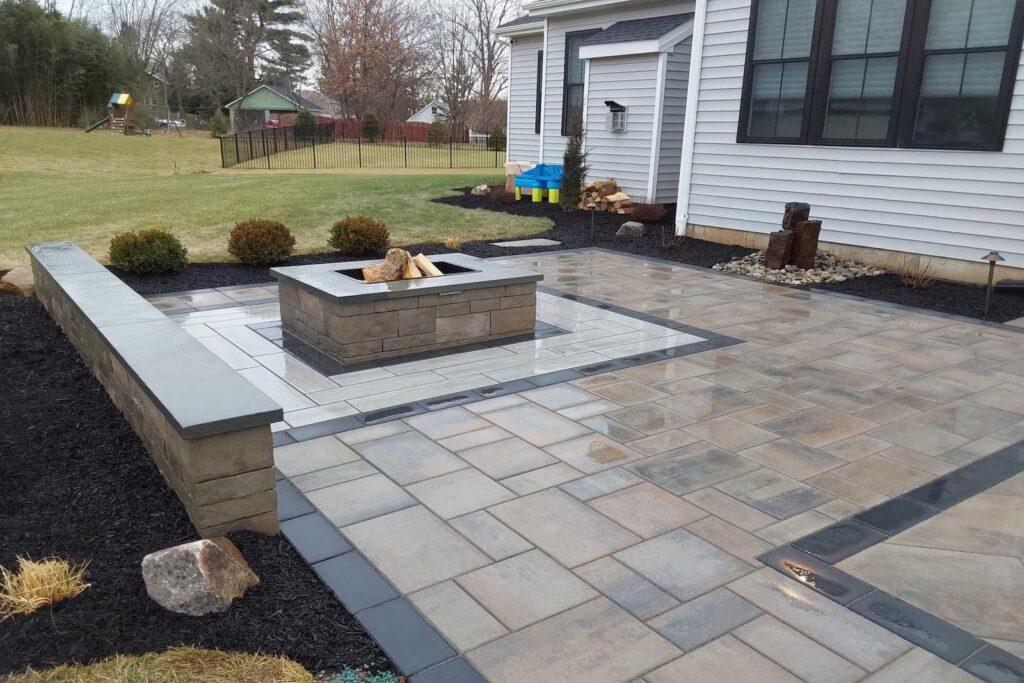
Popular Patio Installation Services in Washoe Valley
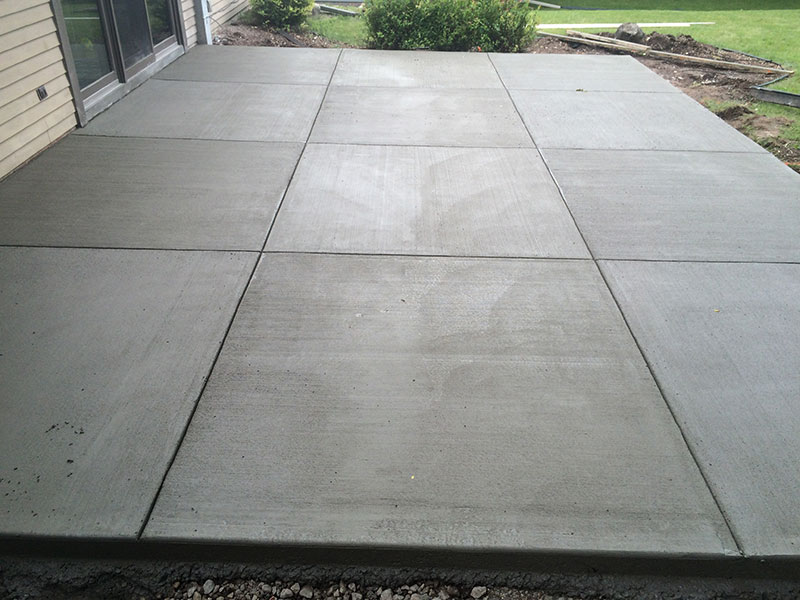
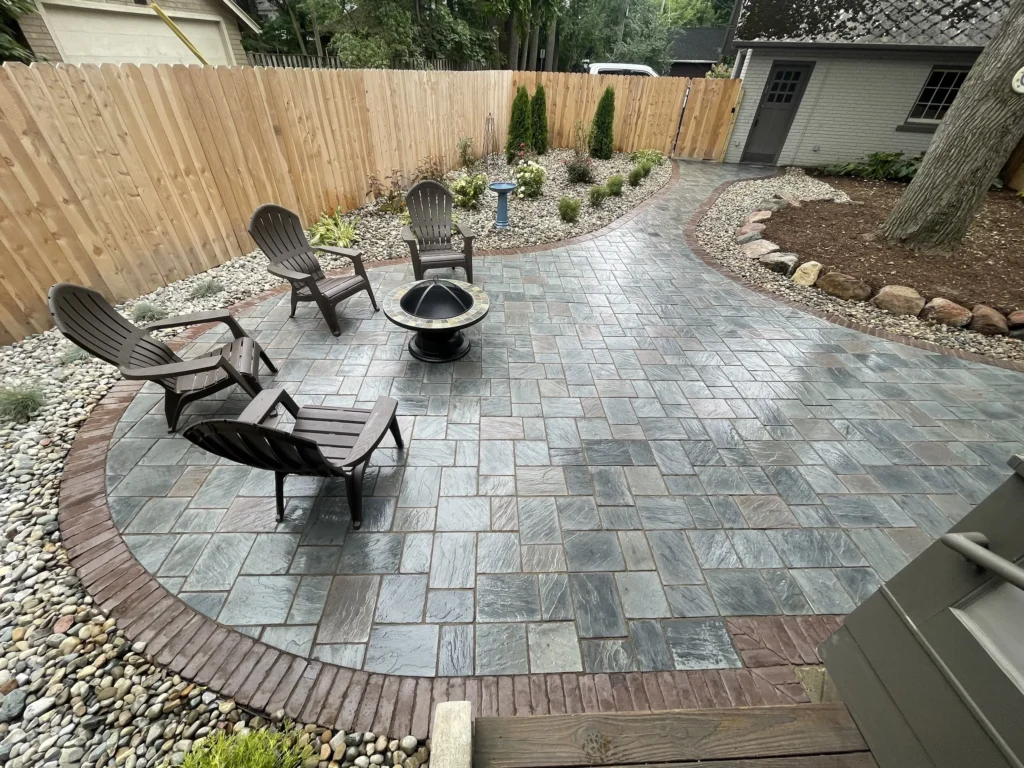
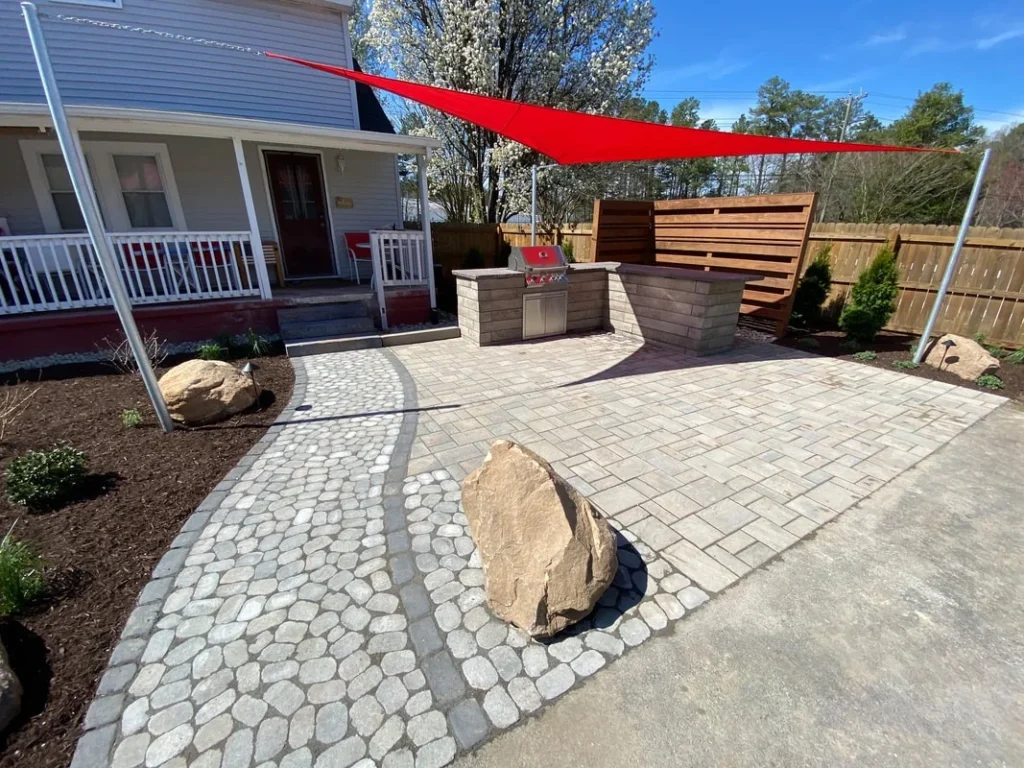
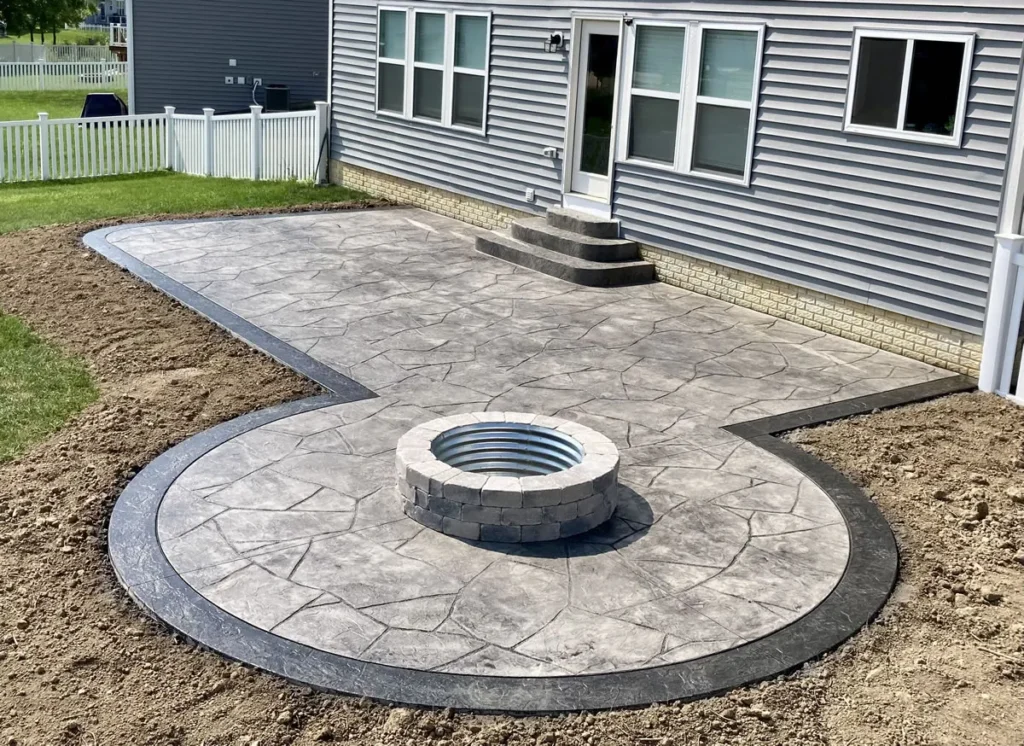
Our Patio Installation Process
1. Initial Consultation & Goals
We discuss your outdoor space goals, preferred materials, budget parameters, and how you plan to use the patio.
2. Site Evaluation
Installers evaluate your yard including soil conditions, drainage patterns, sun exposure, access for equipment, and existing landscaping.
3. Design & Scope Definition
Installers create patio design showing dimensions, material specifications, drainage plan, and integration with existing landscape features.
4. Contractor Matching
We connect you with experienced, insured patio installers. You receive multiple detailed quotes comparing materials, approaches, and pricing.
5. Permits & Construction
If required, installers obtain permits and utility clearances. They schedule work and order materials.
6. Final Inspection & Walkthrough
Installers review completed work, demonstrate proper care and maintenance, and address any questions. You receive guidance on sealing schedules and long-term care.
Patio Installation in Washoe Valley — What Homeowners Should Know
A Scenic Valley Between Two Cities
Washoe Valley is a census-designated place situated between Reno and Carson City along U.S. Route 395, centered around the scenic Washoe Lake. At approximately 5,138 feet elevation, the community encompasses roughly 124 square miles with a population of around 3,400 residents living on spacious properties that typically range from one acre to five acres or more. The valley offers genuine rural living with wide-open spaces, stunning views of the surrounding Sierra Nevada and Carson Range mountains, and convenient access to both urban centers—Reno is about 20 minutes north, while Carson City sits just 10 miles south.
The area’s historic roots date back to the Comstock mining era of the 1860s, when the valley served agricultural and transportation needs for nearby Virginia City. Today’s Washoe Valley is home to established neighborhoods like New Washoe City (developed primarily in the 1960s and 1970s), newer communities like St. James’s Village and Franktown Estates, and scattered custom homes throughout the valley. Properties here attract homeowners seeking space for horses, livestock, RVs, workshops, and outdoor activities while maintaining proximity to city amenities.
The architectural character reflects the valley’s evolution from rural agricultural area to desirable residential community. You’ll find everything from 1940s-era ranch homes to brand-new custom construction, with styles ranging from traditional western ranch to contemporary mountain modern designs. The common thread is properties designed to embrace rather than compete with the spectacular natural setting and mountain views that define the valley.
Understanding Washoe County Permitting
All of Washoe Valley falls under Washoe County jurisdiction for building permits, processed through the ONE Regional Licensing & Permits system. Ground-level patios under 30 inches high that aren’t located over basements or septic systems may be exempt from formal permitting, but most covered structures, elevated decks, and substantial patio installations require county approval.
Plans must be prepared by a Nevada-licensed contractor, design professional, or owner-builder. At Washoe Valley’s elevation and with winter weather conditions, structural engineering is strongly recommended for covered patios and required when snow loads exceed certain thresholds or when structures extend beyond prescriptive code limits. Contractors experienced in the area understand these requirements and factor engineering into their planning and pricing from the outset.
The county’s permitting process includes plan review, fee payment, and inspections at key construction phases. Experienced local contractors are familiar with county procedures and can guide you through the process efficiently, helping avoid delays or complications that can occur when working with contractors unfamiliar with Washoe County’s specific requirements.
HOA Considerations in Various Communities
Some areas within Washoe Valley have homeowners associations while many properties are not governed by HOAs. St. James’s Village, Franktown Estates, and Old Washoe Estates are gated communities with architectural review requirements for exterior modifications including patios and outdoor structures. New Washoe City has minimal HOA requirements with very modest dues. Many other properties throughout the valley have no HOA restrictions at all.
For properties within HOA boundaries, architectural committee approval is typically required before proceeding to county permitting. These committees generally focus on maintaining property values and ensuring projects are compatible with neighborhood character. The review process varies by community—some are quite formal while others are relatively straightforward.
Understanding your property’s HOA status and requirements is essential before planning any construction. Contractors familiar with Washoe Valley’s various communities know which areas have architectural review and can help design projects that will receive approval while meeting your functional needs.
Four-Season High-Desert Climate
Washoe Valley experiences a high-desert climate with four distinct seasons and significant temperature variation. Summer temperatures average around 89°F, though they can exceed 100°F during heat waves, with cool evening temperatures dropping into the 40s. Winter brings average lows around 21°F with occasional extreme cold, and the valley receives approximately 20 inches of snow annually—more than lower Reno areas but less than higher mountain communities.
The valley receives about 10 inches of precipitation per year, mostly falling as snow in winter with occasional spring rains. With an average of 251 sunny days annually, outdoor living spaces are functional much of the year when properly designed. The climate creates specific requirements for patio construction—materials must withstand freeze-thaw cycles, UV exposure at elevation is intense requiring proper sealing and UV-resistant products, and covered structures need to accommodate snow loads typical of 5,000-foot elevation.
Temperature swings of 30 to 40 degrees between day and night are common, particularly in summer. This affects material expansion and contraction and influences design choices. Covered patios provide genuine value here—offering shade from intense afternoon sun while creating usable space during cooler seasons when temperatures are comfortable but sun exposure remains significant.
Working with Valley Terrain and Views
Washoe Valley’s topography ranges from relatively flat valley floor areas to properties with rolling terrain and natural grade changes. Many lots have expansive views of Washoe Lake, the surrounding mountain ranges, or the valley itself—sight lines that thoughtful patio design can maximize. The presence of mature trees on some properties provides natural shade and wind protection, while others feature more open high-desert landscape.
Soil conditions vary throughout the valley. Valley floor areas typically have sandy, well-draining soils, while properties on the valley edges may have more rocky substrate. Understanding your specific lot’s soil characteristics is important for proper foundation design, drainage planning, and realistic project cost estimation.
The area’s historic use as agricultural land means some properties have existing irrigation, wells, and established landscaping that need to be considered in patio design. Many homeowners value the space for horses and livestock, so outdoor areas often need to accommodate both human enjoyment and property management activities.
Wildfire Considerations
Washoe Valley is designated as a high wildfire hazard area due to its vegetation, topography with slopes, and limited water resources for firefighting. While this doesn’t prevent patio construction, it does affect material choices and defensible space planning, particularly for covered structures. Building codes require specific construction standards in high-risk areas, including fire-resistant materials and ember-resistant design features.
Local contractors working regularly in wildfire-prone areas understand these requirements and can guide material selection to meet fire safety standards while maintaining aesthetic goals. Defensible space requirements around structures also influence landscaping choices adjacent to patios, but these considerations can be incorporated into overall design without severely limiting options.
Patio Installation Costs in Washoe Valley
Typical Project Cost Ranges
Patio construction costs in Washoe Valley reflect the area’s rural character, larger lot sizes, and elevation-related construction requirements. Here are realistic ranges for common projects:
| Project Type | Typical Cost Range | Notes |
|---|---|---|
| Basic Concrete Patio (200-300 sq ft) | $3,800 – $7,500 | May require grading on sloped lots |
| Stamped/Decorative Concrete Patio | $9 – $20 per sq ft | Popular for valley homes |
| Paver Patio Installation | $14 – $28 per sq ft | Wide material quality range |
| Natural Stone Patio (Flagstone) | $18 – $38 per sq ft | Complements rural setting |
| Basic Covered Patio/Pergola | $9,000 – $20,000 | Snow load considerations apply |
| Engineered Covered Patio | $16,000 – $38,000+ | May be required at this elevation |
| Elevated Deck Construction | $32 – $60 per sq ft | Common for lake view properties |
| Outdoor Kitchen Setup | $12,000 – $35,000+ | Propane common, natural gas limited |
| Stone Fire Pit or Fireplace | $2,500 – $10,000 | Very popular in valley homes |
These ranges include materials, labor, permits, and standard site preparation. Your actual costs depend on site conditions, project complexity, and material selections.
Key Factors That Influence Pricing
Several elements specific to Washoe Valley properties can significantly affect project costs:
Lot size and site access — Rural properties on multi-acre lots may involve longer material hauling distances from street to construction site, particularly for lots with long driveways or properties set back from the road. Some unpaved roads throughout the valley can affect equipment access during wet weather. These factors increase labor time and occasionally require different equipment approaches.
Elevation and snow load requirements — At over 5,000 feet elevation with winter snowfall averaging 20 inches annually, covered structures need to be designed for snow loads. While engineering may not be required for all projects, proper structural design that accounts for snow accumulation is essential. This affects both the construction specifications and long-term performance of covered patios.
Views and property orientation — Many Washoe Valley properties offer spectacular views of Washoe Lake or the surrounding mountains. Patio placement and design to maximize these sight lines may influence project scope and cost but delivers significant value through enhanced daily use and property appeal. Some view-oriented designs require elevated decks or special positioning that affects construction complexity.
Well water and utility considerations — Washoe Valley relies on domestic wells for water supply. If your patio project includes features requiring water—outdoor kitchens, sinks, water features—the installation must tie into your well system with proper freeze protection for outdoor plumbing. Most properties use propane rather than natural gas, which affects outdoor kitchen and fire feature installations.
Property grading and drainage — Some valley properties have minimal slope while others have rolling terrain. Creating level outdoor spaces on sloped lots requires grading, possible retaining walls, and careful drainage design to manage both seasonal snowmelt and occasional summer thunderstorm runoff. These site preparation costs can be substantial but are necessary for stable, functional patios.
Washoe Valley-Specific Cost Considerations
The spacious nature of valley properties means you have flexibility in patio size and placement that homeowners in more densely developed areas don’t enjoy. Many Washoe Valley patios are larger than typical suburban installations, taking advantage of the available space and creating genuine outdoor rooms for entertaining and year-round living.
The rural character and equestrian lifestyle common in the valley influence design choices. Patios often integrate with existing property features—horse facilities, workshops, RV storage areas—rather than existing as isolated landscape elements. This integration adds functional value but may affect overall project scope and cost.
Fire-resistant materials aren’t optional extras in wildfire-prone areas—they’re requirements that need to be built into project specifications from the start. While this may influence material choices, it doesn’t prevent achieving attractive, functional designs. Local contractors know which products meet fire safety standards while still delivering the aesthetic and performance characteristics homeowners want.
The Value of Site Evaluation and Transparent Estimates
Reliable contractors will visit your property to assess the specific terrain, access conditions, existing utilities, views, and any HOA requirements before providing estimates. This site evaluation allows them to give you accurate pricing that accounts for your unique circumstances rather than generic per-square-foot calculations that may not reflect actual costs.
Estimates should itemize major components—materials, labor, site preparation, permit fees, and engineering if required. This transparency helps you understand where your investment is going and allows you to make informed decisions about project scope, phasing, or material selections if needed.
Be particularly careful with estimates that seem notably lower than others. They may not account for travel to valley locations, may assume easier site conditions than actually exist, or may not include necessary engineering or fire-resistant materials. For rural properties with unique characteristics, experience with similar projects makes a substantial difference in execution quality and final results.
What Makes Our Contractor Network Different
Experience Throughout Washoe Valley Communities
The contractors in our network work regularly throughout Washoe Valley, from New Washoe City to St. James’s Village, Franktown Estates, and scattered properties throughout the valley. They understand the area’s variety—some properties have HOA requirements while others don’t, some lots are relatively flat while others have significant grade, and each property has unique access and utility considerations. This breadth of experience means they can adapt to your specific situation rather than applying one-size-fits-all approaches.
Understanding Rural Construction Realities
Building in a rural valley setting requires different approaches than suburban development. Local contractors know how to work efficiently with larger properties, understand the limitations of well water systems, recognize the importance of proper drainage on acreage properties, and can coordinate with county permitting for locations outside city limits. They’ve completed projects throughout the valley and understand what works long-term in this setting.
Knowledge of Washoe County Permitting
Contractors familiar with Washoe Valley projects understand county permitting procedures, know what documentation is needed, and recognize when engineering is required versus recommended. They can guide you through the process efficiently, helping avoid delays that can occur when working with contractors unfamiliar with county-specific requirements. Their established relationships with county staff can help resolve questions quickly when they arise.
Familiarity with Multiple HOA Communities
For properties within HOA boundaries, experienced contractors understand the different architectural review processes in St. James’s Village, Franktown Estates, and other communities. They know what committees typically approve, how to present plans effectively, and realistic timelines for review. This knowledge prevents frustrating revision cycles and helps projects move forward smoothly.
Climate-Appropriate Material Selection
At 5,138 feet elevation with significant temperature swings, intense UV exposure, and regular freeze-thaw cycles, not all materials perform equally well. Local contractors know which products hold up long-term in Washoe Valley conditions, which require special installation considerations, and which tend to fail prematurely. Their material recommendations are based on actual performance experience in similar valley properties, not just product marketing claims.
Licensed & Insured Contractors Only
Every contractor in our network maintains active Nevada contractor licensing and carries appropriate liability insurance and workers’ compensation coverage. We verify these credentials before making referrals. This protects you from liability if someone is injured during construction on your property and ensures you’re working with professionals who meet state standards. For rural properties where response times may be longer and sites may have unique hazards, proper contractor insurance provides essential protection.
Let's Start Your Patio Installation in Washoe Valley!
Imagine having your own outdoor room where you can eat dinner under the stars, host BBQs with friends, or just relax with morning coffee. We connect families with honest, skilled patio contractors who make that dream real.
Need Help?
Frequently Asked Questions About Patio Installation in Washoe Valley
Below are some of the most common questions Our Network get from families about Patio remodel. If you have any other questions contact us!
How long does patio installation take?
Most patios install in 3-7 days depending on size and material. Concrete patios require 3-5 days including curing time. Paver and stone patios typically take 3-7 days. Site preparation, weather, and complexity affect timeline.
How long do patios last?
Properly installed patios last decades. Concrete patios: 25-50+ years. Pavers: 30-50+ years with minimal maintenance. Natural stone: 50+ years. Lifespan depends on installation quality, maintenance, and site conditions.
Do patios need maintenance?
Maintenance varies by material. Concrete patios should be resealed every 3-5 years. Paver patios need occasional joint sand replenishment and cleaning. Stone patios benefit from periodic sealing. All patios need occasional cleaning and weed control in joints.
When is the best time to install a patio?
Spring through fall offers ideal conditions in Reno. Summer heat doesn’t prevent installation but affects concrete curing. Winter installation is possible during mild periods but not ideal. Most homeowners install spring or early fall for completion before peak outdoor season.
Talk to a Patio Installer in Washoe Valley
Whether your property offers views of Washoe Lake, sits among mature trees in New Washoe City, overlooks the valley from elevated terrain, or provides equestrian facilities in a gated community, creating an outdoor living space that works with your setting requires contractors who understand rural valley construction. Our contractor network includes professionals experienced throughout the greater Reno area’s valley communities, from Washoe Valley to nearby Pleasant Valley and the surrounding areas between Reno and Carson City.