
Professional Flooring Installation in Reno, NV
Looking for flooring installation in Reno? You're in the right place. We connect you with local flooring contractors who do beautiful work, charge fair prices, and treat your home with respect.
Popular Flooring Installation Services in Reno
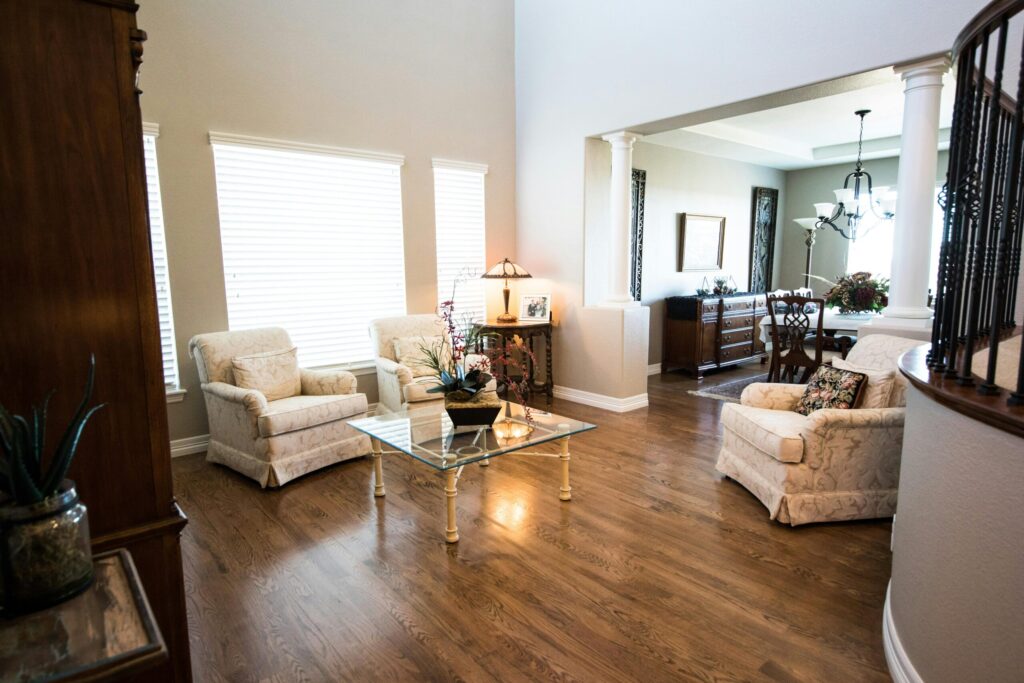
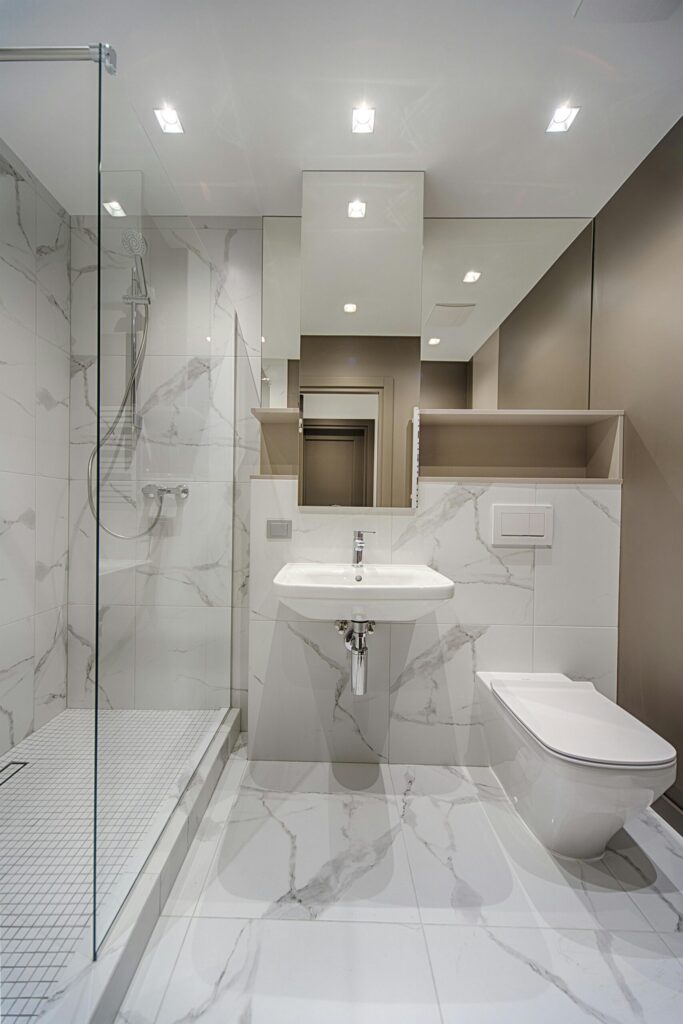
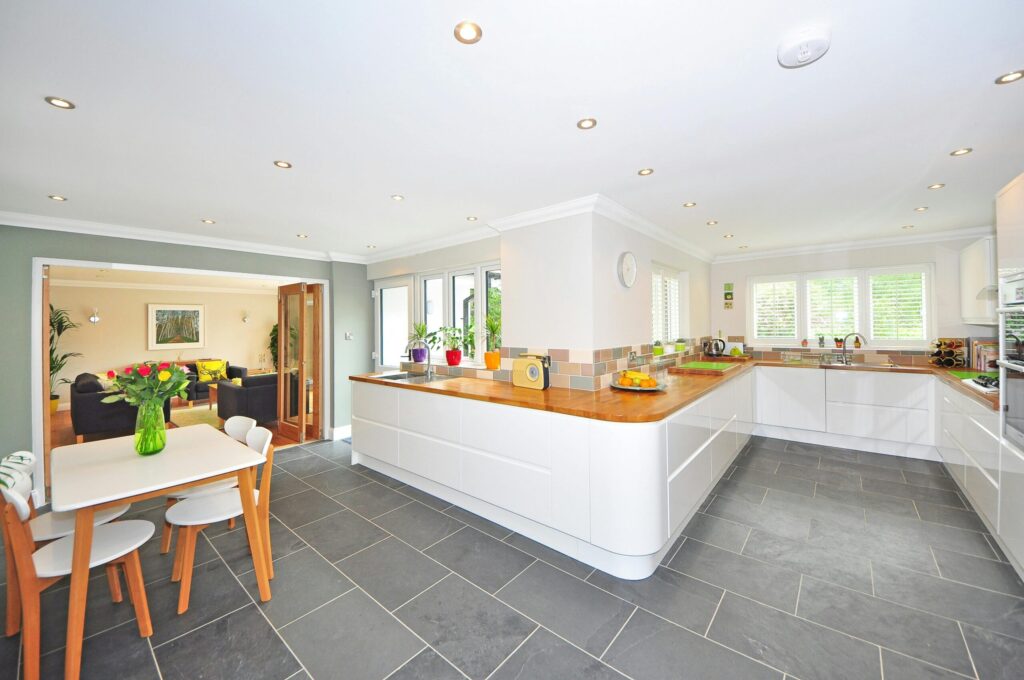
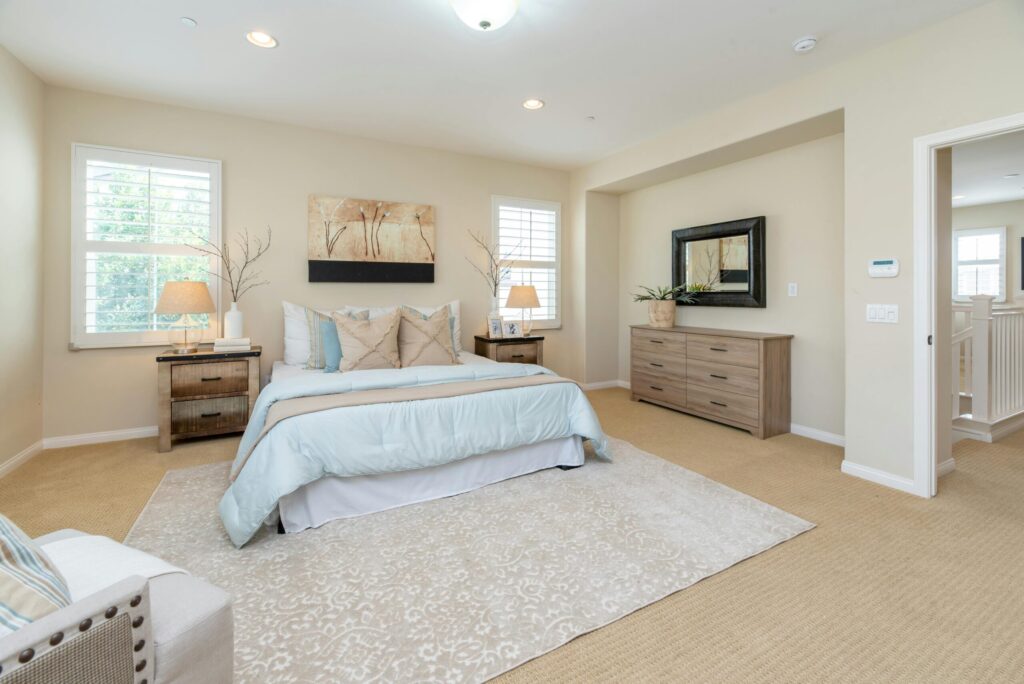
Our Flooring Installation Process
1. Initial Consultation & Goals
We discuss your flooring preferences, room usage, budget parameters, and timeline. Understanding your lifestyle helps determine suitable materials.
2. Site Evaluation
Installers visit to measure rooms, assess subfloor condition, identify moisture issues, evaluate transitions, and discuss material options.
3. Design & Scope Definition
Installers provide material recommendations for Reno's climate, show samples, explain pros and cons, and provide detailed cost estimates.
4. Contractor Matching
We connect you with experienced, insured flooring installers. You receive multiple detailed quotes comparing materials, approaches, and pricing.
5. Permits & Construction
Once you select a contractor and materials, they order flooring and schedule installation. Wood products delivered early for acclimation.
6. Final Inspection & Walkthrough
Installers review completed work, demonstrate proper care specific to your flooring type, and address any questions.
Flooring Installation in Reno — What Homeowners Should Know
Climate Impact on Flooring Materials
Reno’s high-desert climate affects flooring performance:
Low humidity — Reno averages 7.5 inches annual precipitation with very low indoor humidity, especially during winter heating. Wood flooring contracts in dry conditions, potentially causing gaps between boards. Proper acclimation and installation techniques minimize movement.
Temperature fluctuations — Seasonal temperature swings cause expansion and contraction in flooring materials. Installation must accommodate this movement through proper spacing and transitions.
Dry air effects — Static electricity more common with certain flooring types in low humidity. Some materials may become brittle without adequate moisture content.
Heating systems — Forced air heating further reduces indoor humidity. Radiant floor heating requires specific flooring types and installation methods.
Material Performance in Reno
Solid hardwood — Beautiful natural material. Expands and contracts with humidity changes. Reno’s dry climate can cause gapping between boards. Requires acclimation period before installation. Not recommended for basements or areas with moisture. Regular humidification helpful. Lifespan: 50-100+ years with refinishing.
Engineered hardwood — More dimensionally stable than solid wood. Multiple wood layers resist expansion/contraction. Better choice for Reno’s climate than solid hardwood. Can be installed in basements. Suitable over radiant heat. Lifespan: 30-50 years depending on wear layer thickness.
Tile (ceramic/porcelain) — Excellent for Reno’s climate. Unaffected by humidity changes. Durable and moisture-resistant. Cold underfoot without radiant heat. Grout requires periodic sealing. Natural stone requires more maintenance than porcelain. Lifespan: 50-100+ years.
Luxury vinyl plank (LVP) — Increasingly popular choice. Waterproof and dimensionally stable. Realistic wood appearance. Comfortable underfoot. Handles temperature fluctuations well. No acclimation needed. Lifespan: 15-25 years.
Laminate — Cost-effective wood-look option. Generally stable in dry climate. Not waterproof (though water-resistant options available). Comfortable underfoot. Cannot be refinished. Lifespan: 15-25 years.
Carpet — Comfortable and warm. Good insulation value. Holds up well in Reno’s dry climate. Static electricity possible without treatment. Regular vacuuming essential. Stain resistance varies by fiber type. Lifespan: 10-20 years depending on quality and traffic.
Vinyl sheet — Waterproof and resilient. Good for bathrooms and laundries. Seamless installation reduces moisture penetration. Limited design options compared to other materials. Lifespan: 15-25 years.
Subfloor Requirements
Proper subfloor preparation critical for flooring performance:
Concrete subfloors:
- Must be level within specifications (varies by flooring type)
- Moisture testing required for some installations
- Self-leveling compound addresses low spots
- Vapor barriers necessary for many flooring types
- Crack repair important before installation
Wood subfloors:
- Must be structurally sound and properly fastened
- Level within tolerance (typically 3/16″ over 10 feet)
- Squeaks addressed before flooring installation
- Underlayment added for some flooring types
- Moisture barrier in crawl spaces or basements
Material Acclimation
Critical for wood products in Reno’s climate:
- Hardwood flooring should acclimate 7-14 days in installation location
- Room should be at normal living temperature and humidity
- Allows material to adjust to indoor conditions
- Reduces post-installation expansion or contraction
- Laminate typically requires 48-72 hours acclimation
Radiant Floor Heating Compatibility
Popular in Reno for comfort:
Compatible materials:
- Engineered hardwood (most types)
- Tile and stone (excellent conductors)
- Luxury vinyl plank (check manufacturer specifications)
- Some laminate products
Not recommended:
- Solid hardwood (excessive drying)
- Thick carpet with heavy pad (insulates heat)
Always verify manufacturer approval for radiant heat applications.
Permits, Inspections & Code Requirements
When Permits Are Required
Most flooring installations don’t require permits in Reno. However, permits may be required for:
- Structural subfloor modifications
- Flooring installations involving plumbing or electrical work
- Commercial flooring projects
- Installations in areas requiring accessibility compliance
Building Code Considerations
While permits may not be required, professional installers follow building standards:
Stairway flooring:
- Proper nosing and tread depth
- Consistent riser heights
- Adequate slip resistance
Transition requirements:
- Smooth transitions between flooring types
- Proper height matching at doorways
- ADA compliance for commercial applications
Moisture protection:
- Vapor barriers where required
- Proper waterproofing in wet areas
- Ventilation in crawl spaces
How Much Does Flooring Installation Cost in Reno?
Flooring costs vary significantly based on material choice, room size, subfloor condition, and installation complexity.
Cost by Material Type (Installed)
Carpet:
- Builder-grade: $3–$6 per square foot
- Mid-grade: $6–$10 per square foot
- Premium: $10–$15 per square foot
- Includes pad and installation
Vinyl plank (LVP):
- Standard: $6–$10 per square foot
- Premium: $8–$12 per square foot
- Includes underlayment and installation
Laminate:
- Basic: $5–$8 per square foot
- Mid-grade: $7–$10 per square foot
- Premium: $9–$12 per square foot
- Includes underlayment and installation
Engineered hardwood:
- Standard: $8–$12 per square foot
- Premium: $12–$18 per square foot
- Includes installation (floating or glue)
Solid hardwood:
- Oak (common grades): $10–$15 per square foot
- Premium species: $15–$25 per square foot
- Includes installation, sanding, and finishing
Tile:
- Ceramic: $8–$15 per square foot
- Porcelain: $10–$18 per square foot
- Natural stone: $15–$30 per square foot
- Includes thinset, grout, and installation
Vinyl sheet:
- Standard: $4–$7 per square foot
- Premium: $6–$10 per square foot
- Includes installation
Common Room Sizes and Costs
Small room (100 sq ft – bathroom/small bedroom):
- Carpet: $300–$1,500
- Vinyl plank: $600–$1,200
- Tile: $800–$1,800
- Engineered hardwood: $800–$1,800
Medium room (200 sq ft – bedroom):
- Carpet: $600–$3,000
- Vinyl plank: $1,200–$2,400
- Laminate: $1,000–$2,000
- Engineered hardwood: $1,600–$3,600
- Tile: $1,600–$3,600
Large room (400 sq ft – living room):
- Carpet: $1,200–$6,000
- Vinyl plank: $2,400–$4,800
- Engineered hardwood: $3,200–$7,200
- Solid hardwood: $4,000–$10,000
- Tile: $3,200–$7,200
Whole house (1,500 sq ft):
- Carpet: $4,500–$22,500
- Vinyl plank: $9,000–$18,000
- Laminate: $7,500–$15,000
- Engineered hardwood: $12,000–$27,000
- Tile: $12,000–$27,000
Additional Cost Factors
Subfloor preparation:
- Leveling compound: $2–$5 per square foot
- Plywood underlayment: $1.50–$3 per square foot
- Moisture barrier: $0.50–$1.50 per square foot
- Subfloor repair: $3–$8 per square foot
Removal and disposal:
- Carpet removal: $1–$2 per square foot
- Tile removal: $3–$5 per square foot
- Hardwood removal: $2–$4 per square foot
- Disposal fees: $100–$500
Additional services:
- Furniture moving: $50–$200 per room
- Baseboard removal/reinstallation: $2–$4 per linear foot
- Stair installation: $50–$150 per step additional
- Transition strips: $5–$15 per linear foot
Why Work With Our Local Network Of Installers
Understanding of Climate Impacts
Reno installers know how our dry climate affects different flooring materials. They use appropriate acclimation procedures and installation techniques for local conditions.
Experience With Subfloor Challenges
Local installers regularly work with Reno-area homes and understand common subfloor issues in different eras of construction. They know proper remediation methods.
Knowledge of Material Performance
Experienced Reno installers recommend materials that perform reliably in our climate. They understand which products handle low humidity and temperature fluctuations well.
Established Supplier Relationships
Connections with local flooring suppliers ensure access to quality materials, competitive pricing, and adequate stock for repairs or future projects.
Ongoing Service and Support
Local installers remain available for questions about care, minor repairs, or future flooring projects. Their local presence provides accountability.
About Reno Home Remodel
Reno Home Remodel connects homeowners with experienced, insured local flooring installers who deliver quality installation and professional service. We carefully review installers in our network to ensure they follow proper installation techniques, understand subfloor preparation requirements, and maintain high standards of workmanship. Our focus is helping homeowners find skilled professionals who install flooring that performs well and lasts.
Let's Start Your Flooring Installation in Reno
Let’s chat about your ideas! Getting started is easy – simply reach out with details about your flooring project, and we’ll connect you with qualified, licensed flooring contractors.
Need Help?
Frequently Asked Questions About Flooring Installation in Reno
Below are some of the most common questions Our Network get from families about flooring remodel. If you have any other questions contact us!
How long does flooring installation take?
Timeline varies by material and square footage. Single room: 1-3 days. Multiple rooms: 3-7 days. Whole house: 1-3 weeks. Carpet installs fastest. Hardwood requiring sanding/finishing takes longest. Subfloor repairs add time.
What's the best flooring for Reno's climate?
No single “best” option—choices depend on room usage, budget, and preferences. Tile and LVP handle low humidity well with minimal maintenance. Engineered hardwood more stable than solid wood. All quality materials perform adequately with proper installation. Discuss specific needs with installers.
Do I need to move furniture?
Most installers offer furniture moving services for additional fee. Smaller items you can remove yourself reduce costs. Large furniture typically moved by installers room by room during installation. Discuss arrangements during consultation.
Can new flooring go over existing flooring?
Sometimes. Vinyl plank or laminate can often go over existing hard surfaces if level and sound. Carpet typically requires removal of old flooring. Hardwood requires proper subfloor. Tile needs stable, level substrate. Installers assess feasibility during consultation.
How long before I can walk on new flooring?
Varies by material. Carpet: immediately. Vinyl/laminate: immediately. Engineered hardwood (floating): immediately. Tile: 24-48 hours for foot traffic. Hardwood with polyurethane finish: 24 hours for socks, several days for normal use. Installers provide specific guidance.
Do hardwood floors need special care in Reno's dry climate?
Low humidity can cause gaps between boards. Maintain indoor humidity 35-55% if possible using humidifiers during heating season. Clean with appropriate hardwood floor cleaner. Avoid excessive water. Area rugs in high-traffic areas extend finish life.
REAL STORIES FROM SATISFIED CUSTOMERS



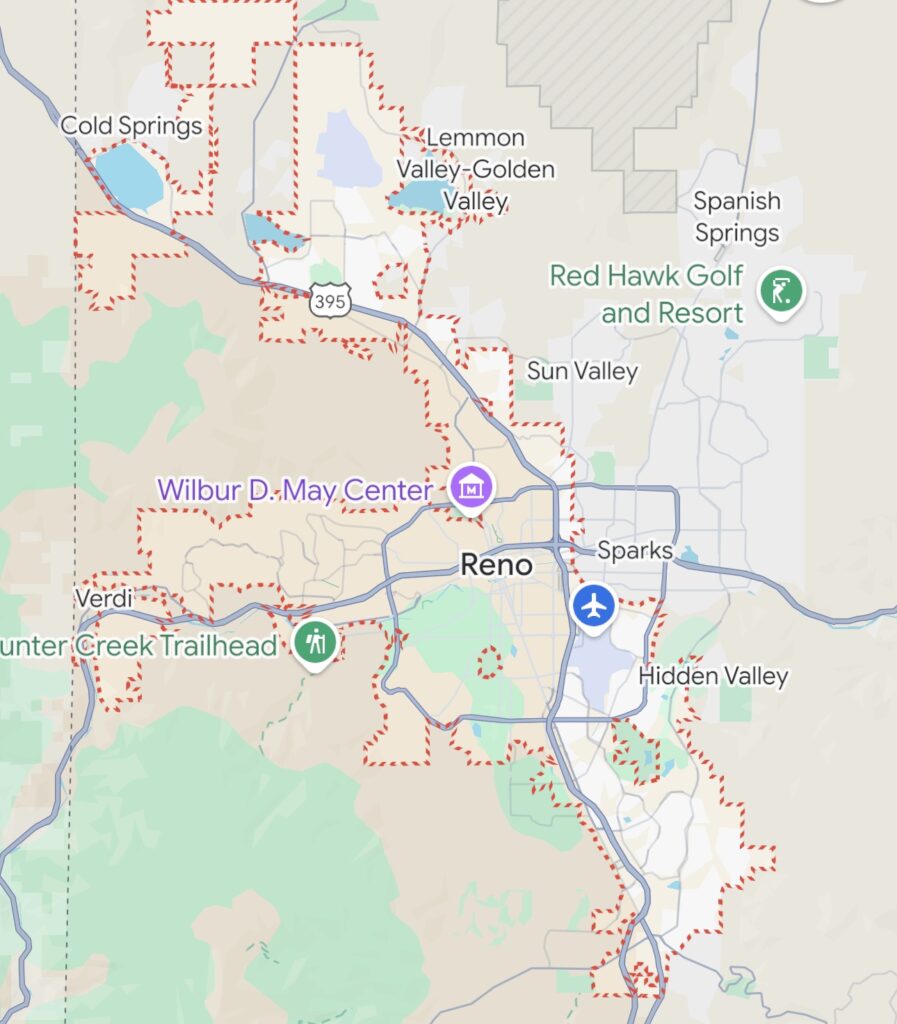
We provide services in the following cities:
- Montreux, NV
- Virginia City Highlands, NV
- Washoe Valley, NV
- Fernley, NV
- Dayton, NV
- Silver Springs, NV
- Cold Springs, NV
- Stead, NV
- St. James Village, NV
- Steamboat, NV
- Hidden Valley, NV
- Panther Valley, NV
- Wadsworth, NV
- Empire, NV
Talk to a Flooring Installer in Reno
Ready to upgrade your flooring? Connect with experienced local installers who understand Reno’s climate and deliver quality installations. Get in-home assessments, material recommendations, and transparent pricing for your flooring project.