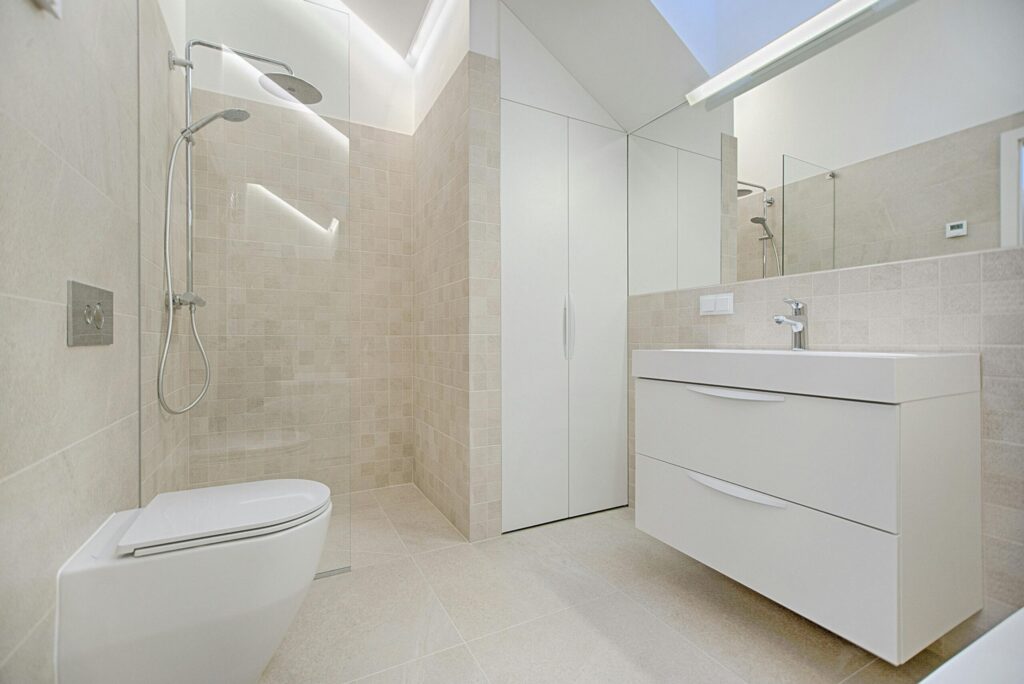
LVP Flooring Installation in Sparks, NV
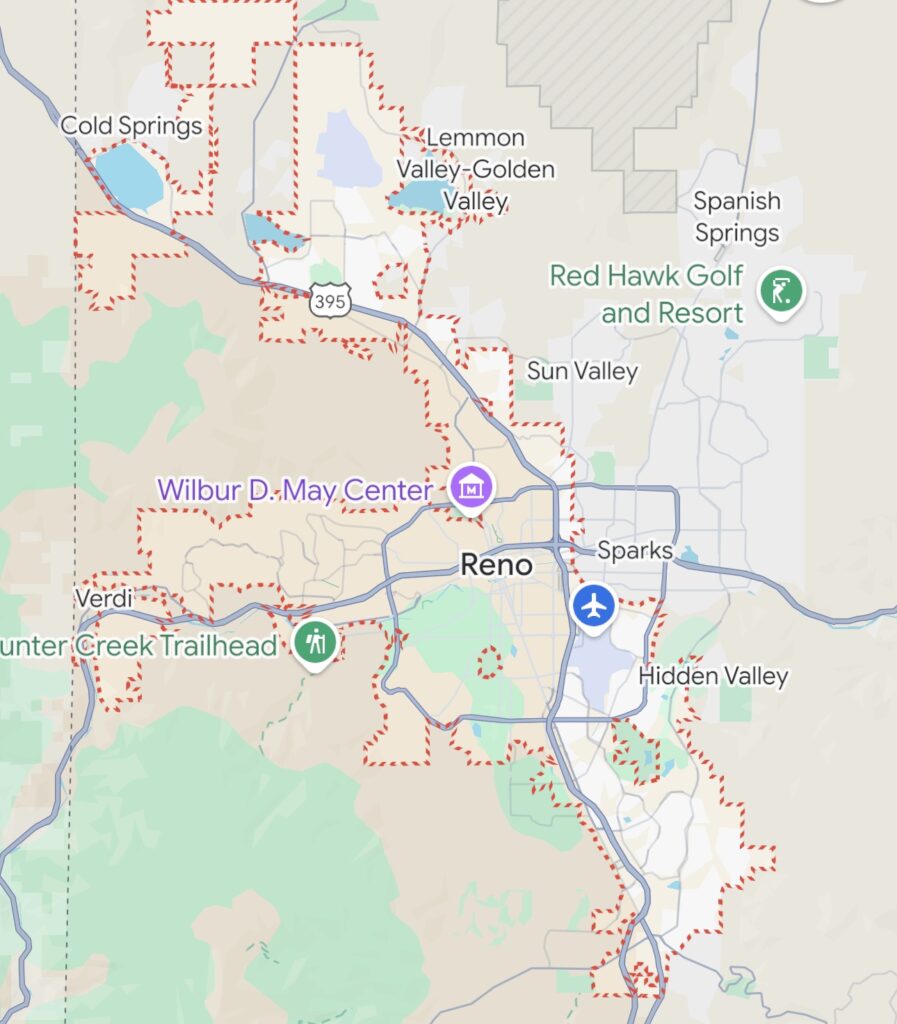
Looking for flooring installation in Sparks? You're in the right place. We connect you with local flooring contractors who do beautiful work, charge fair prices, and treat your home with respect.
Popular Flooring Installation Services in Sparks
Our Flooring Installation Process
1. Initial Consultation & Goals
We discuss your flooring preferences, room usage, budget parameters, and timeline. Understanding your lifestyle helps determine suitable materials.
2. Site Evaluation
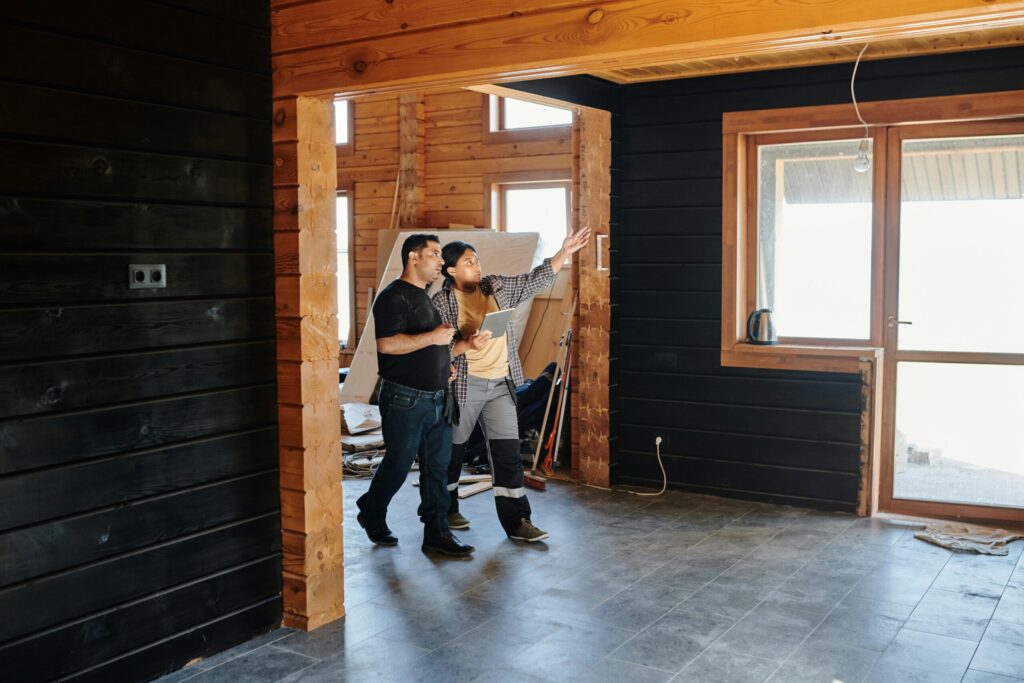
Installers visit to measure rooms, assess subfloor condition, identify moisture issues, evaluate transitions, and discuss material options.
3. Design & Scope Definition
Installers provide material recommendations for Reno's climate, show samples, explain pros and cons, and provide detailed cost estimates.
4. Contractor Matching
We connect you with experienced, insured flooring installers. You receive multiple detailed quotes comparing materials, approaches, and pricing.
5. Permits & Construction
Once you select a contractor and materials, they order flooring and schedule installation. Wood products delivered early for acclimation.
6. Final Inspection & Walkthrough
Installers review completed work, demonstrate proper care specific to your flooring type, and address any questions.
Flooring Installation in Sparks — What Homeowners Should Know
Housing Stock and Neighborhood Diversity
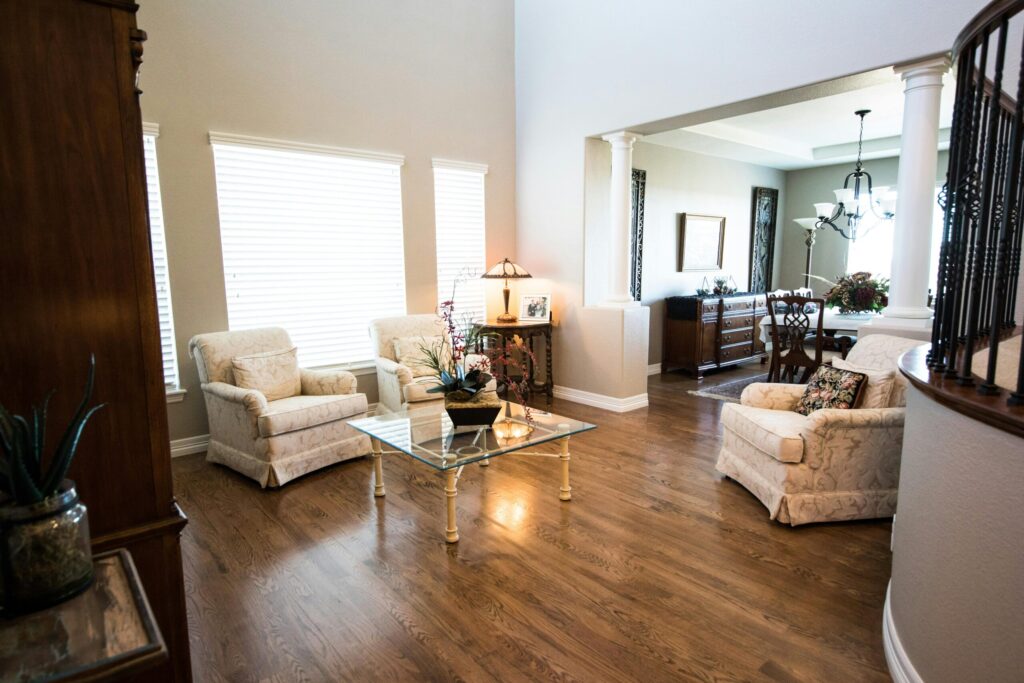
Sparks neighborhoods reflect decades of growth and development across the city. Older established areas near downtown and North Rock feature homes primarily from the 1950s through the 1970s, with ranch-style layouts and split-levels that often have original hardwood floors beneath layers of carpet or vinyl. Newer master-planned communities like Spanish Springs, Wingfield Springs, and D’Andrea contain homes built from the 1990s forward with modern open-concept floor plans and builder-grade carpet or laminate that many homeowners eventually upgrade. The Victorian Square area near downtown has seen revitalization with loft conversions and updated properties attracting young professionals and empty nesters seeking walkable urban living. This housing diversity means flooring projects range from historic hardwood restoration to complete material replacement in homes where original flooring has reached end of life.
Concrete Slab Foundations and Subfloor Considerations
Most Sparks homes, particularly those built from the 1970s forward, sit on concrete slab foundations rather than crawl spaces or basements. This construction affects flooring choices and installation methods significantly. Concrete slabs provide stable, level surfaces ideal for tile, vinyl, and engineered hardwood, but require moisture barriers and appropriate underlayment for many flooring types. Older slabs may have settling cracks or moisture issues that contractors must address before installation. Homes with wood subfloors over raised foundations—more common in older downtown areas—allow nail-down hardwood installation but may require subfloor repairs or leveling before new flooring can be installed. Contractors experienced in Sparks understand these foundation variations and can assess subfloor conditions to recommend appropriate installation methods.
Permitting Through the City of Sparks
The City of Sparks Building & Safety Division handles building permits through the Accela Customer Access Portal at onenv.us. Most flooring installation projects don’t require building permits since they’re considered cosmetic improvements that don’t alter structural elements. However, permits become necessary when flooring projects involve structural modifications—removing load-bearing walls to open floor plans, adding or modifying floor trusses, or work that affects electrical, plumbing, or mechanical systems beneath floors. Projects requiring permits must submit plans through the electronic portal, and contractors must be licensed to work in Sparks (separate from state licensing). Homeowners should verify contractor licensing through the city’s online database. While most straightforward flooring replacements proceed without permits, contractors experienced in Sparks understand when projects cross the threshold requiring city approval.
HOA Requirements in Master-Planned Communities
Many Sparks master-planned communities operate under homeowners associations with specific requirements for exterior modifications, though interior improvements like flooring typically don’t require HOA approval. However, townhomes, condos, and properties with shared structures may have restrictions about noise during installation, working hours, or requirements for sound-dampening underlayment to reduce impact on neighbors below. Communities like Spanish Springs and Wingfield Springs may have construction hour restrictions or requirements to notify neighbors before major renovation work. Contractors familiar with Sparks understand these community-specific considerations and can schedule work appropriately.
Climate Impact on Flooring Materials
Sparks’ high desert climate affects flooring material performance and selection. The area experiences hot, dry summers with temperatures regularly in the 90s and cold winters with freezing temperatures and occasional snow. Relative humidity remains low year-round, typically 20-40%, creating dry conditions that affect wood moisture content and dimensional stability. Hardwood flooring must be properly acclimated to Sparks’ low humidity environment before installation to prevent gaps from forming as wood contracts. Engineered hardwood performs better than solid hardwood in extreme humidity fluctuations because its layered construction resists expansion and contraction. Laminate and vinyl products need underlayment with vapor barriers when installed over concrete slabs to prevent moisture transmission from affecting materials. The intense UV exposure through windows can fade carpets, hardwood finishes, and some vinyl products over time, making UV-resistant finishes and materials worth considering for sun-exposed rooms.
Indoor Air Quality and Dust Considerations
Northern Nevada’s dry climate and occasional high winds create dusty conditions that affect flooring choices. Carpet traps dust, allergens, and particulates, requiring regular vacuuming to maintain indoor air quality. Many Sparks homeowners, particularly those with allergies or respiratory sensitivities, prefer hard-surface flooring—hardwood, tile, vinyl, or laminate—that’s easier to clean and doesn’t harbor dust and allergens. The low humidity also means static electricity builds up more readily on certain flooring types, particularly carpets and some laminates, which can be annoying during winter months. Contractors can recommend anti-static treatments or specific products that minimize these issues.
Flooring Installation Costs in Sparks
Typical Material and Installation Cost Ranges
Flooring installation pricing in Sparks reflects both material selection and project complexity. The following ranges represent typical costs including both materials and professional installation:
| Flooring Type | Cost per Square Foot | Typical 500 SF Project |
|---|---|---|
| Carpet (mid-grade) | $3 – $8 | $1,500 – $4,000 |
| Luxury Vinyl Plank/Tile | $4 – $10 | $2,000 – $5,000 |
| Laminate | $4 – $9 | $2,000 – $4,500 |
| Engineered Hardwood | $6 – $14 | $3,000 – $7,000 |
| Solid Hardwood | $8 – $18 | $4,000 – $9,000 |
| Tile (ceramic/porcelain) | $7 – $15 | $3,500 – $7,500 |
| Natural Stone Tile | $10 – $25 | $5,000 – $12,500 |
These ranges include standard installation on prepared subfloors. Projects requiring extensive subfloor repair, complex patterns, or premium materials often exceed these estimates.
Key Factors That Influence Pricing
Material Quality and Grade: Within each flooring category, quality varies dramatically. Budget carpet at $3/SF wears quickly and may need replacement in 5-7 years, while premium nylon or wool carpet at $7-8/SF lasts 15+ years. Luxury vinyl plank ranges from basic $4/SF products to premium waterproof options with realistic wood textures at $10/SF. Solid hardwood varies from $8/SF for red oak to $18+/SF for exotic species like Brazilian cherry. These material choices directly impact both upfront cost and long-term value.
Room Size and Layout Complexity: Larger rooms generally cost less per square foot due to installation efficiency, while smaller rooms or spaces with many corners, angles, and obstacles increase labor time. Hallways, bathrooms, and closets cost more per square foot than open living areas. Homes with open floor plans allowing continuous flooring across multiple rooms see better per-square-foot pricing than compartmentalized layouts requiring multiple transitions and cuts.
Subfloor Condition and Preparation: Concrete slabs may need grinding to remove old adhesive, self-leveling compound to correct uneven surfaces, or moisture mitigation systems if testing reveals high moisture transmission. Wood subfloors may require new plywood installation, squeaky floor repairs, or leveling work. Extensive subfloor preparation can add $2-5/SF to project costs, while minor prep work adds less. Contractors experienced in Sparks know that older homes often have subfloor issues requiring attention before new flooring installation.
Old Flooring Removal and Disposal: Removing existing carpet typically costs $0.50-$1.50/SF including disposal, while tile or hardwood removal can cost $2-$4/SF due to labor intensity and disposal weight. Homes with multiple layers of old flooring face higher removal costs. Some contractors include removal in their installation quotes while others bill it separately.
Transition Strips and Finishing Details: Quality installations require transition strips between different flooring types or rooms, baseboards to cover expansion gaps, and stair nose molding for stairs. These finishing materials add $2-$6 per linear foot depending on material choice. Quarter-round or shoe molding installation adds labor costs but creates professional finished appearances.
Moisture Barriers and Underlayment: Concrete slab installations typically require 6-mil plastic sheeting vapor barriers ($0.15-$0.30/SF) and foam or cork underlayment ($0.50-$2/SF) depending on flooring type. Sound-dampening underlayment for condos or townhomes costs more but reduces noise transmission. These seem like minor expenses but add up across larger projects.
Sparks-Specific Cost Considerations
High Desert Climate Material Requirements: Sparks’ low humidity and temperature extremes favor engineered hardwood over solid hardwood for dimensional stability, though engineered products cost $2-4/SF more than comparable solid wood. Contractors familiar with local conditions recommend specific products proven to perform well in Northern Nevada’s climate, potentially avoiding warranty claims or premature failure.
Spanish Springs and Newer Community Standards: Master-planned communities with higher property values often drive homeowners toward premium flooring choices that maintain property values and meet neighbor expectations. What might be adequate flooring in older neighborhoods may look dated in newer Spanish Springs homes where buyers expect quality finishes.
Distance from Suppliers: While Sparks has local flooring suppliers, specialty materials may come from Reno-area warehouses or require special ordering. Delivery fees and contractor travel time can affect project costs, though most established contractors have relationships minimizing these impacts.
Seasonal Scheduling: Flooring contractors stay busy year-round in Sparks, but spring and summer see higher demand as homeowners tackle renovation projects. Scheduling installations during slower winter months may provide opportunities for better pricing or faster availability.
Transparent, Itemized Estimates
Quality contractors provide detailed written estimates separating material costs (including specific product names and grades), labor for installation, subfloor preparation, old flooring removal and disposal, underlayment and moisture barriers, transition strips and molding, and any other project-specific requirements. This transparency allows homeowners to understand exactly what they’re paying for and make informed decisions about material upgrades or scope adjustments. Be cautious of quotes that seem unusually low—they may reflect substandard materials, inadequate subfloor preparation, or contractors lacking proper licensing and insurance. The contractors in Reno Home Remodel’s network provide clear, professional estimates that help homeowners compare options fairly.
What Makes Our Contractor Network Different
Local Material Performance Knowledge
Contractors in our network who regularly work in Sparks understand which flooring materials perform well in Northern Nevada’s high desert climate and which create problems. They know that certain laminate products gap in low humidity, that specific hardwood species handle dry conditions better than others, and which vinyl products resist fading in sun-exposed rooms. They’ve seen which shortcuts fail and which installation methods produce floors that last decades despite Sparks’ challenging climate. This experience prevents homeowners from investing in materials that look good in showrooms but underperform in actual use.
Subfloor Assessment and Preparation Expertise
Sparks homes’ concrete slab foundations and varying subfloor conditions require contractors who understand proper preparation techniques. Experienced contractors know how to test concrete moisture levels, recognize when self-leveling compound is necessary, and identify subfloor damage that must be corrected before flooring installation. They understand that inadequate preparation causes most flooring failures—squeaky floors, separated planks, cracked tiles, or premature wear. Taking time for proper subfloor work costs more initially but prevents expensive callbacks and premature replacement.
City of Sparks Licensing Compliance
Contractors working in Sparks must be licensed both at the state level and with the City of Sparks—separate requirements that some contractors overlook. Contractors in our network maintain current Sparks licensing and understand local regulations. While most flooring projects don’t require permits, contractors know when structural modifications or system work triggers permitting requirements and can navigate the Accela portal when necessary. This compliance protects homeowners from potential violations or complications if unpermitted work is discovered during future home sales.
Installation Technique Expertise
Different flooring types require specific installation expertise. Hardwood installation demands knowledge of proper acclimation, expansion gap requirements, and fastening techniques. Tile requires understanding of thinset selection, grout spacing, and waterproofing in wet areas. Luxury vinyl plank needs appropriate underlayment and click-lock system familiarity. Contractors who specialize in flooring bring this depth of knowledge rather than treating all materials the same. They understand manufacturer installation requirements and warranty compliance, ensuring installations that perform as expected.
Efficient Project Management
Flooring installation disrupts daily life—furniture must be moved, rooms become inaccessible, and dust affects surrounding areas. Experienced contractors minimize disruption through efficient scheduling, proper dust containment, and realistic timeline communication. They coordinate material delivery to avoid storage issues, schedule work to allow occupied areas until necessary, and complete projects within promised timeframes. This professional project management makes renovation experiences less stressful.
Understanding of Sparks Housing Stock
A contractor who regularly works in Sparks understands the differences between installing flooring in a 1960s ranch house in North Rock versus a 2010 home in Spanish Springs. They know older homes may have settled foundations affecting floor levelness, that certain neighborhoods have specific foundation types requiring different approaches, and that newer homes often have builder-grade materials homeowners want to upgrade. This local knowledge allows contractors to anticipate challenges specific to Sparks properties.
Licensed & Insured Contractors Only
Every contractor in Reno Home Remodel’s network holds active Nevada state licensing, current City of Sparks licensing, and carries appropriate general liability insurance and workers’ compensation coverage. We verify these credentials before making referrals because homeowner protection depends on working with properly licensed and insured professionals. Licensed contractors have demonstrated required competency and maintain bonding that protects homeowners if projects aren’t completed. Insurance covers property damage during installation and protects homeowners from liability if workers are injured. For flooring projects that require significant investment and affect daily living comfort, working with properly credentialed contractors is essential. The cost difference between licensed and unlicensed installers may appear significant, but the risk of poor installation, lack of warranty protection, or liability exposure far outweighs any savings.
Let's Start Your Flooring Installation in Sparks
Let’s chat about your ideas! Getting started is easy – simply reach out with details about your flooring project, and we’ll connect you with qualified, licensed flooring contractors.
Need Help?
Frequently Asked Questions About Flooring Installation in Sparks
Below are some of the most common questions Our Network get from families about flooring remodel. If you have any other questions contact us!
How long does flooring installation take?
Timeline varies by material and square footage. Single room: 1-3 days. Multiple rooms: 3-7 days. Whole house: 1-3 weeks. Carpet installs fastest. Hardwood requiring sanding/finishing takes longest. Subfloor repairs add time.
Do I need to move furniture?
Most installers offer furniture moving services for additional fee. Smaller items you can remove yourself reduce costs. Large furniture typically moved by installers room by room during installation. Discuss arrangements during consultation.
Can new flooring go over existing flooring?
Sometimes. Vinyl plank or laminate can often go over existing hard surfaces if level and sound. Carpet typically requires removal of old flooring. Hardwood requires proper subfloor. Tile needs stable, level substrate. Installers assess feasibility during consultation.
How long before I can walk on new flooring?
Varies by material. Carpet: immediately. Vinyl/laminate: immediately. Engineered hardwood (floating): immediately. Tile: 24-48 hours for foot traffic. Hardwood with polyurethane finish: 24 hours for socks, several days for normal use. Installers provide specific guidance.
Talk to a Flooring Installer in Sparks
Whether you’re in Spanish Springs replacing builder-grade carpet with hardwood, in Vista upgrading to luxury vinyl plank, in Wingfield Springs installing tile in a kitchen remodel, or anywhere in Sparks planning flooring improvements, finding the right contractor makes all the difference. The professionals in Reno Home Remodel’s network understand Sparks properties, recommend materials suited to Northern Nevada’s climate, handle subfloor preparation properly, and deliver installations that enhance your home’s comfort and value.