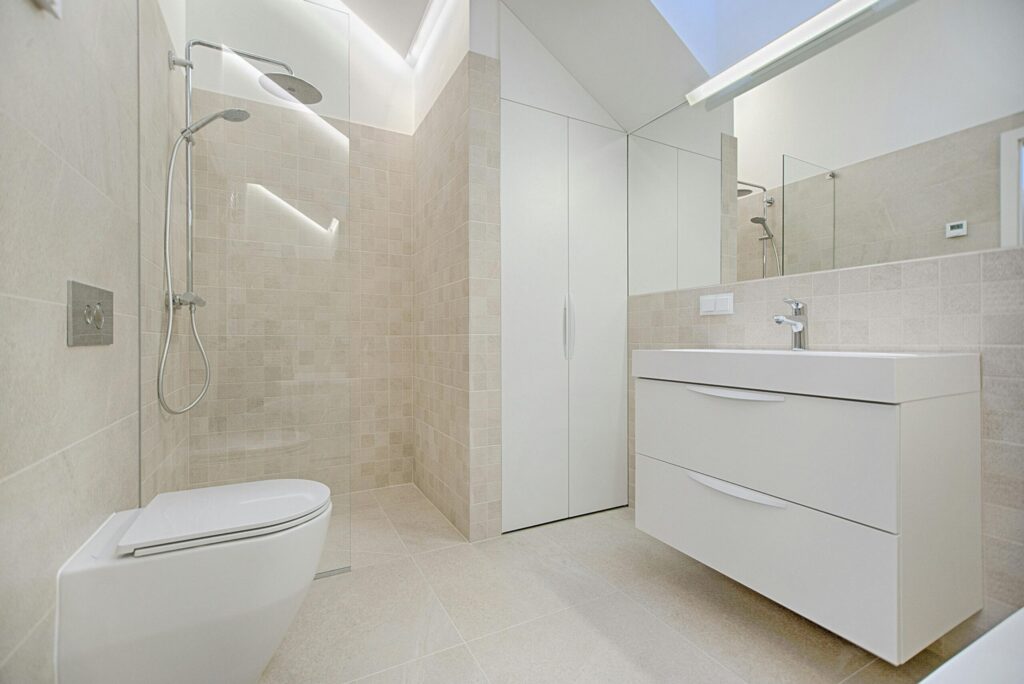
Professional Flooring Installation in Cold Springs, NV
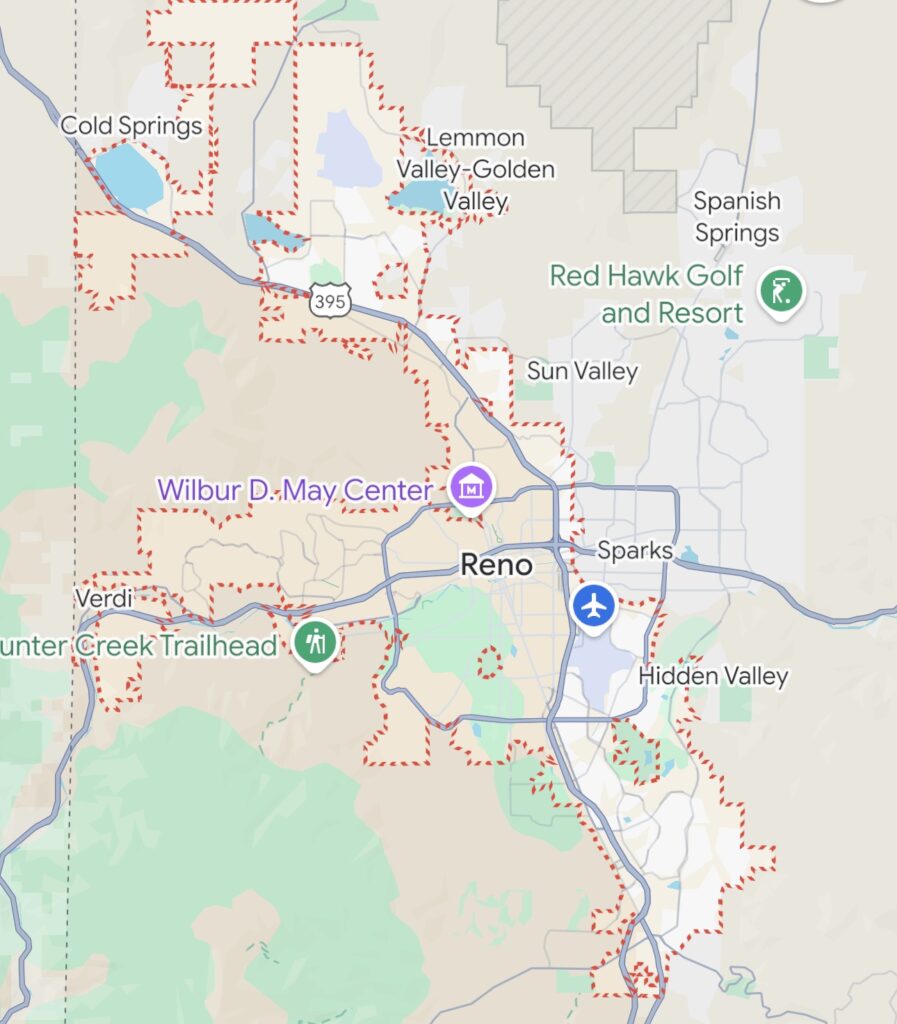
Looking for flooring installation in Cold Springs? You're in the right place. We connect you with local flooring contractors who do beautiful work, charge fair prices, and treat your home with respect.
Popular Flooring Installation Services in Cold Springs
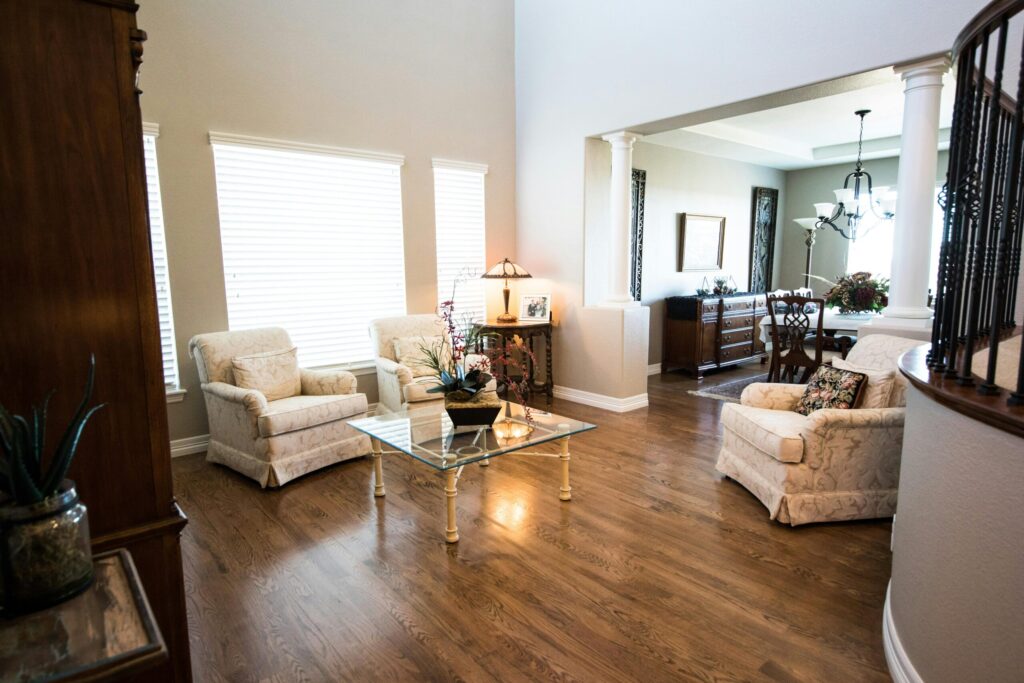
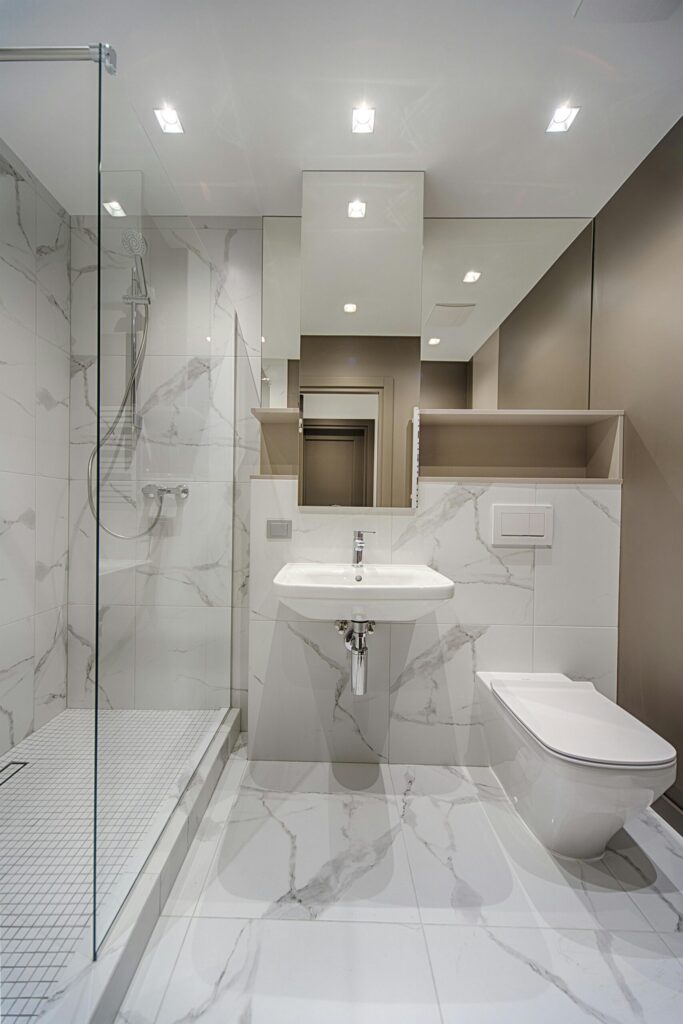
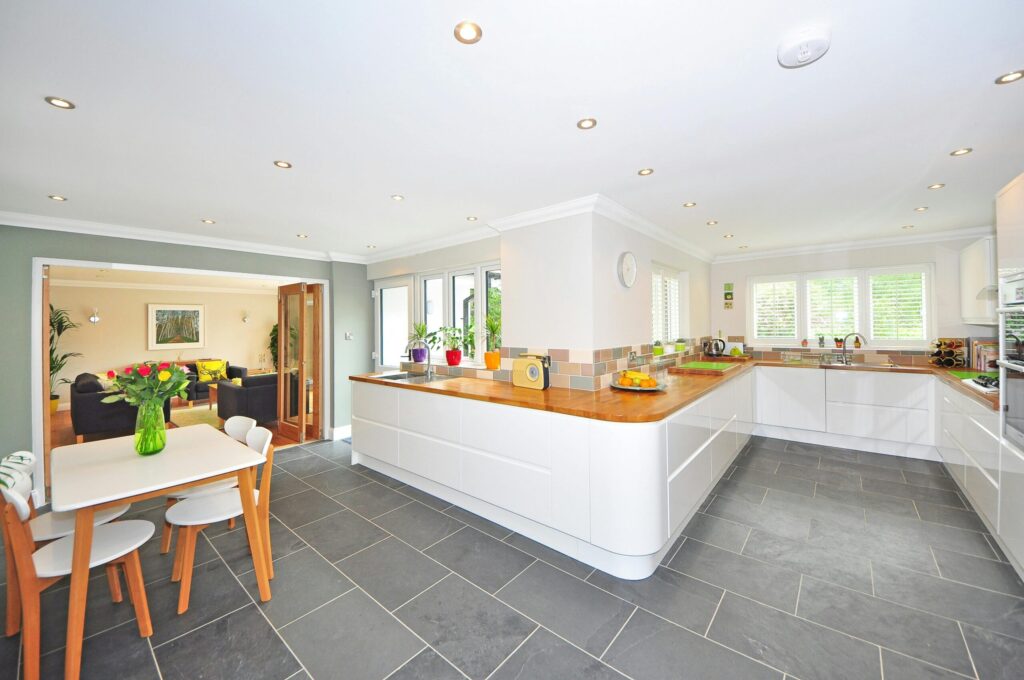
Our Flooring Installation Process
1. Initial Consultation & Goals
We discuss your flooring preferences, room usage, budget parameters, and timeline. Understanding your lifestyle helps determine suitable materials.
2. Site Evaluation
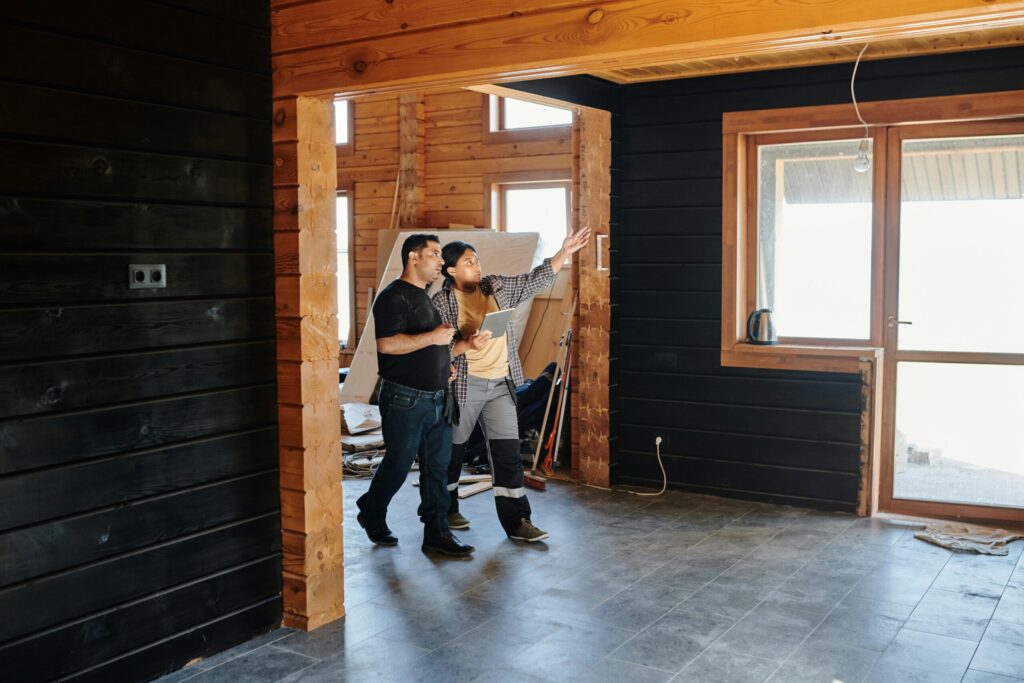
Installers visit to measure rooms, assess subfloor condition, identify moisture issues, evaluate transitions, and discuss material options.
3. Design & Scope Definition
Installers provide material recommendations for Reno's climate, show samples, explain pros and cons, and provide detailed cost estimates.
4. Contractor Matching
We connect you with experienced, insured flooring installers. You receive multiple detailed quotes comparing materials, approaches, and pricing.
5. Permits & Construction
Once you select a contractor and materials, they order flooring and schedule installation. Wood products delivered early for acclimation.
6. Final Inspection & Walkthrough
Installers review completed work, demonstrate proper care specific to your flooring type, and address any questions.
Flooring Installation in Cold Springs — What Homeowners Should Know
North Valleys Growth and Housing Character
Cold Springs has evolved from a small rural community to one of Reno’s fastest-growing North Valleys neighborhoods. The area experienced significant residential development over the past two decades, with new subdivisions filling hilltop cul-de-sacs and valley floor locations. Today’s housing includes a mix of older homes built before the major growth period and newer construction from the 2000s and 2010s. Many newer developments feature modern colonial style, single-story traditional, and contemporary designs with mountain views. Older homes, not bound by HOA guidelines, often showcase individual character with custom features and landscaping. The community’s population has grown from around 3,800 in 2000 to over 11,000 today, creating a suburban feel with rural undertones. Homes typically range from 1,400 to 2,500 square feet, with newer properties often featuring open-concept floor plans and energy-efficient construction suited to the area’s elevation and climate.
Washoe County Building Department and Permits
Cold Springs is an unincorporated census-designated place in Washoe County, meaning all building permits and inspections are handled by the Washoe County Building Department rather than a city authority. The county uses an online permitting platform (OneNV.us) for applications, plan reviews, and inspections. Standard flooring replacement typically doesn’t require permits, but projects involving subfloor structural modifications, electrical work, or plumbing alterations will need county review. Washoe County Code Chapter 100 lists exempt construction activities, and contractors working in Cold Springs must hold Nevada state licensing. The county offers EZ Permits for basic utility and re-roof work completed by licensed contractors. Inspections can be scheduled through the Washoe County Inspections App, by email at inspections@washoecounty.us, or through the online platform. For questions about permit requirements, contractors can contact the Building Department at building@washoecounty.gov.
HOA Communities and Architectural Review
Many Cold Springs subdivisions, particularly newer developments from the 2000s onward, have homeowner associations with architectural review committees. Some communities require approval before permits can be issued, even for projects that affect only the home’s interior if they involve structural changes or modifications visible from the exterior. While basic flooring work typically doesn’t trigger HOA review, projects involving structural subfloor repairs or window/door modifications might require architectural committee approval in addition to county permits. Older properties and those outside planned developments generally have fewer restrictions. Contractors familiar with Cold Springs understand which subdivisions have active HOAs and can help determine whether your project requires architectural review.
Mountain Climate and Elevation Factors
Cold Springs sits at approximately 5,030 to 5,200 feet elevation in the Sierra Nevada foothills, adjacent to Peavine Peak and along the Nevada-California border. This higher elevation creates a climate with more pronounced seasonal variations than lower valley locations. Summer temperatures typically range from the high 80s to low 90s, while winter brings cold conditions with temperatures often dropping to the teens or low 20s during the coldest periods. The community receives approximately 11 inches of rain and 53 inches of snow annually—substantially more snow than lower-elevation Reno areas due to its mountain setting. The area enjoys about 251 sunny days per year, but humidity levels remain characteristically low, particularly in summer. These elevation and climate conditions create significant seasonal expansion and contraction in solid hardwood flooring. Many contractors who work regularly in Cold Springs recommend engineered wood products, luxury vinyl plank, or tile for main living areas due to their dimensional stability in low-humidity, high-elevation environments. The intense sunlight at this elevation can also fade certain flooring finishes over time, making UV resistance an important material consideration.
Foundation Systems and Subfloor Preparation
Newer Cold Springs homes are typically built on slab-on-grade foundations or engineered raised foundation systems with modern construction standards. Older properties may have raised foundations with crawl spaces that require proper ventilation and moisture management. The area’s mountain setting and seasonal snow accumulation mean some properties may experience moisture variations affecting subfloor environments, particularly homes with crawl spaces or those built before current moisture barrier standards. Before installing new flooring, it’s important to assess subfloor levelness, structural integrity, and moisture content. Newer construction generally has well-prepared subfloors, while older homes may need leveling or moisture mitigation work. Contractors experienced in Cold Springs understand these considerations and can identify potential issues during the estimate process.
Mountain Living and Outdoor Recreation
Cold Springs’ location in the North Valleys along the California border creates a community centered on outdoor recreation. The area features extensive trail systems, Silver Knolls Park with equestrian facilities and hiking trails, and proximity to Peavine Peak for year-round outdoor activities. White Lake—a seasonal body of water that fluctuates with the water table—sits at the community’s center, providing visual interest and recreational opportunities when full. This outdoor-oriented lifestyle means many homes experience higher-than-average dust and dirt intrusion, particularly during dry summer months or near unpaved trail access points. When selecting flooring, homeowners should consider materials that are durable and easy to maintain in an active household with frequent indoor-outdoor traffic patterns.
Flooring Installation Costs in Cold Springs
Typical Project Cost Ranges
Flooring costs depend on material selection, room size, subfloor condition, and installation complexity. The following ranges reflect current pricing for typical installations in Cold Springs and the Washoe County area:
| Flooring Type | Material + Installation (per sq ft) | 1,000 sq ft Project Range |
|---|---|---|
| Luxury Vinyl Plank (LVP) | $4 – $10 | $4,000 – $10,000 |
| Laminate Flooring | $4 – $9 | $4,000 – $9,000 |
| Engineered Hardwood | $6 – $15 | $6,000 – $15,000 |
| Solid Hardwood | $8 – $18 | $8,000 – $18,000 |
| Porcelain/Ceramic Tile | $7 – $16 | $7,000 – $16,000 |
| Sheet Vinyl | $3 – $9 | $3,000 – $9,000 |
Note: These ranges include both materials and professional installation. Your actual costs depend on specific product choices, home location, preparation needs, and project scope.
Key Factors That Influence Pricing
Subfloor Preparation and Leveling: Newer Cold Springs homes generally have well-constructed subfloors requiring minimal preparation, while older properties may need leveling work or moisture barrier installation. Homes with crawl spaces should be assessed for proper ventilation and moisture protection. Preparation work typically adds $2 to $6 per square foot but is essential for long-term flooring performance and preventing issues related to seasonal moisture variations or settlement.
Material Delivery and Access: Cold Springs is located approximately 18 to 20 miles north of central Reno via US Route 395. Most flooring materials come from suppliers in Reno or Sparks. Contractors typically include delivery costs in their estimates, but the distance—combined with elevation changes and mountain roads—may affect delivery logistics, particularly during winter months when snow can impact access. Properties in hilltop developments or on steep lots may have additional material transport considerations from trucks to the work location.
Old Flooring Removal: Removing and disposing of existing flooring adds approximately $1 to $3 per square foot to project costs. Tile and hardwood removal tends to be more labor-intensive than carpet or vinyl. Some older Cold Springs homes may have multiple flooring layers installed over the years, which increases both removal time and disposal expenses.
Home Layout and Square Footage: Newer Cold Springs homes often feature open-concept floor plans that are efficient to install, with large continuous spaces requiring fewer transitions and cuts. Older homes with traditional room layouts and multiple doorways require more cutting and fitting time. The area’s typical home sizes (1,400 to 2,500 square feet) represent mid-range projects where economies of scale can benefit material pricing.
Seasonal Considerations: Winter weather in Cold Springs can affect project scheduling, as snow accumulation may limit material delivery or contractor access to properties on certain days. Wood and engineered products need time to acclimate to your home’s temperature and humidity before installation—particularly important at this elevation where indoor heating creates very dry winter conditions. This acclimation period (typically 5-7 days) must be factored into project timelines.
Cold Springs-Specific Cost Considerations
Properties in newer developments with HOAs should verify whether architectural review is required, as this can add time to the project timeline even though it typically doesn’t add direct costs. Homes at higher elevations or on hillside lots may have steeper access requirements affecting material transport. The community’s distance from Reno suppliers means rush orders on specialty materials may carry premium pricing or extended delivery times. Washoe County permit fees and licensing requirements are included in licensed contractors’ overhead costs and pricing.
Getting Transparent, Itemized Estimates
When requesting quotes through Reno Home Remodel, contractors should provide detailed breakdowns separating material costs, labor charges, preparation work, and ancillary services like furniture moving or baseboard removal and replacement. Clear estimates help you compare options and understand what’s included in each proposal. Ask about warranty coverage on both materials and installation labor, what the cleanup process involves, and how unexpected discoveries (like subfloor moisture issues or structural repairs) are handled if found during the project. Reputable contractors will explain their process clearly and answer questions before you commit to moving forward.
What Makes Our Contractor Network Different
Familiarity with Washoe County Processes
Contractors in our network work regularly with Washoe County’s Building Department and understand the permitting system, including the OneNV.us online platform, exemption lists in County Code Chapter 100, and inspection scheduling procedures. They know when permits are required for flooring-related work and can handle the application and coordination process if needed, ensuring compliance with county standards without homeowners having to navigate government systems themselves.
Understanding North Valleys Development
Cold Springs’ rapid growth from rural community to suburban neighborhood has created diverse housing types—from pre-2000 homes to brand-new construction in the latest developments. Our contractors have experience across this range and understand the unique characteristics each construction era presents. Whether working in newer homes with modern foundation systems and engineered floors or older properties that may need subfloor assessment, they bring relevant experience to your specific situation.
Elevation and Climate Expertise
Not every flooring material performs equally at Cold Springs’ 5,000+ foot elevation with its pronounced seasonal temperature swings and heavy winter snowfall. Contractors who regularly work in the North Valleys understand how elevation affects material selection, proper acclimation procedures for wood products in low-humidity mountain conditions, and which underlayment types work best with the area’s seasonal moisture variations. They can recommend finishes that hold up to intense mountain sunlight while performing reliably through cold winters and warm summers.
Regional Supplier Relationships
Local contractors maintain working relationships with flooring suppliers in Reno and Sparks, which benefits your project through reliable material sourcing, competitive pricing, and efficient delivery coordination up to Cold Springs. They know which suppliers stock products designed for mountain climates and elevation conditions, and can often source materials more effectively than homeowners shopping retail stores. These relationships also help with warranty support and accessing replacement materials if needed in the future.
North Valleys Community Knowledge
Because these contractors operate in Cold Springs and the broader North Valleys area, they understand local conditions that affect flooring projects—from which subdivisions have active HOAs to which properties may have seasonal access challenges during winter. Their community presence means they’re available for follow-up questions, warranty service, or maintenance advice after installation. In a growing community where many residents are establishing long-term roots, contractor reputation and accountability matter significantly.
Licensed & Insured Contractors Only
Every contractor in the Reno Home Remodel network holds active Nevada state licensing, carries general liability insurance and workers’ compensation coverage, and meets Washoe County’s requirements for working in unincorporated areas. We verify these credentials before making referrals, protecting you from liability if accidents occur on your property and ensuring contractors meet Nevada’s professional standards. This verification process gives you confidence that you’re working with legitimate, properly credentialed professionals.
Let's Start Your Flooring Installation in Cold Springs
Let’s chat about your ideas! Getting started is easy – simply reach out with details about your flooring project, and we’ll connect you with qualified, licensed flooring contractors.
Need Help?
Frequently Asked Questions About Flooring Installation in Cold Springs
Below are some of the most common questions Our Network get from families about flooring remodel. If you have any other questions contact us!
How long does flooring installation take?
Timeline varies by material and square footage. Single room: 1-3 days. Multiple rooms: 3-7 days. Whole house: 1-3 weeks. Carpet installs fastest. Hardwood requiring sanding/finishing takes longest. Subfloor repairs add time.
Do I need to move furniture?
Most installers offer furniture moving services for additional fee. Smaller items you can remove yourself reduce costs. Large furniture typically moved by installers room by room during installation. Discuss arrangements during consultation.
Can new flooring go over existing flooring?
Sometimes. Vinyl plank or laminate can often go over existing hard surfaces if level and sound. Carpet typically requires removal of old flooring. Hardwood requires proper subfloor. Tile needs stable, level substrate. Installers assess feasibility during consultation.
How long before I can walk on new flooring?
Varies by material. Carpet: immediately. Vinyl/laminate: immediately. Engineered hardwood (floating): immediately. Tile: 24-48 hours for foot traffic. Hardwood with polyurethane finish: 24 hours for socks, several days for normal use. Installers provide specific guidance.
Talk to a Flooring Installer in Cold Springs
Whether your home is in one of the newer hilltop developments with mountain views, near Silver Knolls Park, in an established neighborhood, or along White Lake Parkway, finding the right flooring contractor starts with getting accurate estimates from professionals who understand Cold Springs’ unique conditions. Homeowners throughout the North Valleys—from contemporary new construction to established homes—have used our service to connect with qualified contractors who deliver quality work and understand local requirements at this elevation.